Words you may need to know before going on safari
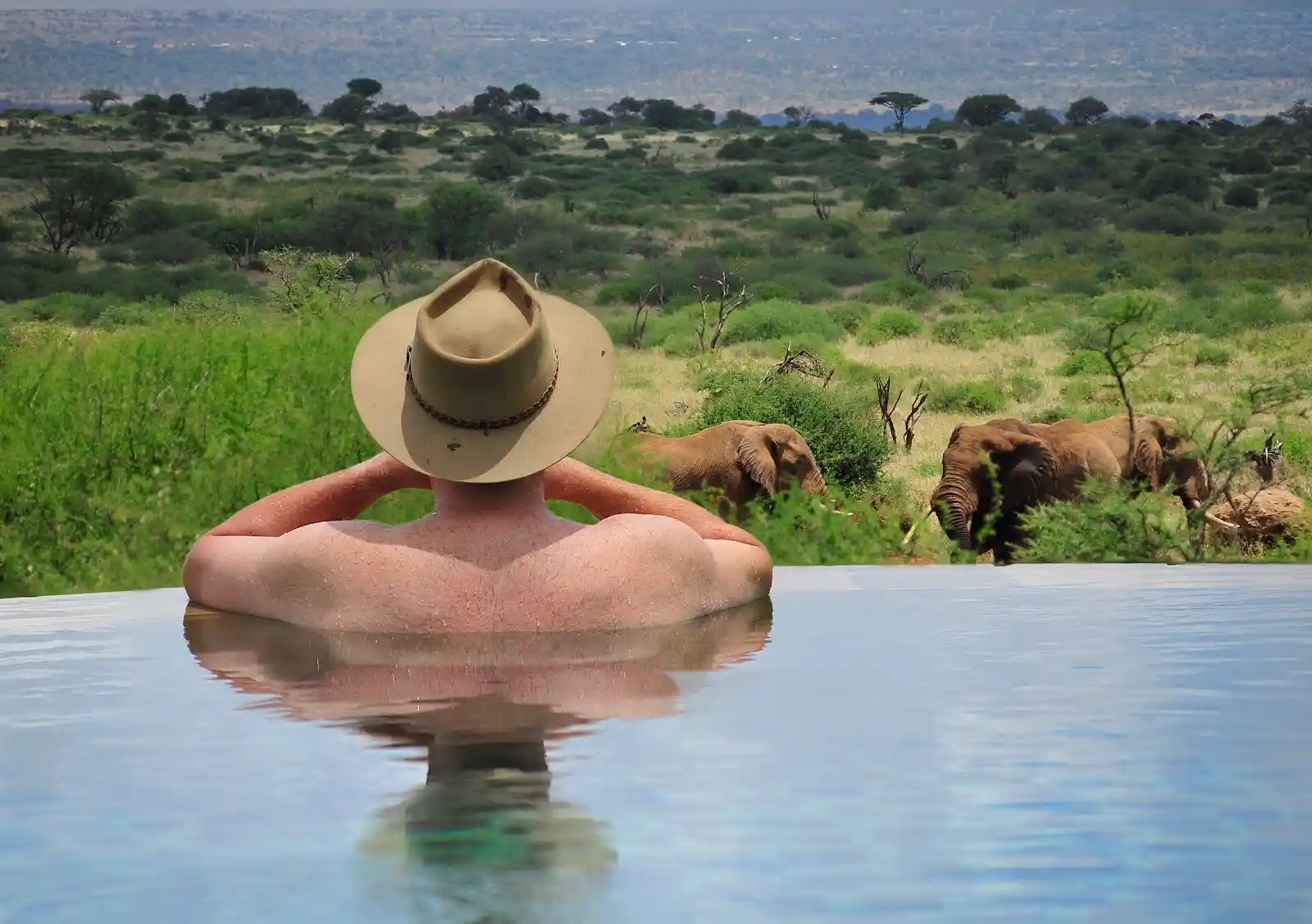
Shall we stop for a sundowner? How was your game drive? Once you arrive on safari in East Africa, you will start hearing words and phrases you may not have come across before. They are part of everyday safari life and are used by guides, lodge staff, and fellow travellers across East Africa. To help you feel at home from day one, we have put together this simple safari dictionary. By the time your adventure begins, you will know exactly what everyone is talking about.
The Safari Dictionary
We could fill a book with words that are often used during your safari tour. But we don’t want to overwhelm you with homework, so we will keep it short. We have picked the ones you are most likely to hear, so you’ll feel right at home from the moment your adventure begins.
1. Game drive
An activity you do in a national park during your safari. It is a guided wildlife drive where you explore the park in a specially designed safari vehicle in search of wild animals, including the famous Big Five. Your guide will help you spot wildlife, explain what you are seeing, and answer your questions along the way.
Whenever animals are found, the vehicle stops so you have plenty of time to observe their behaviour, take photographs, and enjoy the experience without disturbing them. It is one of the best ways to experience Africa’s incredible wildlife in its natural habitat.
2. National Park
A national park is a protected area where nature and wildlife are preserved for future generations. Hunting, farming, logging, and other activities that could harm the environment are strictly controlled or prohibited. Park rangers patrol the area to protect the wildlife, prevent poaching, and make sure the park remains well protected. Visitors pay an entrance fee, which helps support conservation and the management of the park. East Africa is home to many national parks, each offering its own landscapes, wildlife, and safari experiences.
3. Ranger
A ranger is a trained park warden who protects the national park and everything living in it. They know the park inside out, from the wildlife and plants to the trails and hidden corners. Rangers patrol the park every day to prevent poaching, stop illegal activities, and make sure visitors follow the rules. If someone gets into trouble, they are the first to respond. Many rangers undergo training similar to that of soldiers, preparing them to work in difficult conditions and deal with dangerous situations in the field.
4. Lodge
A lodge is the accommodation where you stay during your safari. A lodge is usually located in the bush or in more remote places, close to nature and wildlife.
It is your base during the trip. You sleep there, eat there, relax there, and sometimes enjoy activities there too. Lodges come in many different styles. Some are simple and traditional, while others are modern and luxurious. Each one offers a different way to experience the African wilderness.
5. Sundowner
A sundowner is the moment when you stop to enjoy a drink while watching the sunset during your safari. It usually happens on an afternoon game drive when your guide finds a beautiful spot with a good view. You sit back, enjoy a drink and a small snack, and watch the colours of the sky change as the sun goes down. It is a simple safari tradition, but one of the most memorable moments of being in the African bush.
6. Big Five
East Africa is home to the legendary Big Five: lion, leopard, elephant, rhino, and buffalo. These are some of the most iconic animals in Africa and are symbols of the continent’s wild places.
The name has nothing to do with size. It was originally used by trophy hunters in the late 19th Century to describe the five animals considered the most difficult and dangerous to hunt on foot. Today, the term is widely used in safari tourism. You can find the Big Five across East Africa.
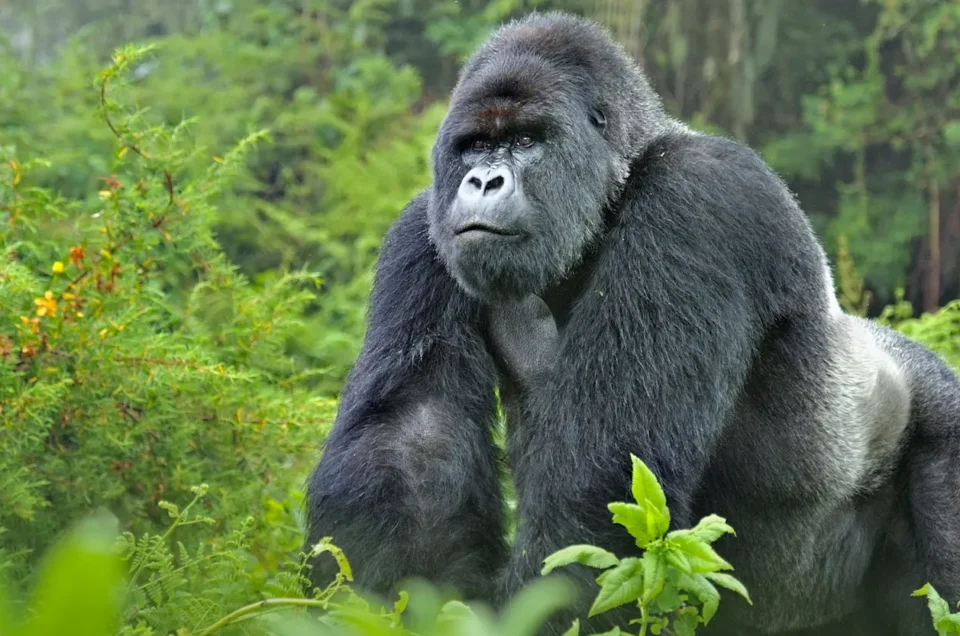
But in Uganda and Rwanda, you can experience more than the Big Five; the Big Seven. This includes the Big Five plus chimpanzees and mountain gorillas. This combination is one of the things that sets Uganda and Rwanda apart from other safari destinations such as Tanzania and Kenya.
In Uganda and Rwanda have more than the Big Five – we have the Big Seven.
7. Walking safari
A walling safari is an experience where you explore the wilderness on foot instead of from a vehicle. You are accompanied by an armed ranger who knows the area well and helps you understand the animals, plants, and tracks you encounter along the way.
Walking safaris are done during daylight hours when visibility is good. You usually walk through quieter areas of the park where you can see animals such as antelopes, giraffes, and zebras grazing. It is a great way to experience the bush from a completely different perspective.
8. Tour guide
A tour guide is both your driver and your guide during your safari. They know the roads, the places to visit, the wildlife, and the best way to organize your journey. A good tour guide is like a local friend in East Africa. They are there to help you from the moment you arrive until the day you leave. They share their knowledge, answer your questions, and make sure you have the best possible experience. Want to read more about what a tour guide does and why they are so important?
9. Permit
A permit is an official ticket or authorization that allows you to take part in a specific activity. For example, a gorilla trekking permit or chimpanzee permit gives you permission to enter the forest and spend time observing these animals in their natural habitat. Permits are issued in limited numbers to protect wildlife, reduce pressure on the environment, and make sure these experiences remain sustainable for future generations.
Now that you have read all these words, you are a little better prepared for your trip. Still have questions? Call, text, or email us.
More Articles

Greenway nature tours
We are a fully licensed tour company accredited by the Uganda Tourism Board. We design and operate safaris in Uganda and East Africa. Our operations are based in Kampala, Uganda, the heart of our safari planning and coordination. Though our company was officially established in 2025, our team brings deep, hands-on knowledge of East Africa.
Destinations
Favourite Tours
Help & Info
- About us
- Travel Blog
- Travel FAQS
- Gorilla Permits Bookings
- Contact Us
- Pay Online