A Guide to Visiting Serengeti National Park in Tanzania
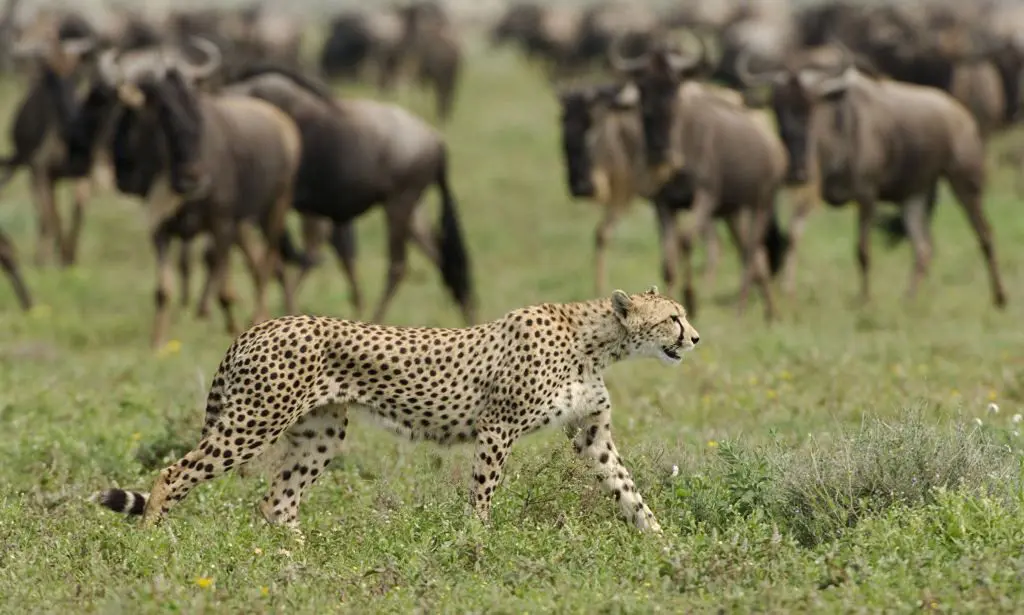
A safari to Serengeti National Park in Tanzania sits high on many travellers’ must-do lists. And it is easy to see why. Serengeti is home to the great migration, when millions of wildebeest, zebra and gazelle race across the plains in search of fresh grass, dodging crocodiles, hyenas and big cats with big teeth. It is a true wildlife spectacle. But this is not the only highlight. Serengeti National Park is full of dramatic wildlife scenes across forests, wetlands and endless grasslands. Lions, cheetahs and spotted hyenas stalk Buffalo, waterbuck and giraffe wandering freely across the savannah.
Most visitor activity is focused around Seronera area. In certain seasons, attention shifts to the southern plains and the northern Mara River area.
Other regions like the Western Corridor and Lobo Hills feel more remote. Outside peak migration times, they offer a quiet, off-the-beaten-track safari experience.
Why Should You Visit Serengeti National Park?
Serengeti National Park is a magical place.
It is home to one of the greatest wildlife shows on Earth, the great wildebeest migration. It is one of the main reasons people dream of visiting. It is wild, loud, and full of drama.
But even without the migration, the Serengeti stands out as one of Africa’s finest safari destinations. It is packed with wildlife and large animals everywhere you look.
In fact, when it comes to density of wildlife and large mammals, Serengeti is comparable to the bordering Masai Mara National Reserve in Kenya. But the Serengeti is roughly 10 times larger than Masai Mara. And it is generally far less crowded.
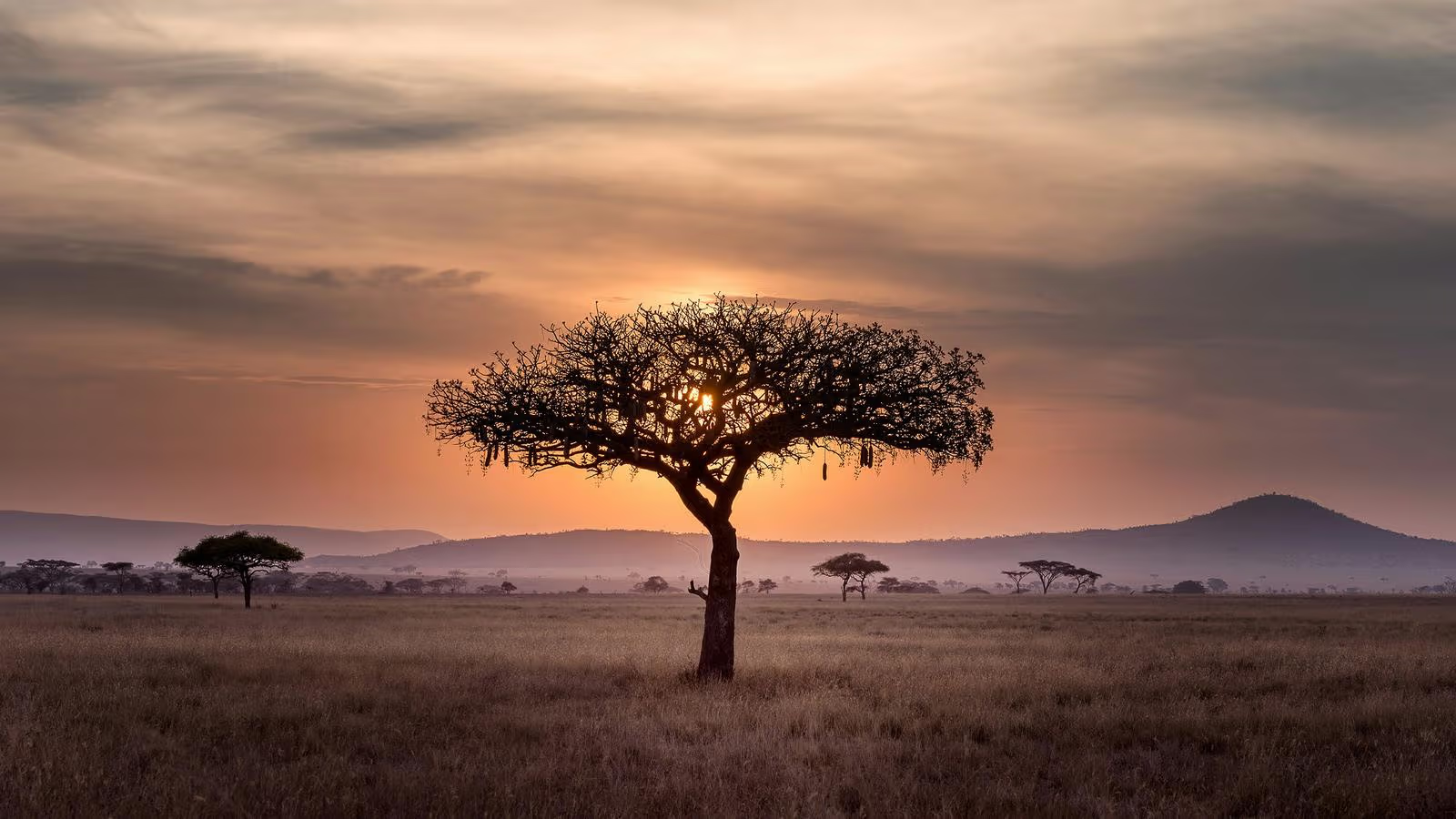
The plains of Serengeti seem endless. Small granite hills (known as koppies) and the iconic umbrella-shaped acacia trees rise from the grass. They break the flat land and give it shape and character.
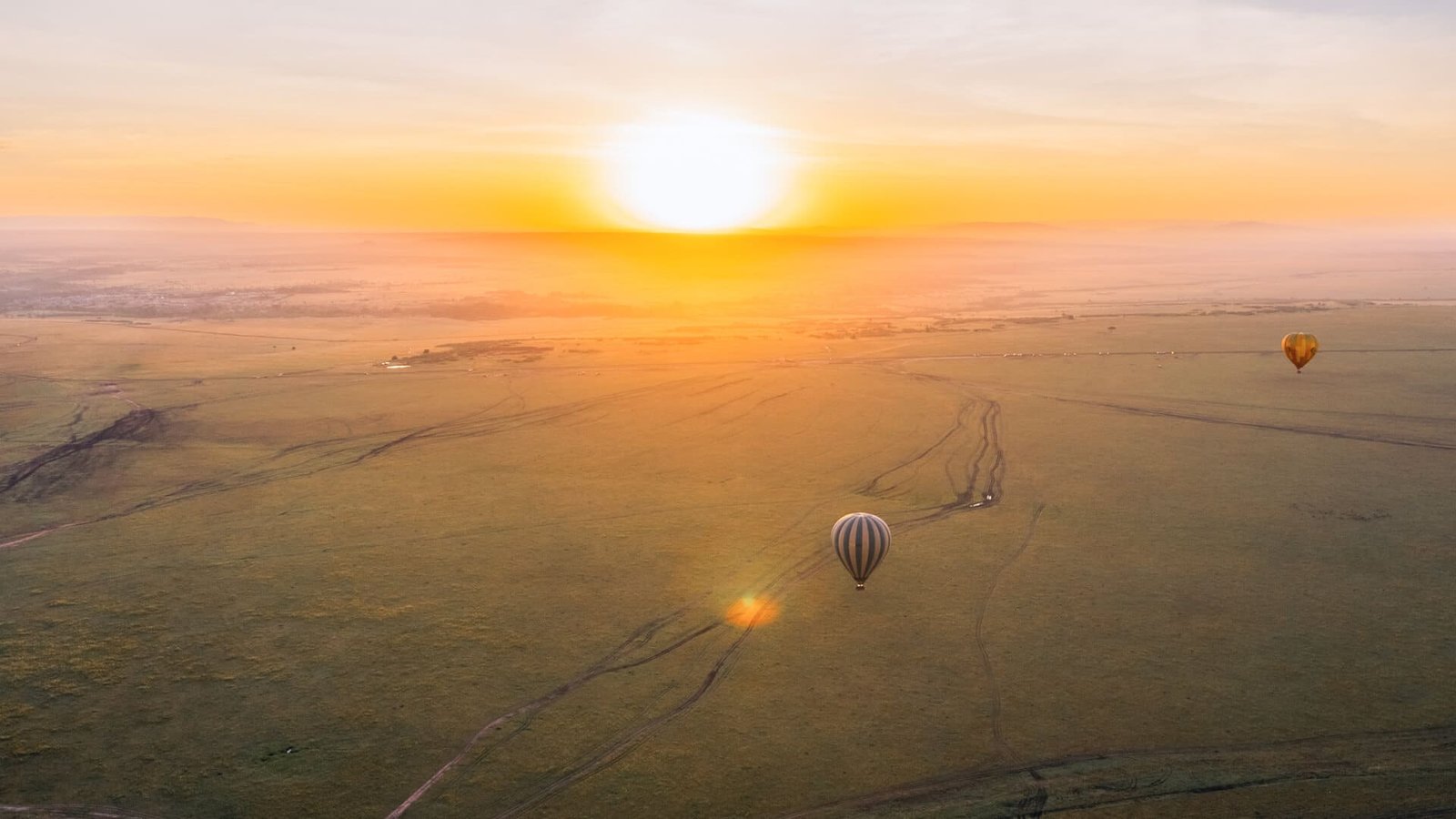
The Maasai People call this land Siringit. It means “the land that runs on forever.” And when you stand there, that is exactly what you feel. From a hot air balloon at sunrise, the Serengeti shows its true scale. Quiet, vast, and deeply unforgettable.
Where Is Serengeti National Park Located?
You will find Serengeti National Park in northern Tanzania. It stretches across a vast highland plateau between the Great Rift Valley to the east and the Lake Victoria Basin to the west. Covering nearly 1.5 million hectares, it is one of the largest national parks in Africa.
When you visit the Serengeti, you are not just exploring a single park. You are entering the heart of the greater Serengeti-Mara ecosystem, one of the most important wildlife regions on Earth. This huge, unfenced landscape extends far beyond the park boundaries. It also includes the Ngorongoro Conservation Area, Loliondo Game Controlled Area, Grumeti and Maswa Game Reserves, and Kenya’s Masai Mara National Reserve. Together, these areas support the world-famous annual migration.
The park’s Western Corridor stretches to within a few kilometres of Lake Victoria, Africa’s largest lake. The nearest city is Mwanza, about 135km (84 miles) west of Ndabaka Gate. However, most travellers start their Serengeti safari from Arusha, located around 250km (155 miles) southeast of Naabi Hill Gate. Arusha serves as the main gateway to northern Tanzania’s famous safari circuit.
When is the Great Migration in Serengeti?
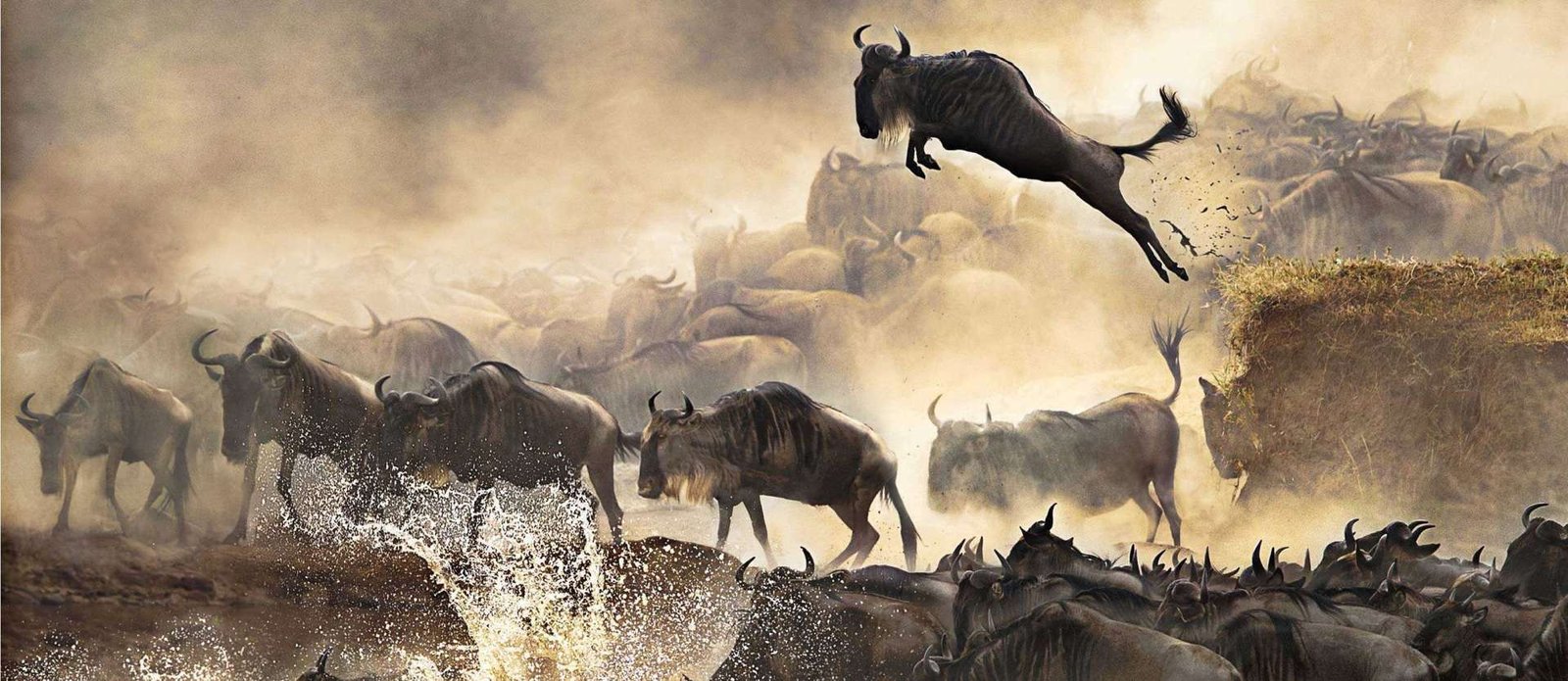
If you visit the Serengeti, you may witness part of the Great Migration. This incredible journey involves more than two million wildebeest, along with large numbers of zebras and gazelles. It is one of the greatest wildlife spectacles on Earth.
The migration follows a fairly predictable route, although its exact timing depends on rainfall. The longest stage usually takes place between December and April. During these months, you will find huge herds spread across the short-grass plains near the Serengeti–Ngorongoro border.
This is also calving season. Between January and February, hundreds of thousands of wildebeest give birth. On some days, thousands of calves are born. It is an amazing sight, but it also attracts predators such as lions, cheetahs, and hyenas.
From late April to early June, the herds begin gathering on the southern plains before starting their journey north. By June, many reach the Western Corridor, where they face the dangerous crossing of the Grumeti River. Here, crocodiles wait for an opportunity to strike.
As the migration continues north, the herds usually reach the Mara River around August. From there, they spread across the rolling plains of the Northern Serengeti and Kenya’s Masai Mara.
If you are lucky, you may witness one of the famous Mara River crossings. These dramatic events happen unpredictably between August and October and are among the most sought-after wildlife sightings in Africa. As the seasons change, the herds gradually begin moving south again. They return to the short-grass plains near Ngorongoro, where the cycle starts all over again.
What Other Wildlife Can I Expect to See in Serengeti National Park?
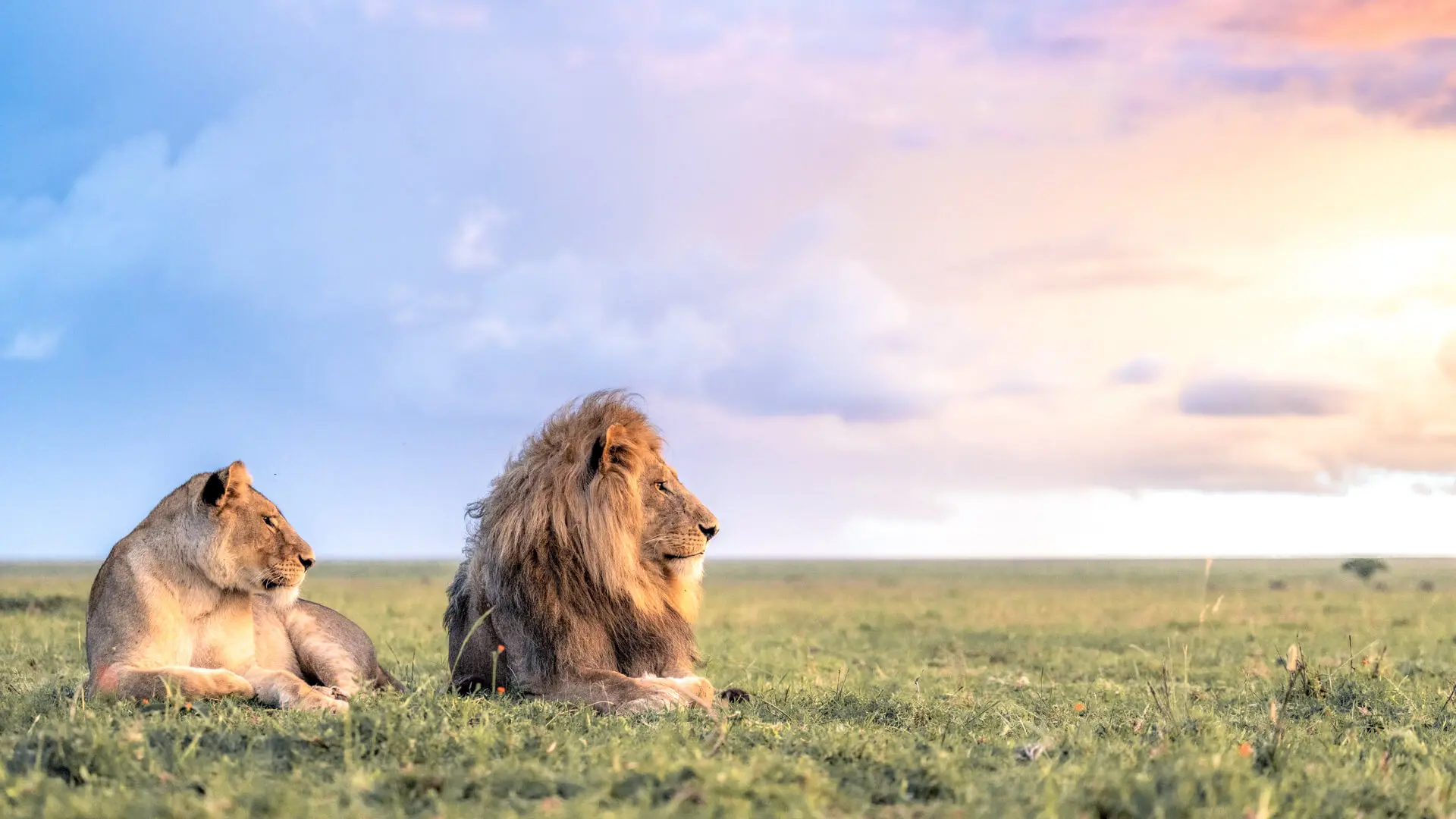
The Serengeti National Park is famous for its incredible predator sightings. If you spend a few days in the park, chances are you will see lions more than once. In some areas, seeing three or four prides during a single game drive is not unusual.
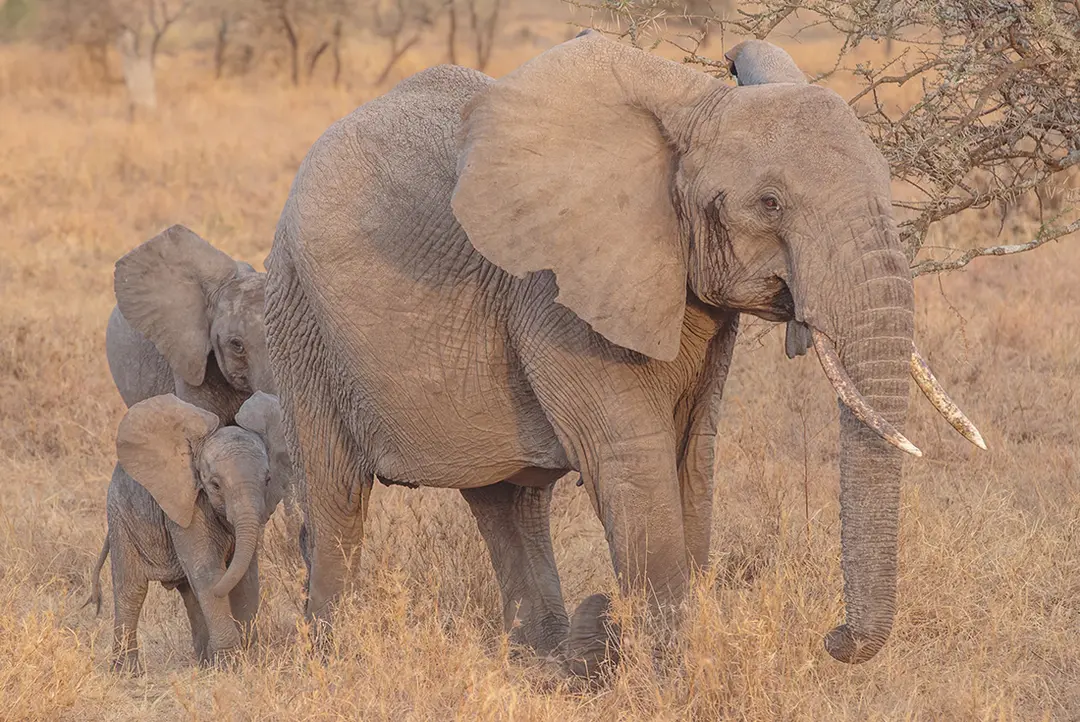
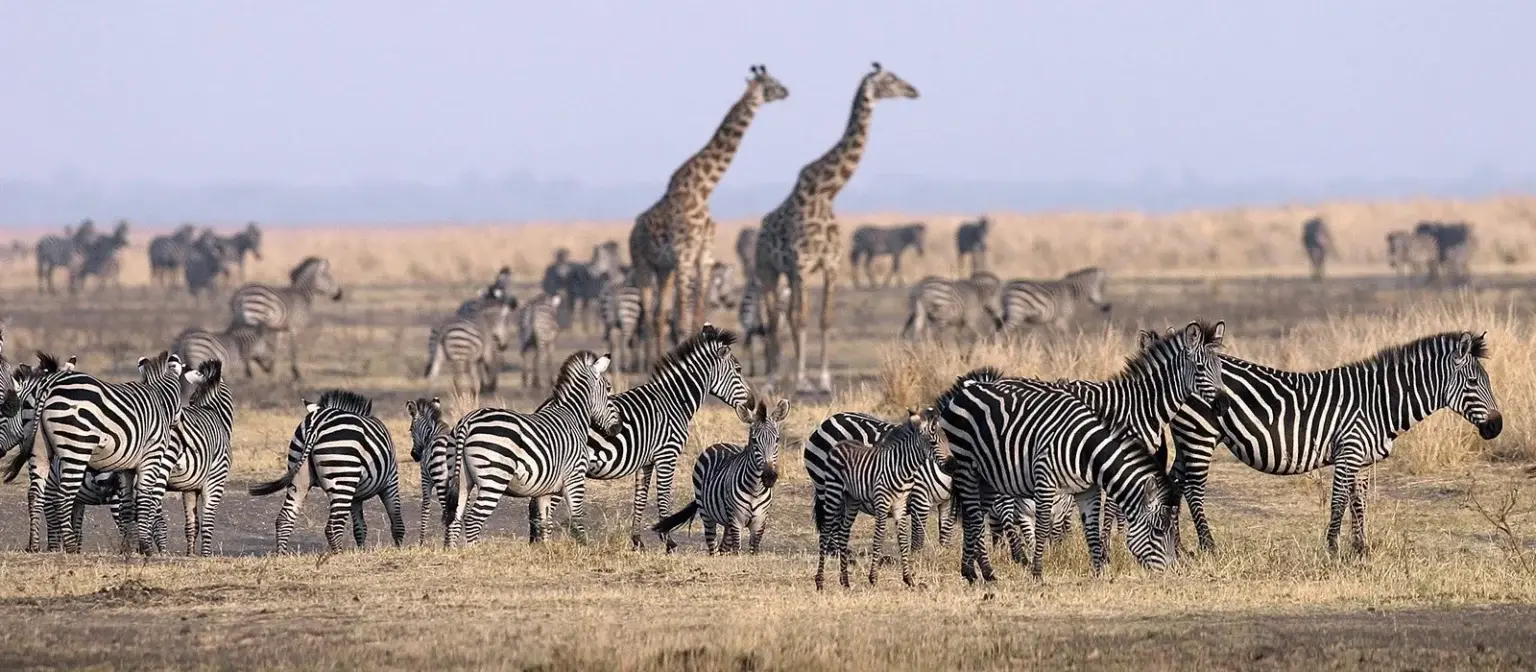
You also have a good chance of spotting cheetahs, leopards, spotted hyenas, black-backed jackals, and, with a bit of luck, bat-eared foxes and servals. The park is equally rewarding for viewing herbivores. Elephants, buffaloes, giraffes, zebras, warthogs, impalas, elands, and both Thomson’s and Grant’s gazelles are commonly seen throughout the Serengeti.
Black rhinos are much rarer. They are mainly found around the Moru Kopjes in the southern part of the park and are only occasionally seen. If seeing a rhino is high on your wish list, you are more likely to spot one in the Ngorongoro Crater or Mkomazi National Park.
The Serengeti is also home to some more unusual species. In the Western Corridor, you may come across an isolated population of patas monkeys, as well as the striking black-and-white colobus monkey.
If you enjoy birdwatching, you are in for a treat. More than 500 bird species have been recorded here. Several Tanzanian endemics occur in the southern plains, including the grey-breasted spurfowl, Fischer’s lovebird, and rufous-tailed weaver.
Birds of prey are seen throughout the park. You can also expect to encounter some of Africa’s most impressive ground birds, including the common ostrich, secretary bird, southern ground hornbill, and the mighty kori bustard, the heaviest flying bird on Earth.
How Do you Get to Serengeti National Park?
If you are planning a safari to the Serengeti National Park, you will most likely start your journey in Arusha. Known as Tanzania’s safari capital, Arusha is the main gateway to the country’s famous Northern Safari Circuit. Most international travellers fly into Kilimanjaro International Airport (JRO), which is about 50km (31 miles) from Arusha.
From there, you can reach the Serengeti either by road or by air. If you choose to drive, the journey is an adventure in itself. The first part takes you from Arusha through the Ngorongoro Conservation Area on a good surfaced road. This section usually takes three to four hours. Many travellers choose to break up the journey with a visit to Tarangire or Lake Manyara National Park.
From Ngorongoro, the road becomes rougher. The final 100km (62 miles) to Naabi Hill Gate is unsurfaced and often heavily corrugated. The drive can take around four hours, but it may feel longer because of the road conditions. The scenery along the way, however, makes the journey worthwhile.
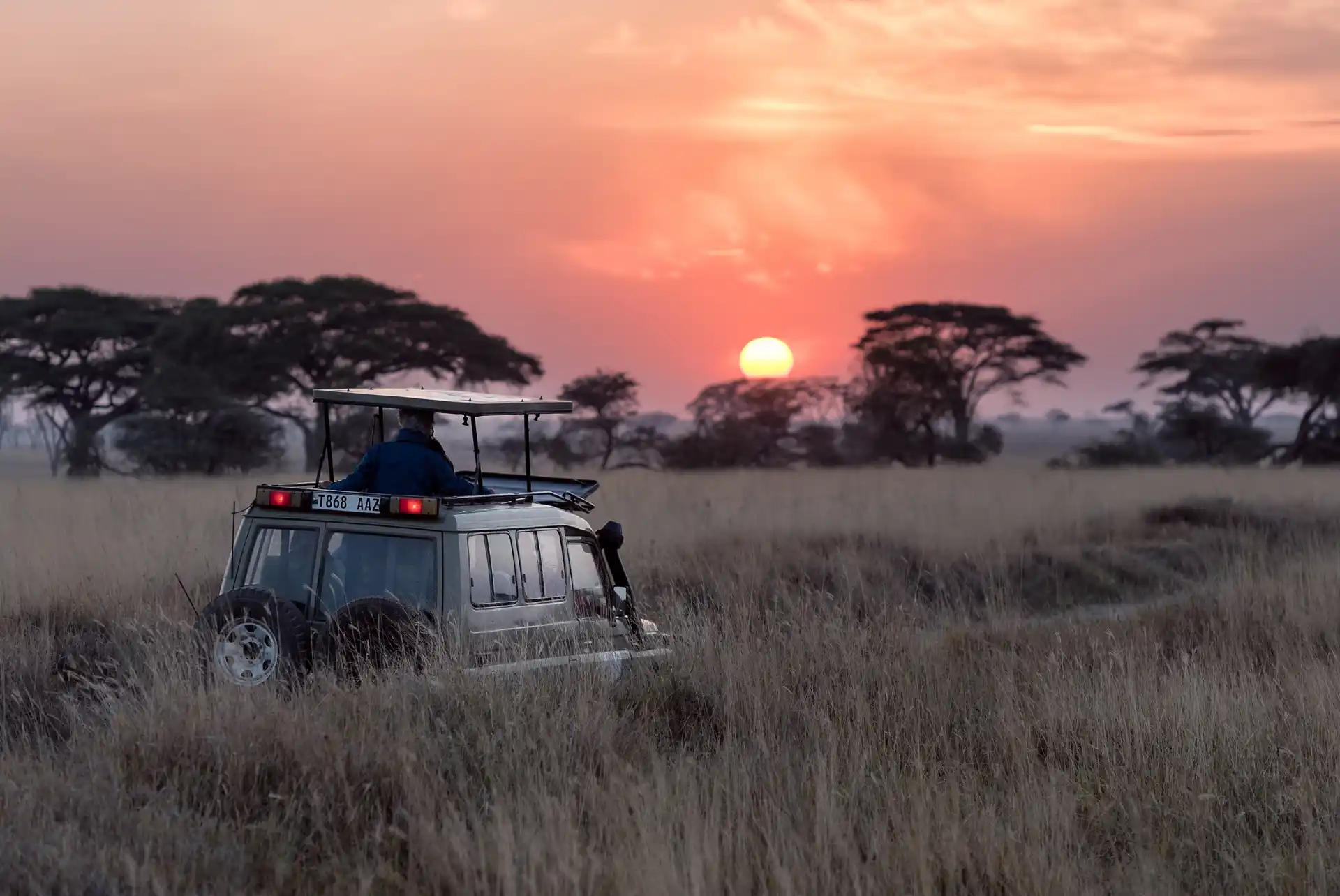
If you prefer to spend less time travelling and more time on safari, flying is an excellent option. Daily scheduled flights connect Arusha Airport (ARK) with several airstrips in the Serengeti.
The most commonly used are Seronera in the central Serengeti, Kogatende in the north, Ndutu in the south, and Grumeti in the west. Flying is faster, more comfortable, and offers fantastic views from above. The downside is that it costs more and you miss some of the beautiful landscapes you would see on the road. Many travellers choose a combination of both.
You might drive to the Serengeti and fly back to Arusha. Or drive as far as Ngorongoro and continue by air. It is often the perfect balance between adventure, comfort, and making the most of your time in Tanzania.
Can Serengeti Be Combined with Other Parks?
Absolutely. In fact, most people do not visit the Serengeti on its own. If you are coming all the way to northern Tanzania, it makes sense to combine it with some of the country’s other incredible parks.
Many travellers visit the Ngorongoro Crater before or after the Serengeti. The crater is packed with wildlife and offers some of the best game viewing in Africa. It is completely different from the Serengeti, which makes the two parks a perfect combination.
On the way from Arusha, you can also stop at Lake Manyara National Park. It is known for its beautiful Rift Valley scenery, excellent birdlife, and the chance of seeing tree-climbing lions.
Another favourite is Tarangire National Park. If you love elephants, you will love Tarangire. Large herds roam through a landscape dotted with giant baobab trees, creating some of Tanzania’s most iconic safari scenes. If you have extra time, there are even more places to explore. Arusha National Park offers forests, waterfalls, lakes, and stunning views of Mount Meru. Rubondo Island National Park provides a rare opportunity to see chimpanzees on an island in Lake Victoria.
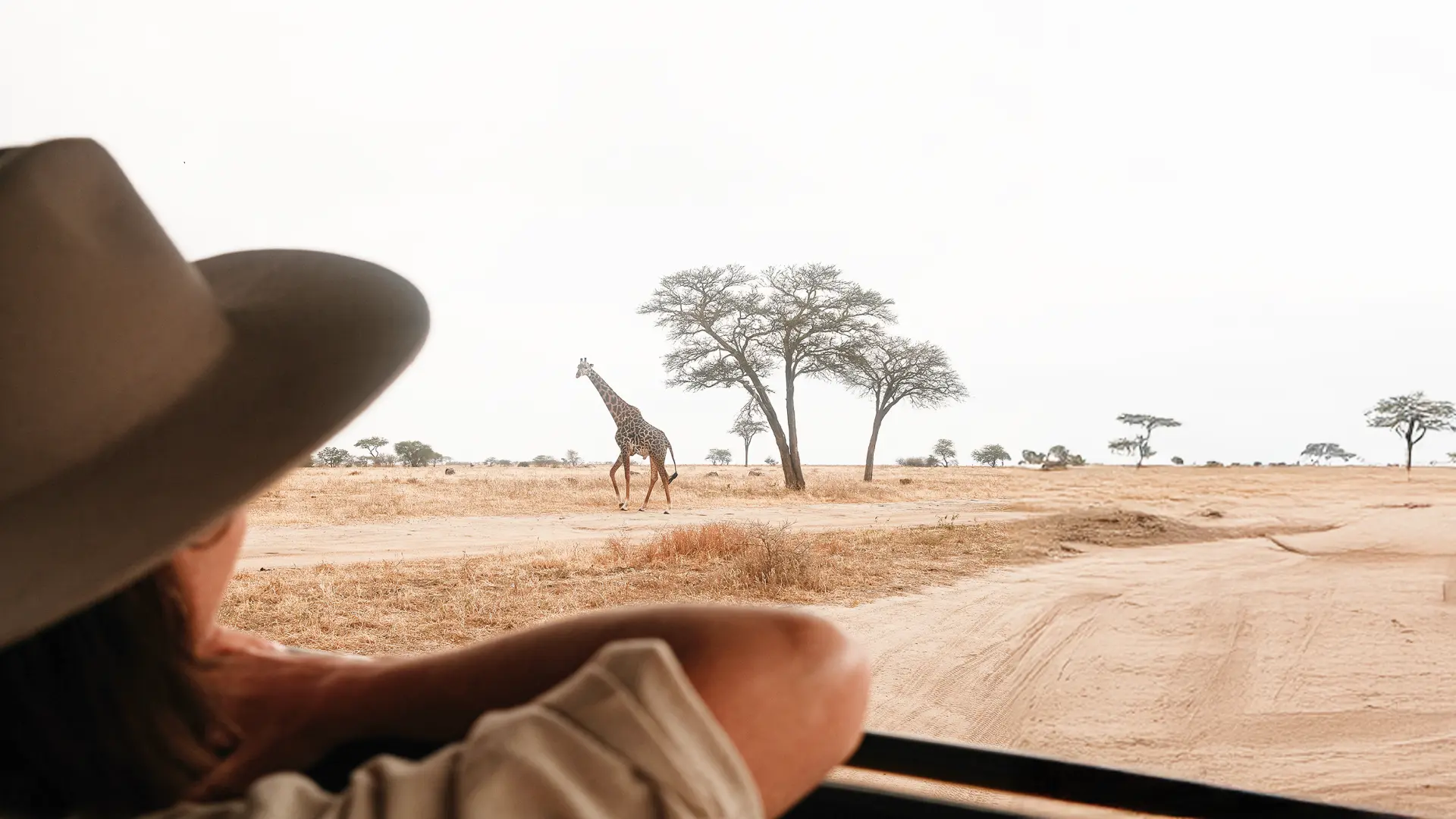
When Is the Best Time To Visit Serengeti?
There is really no bad time to visit the Serengeti National Park. Wildlife is present all year round, and every season offers something different.
The main rainy season runs from March to May. Travel can be a bit more challenging during this time. But many experienced travellers still love it. The landscape turns green and fresh. There are fewer visitors. And many lodges offer lower rates.
If you want to see the Great Migration, timing is important. The huge herds move in a cycle across the park, depending on rainfall.
From around December to May, you will usually find the herds in the southern Serengeti. This is also calving season, especially in January and February, when many wildebeest give birth.
In June and July, the migration moves towards the Western Corridor. This is when you may see the dramatic Grumeti River crossings.
From August to October, the herds are mostly in the northern Serengeti. This is the best time to see the famous Mara River crossings. In November, the herds begin moving back through the central and transitional areas like Lobo, before the cycle starts again.
Keep in mind that following the migration also means moving with the crowds.
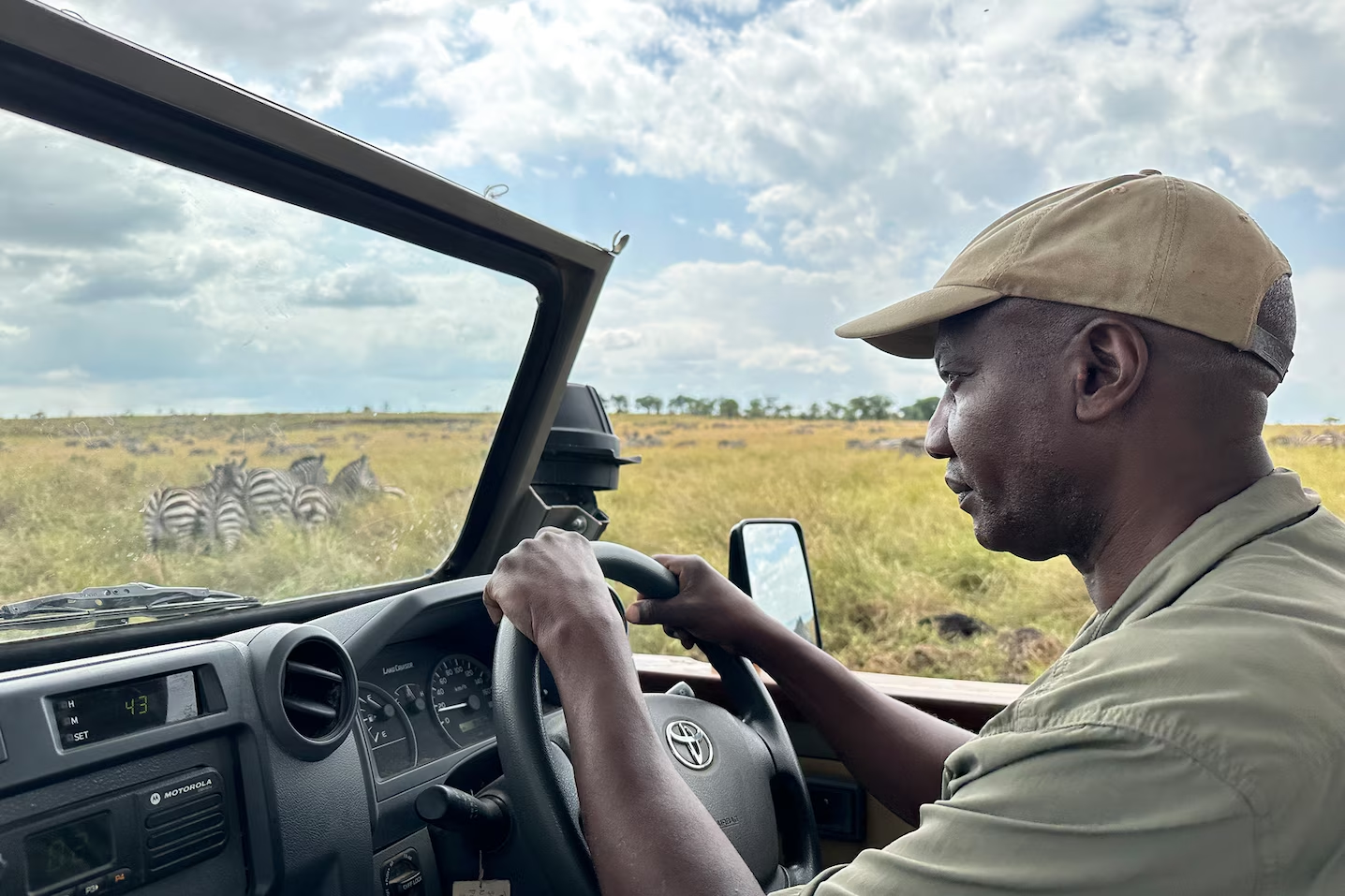
How Do You Get Around in Serengeti National Park?
Once you are in the Serengeti, the best way to get around is in a 4×4 safari vehicle. The park is vast, and most roads inside are not paved.
They can be rough, dusty, and sometimes muddy depending on the season. If you are on a guided road safari, you will usually stay with the same vehicle and driver throughout your trip. This makes the experience smooth and easy, as your guide knows the area and tracks wildlife along the way.
If you fly into a camp or lodge, your game drives are done with a resident guide from that property. They know the local area very well and take you out on daily safaris.
If you choose a self-drive safari, you will explore the park on your own. You will need to plan your routes carefully and drive slowly, as the conditions can be challenging.
For something completely different, a hot air balloon safari gives you a bird’s-eye view of the Serengeti. Floating over the plains at sunrise is a peaceful and unforgettable way to see the park from above.
How many days is enough in Serengeti?
There is no single right answer. It depends on your time, budget, and how deeply you want to explore the Serengeti. Most travellers stay between 3 and 5 days. This usually gives you two to four nights inside the park, which feels like a good balance.
Because the Serengeti is large and takes time to reach, anything less than three days often feels too short. You spend a lot of time travelling, and not enough time on safari.
On the other hand, many visitors feel that 5 days is enough to see a lot of what they came for. In this case, people often stay in two different areas to experience different parts of the park.
That said, the Serengeti is huge. If you love wildlife, photography, or birds, you could easily stay longer. Many travellers also visit the Serengeti as part of a longer safari in Tanzania.
A typical trip combines it with Ngorongoro, Tarangire, and Lake Manyara. This creates a well-balanced experience with different landscapes and wildlife in one journey.
Is Serengeti National Park Safe To Visit?
Yes, Serengeti National Park is generally very safe to visit. It is one of Africa’s most established safari destinations. If you travel on an organised safari, you will always be accompanied by an experienced local guide or driver who takes care of your safety throughout the journey.
Self-driving is also possible, and it is usually safe if you are well prepared. You will need a strong 4×4 vehicle and some experience with rough road conditions. Navigation can be tricky because there is very little signage inside the park and maps are not always fully accurate. It is also important to be ready for small challenges like punctures or minor mechanical issues. A local SIM card or eSIM with data is highly recommended so you can stay connected if needed.
When it comes to wildlife, you do not need to be afraid. Animals are used to safari vehicles. However, you should always stay cautious around elephants, especially if they seem unsettled or protective. You should never leave your vehicle except in designated areas like gates or lodges. If you go on a walking safari, always follow your guide’s instructions carefully.
As in much of East Africa, malaria precautions are recommended in the Serengeti. It is also a good idea to carry mosquito repellent, especially in the evenings.
How Can You Avoid the Crowds in Serengeti National Park?
The Serengeti is huge, so it rarely feels crowded like the nearby Masai Mara in Kenya. Still, there are a few moments and areas where you will notice more vehicles. The first is Seronera. This central area is famous for big cat sightings.
When a lion or leopard is spotted, many safari vehicles can gather quickly. It can feel busy for a short time. The second is wherever the Great Migration is happening. When the herds arrive in one area, many vehicles naturally follow. This is when you are most likely to see more activity on the roads.
If you want a quieter experience, it helps to avoid spending too much time in Seronera. A better approach is to split your stay between different areas of the park. This spreads out your safari experience and reduces time in the busiest zones.
Timing also makes a big difference. April and May are the quietest months. There is more rain, but the park is beautiful and green. The crowds are smaller, and large wildebeest herds are often still in the southern and western areas.
If you visit during busier months, go out early. Game drives can start from 6 AM. By 7:30 AM, most vehicles are already on the road. Early mornings are the best time anyway. The light is soft, animals are active, and the park feels calm and peaceful.
What Are the Best Places To Stay in Serengeti?
There are many places to stay inside Serengeti. In total, there are around 50 permanent lodges and camps, plus several mobile camps that move with the Great Migration. These mobile camps change location throughout the year to follow the movement of the wildebeest.
Many of the lodges are located in the central Serengeti around Seronera. This area is well known for excellent wildlife viewing, especially big cats. It is also one of the busier parts of the park, as many travellers stay here. Most accommodation inside the Serengeti consists of small, high-quality bush camps. These are often luxury-style and include meals and game drives as part of a full safari experience, especially for fly-in guests.
There are also a few larger lodges that offer more standard hotel-style comfort. These are less common but still provide a good level of service. Budget accommodation inside the park is very limited. Options are mostly restricted to basic resthouses in Seronera and a few public campsites.
Because the Serengeti is surrounded by protected areas, there are only a few places where you can stay outside the park and visit on day trips. One of the main exceptions is the Lake Victoria side, where a small number of accommodation options can be found.
What Facilities Are There In Serengeti?
Facilities in the Serengeti National Park are quite limited outside the lodges and camps. This is a true wilderness area, so you should not expect towns or full services inside the park.
The main exception is Seronera. Here you will find a small visitor centre. It is simple but useful. There is a small coffee shop, a picnic area, and a small museum. There is also a wooden walkway with outdoor displays that explain the park and its wildlife.
If you are self-driving or self-catering, Seronera is also the main service point in the park. You will find a fuel station, a small bar, and a few grocery shops. The shops are basic, so it is best not to rely on them for full supplies. Apart from this, facilities are very limited.
There are public toilets at the park entrance gates, and a network of airstrips used for scheduled and charter flights. In general, the Serengeti is designed to stay wild and natural.
What Are the Costs for Visiting Serengeti National Park?
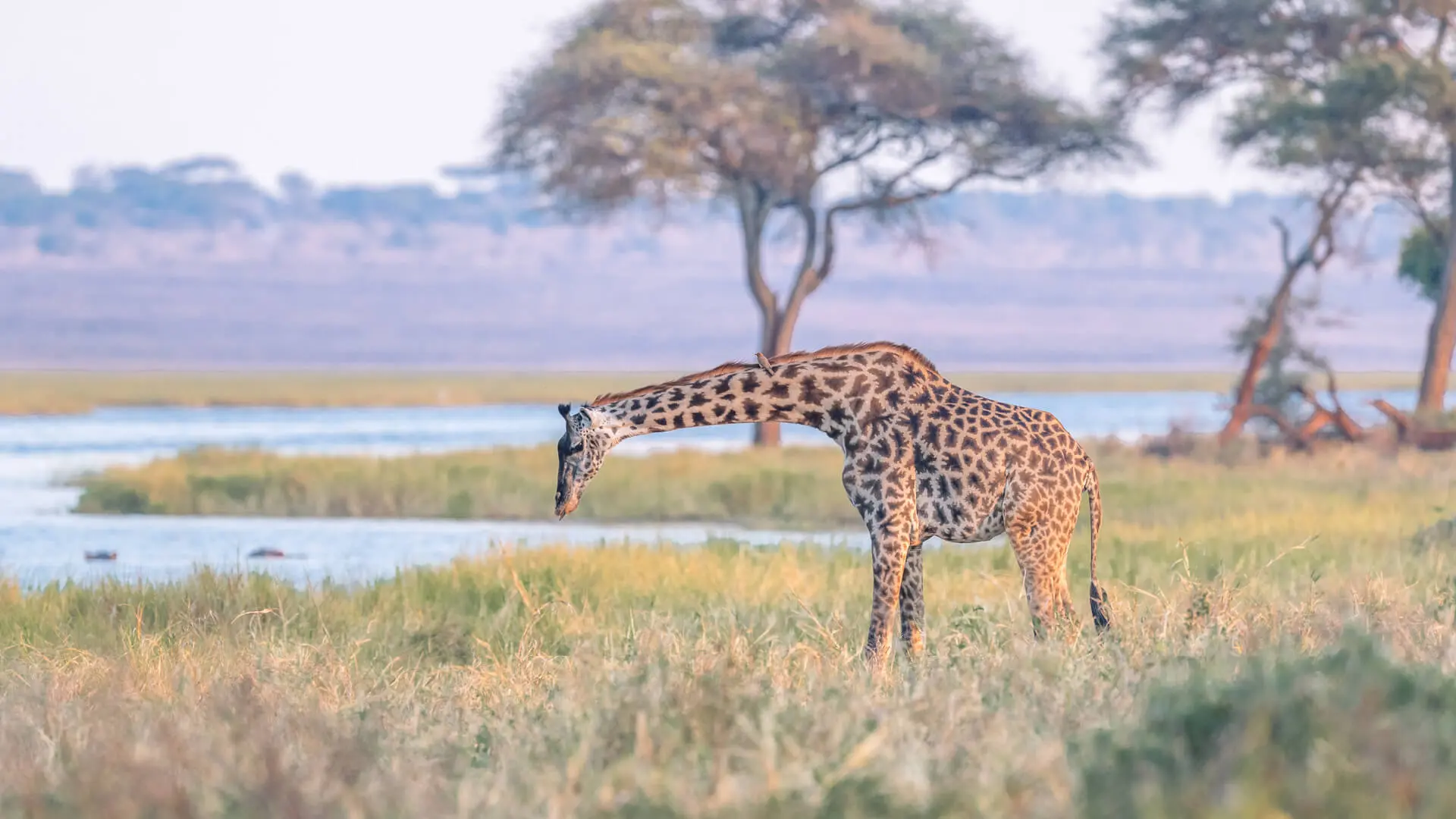
The cost of a Serengeti safari depends on a few key factors. These include how long you stay, your group size, and the type of accommodation you choose. It also depends on your travel style.
For example, whether you combine Serengeti with other parks, stay in central areas like Seronera or travel further into remote regions, and whether you fly or drive from Arusha.
For budget camping safaris, you can expect to pay around US$200 to US$300 per person per day. This usually includes basic camping and some nights inside the Serengeti.
For mid-range safaris using comfortable tented camps or lodges, the cost is usually between US$300 and US$500 per person per day.
Luxury Serengeti safaris vary more widely. They typically start from around US$500 per person per day and can go well above US$1,000, depending on the level of exclusivity and comfort.
In general, the Serengeti offers options for different budgets, but the experience is always focused on high-quality wildlife viewing and time in nature.
Greenway nature tours
We are a fully licensed tour company accredited by the Uganda Tourism Board. We design and operate safaris in Uganda and East Africa. Our operations are based in Kampala, Uganda, the heart of our safari planning and coordination. Though our company was officially established in 2025, our team brings deep, hands-on knowledge of East Africa.
Destinations
Favourite Tours
Help & Info
- About us
- Travel Blog
- Travel FAQS
- Gorilla Permits Bookings
- Contact Us
- Pay Online