Uganda Gorilla Trekking Tours and Expert Guide
Uganda gorilla trekking Gorilla Safaris
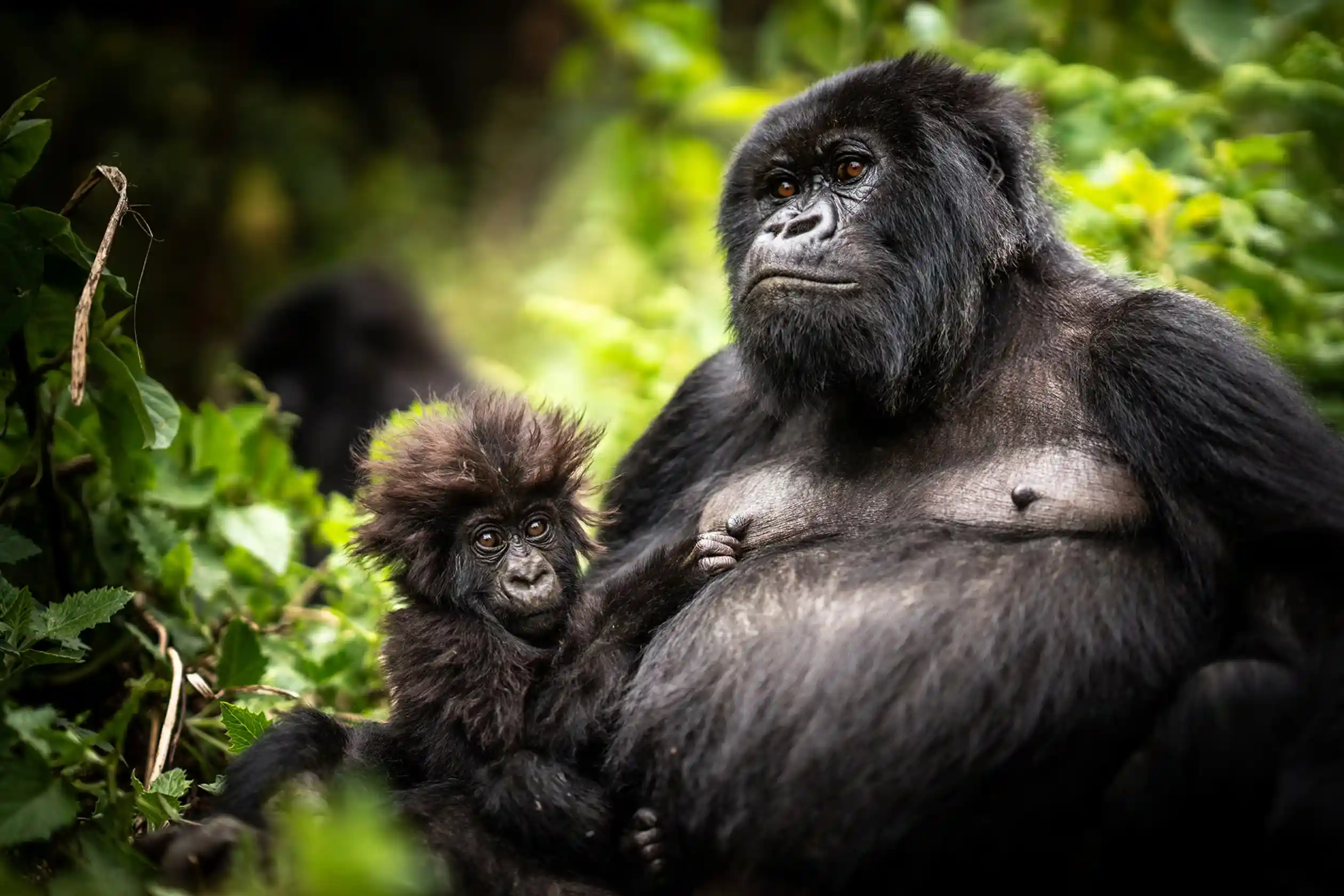
A Uganda gorilla trekking tour is one of the most impressive nature experiences in Africa. Deep in the ancient rainforest jungles of Bwindi Impenetrable National Park and Mgahinga Gorilla National Park live half of the world’s remaining mountain gorillas. During a carefully guided trek, you come face to face with these peaceful giants in their natural habitat. Gorilla trekking is more than a bucket-list activity; it is a transformative experience. The physical effort, the conservation efforts behind it, and the raw, breathtaking beauty of the encounter makes it one of the most profound adventures on Earth. It is memory that will stay with you forever.
Greenway Nature Tours
At Greenway Nature Tours Africa, we specialize in private gorilla trekking tours in Uganda and Rwanda. Our travel specialists have personally completed multiple gorilla trekking experiences, giving us first-hand knowledge of every step of the journey. We know how the trek unfolds, which accommodation offer the best locations, and what you can realistically expect during your adventure. This allows us to provide honest, practical, and personalized advice, helping you choose the gorilla safari that best matches your interests, travel style, and budget.
Best gorilla trekking trips in Uganda
The tour packages below have been selected by our specialists. Naturally, all trips can be fully customized to your wishes. For more information, please feel free to call or email us.
Gorilla Trekking areas in Uganda
In Uganda, you can go gorilla trekking in two national parks: Bwindi Impenetrable National Park and Mgahinga Gorilla National Park. Both offer a completely different experience from a traditional safari. Instead of searching for wildlife from a vehicle, you hike through the rainforest with experienced park rangers in search of a habituated gorilla family.
Bwindi Impenetrable National Park
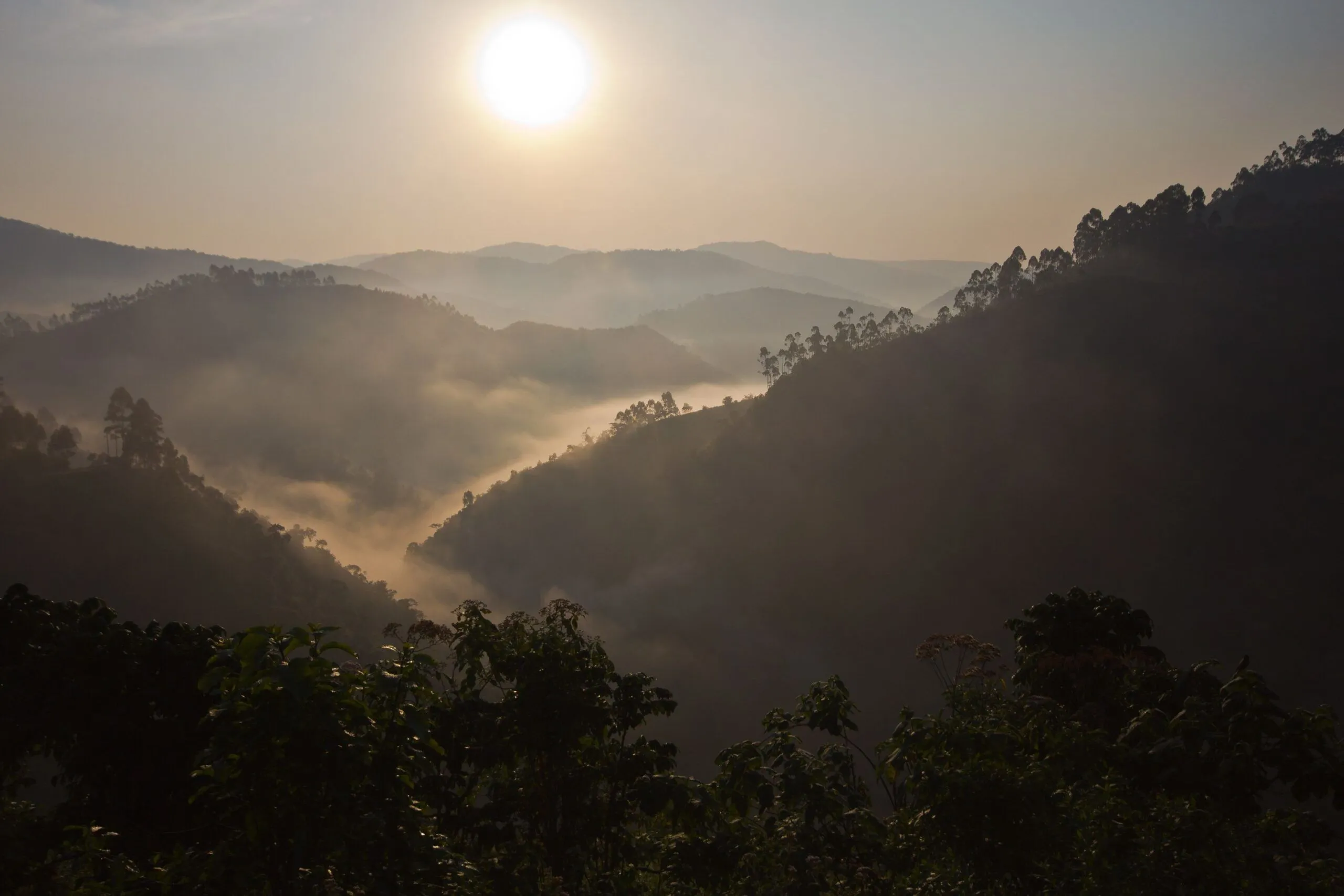
Most gorilla treks in Uganda take place in Bwindi. This ancient rainforest in southwestern Uganda is home to nearly half of the world’s remaining mountain gorillas. The park is divided into four trekking sectors: Buhoma, Ruhija, Rushaga, and Nkuringo. Each sector has its own gorilla families, trekking permits, and accommodation options. Buhoma is the most popular sector and is the best choice if you are arriving from Queen Elizabeth National Park. It offers the widest range of accommodation, from comfortable lodges to luxury camps. Rushaga is the easiest sector to reach from Kigali, Rwanda or Kisoro. It has the highest number of gorilla permits available and is the only place in Uganda where you can enjoy the Gorilla Habituation Experience. Nkuringo offers some of the most spectacular scenery in Bwindi. The treks are often more challenging, but the smaller number of visitors makes the experience feel quieter and more exclusive. Ruhija is known for its peaceful atmosphere and excellent birdwatching. It is a great choice for nature lovers, although it has fewer accommodation options than the other sectors.
Carefully selected locations
Every gorilla permit booked through Greenway Nature Tours is linked to a specific trekking sector and starting point. We carefully plan your itinerary around this location, ensuring you stay close to where your trek begins. This gives you a relaxed start to the day and avoids long, unnecessary drives before your gorilla trek.
Many travelers underestimate the distances between Bwindi’s four trekking sectors. Although they are all within the same national park, road transfers can take anywhere from one to six hours, depending on the route and road conditions. Choosing the right lodge can therefore make a big difference to your overall experience. Some sectors are close enough to combine. For example, staying in Rushaga while trekking in Nkuringo is very practical, and Buhoma and Ruhija also work well together. Longer combinations, such as Buhoma and Rushaga, are not recommended because the drive can take up to six hours. That is why we always plan your gorilla permit, accommodation, and route as one complete package, ensuring a smooth, comfortable, and enjoyable gorilla trekking experience.
Gorilla Trekking Permits in Uganda
A gorilla permit is required for every gorilla trek in Uganda. The standard permit costs USD 800 per person. During the low season, in April, May, and November, the price is reduced to USD 600 per person. While the permit is a significant investment, it is much more than an entrance ticket. It gives you the opportunity to spend one unforgettable hour with a family of wild mountain gorillas. At the same time, your permit directly supports gorilla conservation. The revenue helps the Uganda Wildlife Authority (UWA) protect the national parks, monitor gorilla families, and support local conservation efforts. Thanks to these programs, the mountain gorilla population has continued to grow over the years. The number of permits available each day is limited, and they often sell out months in advance. Booking early through Greenway Nature Tours is therefore essential, especially if you wish to go on a specific date or are traveling with multiple people.
How To Prepare For Gorilla trekking
A trek requires some preparation. We advise you to bring the following:
- Sturdy, broken-in hiking boots.
- (Garden) gloves for extra hand protection.
- A lightweight and breathable raincoat; it is still the rainforest, after all.
- Long pants to protect your legs
- Long-sleeved shirt to protect your hands
- Sufficient water
- A porter who carries your backpack (for an additional fee) and supports you on steep or slippery sections.
The minimum age for gorilla trekking is 15 years. A reasonable level of fitness is recommended, as the trek takes place at altitudes of 2,000–2,500 meters, and the trails can sometimes be steep, muddy, and uneven. The length of the trek varies each day. You may find the gorillas within an hour, or it may take several hours. The reward is always special.
What to expect on the day of gorilla trekking?
Your day begins early. At 6:00 am, you leave your lodge with a packed lunch and drive to your assigned trekking sector. After checking in, your passport and permit are verified, and you receive a detailed briefing from the Uganda Wildlife Authority rangers. You will then be assigned to a gorilla family, based on your fitness level.
In a small group of no more than eight visitors, you set off into the rainforest with your ranger guide. The first part of the walk is usually easy, but before long the trail disappears into the dense forest. The air is cool and humid, the vegetation thick, and the terrain can be steep, muddy, and uneven. Meanwhile, trackers deep in the forest stay in contact with your guide as they monitor the gorillas’ movements.
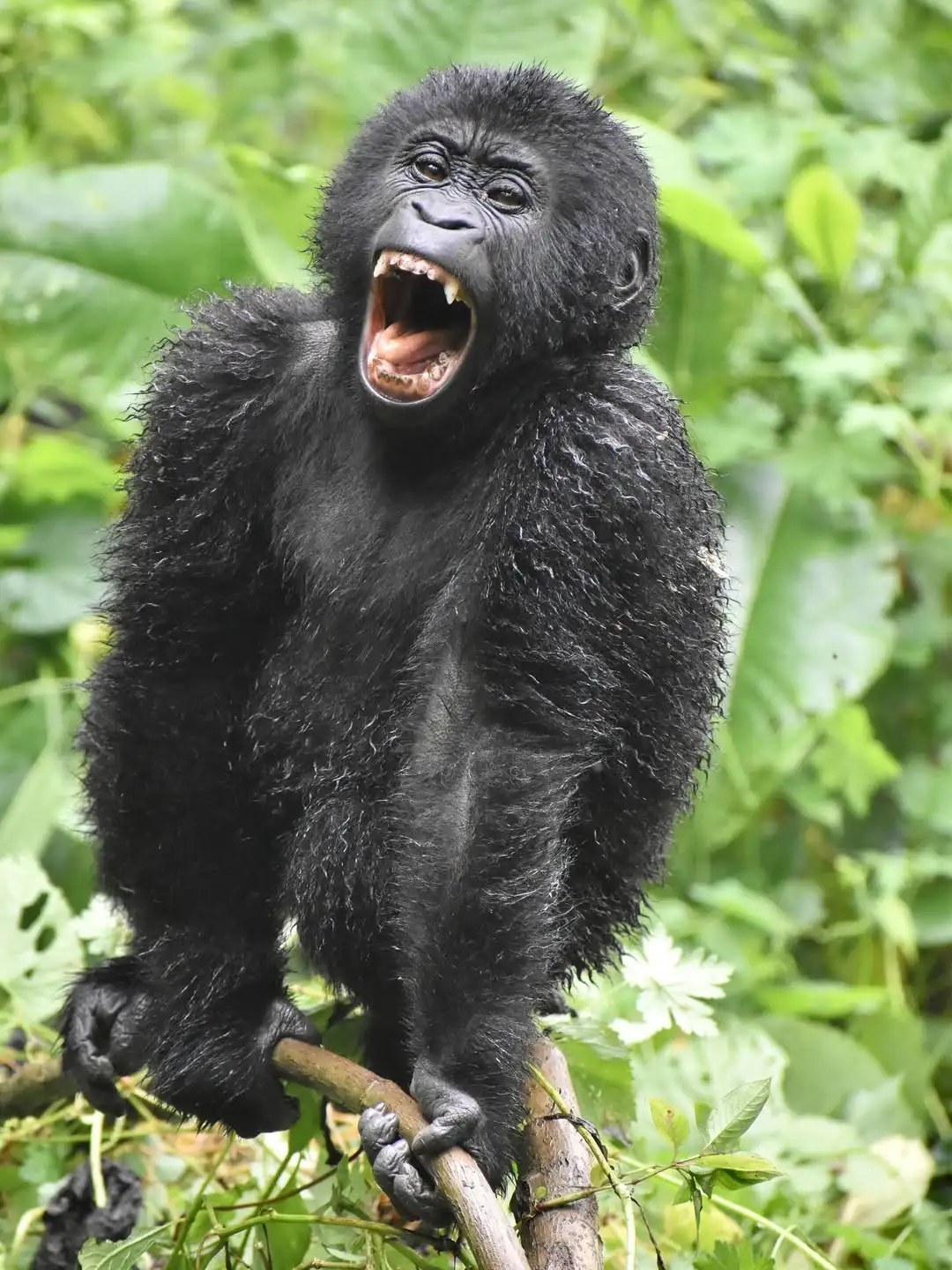
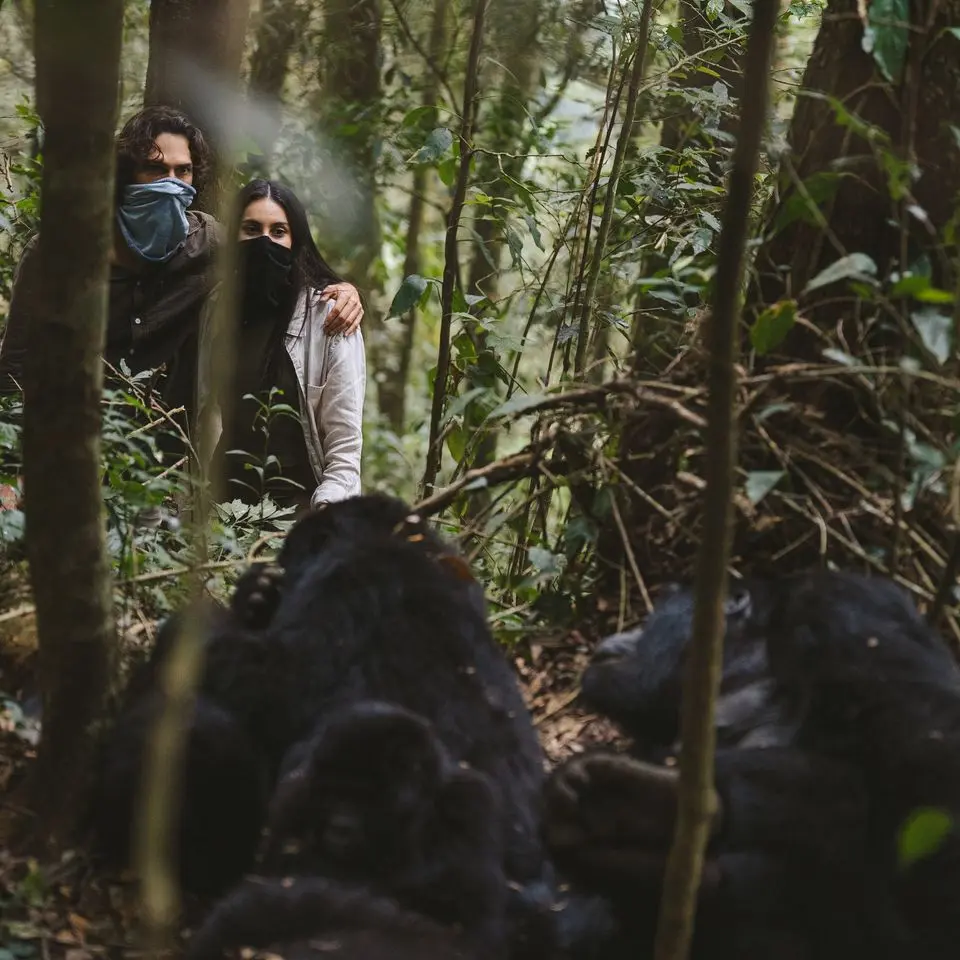
Once the gorillas are located, your guide leads you forward slowly and carefully. Then comes the moment you have been waiting for. Through the thick vegetation, you catch your first glimpse of a gorilla. A youngster plays among the vines, a mother calmly feeds nearby, while the powerful silverback quietly watches over his family. For one unforgettable hour, you observe these remarkable animals from a safe and respectful distance.
Best Time to Go Gorilla Trekking
Dry Season: You can go gorilla trekking in Uganda at any time of the year because mountain gorillas remain in the forest throughout the year. Uganda lies on the Equator and has two dry seasons and two rainy seasons. The most popular time to visit is during the dry seasons, from December to February and June to September. During these months, the weather is generally more stable, and the forest trails are usually drier and easier to walk. Although this is still a tropical rainforest and rain is always possible, conditions are often more comfortable for trekking.
Rainy Season: The remaining months make up Uganda’s short and long rainy seasons. During this time, the forest becomes even greener and more beautiful, and there are usually fewer visitors. Many photographers also prefer this season because of the soft natural light. The trails can be muddier and more challenging, but there is also an advantage. With plenty of fresh vegetation available, the gorillas often stay lower on the slopes, which can sometimes make the trek shorter. There is no bad time to go gorilla trekking. The best season depends on your travel plans, preferences, and permit availability. We are happy to help you choose the best time and create an itinerary that fits your interests.
Frequently asked questions
About Uganda Gorilla Trekking Tours
A gorilla trekking safari in Uganda is no ordinary trip. We understand that you might have so many questions. We have already answered the most important questions for you below. Do you have another question? Feel free to ask it via the chat.
Is gorilla trekking worth the cost?
For most visitors, the answer is a resounding yes. Gorilla trekking is a premium wildlife experience, and the permit cost reflects both its exclusivity and its commitment to conservation. While the overall trip requires a significant investment, many travellers consider it one of the most rewarding wildlife experiences in the world. The value extends far beyond the one-hour gorilla encounter. Visitors have the rare opportunity to observe a gorilla family in its natural habitat, witnessing everything from playful juveniles and nurturing mothers to the quiet confidence of a dominant silverback.
These intimate moments create memories that last a lifetime. Importantly, permit fees play a vital role in protecting endangered mountain gorillas and preserving their forest habitat. They also support local communities, park management, and conservation initiatives, ensuring that tourism directly contributes to the long-term survival of the species. Combined with the breathtaking beauty of the rainforest, the expertise of experienced guides, and the privilege of observing one of our closest relatives in the wild, gorilla trekking offers an experience that many travellers feel is truly worth the investment.
How long does a gorilla trek take?
Every gorilla trek is different. The time it takes to find the gorillas depends on where the family is in the forest that day. On average, the search takes 1 to 4 hours, although it can sometimes be shorter or longer.
Once you reach the gorillas, you will spend one hour with them. This gives you plenty of time to observe their behavior, take photographs, and simply enjoy the experience. After your visit, you will hike back to the starting point with your ranger guide.
Because no one knows exactly where the gorillas will be each day, every trek feels like a true adventure. And when you finally come face to face with these gentle giants, every step of the journey becomes worthwhile.
How strenuous is a gorilla trek?
A gorilla trek is manageable for most travelers. Each trek is carefully organised based on your fitness level. However, it is good to take into account hilly terrain, muddy paths, and stretches of dense jungle. The duration of the trek varies from day to day. The gorillas move freely through the rainforest, so you never know exactly where they are in advance. Sometimes you reach them within an hour, sometimes it takes longer.
Along the way, the rangers adjust the pace to the group, and there is plenty of opportunity to catch your breath in between. Additionally, you can hire a local porter who helps on difficult sections and can carry your bag if needed.
Top physical condition is absolutely not necessary. A reasonable basic level of fitness and being comfortable walking for a few hours are usually sufficient.
And to be honest, the effort often fades completely into the background as soon as you come face to face with a mountain gorilla.
How close can you get to mountain gorillas?
During gorilla trekking, you are required to keep a minimum distance of seven meters from the gorillas. This important rule helps protect both the gorillas and visitors by reducing the risk of disease transmission.
In reality, however, the gorillas often decide how close the encounter will be. Sometimes they remain several meters away, while at other times a curious youngster or even an adult may quietly walk much closer. These unexpected moments are often among the most memorable parts of the experience.
Throughout the trek, experienced park rangers carefully monitor every encounter. They ensure that both visitors and gorillas remain safe while allowing the animals to behave naturally. This creates a respectful, authentic, and deeply personal wildlife experience unlike any other.
What is the chance that you will see gorillas?
The chance of seeing mountain gorillas during a trek is very high. In practice, that chance is above 98 percent. This is because the gorilla families are tracked daily by rangers. They usually know exactly in which area the animals are located and adjust the trek accordingly.
Still, it remains an encounter with wild animals in their natural habitat. That is precisely what makes the experience so special. You are a guest in the gorillas’ habitat, not the other way around. For most travelers, the trek ultimately ends with an encounter that often feels even more impressive than expected.
Is one hour with gorillas enough?
Yes. While one hour may seem brief at first, it is carefully designed to provide an unforgettable experience while protecting the wellbeing of the gorillas. Most visitors are surprised by just how much they see and experience within that time. Once the guides locate the gorilla family, you’ll have ample opportunity to observe their natural behaviour—watching a dominant silverback rest, juveniles play, mothers care for their infants, and family members interact with one another. The gorillas are accustomed to the presence of visitors and researchers, so sightings are often remarkably close while still maintaining the required safe viewing distance. The hour passes quickly, but it rarely feels rushed. With experienced guides managing the visit, you’ll have plenty of time to take photographs, observe the gorillas, and simply appreciate the rare privilege of spending time with one of the world’s most remarkable wildlife species. Most visitors leave feeling that the experience is complete, meaningful, and well worth the trek.
Will gorilla trekking feel overcrowded or too touristy?
No. Gorilla trekking is carefully managed to ensure the experience remains intimate, respectful, and focused on conservation rather than mass tourism. Each gorilla family is visited by a maximum of eight people per trek, helping to minimise disturbance and create a more personal wildlife encounter. Experienced guides and rangers strictly enforce viewing rules, including maintaining a safe distance, limiting viewing time, and ensuring visitors behave responsibly around the gorillas. Rather than feeling like a typical tourist attraction, the experience feels like a rare privilege. There is no competition for the best photographs or pressure from large crowds. Instead, visitors are encouraged to observe quietly, appreciate the gorillas in their natural habitat, and enjoy an authentic encounter that prioritises the welfare of the animals above all else.
How many gorilla families are there in Uganda?
Uganda now has more than twenty gorilla families that can be visited during a gorilla trekking. These families live scattered across Bwindi Impenetrable Forest National Park and Mgahinga Gorilla National Park in the southwest of the country.
Not all gorilla families are accessible to visitors. Only groups that have become accustomed to the presence of humans are opened up for trekking. This process, called habituation, often takes several years and takes place under the strict supervision of researchers and rangers.
Thanks to the growing number of gorilla families and permits, there is sufficient distribution of visitors. As a result, a trek often feels exclusive and peaceful, without large numbers of people in the forest. Moreover, every gorilla family has its own composition, behavior, and habitat. As a result, no two treks are the same.
Greenway nature tours
We are a fully licensed tour company accredited by the Uganda Tourism Board. We design and operate safaris in Uganda and East Africa. Our operations are based in Kampala, Uganda, the heart of our safari planning and coordination. Though our company was officially established in 2025, our team brings deep, hands-on knowledge of East Africa.
Destinations
Favourite Tours
Help & Info
- About us
- Travel Blog
- Travel FAQS
- Gorilla Permits Bookings
- Contact Us
- Pay Online