Uganda Travel Guide: The Pearl of Africa
Explore Uganda and experience the wonders of Africa's Pearl, from Gorilla trekking to amazing crater lakes, waterfalls, wildlife, and inspiring people.
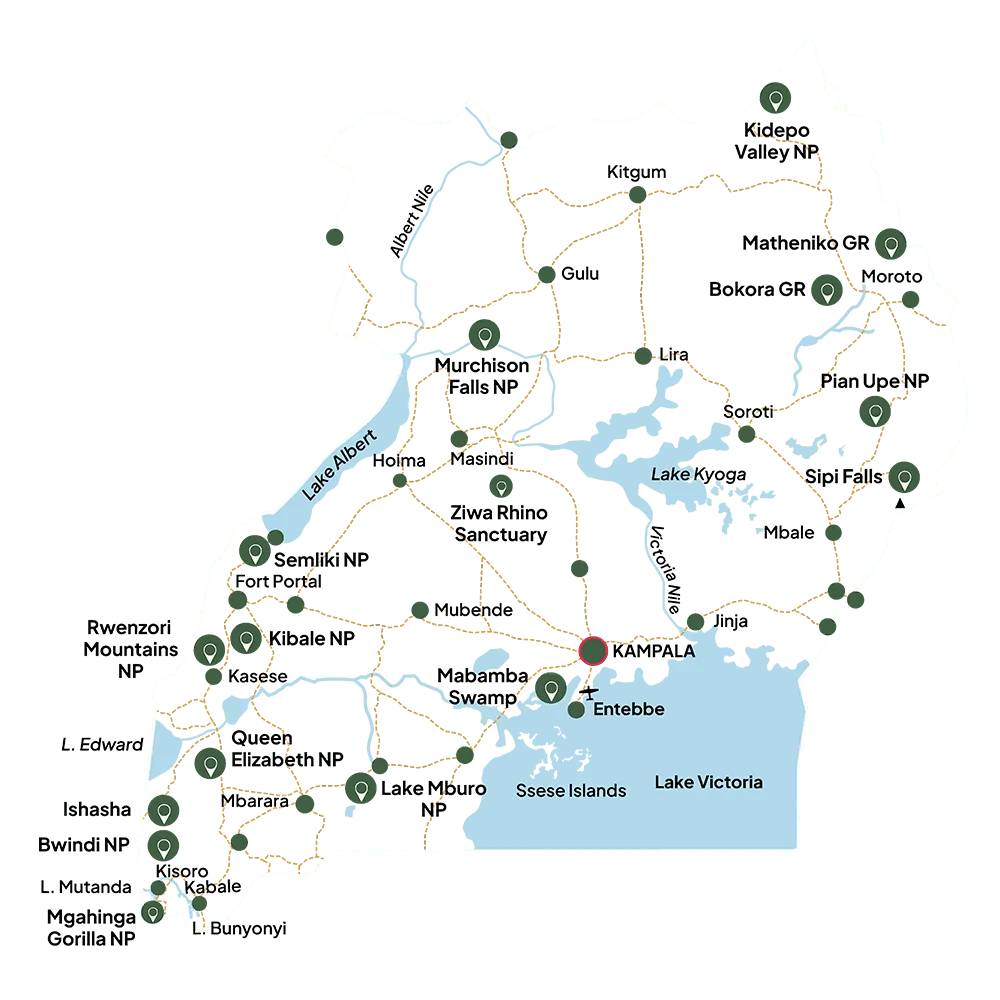
Uganda Destinations Map
Uganda At A Glance
- Location: East Africa, on the equator
- Time Zone: GMT +3
- Capital city: Kampala
- Airport: Entebbe International Airport (EBB)
- Size: 241,553 km² (roughly the size of Great Britain)
- Altitude: generally, 1,000– 1500 m above sea level
- Highest Point: Mount Stanely in Rwenzori Mountains, 5109m
- Climate: Mild and pleasant year-round, 25 –28°C
- Best time to visit: Jun-Sep (long dry), Dec–Feb (short dry), although gorilla trekking is available year-round
- Currency: Uganda Shillings (UGX) · US dollars accepted
- Visas: Online via https://visas.immigration.go.ug/
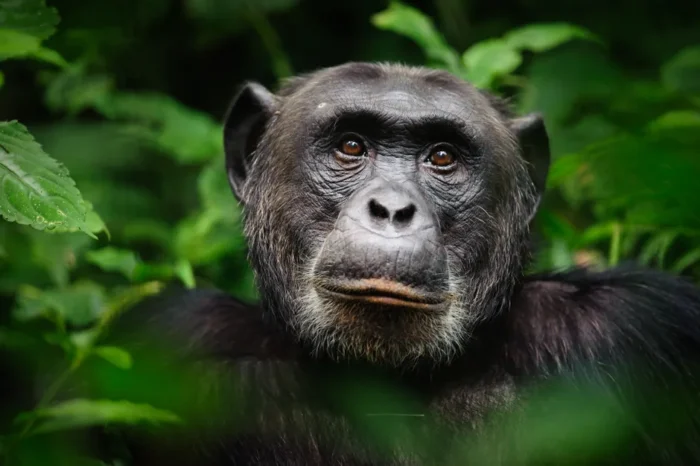
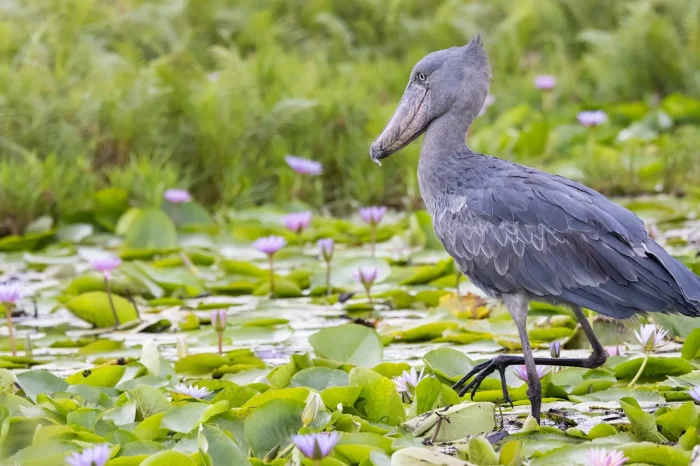
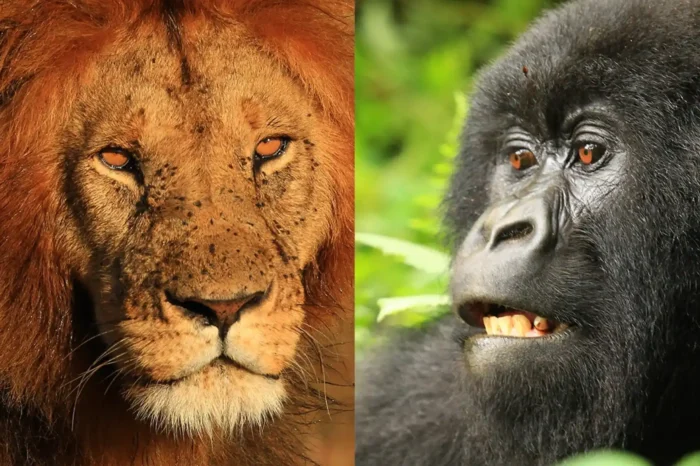
- Key wildlife: Mountain gorillas, chimps, shoebills, Big 5
What Makes Uganda So Special?
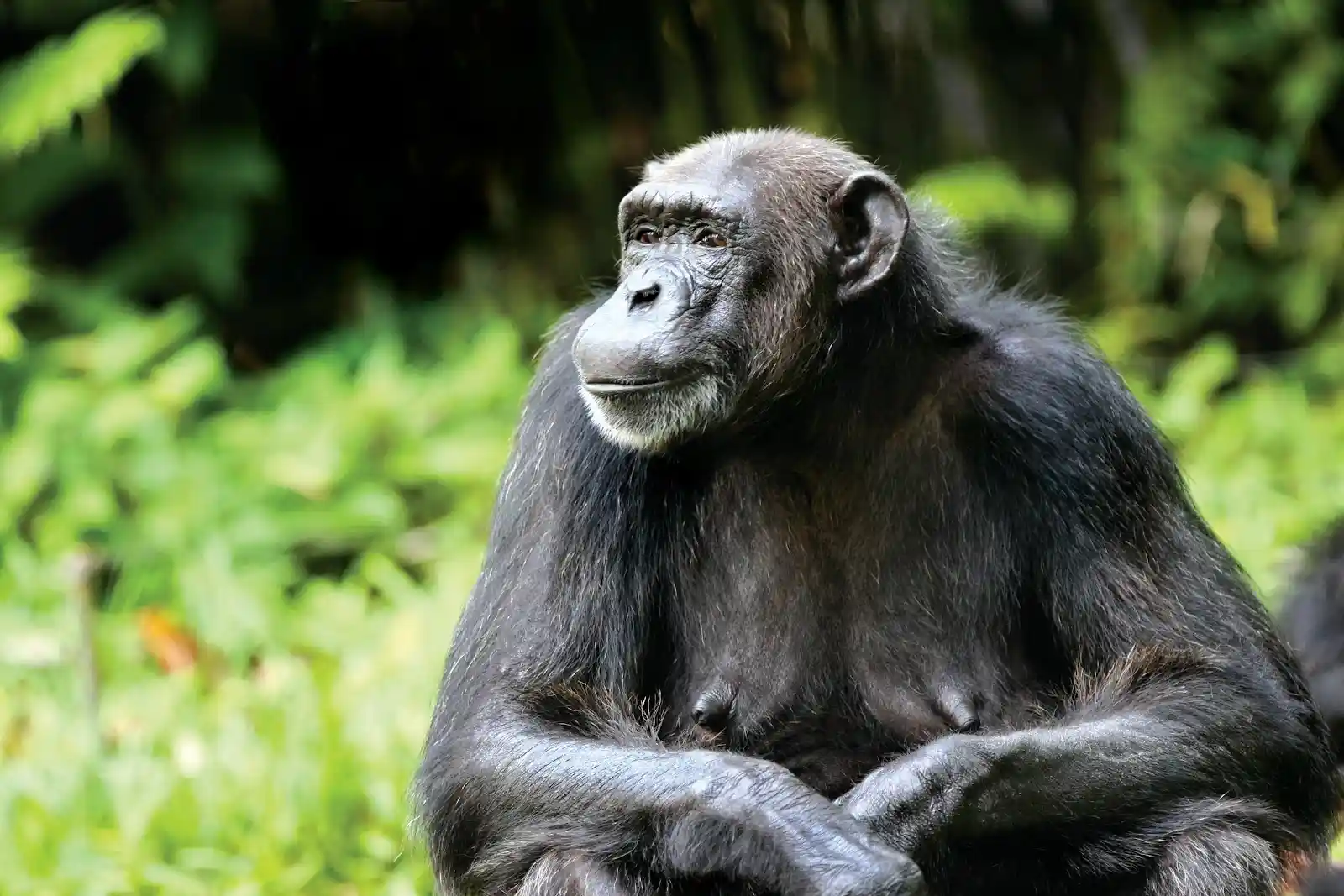
Uganda is unique. There are many reasons for that. Uganda is – along with Rwanda – the only safe place where you can visit mountain gorillas and chimpanzees. The beauty of Uganda, compared to other countries in the region, is that there is no mass tourism here.
What makes Uganda safari a truly pure experience. It almost feels like you have one of the most beautiful places on earth all to yourself. Moreover, you can visit Uganda year-round – it is beautiful in both the rainy and dry seasons. From Uganda, you can easily visit other beautiful places. For example, you can end your tour peacefully on the stunning white beach of Zanzibar.
Best National Parks In Uganda
Uganda is home to a wealth of flora and fauna. With over 400 mammal species and 1080 bird species live, you will be completely satisfied. And do not forget the great numbers of primates, butterflies, reptiles, amphibians, and plant species. You can also find these in Uganda’s nature-rich national parks. The country has 15 national parks within its borders, plus 12 so-called wildlife reserves. They are all very different from one another. For instance, one day you go into the jungle in search of the gorillas or chimpanzees, and the next day you go on a beautiful game drive on the savannah.
Other Uganda safari sights
There are many sights you can visit in Uganda. The Pearl of Africa is one of the most diverse countries on the continent. And we are not just talking about the fascinating nature, wildlife, gorilla trekking, or chimpanzee trekking. There is so much more to experience in Uganda! Below you can find all the highlights of Uganda, so that you can see with your own eyes what makes a visit to this country so special.
Frequently Asked Questions
A safari to Uganda is not something you take lightly. It is a special destination, and that requires an organization that truly suits you. To help with that choice, we have already answered the most frequently asked questions for you below.
Do you suffer from jet lag when traveling to or from Uganda?
Generally, not at all or hardly. Uganda is close to the European time zone, so the time difference is small.
During winter, there is often no time difference at all with many European countries, while in summer the difference is usually just one hour. Because of this, the body adjusts very quickly. Most travelers do not experience real jet lag, especially compared to long-haul destinations in Asia or the Americas.
What people notice more is the long travel day itself. Flights, airport transfers, and arrival times can leave you feeling a little tired at first. But in most cases, travelers settle into their normal rhythm within a day.
This is one of the reasons why Uganda feels like an easy and comfortable long-distance destination to travel to.
Is it safe to pay with a credit card in Uganda?
Yes, in most larger hotels and lodges in Uganda, you can easily pay by credit card. Credit card payments are quite common in the main tourist areas and cities.
However, it is still important to carry some cash with you. In smaller lodges, local shops, markets, or remote areas, card payments are not always possible and network connections can sometimes be unreliable.
Most travelers therefore use a mix of cash and credit cards during their trip. This gives you the most flexibility and makes traveling around Uganda much easier and more comfortable.
Which currency do you use in Uganda?
The official currency in Uganda is the Ugandan shilling (UGX). This is the currency used for most daily expenses, such as drinks, tips, souvenirs, and small local purchases. ATMs are widely available in larger towns and cities, including Entebbe and Kampala, making it easy to withdraw Ugandan shillings during your trip.
US dollars are also commonly used in the tourism industry, especially for certain activities, park fees, or tips. It is best to bring clean and relatively new US dollar notes, as older or damaged bills are sometimes not accepted.
Most travelers use a combination of credit cards, some cash in US dollars, and Ugandan shillings during their journey. This gives the most flexibility while traveling around the country.
Your guide will also assist you during the trip and can advise you on the best places to exchange money or withdraw cash when needed.
Do you need to bring cash during your tour in Uganda?
Yes, it is a good idea to carry some cash during your trip in Uganda. Small expenses such as drinks, souvenirs, snacks, or tips are often paid in cash, especially in remote areas.
Many lodges and hotels do accept credit cards for extra expenses, but this is not always guaranteed outside the main tourist areas. Network connections can sometimes be unreliable as well.
For this reason, most travelers use a combination of cash and a credit card during their tour. Ugandan shillings are useful for everyday purchases, while US dollars are widely accepted in the tourism sector.
Your guide will also assist you during the journey and can advise you on the best places to exchange money or withdraw cash when needed.
How does electricity work in Uganda?
Most lodges and hotels in Uganda have reliable electricity. Some are connected to the national power grid, while others use solar power or generators, especially in remote safari areas.
Uganda produces much of its electricity through hydroelectric power, making a large part of the country’s energy supply renewable and sustainable.
In more remote national parks and wilderness lodges, electricity may only be available during certain hours of the day or night. This is quite normal when staying deep in nature and is part of the safari experience.
Uganda uses British-style plugs with three rectangular pins (Type G sockets). Bringing a universal travel adapter is therefore recommended.
Many safari vehicles also have charging points, making it easy to charge phones, cameras, and other devices while traveling between destinations.
Can I buy a local SIM card in Uganda?
Yes, that is easy. Upon arrival at Entebbe International Airport, you can buy a local SIM card or e-SIM immediately. You can have data loaded onto it right away, so that you have access to the internet during the trip.
Many travelers choose this because it is convenient for staying in touch on the go, navigation, or sharing photos during the trip.
Your tour guide will of course also assist with this if necessary, so that everything is arranged quickly and you are online immediately.
Is there Wi-Fi in the lodges?
Many lodges in Uganda provide Wi-Fi, but the quality of the connection can vary. In remote nature areas of the country, the internet is sometimes a bit slower or less stable. That has mainly to do with the locations where you stay.
Many accommodations are situated in the middle of nature, far away from the hustle and bustle and cities. That is precisely what makes the experience special, but it sometimes also means that the connection is less strong than at home.
For most travelers, this ultimately turns out not to be a problem. In fact, many people actually find it pleasant to be less online while on the road and truly immerse themselves in the journey.
How warm is it in Uganda?
Temperatures in Uganda are quite pleasant all year round. This is due to its location around the equator and the differences in altitude within the country. During the day, the temperature is usually between 22 and 28 degrees.
In higher areas, such as around Bwindi Impenetrable National Park or Sipi Falls, it can be a bit cooler, especially in the early morning and evening. A sweater or light jacket is often pleasant there.
As a result, the heat usually feels less extreme than many people expect beforehand for a destination on the equator. It is precisely the combination of altitude, green landscape, and variety in climate that makes traveling through Uganda comfortable. Want to know more about the temperature and climate?
What clothes do you take on safari?
For a safari through Uganda, comfortable and light clothing is most pleasant. Neutral colors such as green, khaki, and beige work best, as they are less conspicuous in nature and more practical during safaris and treks.
In addition, good walking or hiking shoes or sturdy sneakers are recommended, especially if hikes or gorilla treks are on the itinerary.
The temperature difference throughout the day can vary considerably. Mornings and evenings are often chilly, while it can be warm during the day. Therefore, it is a good idea to bring a light sweater as well.
A raincoat or thin poncho is actually essential as well. Uganda is green for a reason, and a short shower is sometimes just part of the experience.
The most important thing is that clothing is comfortable and practical for the journey. Ultimately, safari is not about how it looks, but about what you experience along the way.
Can you drink tap water in Uganda?
No, it is not advised to drink tap water in Uganda. Thus, during the tour through the country, you will use filtered or bottled water, which is readily available at the accommodations and along the way.
Even during safaris and longer travel days, our tour guide ensures that there is sufficient drinking water available. This way, you hardly have to worry about it yourselves.
With that simple precaution, most travelers experience no problems with this during the trip.
Is the food safe in Uganda?
Yes. In the hotels and lodge where you stay during your Uganda safari, the food is prepared well and hygienically. Many accommodations work with fresh, local ingredients and are accustomed to international guests.
During the trip, you will mainly eat at places we know well ourselves and where quality and hygiene are important. As a result, most travelers experience the food as safe and surprisingly good.
As in many countries, it remains wise to be mindful of, for example, tap water and street food in places where hygiene is difficult to assess. Your tour guide will, of course, assist with this along the way.
In addition, Ugandan cuisine is often a combination of local and international dishes, ensuring plenty of variety and choice along the way. Read more about food in Uganda.
Is there malaria in Uganda?
Yes, malaria occurs in Uganda. That is why many travelers choose to use malaria prevention during their tour.
The best form of prevention varies by person and trip. Therefore, we always recommend making an appointment in advance with a travel doctor or vaccination center for personalized advice. They can provide appropriate advice based on your itinerary, health, and travel duration.
In practice, travelers also take simple precautions, such as using mosquito repellent and wearing covering clothing in the evening.
With the right preparation, most people travel through Uganda without problems.
Which vaccinations are required for a trip to Uganda?
For a safari tour to Uganda, a yellow fever vaccination is mandatory. You may be asked to show proof of international vaccination upon arrival.
In addition, vaccinations such as hepatitis A and, in some cases, typhoid fever are often recommended. Exactly which vaccinations are advisable depends on, among other things, the duration of the trip, the route, and personal circumstances.
Therefore, we always advise making an appointment in advance with a travel doctor or vaccination center for personal advice. They can indicate exactly what is sensible in your situation.
In addition to vaccinations, advice on malaria prevention is usually also provided.
What is the best time to travel to Uganda?
Durin
How long does a tour of Uganda take?
Durin
Can you combine a trip through Uganda with a beach?
Durin
Is it difficult to get a visa?
Durin
What is the climate like in Uganda?
Durin
What is the best time to travel to Uganda?
Durin
Is it safe to travel to Uganda?
Durin
best Uganda Safari Packages
All can be customized
From $6560 per person
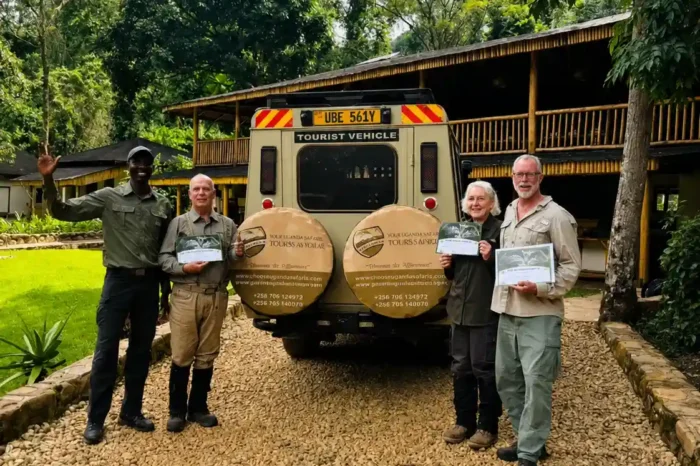
14-Day Uganda Classic Safari
Entebbe - Mabamba - Ziwa - Murchison Falls - Kibale Forest - Queen - Bwindi - Lake Mburo - Entebbe
From $5282 per person
10-Day Uganda (Primates in depth) Gorillas & chimps
Entebbe - Mabamba - Kibale Forest - Queen Elizabeth National Park - Bwindi - Lake Mburo - Entebbe

From $5957 per person
14-Day Uganda Gorillas And Zanzibar Beach Escape
Entebbe – Queen Elizabeth National Park – Ishasha / Bwindi National Park – Lake Bunyonyi – Lake Mburo National Park – Mabamba – Entebbe - Zanzibar
12 Day Best of Uganda Safari
Entebbe - Mabamba - Ziwa - Murchison Falls - Kibale Forest - Queen Elisabeth National Park - Bwindi National Park - Lake Mburo - Entebbe
10 Day Safari to See the Gorillas & The Masai Mara
Entebbe - Biwindi Impenetrable Forest - Entebbe/Mabamba- Nairobi - Masai Mara - Nairobi
Uganda Travel Guides
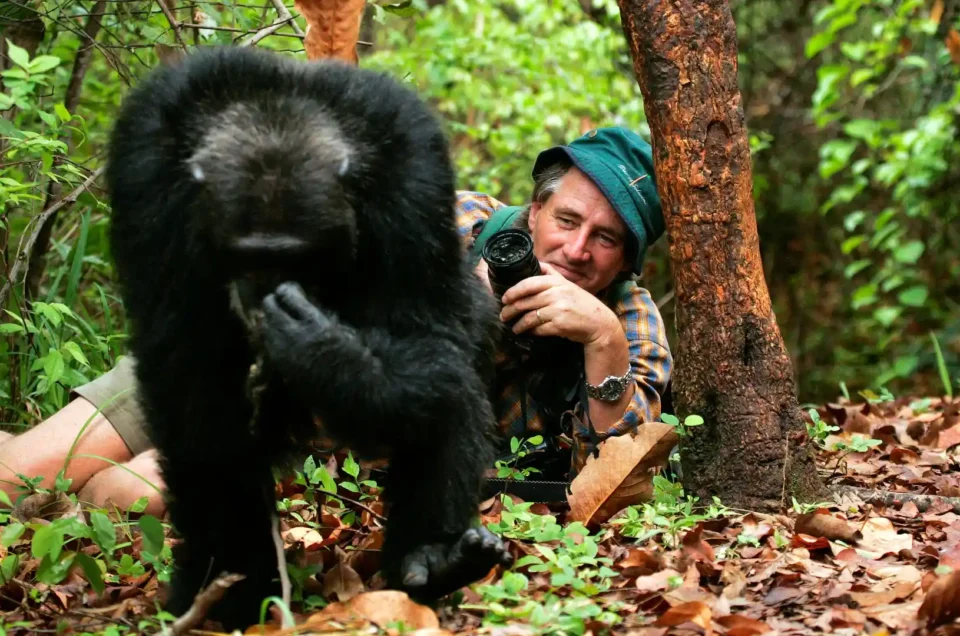
We put together a trip that suits you perfectly
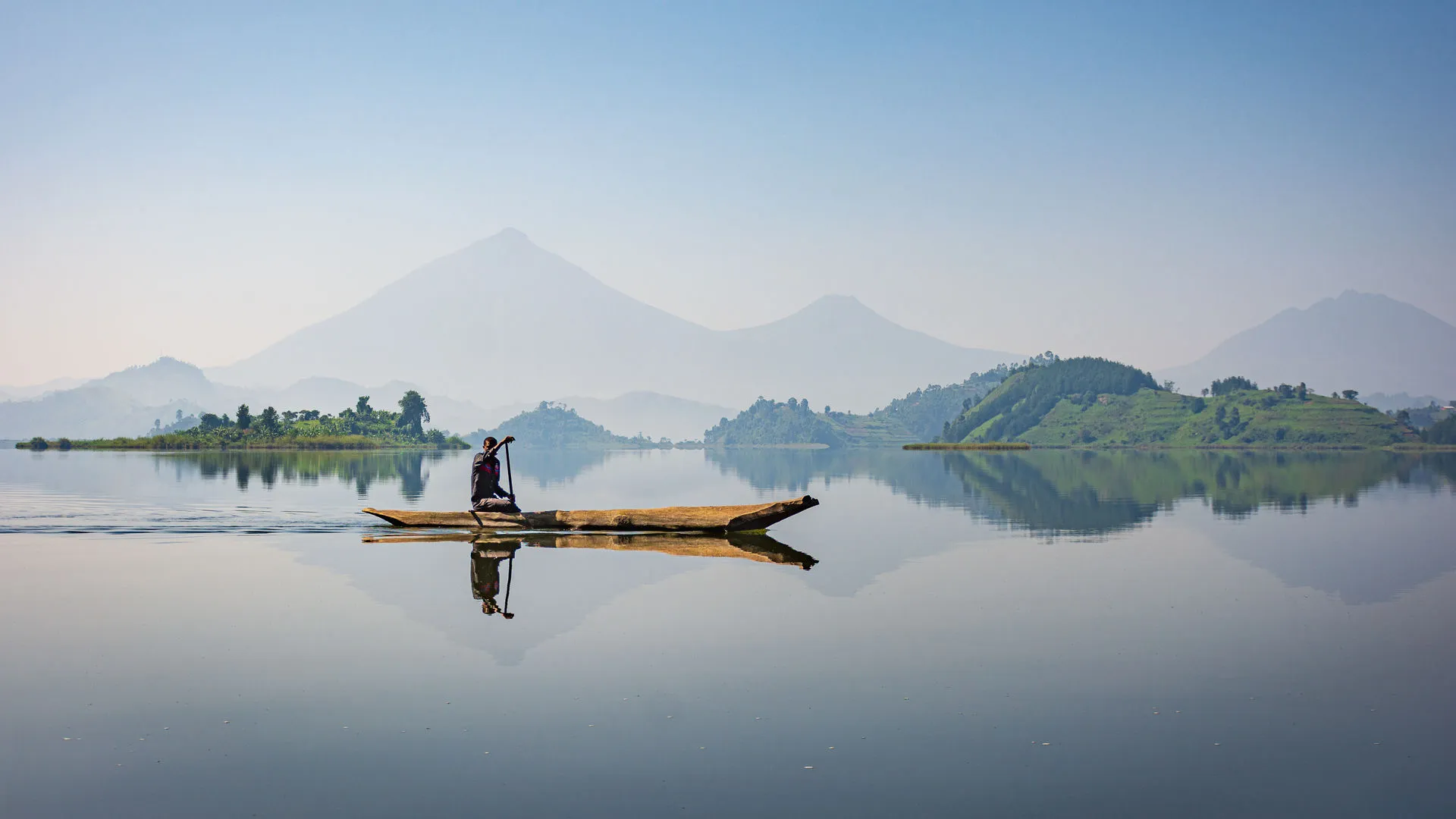
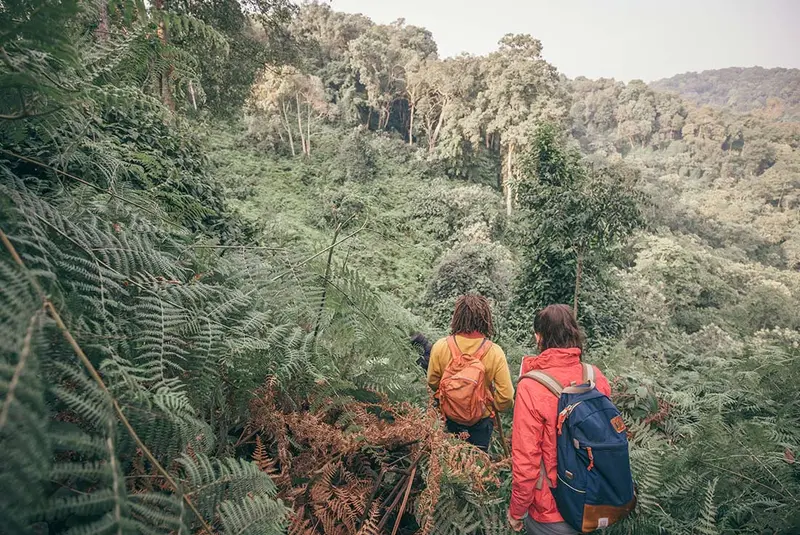
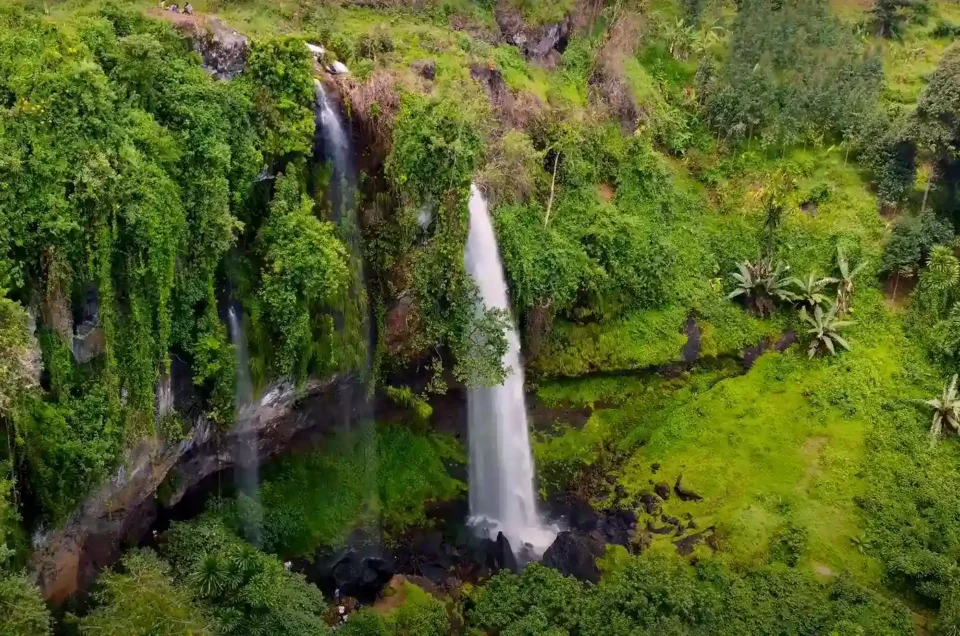
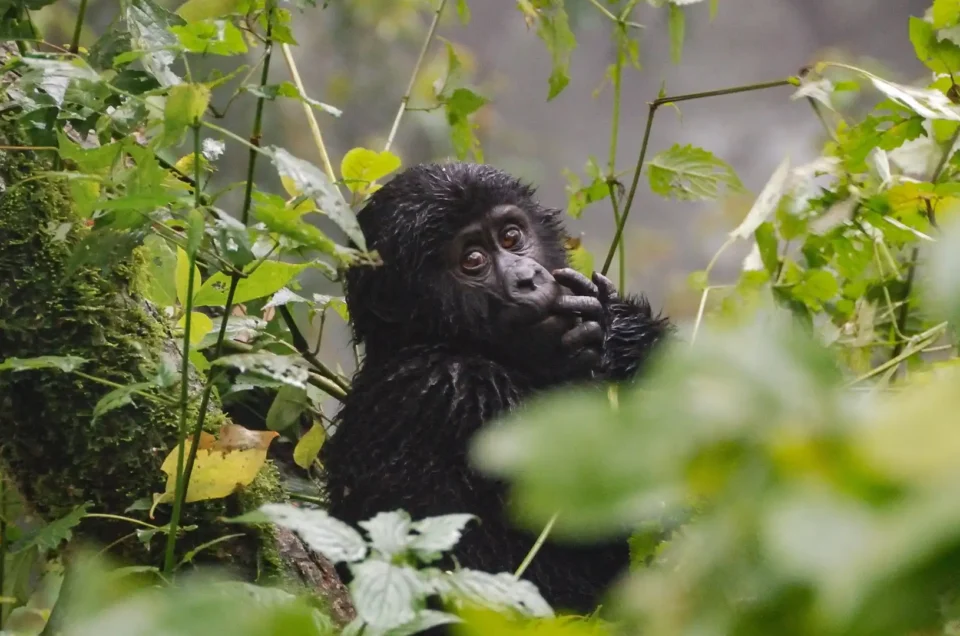
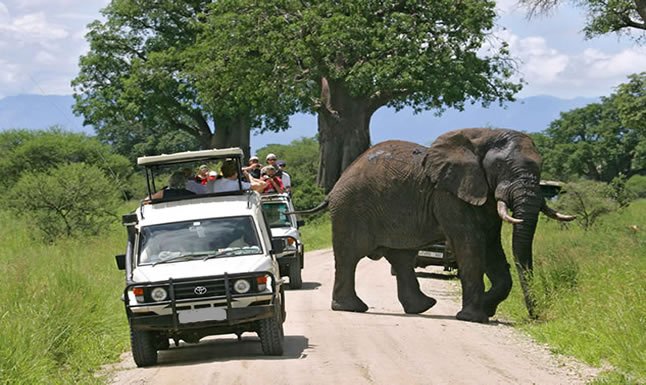
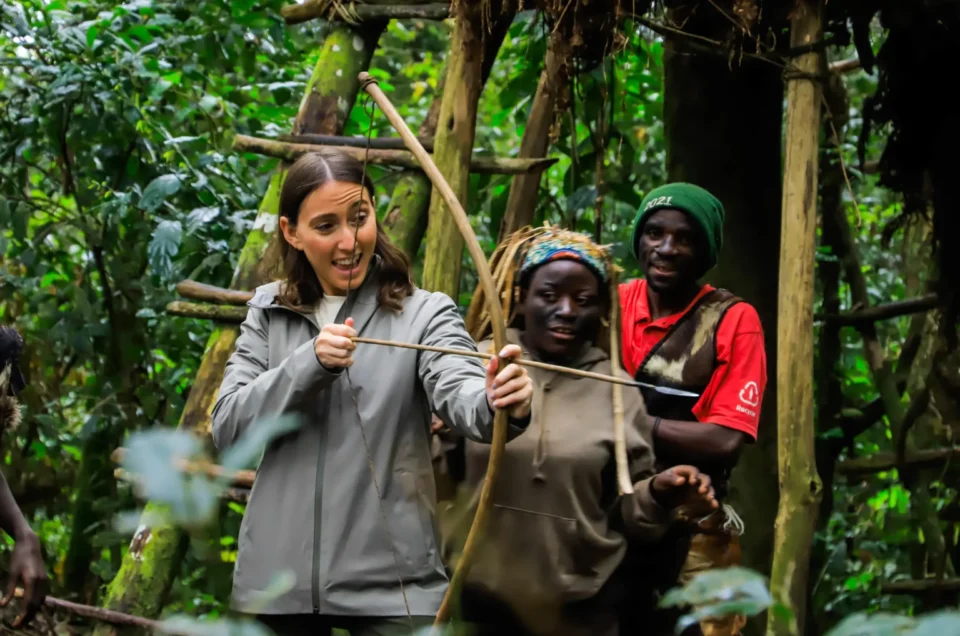
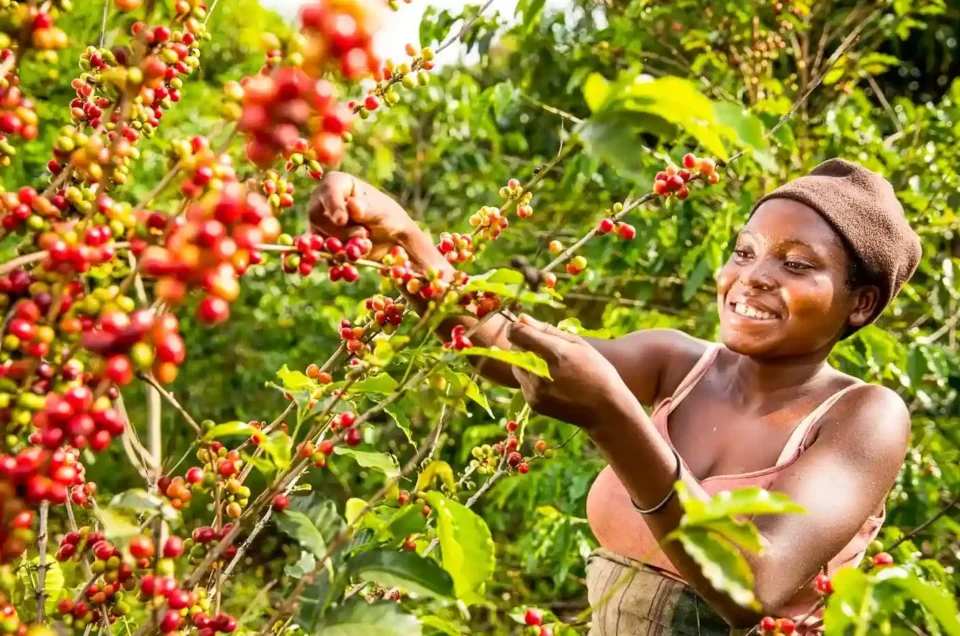
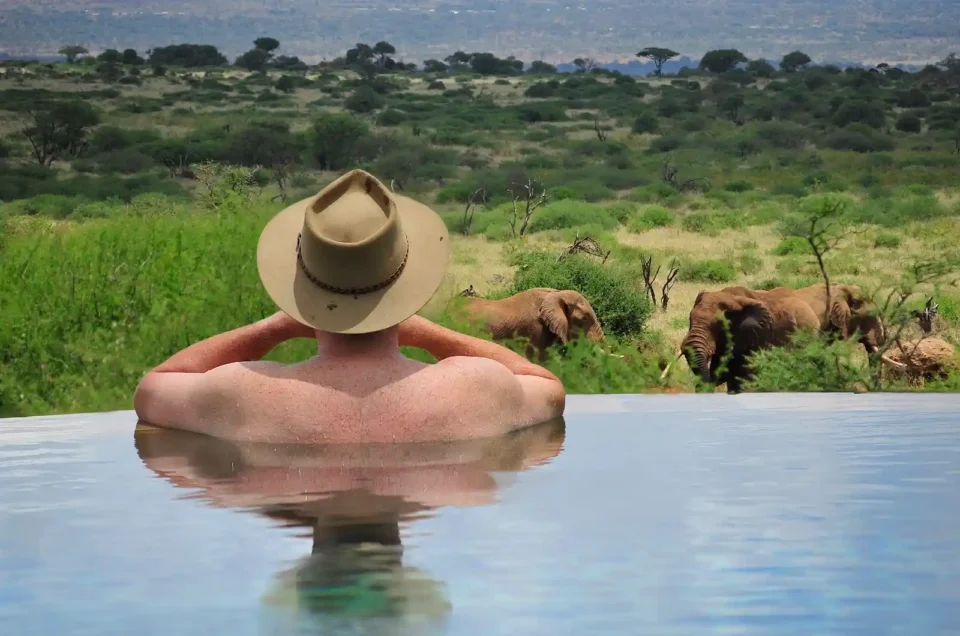
Uganda has so much beauty to offer. And we can combine everything: safaris, national parks, waterfalls, and cultural activities. But naturally, we can also focus more on a single aspect. On monkeys, for example. Or on the Big 5. Are you very sporty? Then we can put together an active trip for you. As you can hear, the options for your tour of Uganda are endless.
Greenway nature tours
We are a fully licensed tour company accredited by the Uganda Tourism Board. We design and operate safaris in Uganda and East Africa. Our operations are based in Kampala, Uganda, the heart of our safari planning and coordination. Though our company was officially established in 2025, our team brings deep, hands-on knowledge of East Africa.
Destinations
Favourite Tours
Help & Info
- About us
- Travel Blog
- Travel FAQS
- Gorilla Permits Bookings
- Contact Us
- Pay Online