3 tips for traveling responsibly to East Africa
Responsible travel – it is receiving increasing attention than ever. And rightly so. It is very important to be aware of the impact your trip has and to balance it with as much positivity as possible.
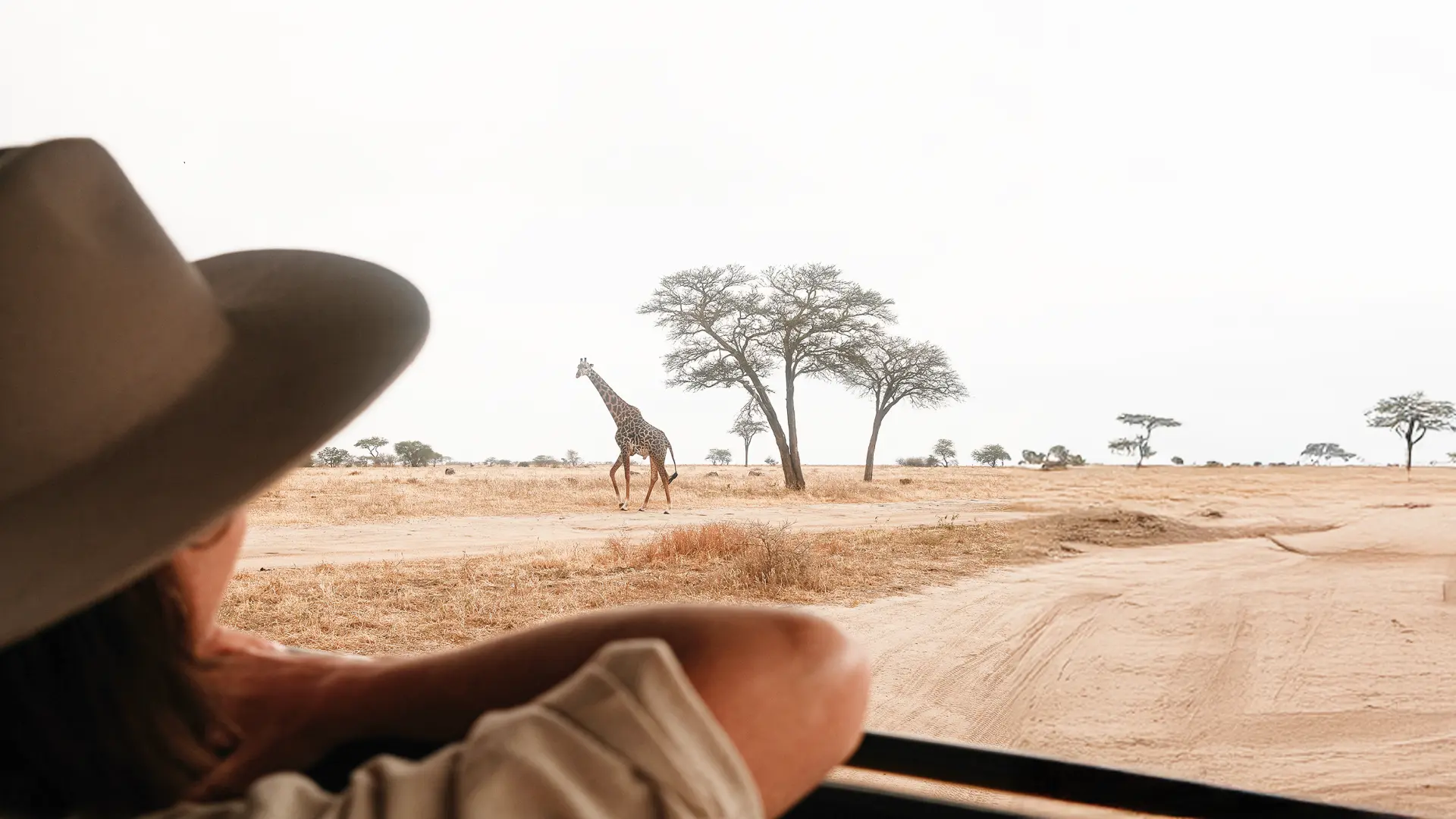
What exactly is 'responsible travel'?
The concept of ‘responsible travel’ deserves some explanation. For us at Greenway Nature Tours, it mainly comes down to two things:
- Being aware of the negative impact your trip may have — and trying to reduce it as much as possible.
- Being aware of the positive impact your trip can have — and trying to make that as big as possible.
So, before you travel, it is good to take a moment and think about a few things. Where exactly are you going? What will you find there? What can you do to contribute positively to local communities? And what should you avoid to prevent a negative impact? Which flight will you take? Where will you stay? If you travel with us, we will of course help you with this.
For now, we have already put together three tips for you:
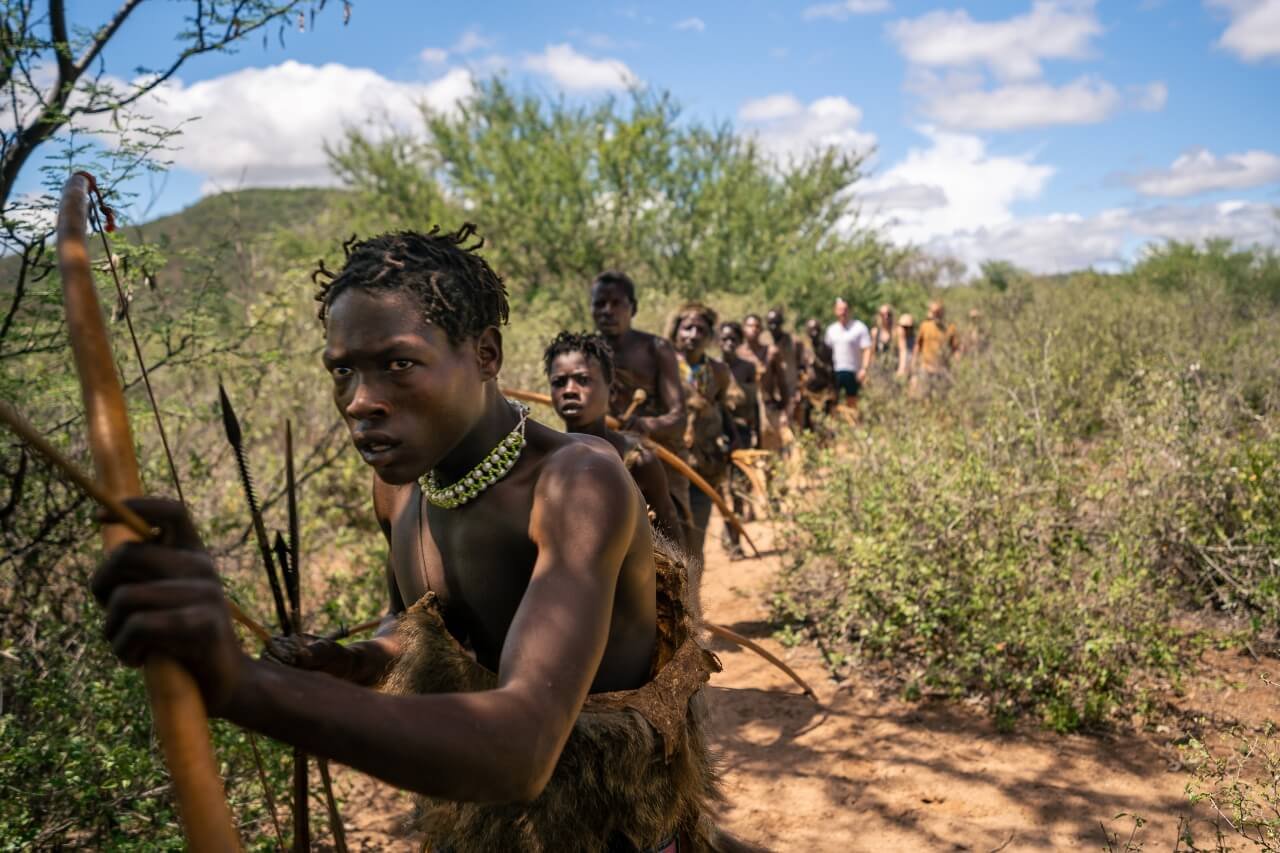
Tip 1: Travel less often and travel longer at a time
Flying is not good for the environment. The reality is that the journey to Africa creates emissions no matter what. Does that mean you should not travel at all? We do not believe so.
Countries such as Uganda, Kenya, Rwanda, and Tanzania depend heavily on tourism. Covid made that very clear. In Uganda, for example, many rangers lost their jobs during the pandemic, which led to a sharp increase in poaching in some national parks. Tourism supports thousands of local families. When tourism stops, incomes disappear with it.
Travel also creates cultural exchange. You learn from local people, and local people learn from you. Long-distance travel therefore still has real value.
At the same time, we believe it is important to travel more consciously. Instead of taking several long-distance trips every year, travel less often and stay longer when you do go. Travel once every few years, but truly take the time to experience the place you are visiting.
A slower journey is often a far richer one. You are less focused on rushing from one highlight to the next and have more time to connect with the country itself. You notice more of daily life. You meet more people. You experience places more deeply.
Staying longer also spreads the benefits of tourism more widely. Local guides, restaurants, markets, drivers, community projects, and small businesses all benefit when travelers spend more time in one place. In that way, tourism supports not only luxury lodges, but local communities as well.
Get on a plane for a long-haul trip at most once every two or three years. And if you come to Uganda, Rwanda, Kenya, or Tanzania, stay a little longer.
Tip 2: Be aware of your behavior along the way
Responsible travel is about more than just about the environment. It is also about respecting local people, cultures, and traditions. Every country has its own customs and ways of life. How do people greet each other? Are there dress codes? What is considered polite or inappropriate? Taking the time to understand these things before you travel makes a big difference.
Traveling with respect creates more meaningful encounters and shows appreciation for the communities you visit. If you travel with us, we will of course explain these cultural customs in advance, so you arrive well prepared and informed.
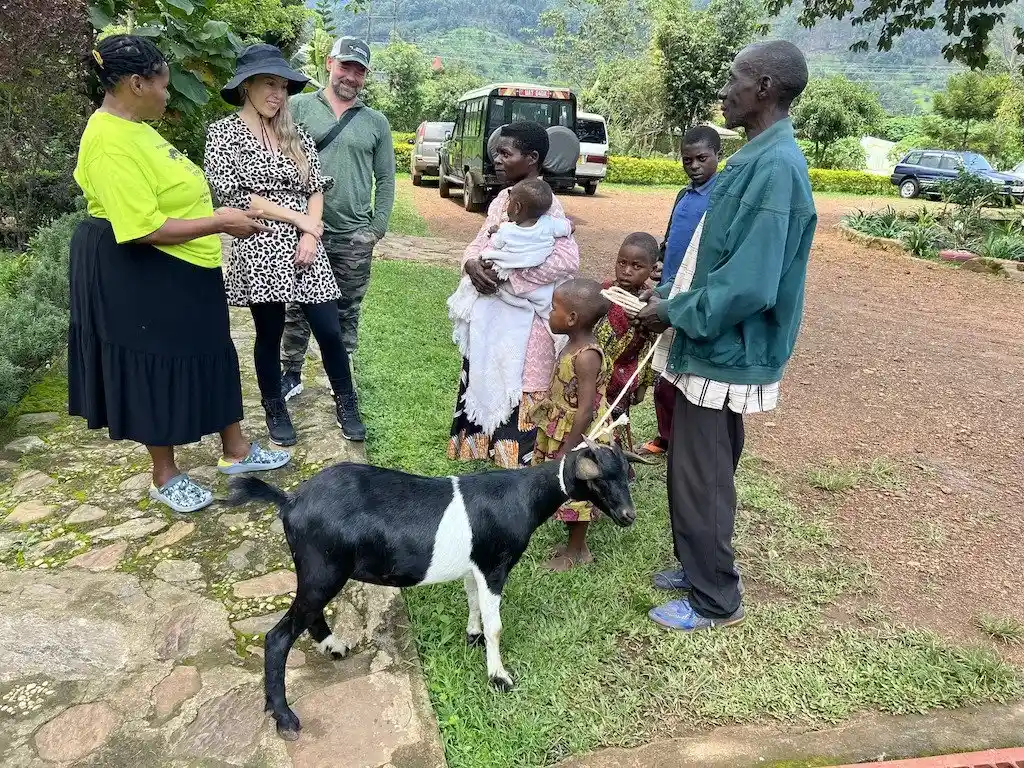
Do Not Do Things You Would Not Do at Home
Many travelers visiting Uganda, Rwanda, Kenya, or Tanzania want to visit a local school. This sound nice, but in reality, it can have a negative impact. Lessons are interrupted, children become distracted, and schools turn into tourist attractions instead of places for learning.
The same applies to photography. Tourists sometimes take photos of local children and post them online without asking permission. Yet most people would find it strange if visitors did the same in their own country. A good rule while traveling is simple: do not do things abroad that you would not do at home. Respect people’s privacy, daily lives, and personal space. In the end, responsible travel starts with treating others the way you would want to be treated yourself.
Do You Want to Give Something to Local Communities? Speak to Your Guide First.
Many travelers visiting Uganda, Kenya, Tanzania, or Rwanda want to give something back to local communities. That is a beautiful intention, and there is certainly room for it. At the same time, it is important to think carefully about what is truly helpful. Your guide or travel company can best advise you on what kind of support has real value and what local communities actually need.
In general, it is better not to hand out sweets, cookies, pens, or second-hand clothes. These things may seem helpful in the moment, but they rarely create a positive long-term impact. Thoughtful support is usually far more meaningful than quick gifts.
Tip 3: Leave as little waste behind as possible
Waste management in countries like Uganda is very different from what many travelers are used to at home. Recycling is limited and often too expensive. In many places, waste is simply waste, and regular collection services do not always exist.
That is why it is important to be mindful of what you leave behind during your trip. Try to reduce waste as much as possible, especially in national parks. Waste created in these remote areas is often burned rather than recycled.
At Greenway Nature Tours, we also take this seriously. We work as much as possible with lodges that follow a waste-conscious policy. For example, many avoid single-use plastics and offer refill stations for drinking bottles.
There are of course many other ways to travel more responsibly and make your impact as positive as possible. Would you like to know more about responsible travel, or about what we do as an organization? Feel free to call, message, or email us anytime.
Safaris In east Africa
Greenway nature tours
We are a fully licensed tour company accredited by the Uganda Tourism Board. We design and operate safaris in Uganda and East Africa. Our operations are based in Kampala, Uganda, the heart of our safari planning and coordination. Though our company was officially established in 2025, our team brings deep, hands-on knowledge of East Africa.
Destinations
Favourite Tours
Help & Info
- About us
- Travel Blog
- Travel FAQS
- Gorilla Permits Bookings
- Contact Us
- Pay Online