Guide to a Safari in the Masai Mara – All You Need to Know
A safari in the Masai Mara is one of Africa’s greatest wildlife experiences. The Masai Mara is Kenya’s flagship safari destination. It is famous for outstanding wildlife viewing throughout the year. It is one of the best places in Africa to see lions, leopards, cheetahs, and hyenas in the wild. It is also home to all the Big 5. The landscape is what many people imagine when they think of Africa. Endless golden savannah. Scattered acacia trees. Wide open plains full of wildlife. The reserve is part of the larger Serengeti–Mara ecosystem. It is home to one of the greatest wildlife spectacles on Earth. The Great Migration.
Why Should I Go for a Safari in the Masai Mara?
Quite simply, because Masai Mara is one of Africa’s finest safari destinations.
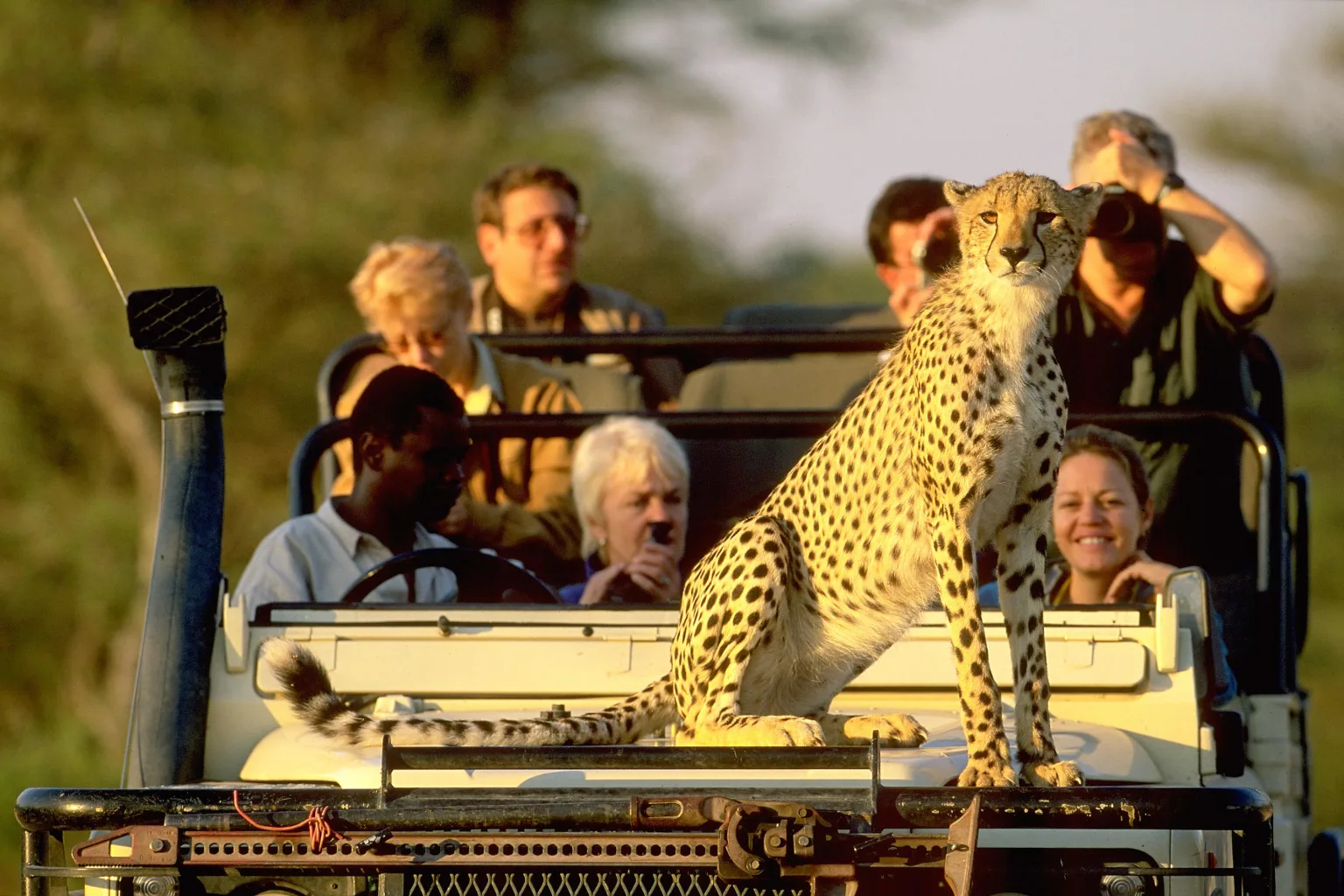
Few public game reserves in Africa can match it for close-up lion sightings. Cheetahs, leopards, and spotted hyenas are also seen very regularly. This makes it one of the best places in Africa for viewing large carnivores in the wild.
What truly sets the Masai Mara National Game Reserve apart is the sheer amount of wildlife. In just a few seconds, you can spot more than 10 species of large mammals across the plains. A lone elephant bull walking through the grasslands. Buffalo herds staring into the distance. Giraffes feeding from umbrella-shaped acacia trees. Zebras grazing alongside gazelles, impalas, elands, wildebeests, and other antelope species.
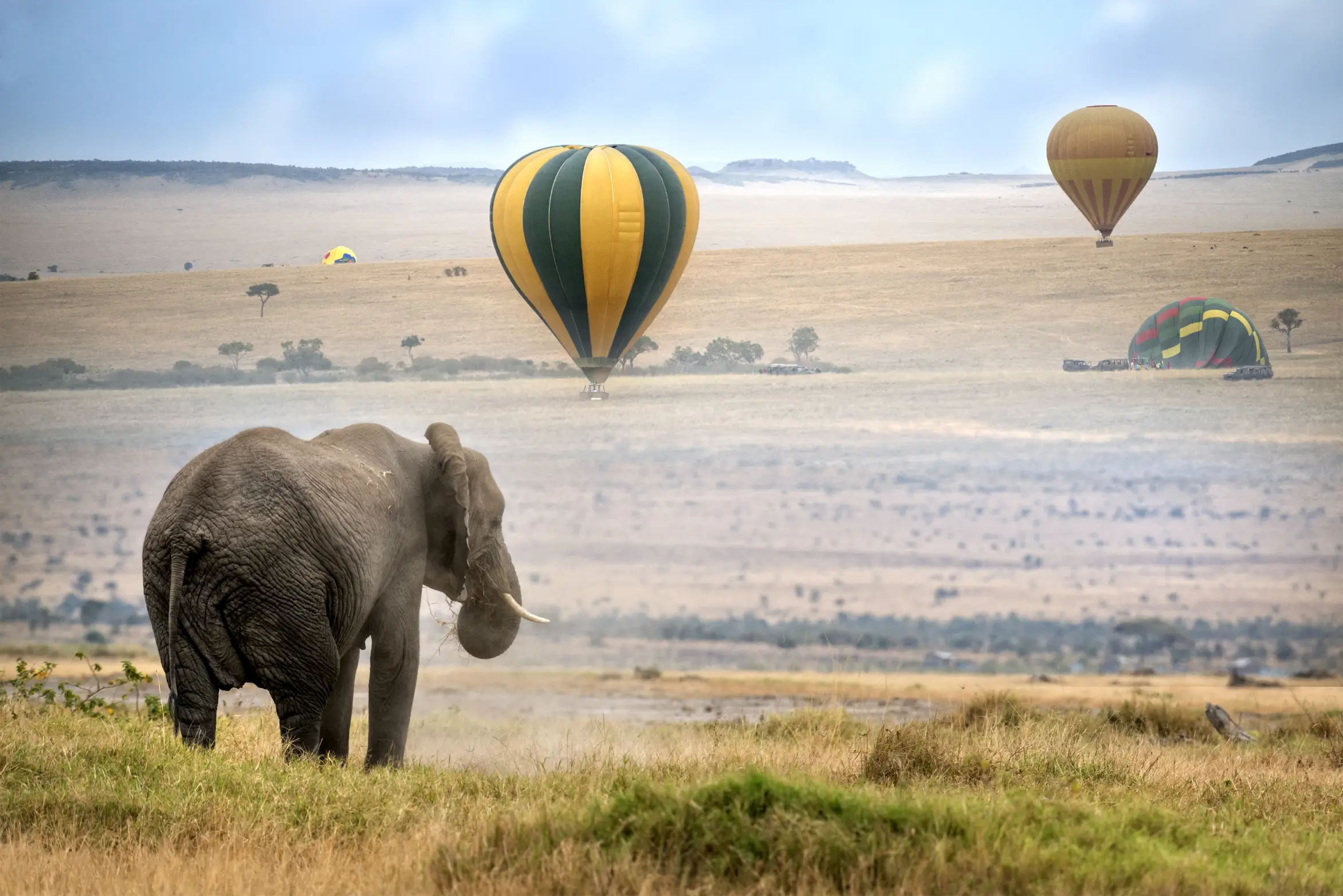
The scenery is equally impressive. Wide open savannah. Endless horizons. Classic African landscapes. The experience becomes even more dramatic from July to October. During this period, hundreds of thousands of wildebeest and zebras migrate from Tanzania’s Serengeti National Park into the Masai Mara National Reserve in search of fresh grazing. It creates one of the greatest wildlife spectacles on Earth.
Where Is the Masai Mara Located?
The Masai Mara National Reserve is located in southwestern Kenya. It sits on a rolling plateau between the Great Rift Valley to the east and the Lake Victoria Basin to the west. The landscape is open, wide, and classic savannah.
The main reserve covers 1,510km² (583mi²). It is relatively small in size. But it forms part of the much larger Serengeti–Mara ecosystem. This cross-border wilderness extends into northern Tanzania. It is home to the world’s largest land-based mammal migration.
To the southwest, the Masai Mara borders Tanzania’s Serengeti National Park. To the north and east, it is surrounded by community-owned conservancies. These areas help protect wildlife beyond the reserve boundaries.
The main entry point is Sekenani Gate. It is about 230km (143mi) west of Nairobi via Narok town. The drive usually takes around 5 to 6 hours, depending on traffic and road conditions.
When Is the Great Migration in the Masai Mara?
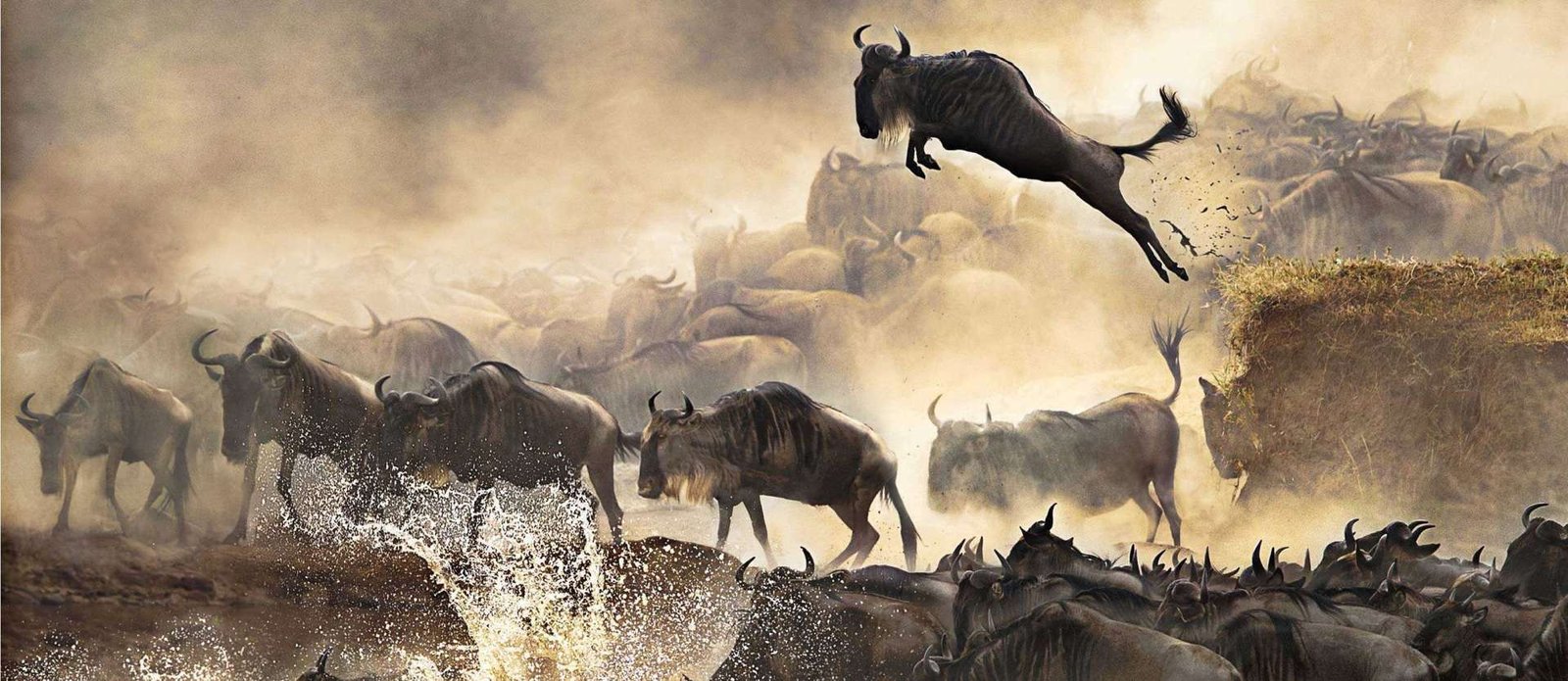
The Great Migration is one of the most spectacular wildlife events on Earth.
Around two million wildebeest move through the Serengeti–Mara ecosystem every year. They are joined by large herds of zebras and gazelles. All of them follow the seasonal rains. They move in a circular route between Tanzania and Kenya.
For most of the year, the migration stays in Tanzania’s Serengeti National Park. But in July, and sometimes late June or August, large herds cross into Kenya’s Masai Mara in search of fresh grazing.
Once in the Masai Mara, the herds stay for about two to three months. They spread out across the plains in massive numbers. From late September into October, they slowly start moving back south into the Serengeti.
The most dramatic moments are the river crossings. Thousands of wildebeest gather at the Mara River. They hesitate before crossing. The water is fast and full of crocodiles. These crossings are unpredictable, intense, and some of the most iconic wildlife scenes in Africa.
What Other Wildlife Can I Expect to See in Masai Mara?
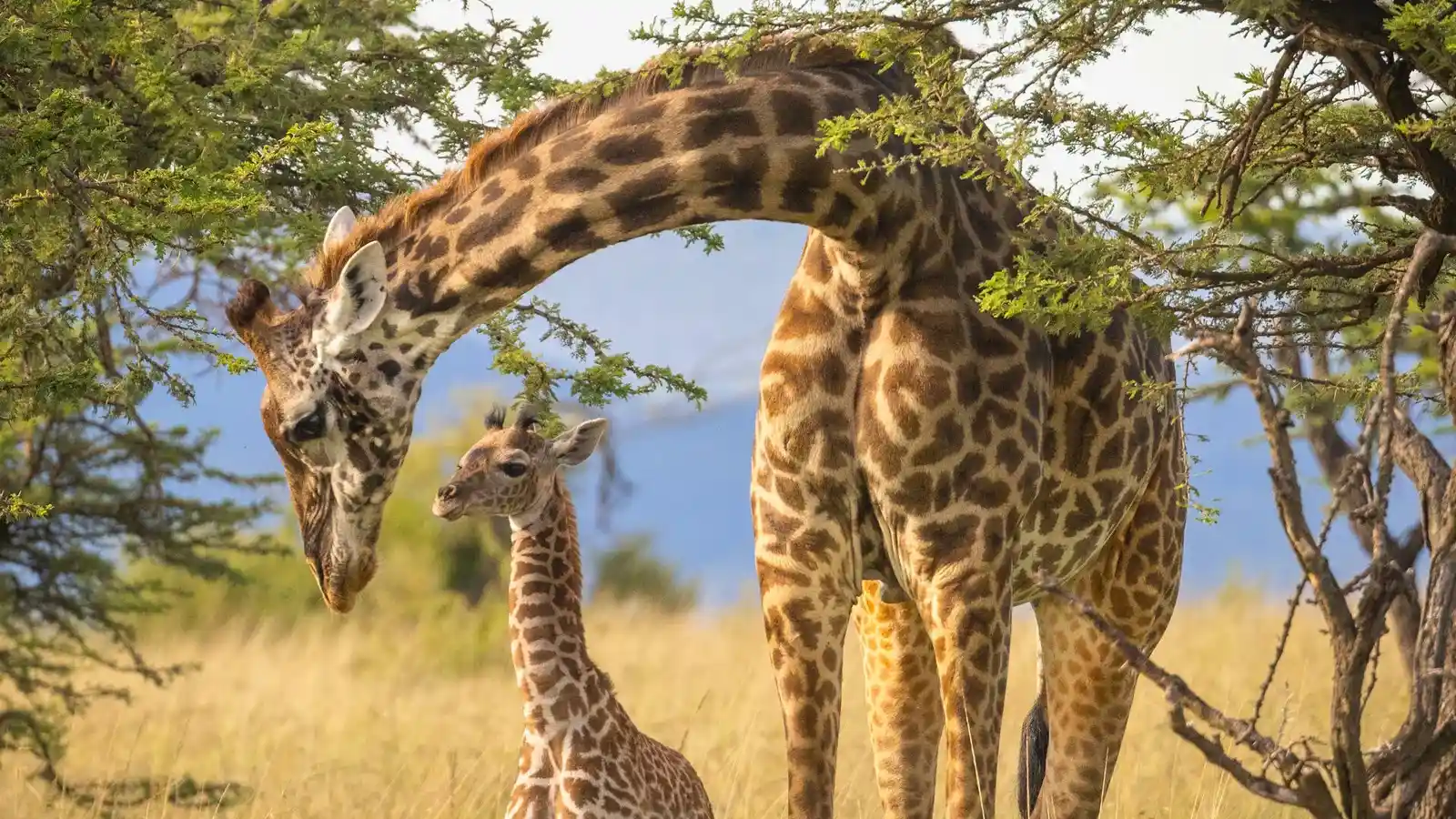
The Masai Mara offers exceptional wildlife viewing throughout the year. It is especially famous for its large lion population.
Many prides are well used to safari vehicles. This allows for close and frequent sightings. The Mara is also one of the best places in Africa to regularly see cheetah and leopard.
Beyond the big cats, you will see a wide range of large mammals in just a few days. Elephant, buffalo, giraffe, zebra, warthog, and spotted hyena are all commonly seen across the plains.
The black rhino is still present but very elusive. It is rarely seen. It is mainly found in the western Mara Triangle and near the Tanzanian border.
Antelope species are also very diverse. You see Coke’s hartebeest, topi, eland, impala, and both Thomson’s and Grant’s gazelles. They are spread widely across the grasslands.
Birdlife is equally impressive, with over 500 recorded species. Raptors are common. So are colourful favourites like the lilac-breasted roller, white-bellied go-away-bird, and superb starling. The Mara is also a great place for large savannah birds. These include ostrich, secretary bird, southern ground hornbill, kori bustard, and Denham’s bustard.
How Do You Get to the Masai Mara National Reserve?
Most visitors reach the Masai Mara on an organized safari. The fastest option is to fly from Nairobi. The flight takes around 45 minutes. It lands at airstrips inside or near the reserve. Flights from the coast or other parts of Kenya take longer.
You can also travel by road. The main access is through Sekenani Gate. It is about 230km (143mi) west of Nairobi. The drive usually takes around 5 hours on a surfaced road. Travel time can vary, especially when crossing the Rift Valley.
Many travellers combine the Masai Mara with other parks. Lake Nakuru National Park is a popular option. It is about 210km (130mi) from Sekenani Gate. This is roughly a four-hour drive.
For self-drivers, conditions can be challenging. The reserve has several entrance gates. But most internal roads are unpaved. They can be rough, especially after rain. Because of this, most visitors still use Sekenani Gate, even when continuing their journey through other parts of the reserve.
Can the Masai Mara Be Combined with Other Parks?
Yes, absolutely. The Masai Mara is often combined with other parks on longer Kenya safaris.
A popular pairing is Lake Nakuru National Park. It is known for its Rift Valley scenery, birdlife, and seasonal flamingos. It is also one of the best places in Kenya to see white rhino. This helps complete the Big Five experience.
The Masai Mara also combines well with parks in northern and central Kenya. A classic road safari continues to Samburu National Reserve, Meru National Park, or the Laikipia Plateau. These areas feel very different from the Mara. You see unique species like Grevy’s zebra, reticulated giraffe, and the elegant gerenuk.
For fly-in safaris, Amboseli National Park is a top choice. It is famous for large elephant herds with Mount Kilimanjaro in the background.
Longer itineraries can also include Tsavo East and Tsavo West National Parks. Together, they form one of the largest wilderness areas in Kenya.
When is the best time for safari in Masai Mara?
The best time depends on what you want to see.
If you want the Great Migration, go between July and October. This is when huge herds of wildebeest and zebras arrive in the Masai Mara. August and September are usually the best months for sightings. This is also the dry season, from June to October. Wildlife is easier to spot because animals gather around water. The grass is also shorter. The downside is crowds. This is the busiest time of year. River crossing points can get very busy with vehicles.
If you prefer fewer people, choose the short rains from November to December. You can also visit from January to February. Wildlife is still excellent. The experience feels calmer and more relaxed. From March to May, the long rains arrive. The Mara is green and beautiful. There are fewer tourists. Game viewing is still good. It feels more private and peaceful.
How Do I Get Around in the Masai Mara?
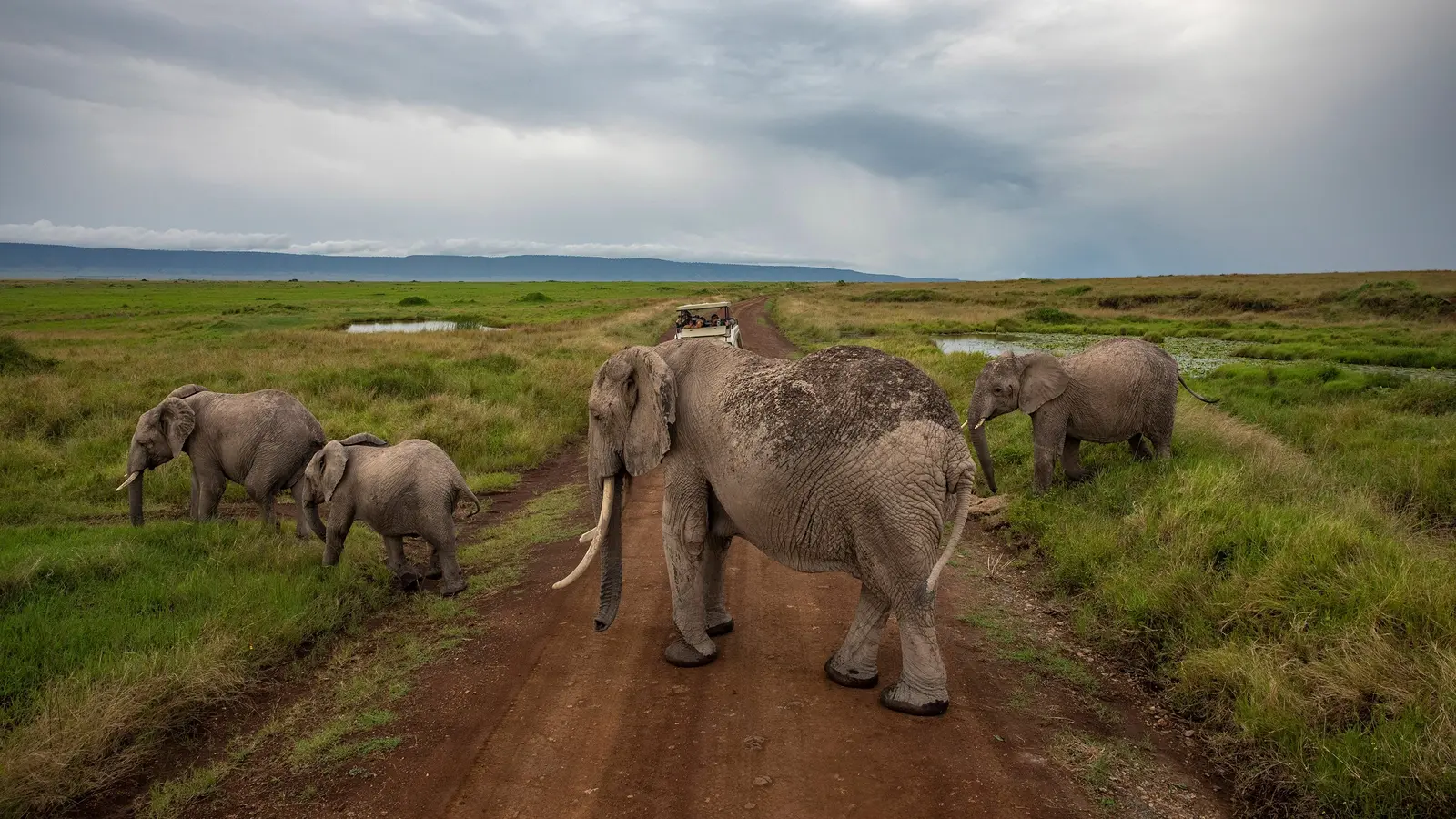
The Masai Mara is reached via a surfaced road. However, once inside the reserve, the tracks are unpaved and often rough, especially during the rainy season. Because of this, the only practical way to get around is in a 4×4 safari vehicle.
On fly-in safaris, game drives are usually arranged by your camp. They use dedicated safari vehicles and experienced resident guides. On road safaris, you normally continue with the same vehicle and driver-guide throughout your trip, which makes travel smooth and consistent.
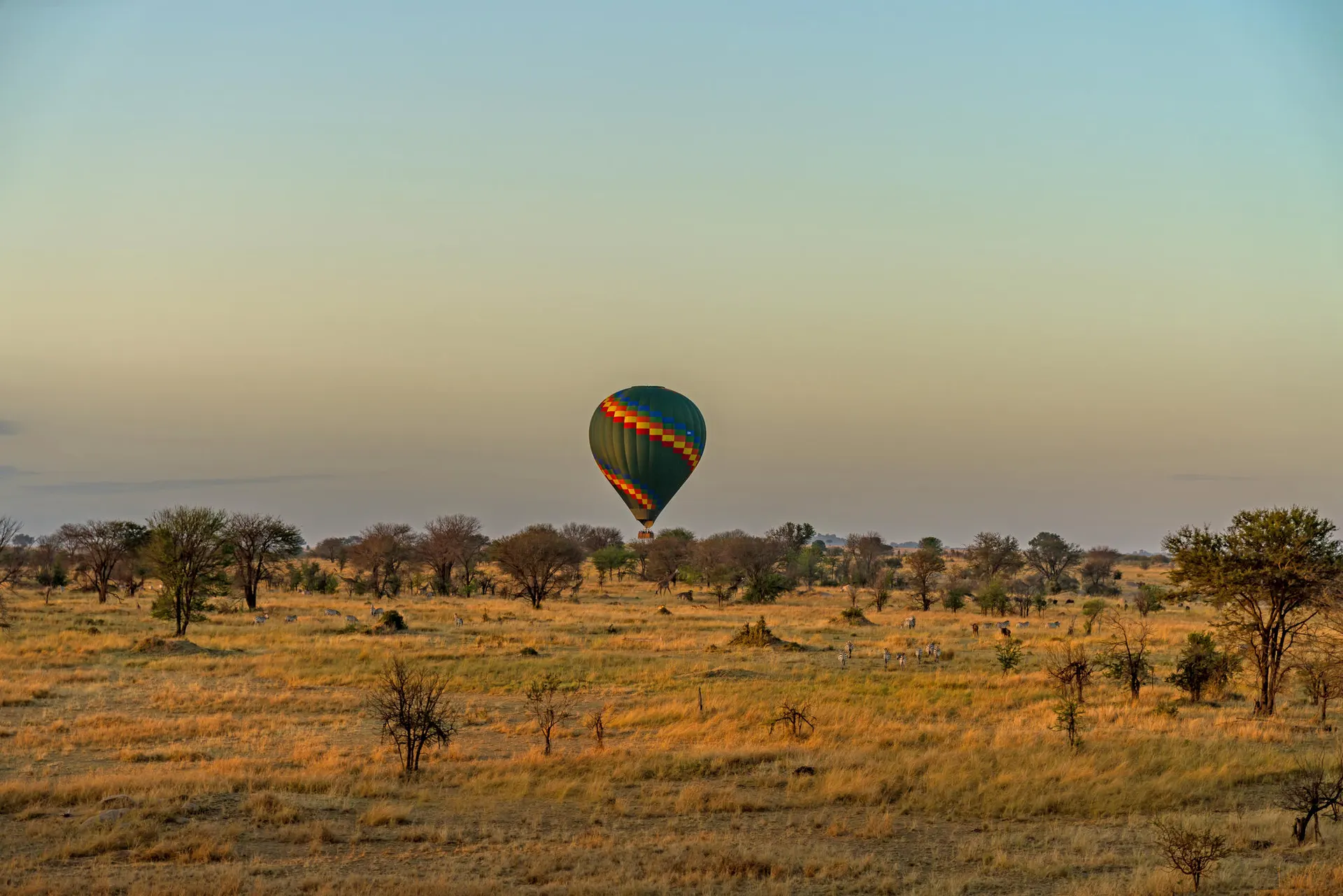
Other experiences are more limited but very rewarding. Hot-air balloon safaris offer a spectacular sunrise view over the plains. In some nearby conservancies, walking safaris and night drives are also available, depending on where you stay.
Self-driving in the Masai Mara can be complicated. In 2024, the governing body issued a directive restricting private vehicles from game drives in most parts of the reserve, with the exception of the northwestern sector known as the Mara Triangle. In practice, enforcement has varied, and some 4×4 vehicles are still permitted. However, it is strongly recommended to confirm the latest rules before your visit.
How Many Days Is It Best To Stay?
The ideal Masai Mara safari is three to five days. A one- or two-day trip is too short. Much of the time is spent on travel. This applies whether you fly or drive from Nairobi.
With three days, you usually get one full day in the reserve. That is often enough to see lions, leopards, and other key wildlife.
Four to five days is even better. You settle into the safari rhythm. You see more, at a slower pace. Different times of day also bring different sightings.
Some travelers stay longer. But most prefer to combine the Masai Mara with another park. This keeps the safari varied and more rewarding.
Is the Masai Mara Safe To Visit?
The Masai Mara is generally considered a very safe safari destination. Most visitors travel on organized safaris and are accompanied by an experienced driver-guide throughout the trip.
Wildlife is not dangerous when viewed correctly. As long as you stay inside the vehicle during game drives, the risk is very low. Elephants are often calm around safari vehicles, but they should always be respected and given space. In any unusual situation, you should always follow your guide’s instructions. If you are self-driving, it is important to stay connected. A local SIM card or eSIM with data and airtime is highly recommended.
It is also advised to take antimalarial medication before and during your trip. Mosquito repellent should be used, especially in the evenings and early mornings.
How Can I Avoid the Crowds on a Masai Mara safari?
The Masai Mara is one of Africa’s busiest safari destinations. Visitor numbers are highest from July to October during the Great Migration. During this time, river crossings and big cat sightings are often shared with many other safari vehicles.
The simplest way to avoid crowds is to travel outside this peak period. At other times of the year, the reserve feels much quieter and more relaxed. If you visit during migration season, avoiding crowds becomes more difficult. River crossings happen in specific locations inside the reserve, and many vehicles gather there at the same time.
Where you stay also makes a big difference. Areas southeast of the Talek River and outside Sekenani Gate tend to be busier. The central section between the Talek and Mara Rivers is moderately busy. The western Mara Triangle is usually less crowded. For the most exclusive experience, consider a private conservancy. Places like Olare Motorogi, Mara Naboisho, and Mara North offer fewer vehicles, more space, and a more relaxed safari experience overall.
What Are the Best Places To Stay on a Masai Mara Safari?
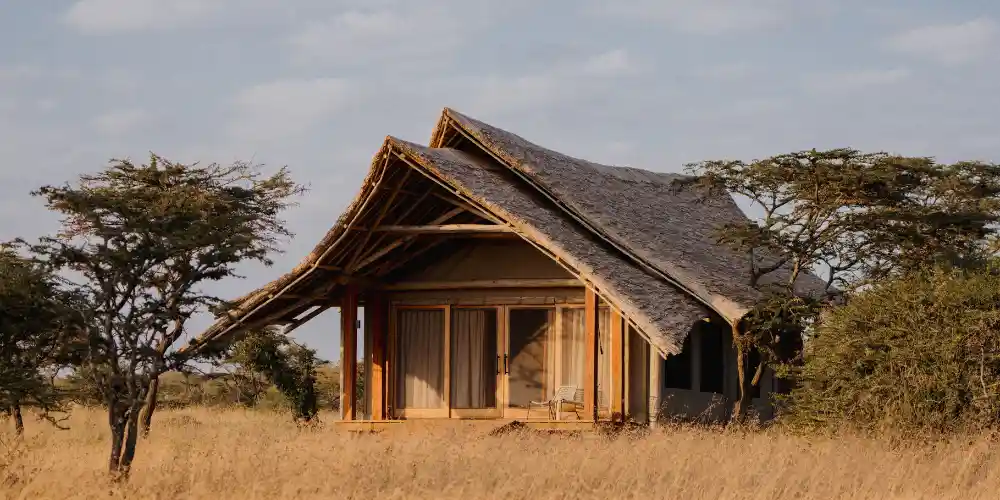
The greater Masai Mara area has more than 200 lodges and camps. They cover a wide range of styles, budgets, and experiences. Inside the national reserve, you will find several well-established mid-range and large lodges. These often feel more like hotels in the bush. They usually offer facilities such as swimming pools, buffet dining, and larger guest areas.
There are also smaller tented camps inside the reserve. These offer a more intimate safari experience. They tend to be quieter, with fewer rooms and a closer connection to nature.
Budget accommodation is mostly found outside the reserve boundaries. Around Sekenani and Talek Gates, you will find simple lodges, camps, and campsites. These are popular with self-drivers and budget group safaris.
At the higher end, the private and community conservancies bordering the reserve offer a very exclusive experience. These areas are dominated by small luxury camps with low visitor numbers and high guide-to-guest ratios. They also offer activities not allowed inside the reserve, such as night drives and guided walking safaris.
What Facilities Are There?
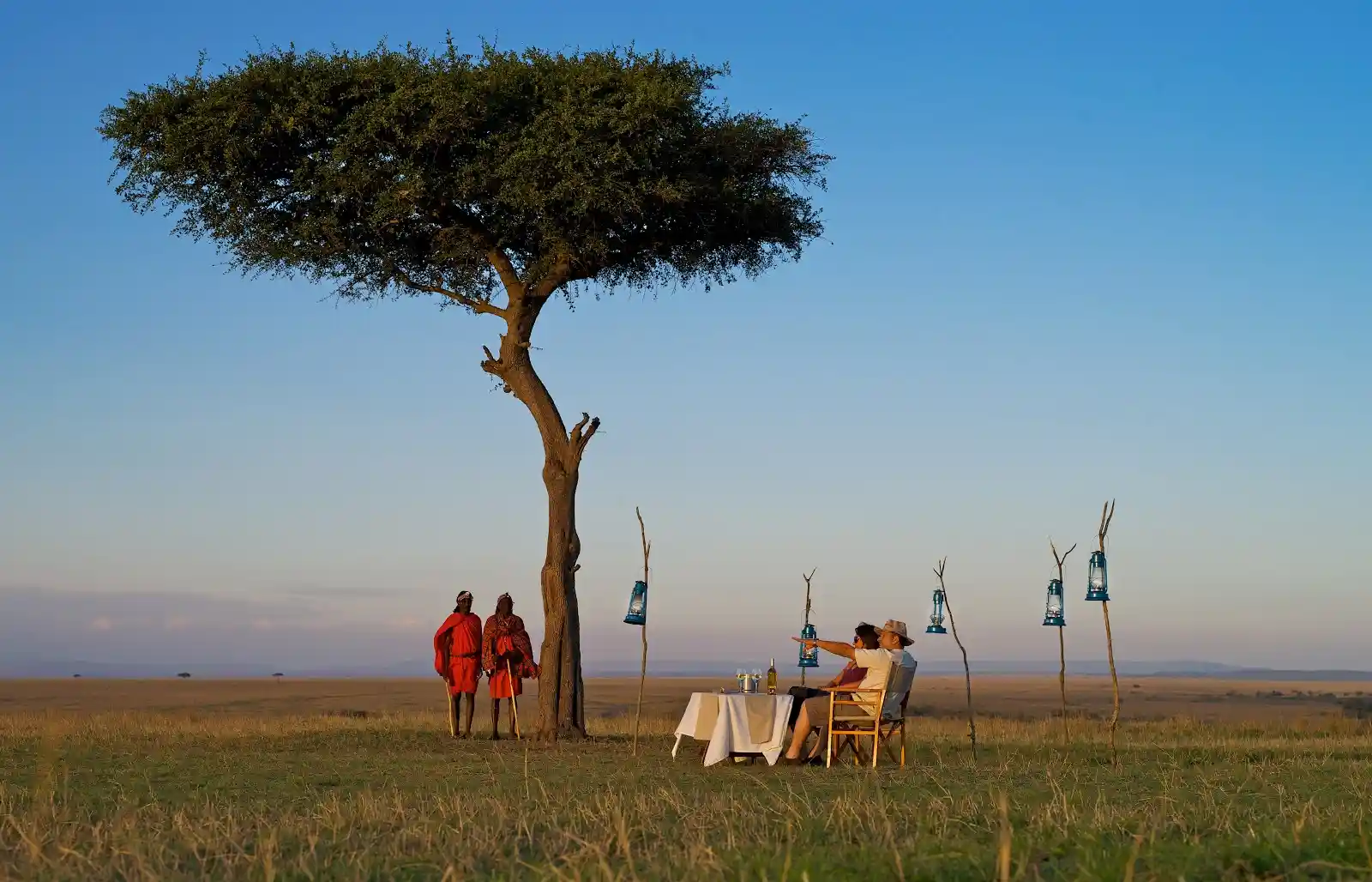
Most visitor services in the Masai Mara are provided by lodges and camps. Public infrastructure inside the reserve is very limited. It mainly consists of entrance gates, airstrips, and a few picnic sites, some with basic toilet facilities. There are no filling stations, grocery shops, or standalone restaurants inside the reserve. If you need these services, you will find them in the nearby settlement of Nkoilale, just outside Sekenani Gate.
For supplies, ATMs, and banking services, the best option is the town of Narok. It is well equipped and located along the main route from Nairobi or Nakuru, making it the most convenient stop before entering the reserve.
What is the cost of safari in the Masai Mara?
The cost of a Masai Mara safari depends on several factors. These include the length of your trip, group size, accommodation level, time of year, and whether you fly or drive from Nairobi. Staying inside or outside the reserve also affects the price.
The cheapest option starts at around US$400 per person. This is usually a two-day road safari in a basic tented camp outside the reserve. However, this option is not ideal. You spend more time driving than actually on safari.
A more realistic budget safari is four to five days. These often include Lake Nakuru National Park as well. Prices start from about US$150 to US$200 per person per day.
Mid-range safaris of similar duration typically cost around US$250 to US$300 per person per day. Luxury safaris usually start from US$700 per person per day and can go much higher depending on the lodge.
Greenway nature tours
We are a fully licensed tour company accredited by the Uganda Tourism Board. We design and operate safaris in Uganda and East Africa. Our operations are based in Kampala, Uganda, the heart of our safari planning and coordination. Though our company was officially established in 2025, our team brings deep, hands-on knowledge of East Africa.
Destinations
Favourite Tours
Help & Info
- About us
- Travel Blog
- Travel FAQS
- Gorilla Permits Bookings
- Contact Us
- Pay Online