Guide to climbing Mount Kilimanjaro in Tanzania
Climbing Mount Kilimanjaro in Tanzania is one of the greatest adventures in Africa. At 5,895 metres, it is the continent’s highest peak, one of the world’s tallest volcanoes and the highest free-standing mountain on earth.
Reaching the summit is an incredible achievement. Yet you do not need any technical climbing skills to get there. With the right preparation, a good guide, and determination, many people successfully reach the Roof of Africa every year.
Mount Kilimanjaro rises from the plains of northern Tanzania and stands at the heart of Kilimanjaro National Park.
One of the things that makes the climb so special is how quickly the landscape changes. You begin in farmland before entering lush rainforest alive with birds and monkeys.
Higher up, the forest gives way to open moorland, alpine desert, and finally a world of rock, ice, and glaciers. Few places on Earth take you through so many different landscapes on a single climb.
Whether you come to climb it or gaze in awe of this remarkable, snowcapped mountain near the equator, drawing near to Mount Kilimanjaro is a soulful, memorable experience. In this guide, we cover everything you need to know before you go: when to climb, which route to choose, what it costs, and where to stay before and after your adventure.
What is the best time of year to climb Kilimanjaro?
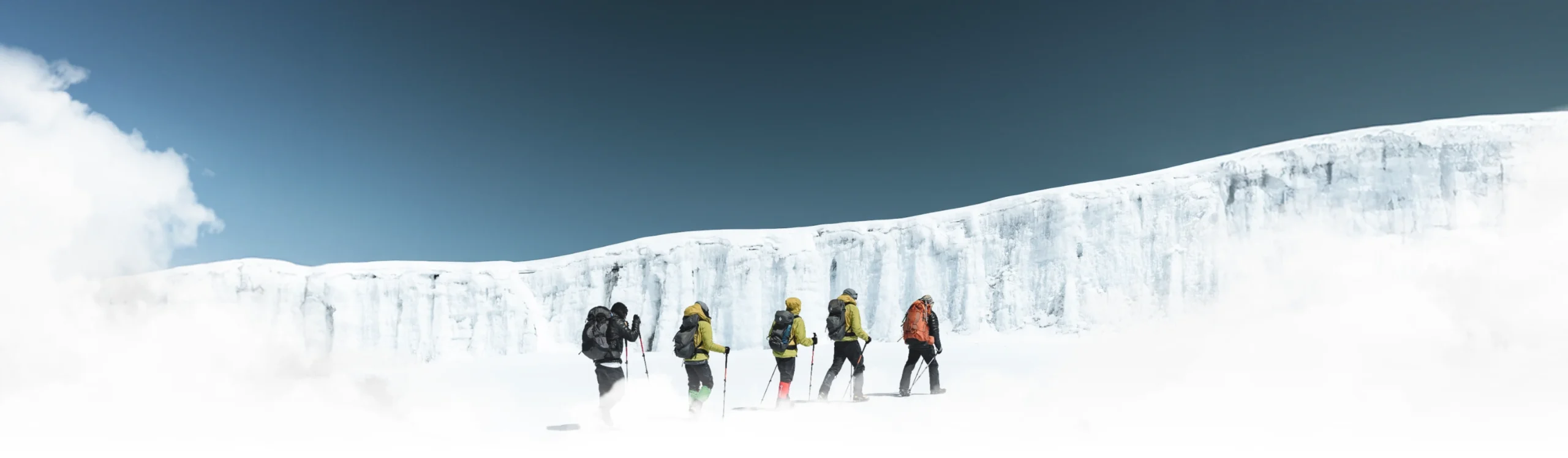
You can climb Mount Kilimanjaro at any time of the year. But if you want the best chance of clear skies and good trail conditions, it is worth choosing your dates carefully. The best time to climb is during the two dry seasons: from late June to October and from late December to early March.
These months usually bring sunny days, drier trails, and some of the best views on the mountain.
Outside these months, rain becomes more likely. Kilimanjaro’s weather is famous for changing quickly, so there are never any guarantees. Wet weather can make the trails muddy, reduce visibility, and make the climb more demanding. If you can, plan your trip during the dry season. It gives you the best chance of enjoying everything this remarkable mountain has to offer.
What is the climb like?
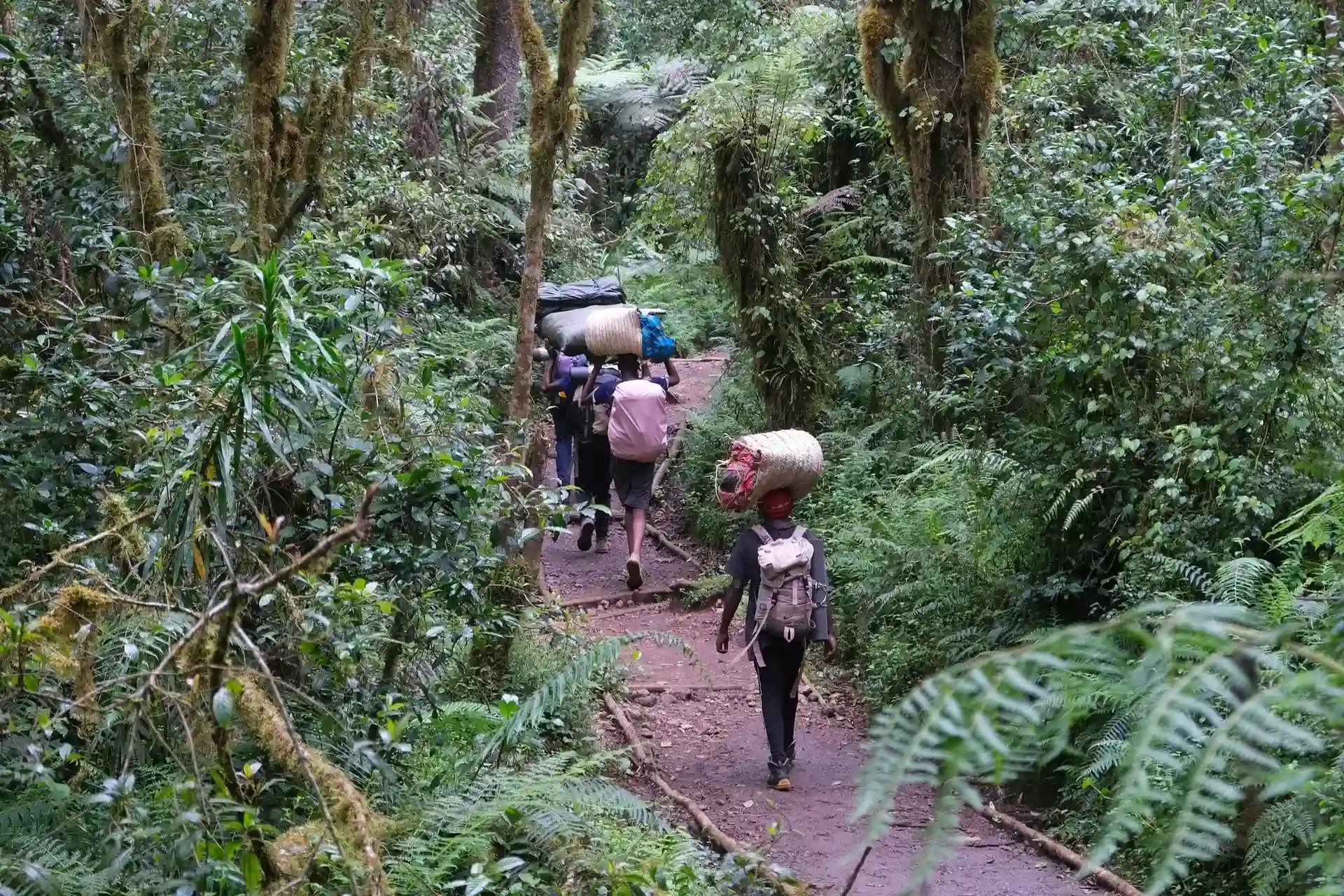
Every route up Kilimanjaro starts in lush rainforest. This is where buffaloes, elephants, and monkeys live, although most of them stay hidden deep in the forest.
As you climb higher, the rainforest slowly disappears. The trees become smaller. The air becomes thinner. Then, for the first time, you catch a glimpse of the summit. It is one of those moments you never forget.
One of the best things about climbing Kilimanjaro is the people you meet along the way. Everyone is working towards the same goal. People encourage each other, celebrate every milestone, and help one another through the difficult moments. It is amazing how quickly strangers become friends on the mountain.
It is also worth remembering that you do not have to reach Uhuru Peak, the highest point on Kilimanjaro, to enjoy the experience. If you decide to stop before the summit, you have not failed. Places like the Barranco Wall and the Shira Plateau are spectacular and still give you a real sense of the mountain’s beauty.
However, never underestimate Kilimanjaro. It may not be a technical climb, but it is still a serious mountain.
Every year, thousands of people reach the summit. Many others turn back because of altitude sickness or because they were not properly prepared. Sadly, there are also trekkers who lose their lives on the mountain each year. Climb slowly, listen to your guide, and give your body time to adjust. That will give you the best chance of standing on the Roof of Africa.
What are the routes to the summit of Mt Kilimanjaro?
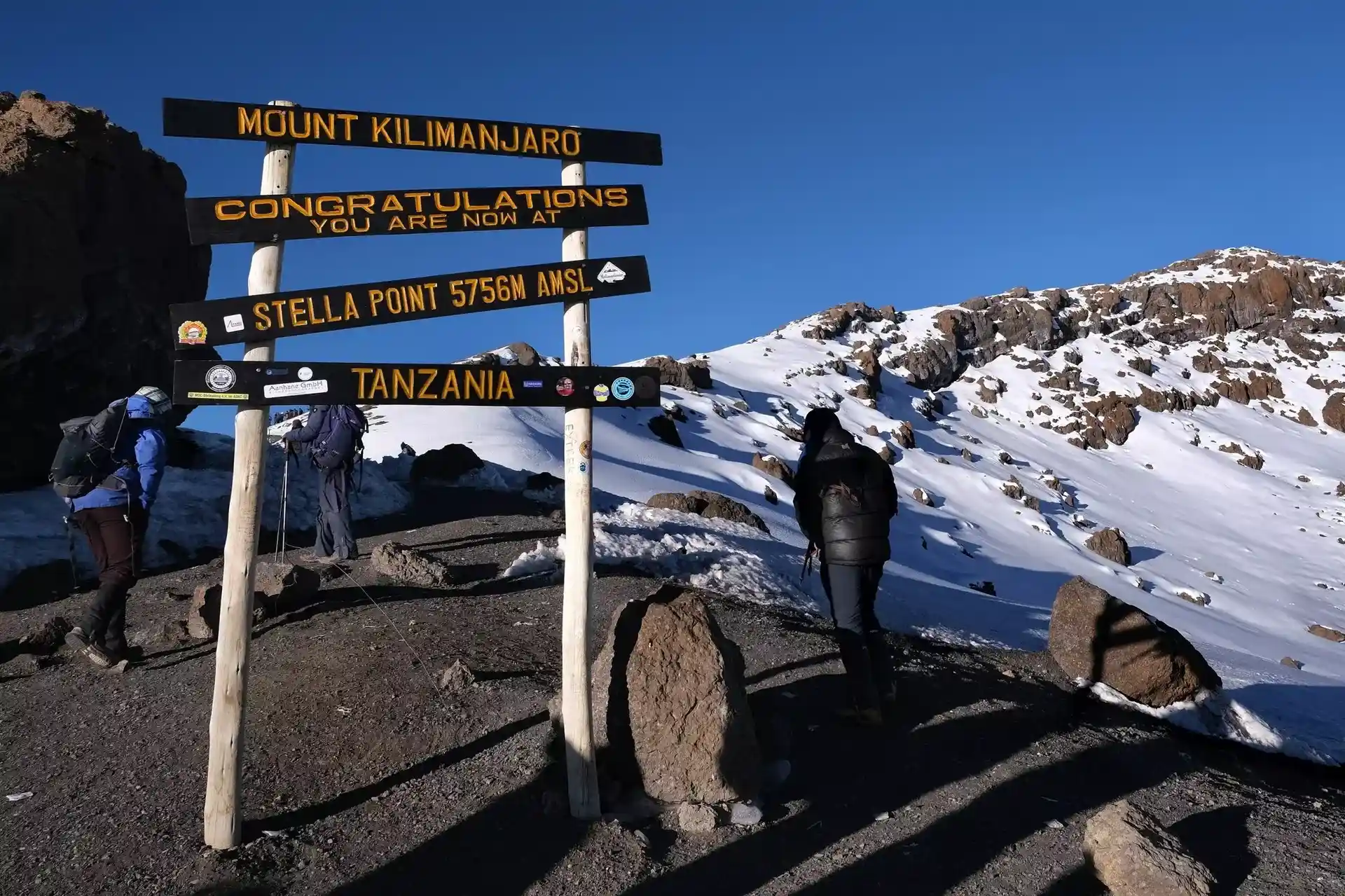
There are seven official routes to the summit of Mount Kilimanjaro. Each one offers a different experience. Some are shorter and steeper. Others are longer, giving your body more time to adjust to the altitude. Choosing the right route is one of the most important decisions you will make before your climb. With the exception of the Marangu Route, all routes use mountain tents. Marangu is the only route where you sleep in mountain huts. Officially, each route is limited to 60 climbers per day, although this rule is not always enforced. Marangu naturally stays within its limit because the huts have a fixed capacity.
Marangu Route
Often called the Coca-Cola Route, Marangu is the only route with mountain huts instead of tents. Most climbs take 5 days, but adding an extra day is strongly recommended. It gives your body more time to acclimatize, especially if you have just arrived in Tanzania from a lower altitude.
Machame Route
Machame is one of Kilimanjaro’s most popular routes. The climb is gradual, giving you more time to adjust to the altitude. One of the highlights is crossing the beautiful southern slopes before reaching the summit via the Mweka Route. Most climbs take 6 or 7 days.
Umbwe Route
Umbwe is the steepest and most direct route on the mountain. It is also one of the most demanding. Although experienced climbers enjoy the challenge, the rapid ascent makes acclimatization difficult. The upper section through the Western Breach is often covered with ice or snow, making it dangerous and sometimes impossible to pass. This route is only recommended for experienced climbers with the right equipment.
Rongai Route
Rongai starts near the Kenyan border and climbs the quieter northern side of the mountain. It is a popular choice for those looking for fewer crowds and a different perspective of Kilimanjaro. It is recommended as a 7-day trek for the best summit success rate.
Shira Route
The Shira Route is known for its beautiful scenery and quieter trails. It begins at around 3,600 metres, which can make acclimatization more challenging. Spending an extra night at Shira Hut is highly recommended. Most climbers complete the route in 6 or 7 days.
Lemosho Route
Many people consider Lemosho the best all-round route on Kilimanjaro. It offers excellent scenery and one of the best acclimatization profiles. The trek starts at Londorosi Gate, crosses the beautiful Shira Plateau, and later joins the Machame Route. Most climbs take 8 days.
Northern Circuit Route
The Northern Circuit is the longest route on Kilimanjaro, taking 8 to 10 days. It follows part of the Shira Route before circling the quieter northern slopes of the mountain. It then approaches the summit through Gilman’s Point. The longer itinerary gives your body plenty of time to acclimatize and offers some of the highest summit success rates.
How much does it cost, and how much should I tip?
A Kilimanjaro climb is not a cheap adventure, but it is a once-in-a-lifetime experience. Expect to pay around US$1,500 to 2,000 for a basic trek, depending on the route you choose.
Your trekking cost should include important fees such as park entrance fees, taxes, rescue fees, guide fees, and accommodation on the mountain. Park fees are US$70 per adult per day and US$20 per child per day. Rescue fees are US$20 per person per trip.
Camping costs around US$50 per person per night, while hut accommodation is usually around US$60 per person per night. The price you pay often reflects the quality of your experience. A more expensive operator usually means better guides, better meals, and better equipment.
Tipping is an important part of Kilimanjaro culture. Your guides and porters work extremely hard to help you reach the summit. A common guideline is around US$10–15 per group per day for the guide. US$8–10 per group per day for the cook. And US$5–10 per group per day for each porter. Many climbers choose to tip at the end of the trek as a way of showing appreciation for the team that supported them.
What role do guides and porters play on Kilimanjaro?
Your guides and porters are an essential part of your Kilimanjaro climb. Every trek must be accompanied by a licensed guide, and trekking companies provide the support team you need for the journey. Porters help carry equipment, food, and camping supplies, making the climb much easier for you.
On the Marangu Route, you can choose to carry your own gear, but on all other routes, one or two porters per trekker are normally required. Each porter can carry bags weighing up to 15kg, not including their own food and personal belongings.
All guides must be registered with the national park authorities, so always make sure your guide has a valid permit. A good guide does much more than simply show you the way. The best guides share their knowledge about Kilimanjaro’s wildlife, plants, landscapes, and history. They also help you manage the challenges of high altitude and make sure your climb is safe and enjoyable.
Where should I stay before and after climbing Kilimanjaro?
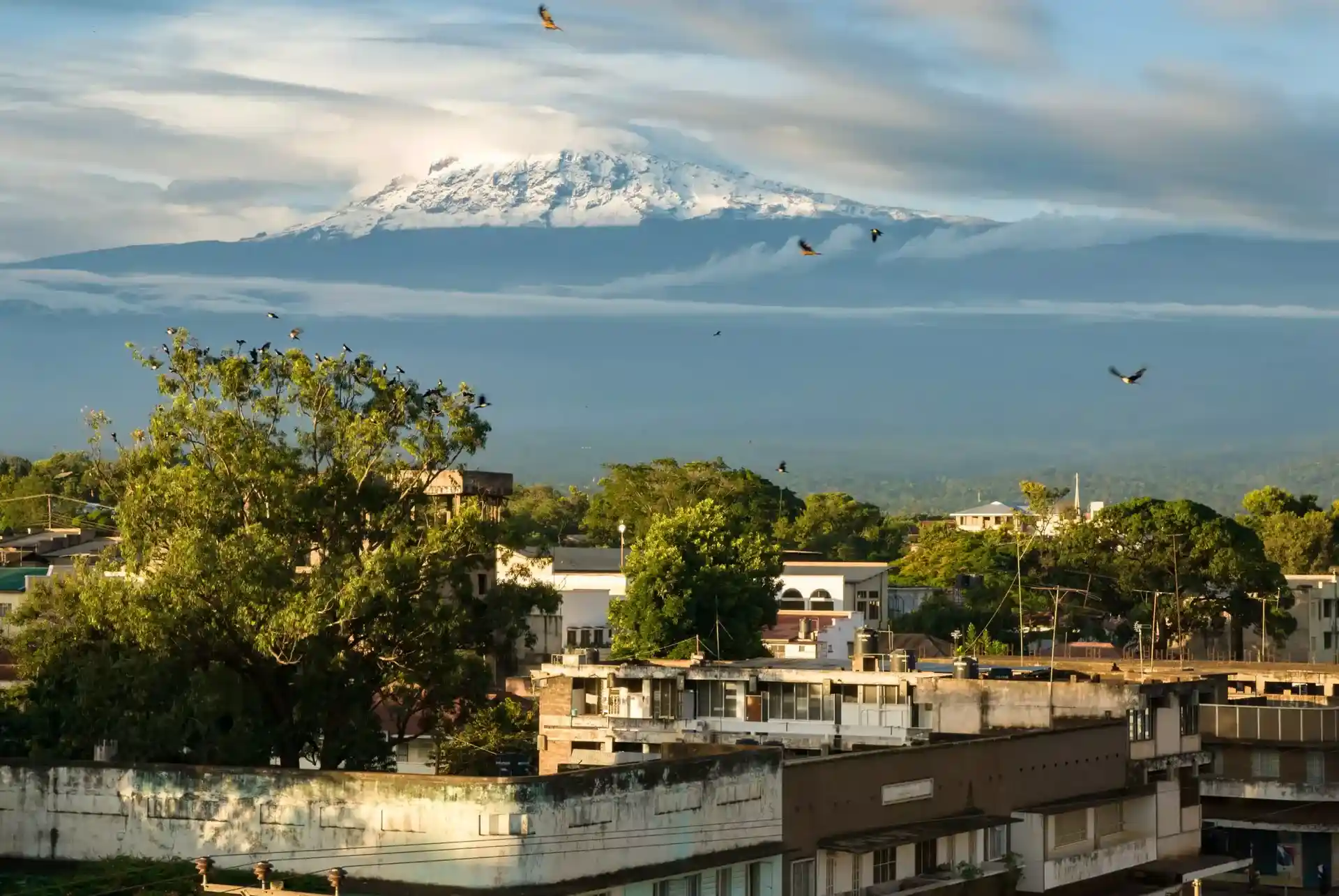
Most travellers stay in Moshi or Arusha before and after their Kilimanjaro climb. These are the main towns where you can arrange your trek, meet your guide, and prepare for the journey.
Moshi is the most popular base because it is closest to Mount Kilimanjaro. Many climbers spend a night here before starting their trek. It is also a good place to check your equipment and relax before the big adventure. Arusha is another good option. It is especially convenient if you are combining your Kilimanjaro climb with a safari. From here, you can easily continue to destinations such as Serengeti, Tarangire, and Ngorongoro. Greenway Nature Tours usually arrange transport from your hotel to the starting point of your route. Staying close to your trailhead can save you time on the morning of your climb.
You can also stay in places like Marangu or Machame and arrange your trek there. However, this usually requires more planning and can take extra time.
Accommodation around Mount Kilimanjaro
- Coffee Tree Campsite: A simple and comfortable place with large grounds, tents for hire, and different types of chalets.
- Kibo Hotel: A historic hotel with an old-world atmosphere. It has welcomed famous guests, including Hans Meyer and Jimmy Carter.
- Babylon Lodge: A friendly lodge with clean rooms and beautiful gardens.
- Kaliwa Lodge: Located at 1,300 metres. It offers modern accommodation in a peaceful setting.
- Marangu Hotel: A classic mountain hotel with comfortable rooms, gardens, and a campsite.
- Kilimanjaro Mountain Resort: A charming property west of Marangu with rooms, a museum, and a restaurant.
Accommodation in Moshi
- Haria Hotel: A welcoming hotel with spacious rooms and a rooftop restaurant. You can enjoy views of Mount Kilimanjaro from here.
- AMEG Lodge: A peaceful lodge surrounded by tropical gardens with palm trees and frangipani.
A good night’s rest before your climb is important. Choose a place where you can relax, prepare your gear, and start your Kilimanjaro adventure feeling ready. Now that you have read our guide, you are a little better prepared for your trip. Still have questions? Call, text, or email us.
More Articles
Greenway nature tours
We are a fully licensed tour company accredited by the Uganda Tourism Board. We design and operate safaris in Uganda and East Africa. Our operations are based in Kampala, Uganda, the heart of our safari planning and coordination. Though our company was officially established in 2025, our team brings deep, hands-on knowledge of East Africa.
Destinations
Favourite Tours
Help & Info
- About us
- Travel Blog
- Travel FAQS
- Gorilla Permits Bookings
- Contact Us
- Pay Online