Best time to see gorillas in Uganda
The dry seasons from December to February and from June to early September are considered the best time to see gorillas in Uganda. At this time, rain is less likely, so your trek is easier and more comfortable. But you can still visit in the rainy season. The experience is just as magical because gorillas do not hide from rain. You will still find them feeding, playing, and resting with their families. In fact, fewer people travel during these months, so your trek may feel quieter and more personal. Gorilla permit prices and lodge rates are also lower, which makes the trip more affordable.
The weather and climate
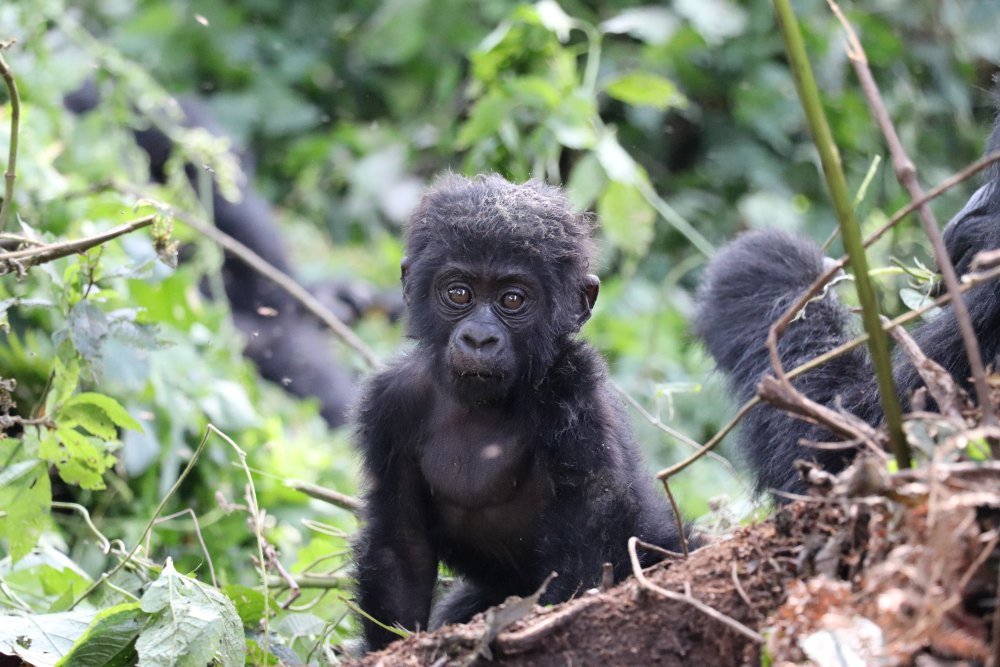
Mountain gorillas in Uganda live in two protected areas in the southwest: Bwindi Impenetrable National Park and Mgahinga Gorilla National Park. These parks sit in high mountains. The forests are thick, ancient, and often covered in mist.
The climate here is wet and tropical throughout the year. Daytime temperatures usually stay around 24 to 25°C, so it feels warm but not too hot. Early mornings and nights can be cool. The air is often humid because of the dense vegetation and frequent rainfall.
There are two rainy seasons and two drier seasons each year. Rains normally fall from March to May and again from September to November.
The drier periods run from December to February and from June to early September. Even during these months, rain can still happen because this is rainforest, so you should always be ready for a sudden shower.
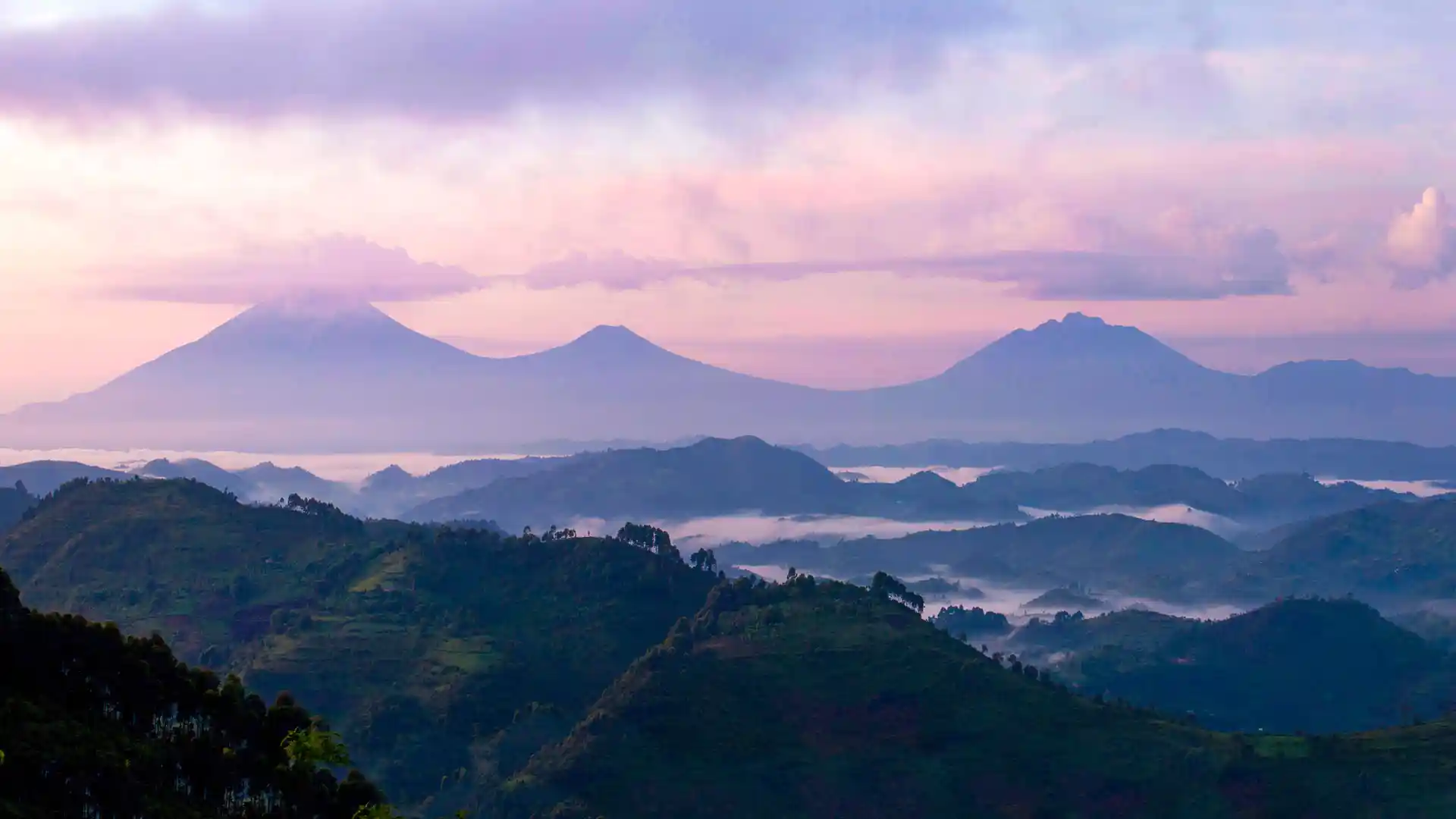
Many travelers consider the dry months the best time to see gorillas in Uganda because the trails are less muddy and easier to walk.
However, the rainy season also has its advantages. The forest becomes very green, fresh, and full of life, which many visitors find just as impressive.
Trekking gorillas in the rainy season
The rainy season runs from March to May and again from September to November. During this time, rain can be heavy, and forest trails often become muddy and slippery.
Trekking may feel a little bit harder because you must walk carefully on wet ground and steep slopes. Good hiking boots, waterproof clothing, and a positive attitude will help you a lot. Even with the rain, gorilla trekking takes place every day.
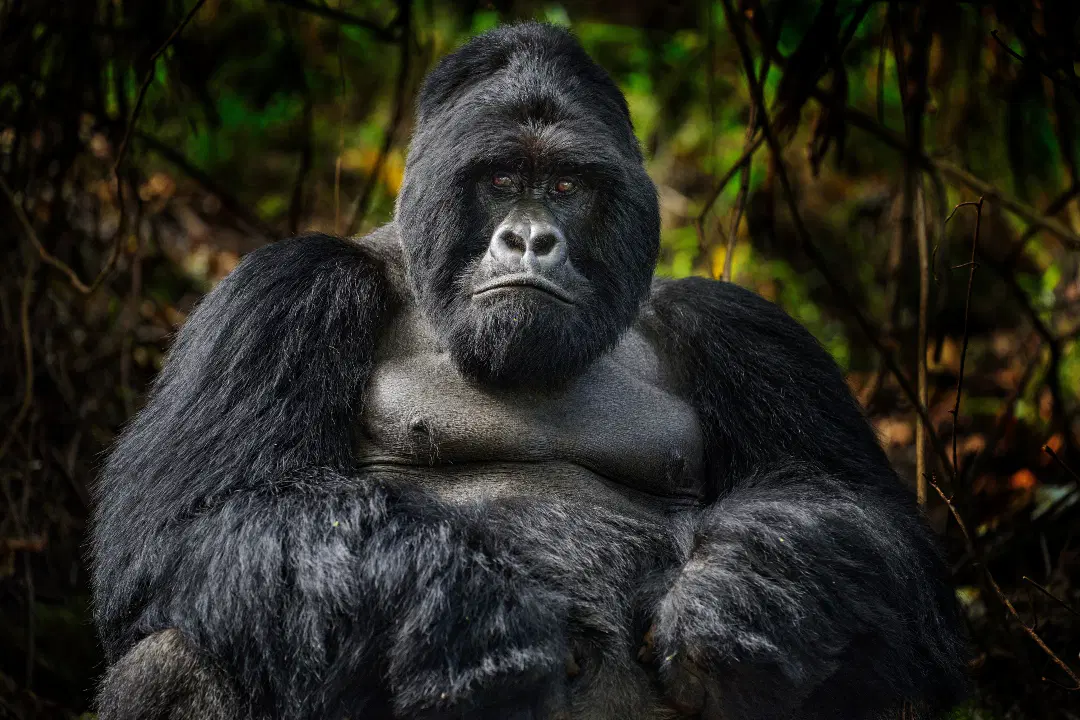
Gorillas do not hide or run away because of rain. They continue feeding, resting, grooming, and caring for their young just as they normally do. In fact, seeing them in the rain can feel very real, because this is the environment they live in most of the year.
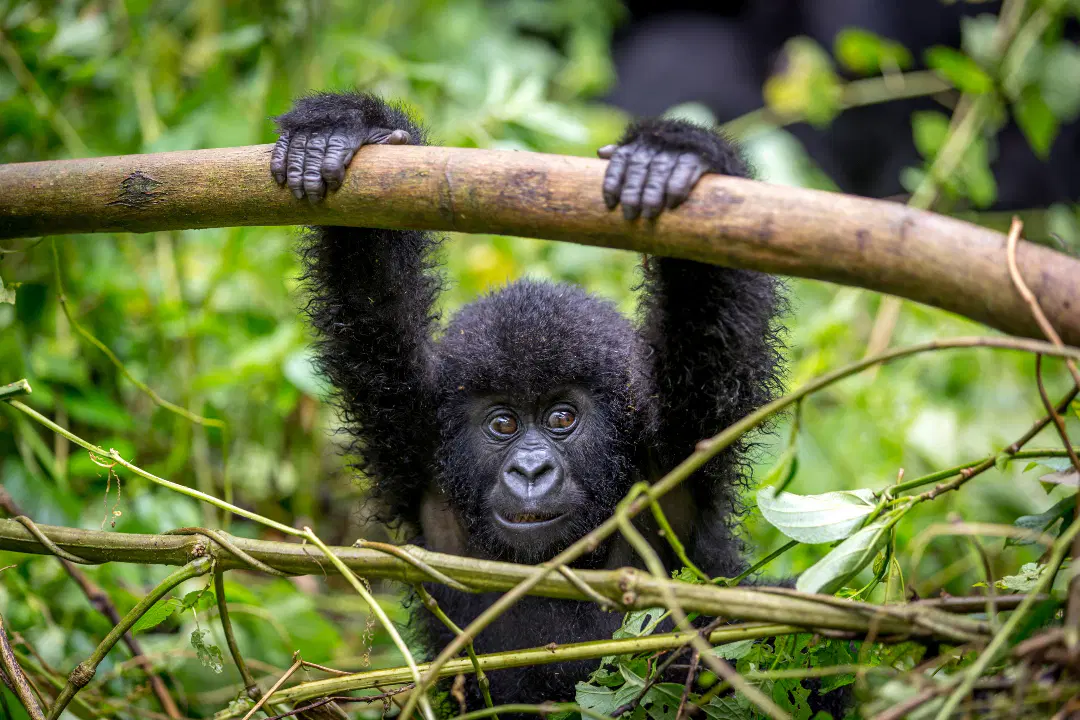
One big advantage of traveling in the rainy season is the smaller number of visitors. The parks are quieter, and you will not see large crowds.
Your experience can feel more personal and peaceful. It is also easier to get permits, even if you book closer to your travel date.
Cost is another strong reason to visit at this time. In some wet months, especially April, May, and November, gorilla trekking permits are discounted from USD 800 to USD 600. Accommodation prices are also lower, and some high-end lodges offer very good deals. This makes the trip much more affordable for many travelers.
The forest looks its greenest during the rainy season. Rain helps plants grow quickly, rivers fill up, and flowers appear across the landscape.
Everything feels fresh and full of life. Food is also abundant for gorillas, so they may not need to travel far to eat. This can sometimes mean shorter treks, although it is never guaranteed since gorillas move freely in the wild.
Gorilla trekking in the dry season
The dry season runs from December to February and from June to early September.
Many travelers consider this the best time to see gorillas in Uganda. Rainfall is lower and hiking feels easier. The trails can still be steep and challenging, but they are less muddy and less slippery, so you can walk with more confidence.
With less rain, the forest is usually clearer. There is less mist and fewer heavy clouds, which improves visibility. This makes it easier to see the gorillas and enjoy the surroundings. It is also the best time for photography because lighting is brighter and cameras are easier to protect from moisture.
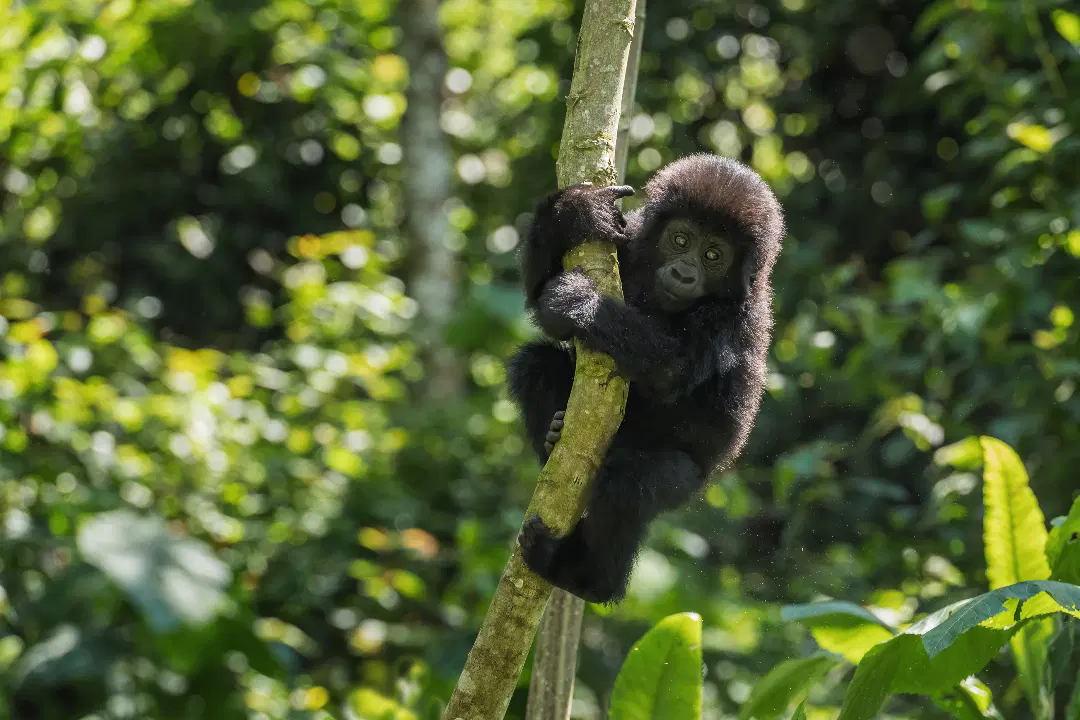
Because the weather is more predictable, this season attracts the most visitors.
Gorilla trekking permits are limited in order to protect the endangered animals, so they often sell out months in advance.
Lodges near the parks also fill up quickly. If you plan to travel during this period, it is wise to book early to secure your preferred dates and accommodation.
The dry season is also ideal for other activities across Uganda. Wildlife safaris are often more rewarding because grass and vegetation are thinner, making animals easier to spot. Chimpanzee trekking, guided nature walks, and river adventures are also very popular at this time. Roads are usually in better condition, which makes travel between parks smoother and more comfortable.
Even so, Bwindi and Mgahinga are still rainforest environments. Rain can fall at any moment, even in the driest months. You should always carry rain gear and warm layers so you stay comfortable throughout your gorilla trek.
How far in advance do you book your gorilla trekking trip to Uganda?
How early you should book depends mainly on when you plan to travel. During the dry season, demand is very high because this is the best time to see gorillas in Uganda. Permits are limited and must be secured in advance. If you plan to visit during these peak months, it is best to book about 6 to 12 months ahead, especially if you are traveling with a large group or want to stay in popular lodges.
If you plan to travel in the rainy season, you usually have more flexibility. Booking three to six months in advance is often enough because there are fewer visitors and more permits available. In some cases, last-minute trips are possible, but this always depends on permit availability and space in nearby accommodation.
Greenway Nature Tours can make planning your gorilla safari much easier. We help you secure permits, arrange transport, and choose lodges that match your budget and travel style. Booking early also gives you enough time to organize flights, Uganda visas, vaccinations, and travel insurance, so your trip runs smoothly from start to finish
Tailoring Your Gorilla Trek
Choosing the best time to see gorillas in Uganda depends on what matters most to you. You may want easier hiking, drier weather, and more sunshine. Or you may prefer fewer crowds, lower prices, and very green scenery.
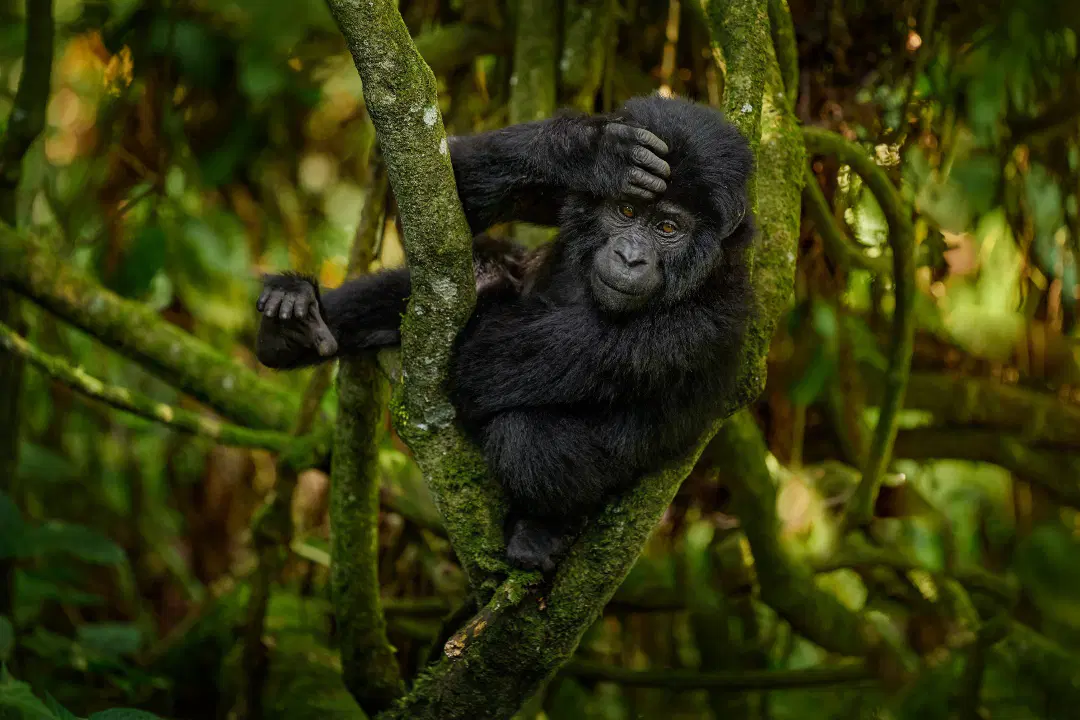
Both seasons offer an unforgettable encounter with these gentle giants. No matter when you visit, meeting a wild gorilla family face to face is deeply moving. You might watch a powerful silverback calmly protecting his group, or see a playful baby climbing and tumbling nearby. These quiet moments stay in your heart for years.
It is up to you to determine which benefits weigh the heaviest and, therefore, what the best time to travel to Uganda to see gorillas is for you. And if you can’t figure it out, we are of course happy to help. You can call, email and WhatsApp us.
Our Best Safaris In Uganda
Greenway nature tours
We are a fully licensed tour company accredited by the Uganda Tourism Board. We design and operate safaris in Uganda and East Africa. Our operations are based in Kampala, Uganda, the heart of our safari planning and coordination. Though our company was officially established in 2025, our team brings deep, hands-on knowledge of East Africa.
Destinations
Favourite Tours
Help & Info
- About us
- Travel Blog
- Travel FAQS
- Gorilla Permits Bookings
- Contact Us
- Pay Online