Coffee in Uganda: from bean to cup with a local family
When people think of Uganda, they usually think of mountain gorillas, chimpanzees, wildlife safaris, and beautiful landscapes. Few realize that Uganda is also one of largest coffee producers in Africa. In fact, for years, coffee has been one of the country’s most important exports and a source of income for millions of families. Yet, many visitors drive past thousands of coffee gardens during their safari without ever realizing how much work goes into a simple cup of coffee.
A coffee tour in Uganda is therefore much more than a tasting. It offers a genuine a glimpse into the daily life of a local farming family and introduces you to an important part of the Ugandan economy. From picking ripe coffee cherries to roasting the beans over an open fire, you’ll discover every step that transforms fresh coffee into the cup in your hands.
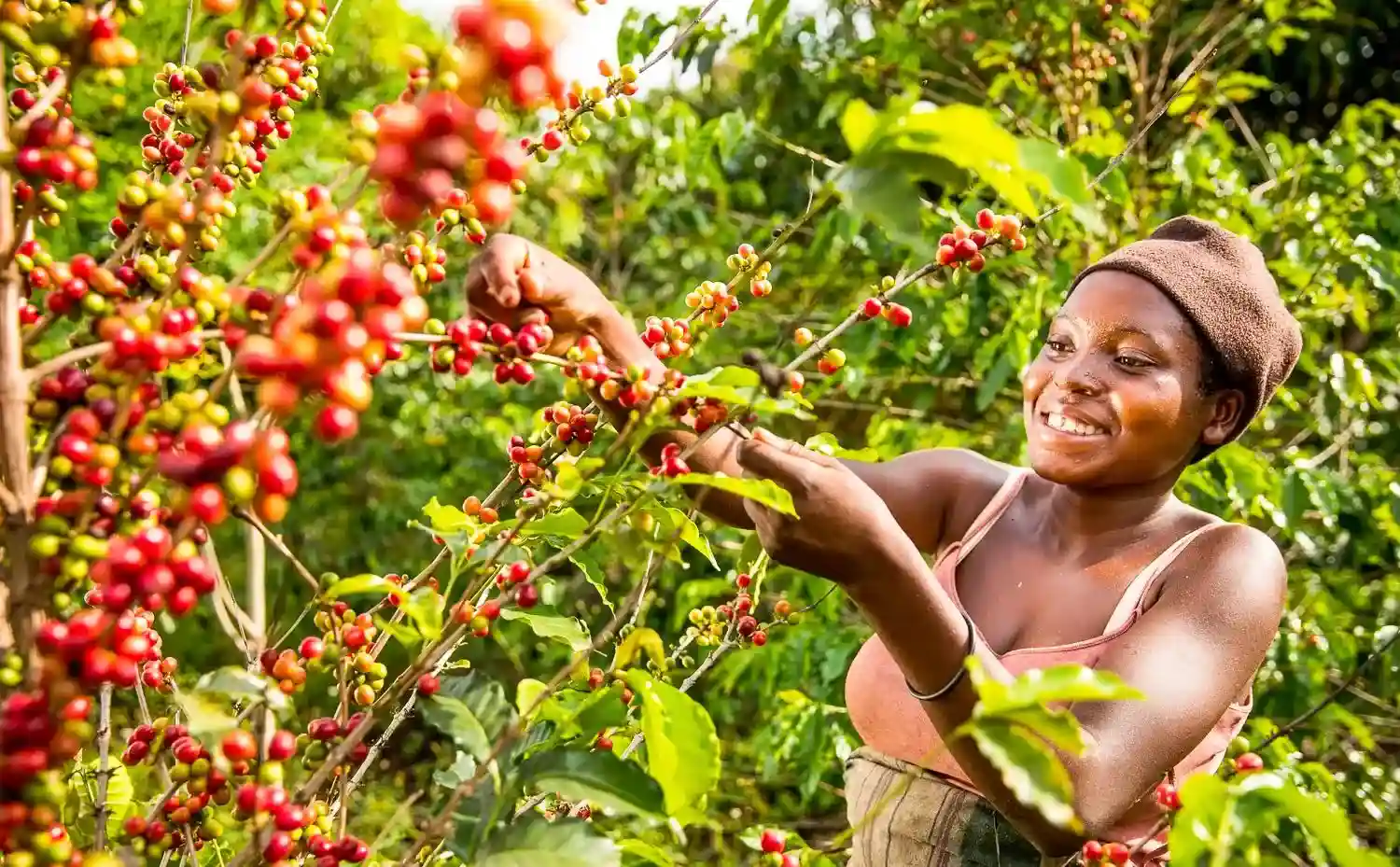
Why is coffee so important to Uganda?
Coffee is one of Uganda’s most important crops. It provides a direct or indirect source of income for millions of people across the country. Most of it is grown by small family farmers who have been producing coffee for generations. While coffee is often enjoyed as a luxury product in Europe, it means much more in Uganda. The income from each harvest helps families pay school fees, cover medical expenses, and meet their everyday needs. That is why visiting a coffee farm is so rewarding. You learn not only about coffee, but also about the people who grow it and the way of life it supports.
Where in can you take a coffee tour in Uganda?
Sipi Falls Area
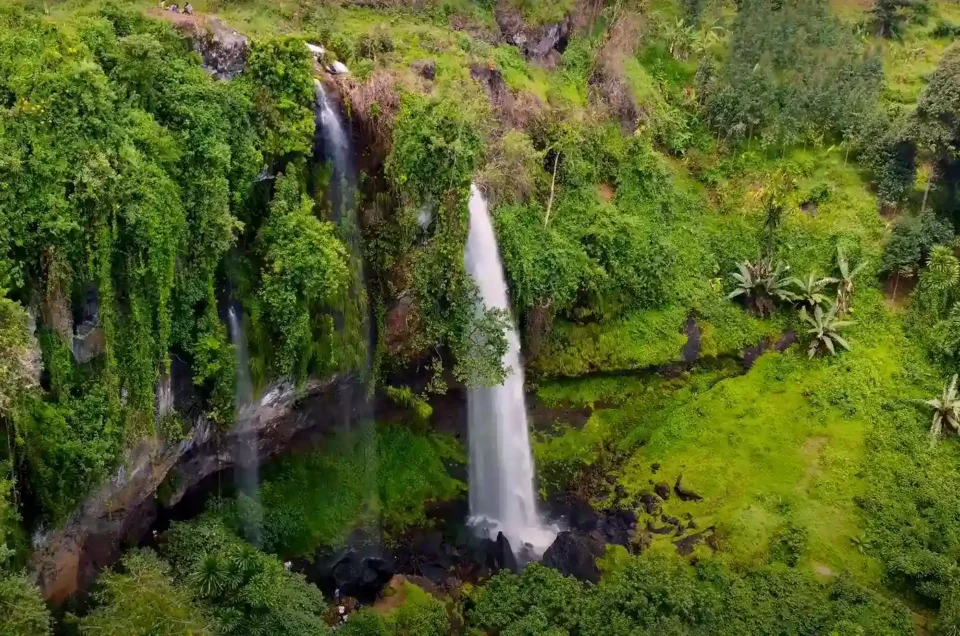
The area around the beautiful Sipi Waterfalls in Eastern Uganda is probably the best-known place for coffee tours. It lies on the slopes of Mount Elgon, where rich volcanic soil, high altitude, and a cool climate create perfect conditions for growing Arabica coffee.
Local families have farmed coffee here for generations on small mountainside plots. During a coffee tour, you visit a local family farm. They explain every step of the process, from picking ripe coffee cherries to roasting the beans and preparing a fresh cup of coffee.
Fort Portal and Kibale Forest
The fertile countryside around Fort Portal and Kibale Forest National Park is another excellent place to discover Uganda’s coffee culture. Here, you’ll find both small family farms and larger coffee estates surrounded by beautiful green landscapes. A coffee tour in this region offers a wonderful contrast.
In the morning, you can track wild chimpanzees through the rainforest of Kibale National Park. Later, you can visit a local coffee farm and learn how coffee is grown, harvested, roasted, and prepared. It is a perfect combination of wildlife, nature, and authentic rural life.
Other coffee regions
Coffee is grown across many parts of Uganda. Other important coffee-growing regions include:
- Masaka
- Rwenzori Mountains
- Kanungu
- Kisoro
- Bushenyi
- Ntungamo
Each region has its own climate, altitude, and soil. These natural differences influence the flavour, aroma, and character of the coffee, giving every region its own unique taste.
How does a traditional coffee tour proceed?
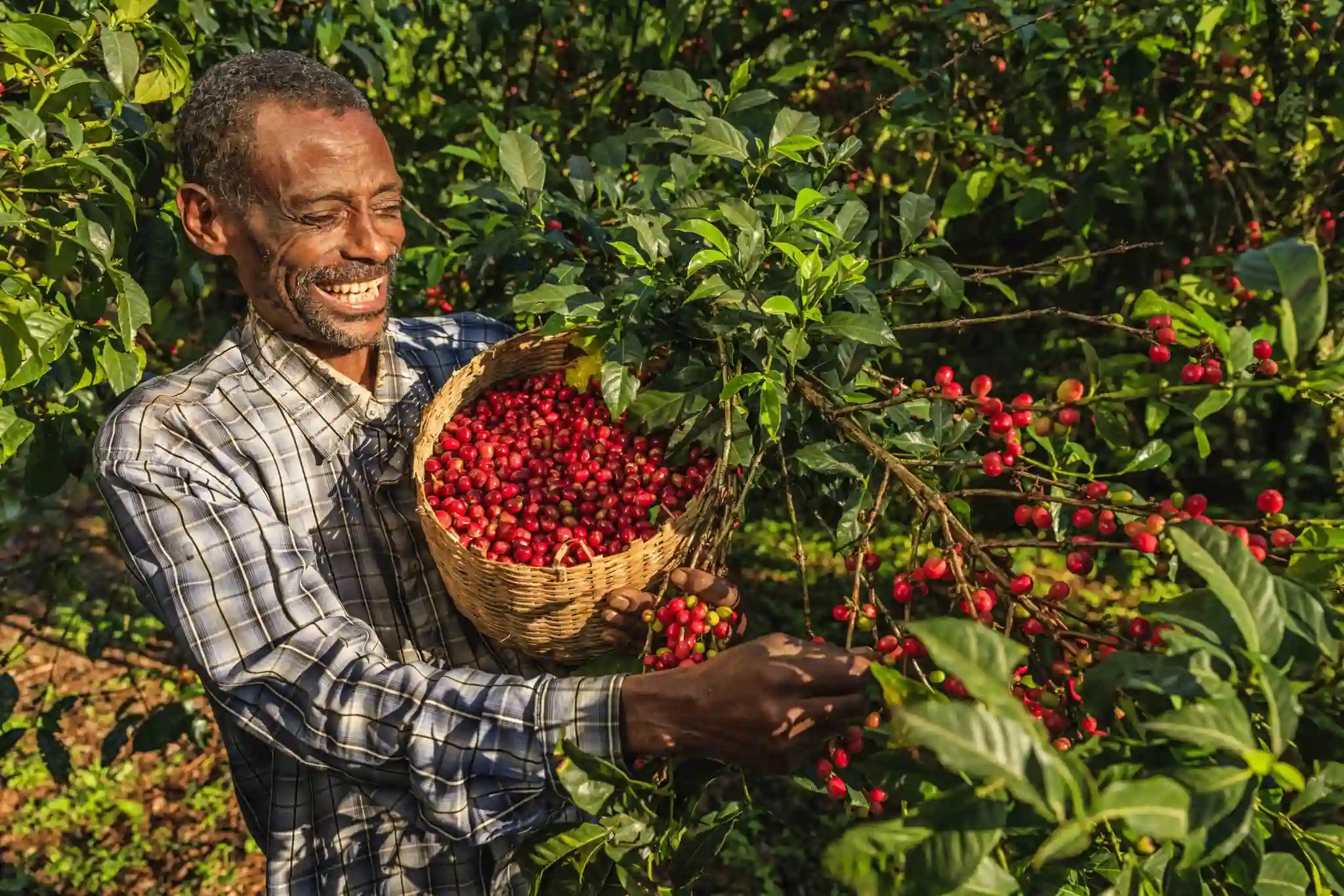
One of the best things about a coffee tour in Uganda is its authenticity. Instead of visiting a polished tourist attraction, you are often welcomed onto a local family’s farm. Here, you experience coffee production exactly as it has been done for generations.
The process to a delicious cup of coffee usually proceeds in the following order:
1. The coffee plant
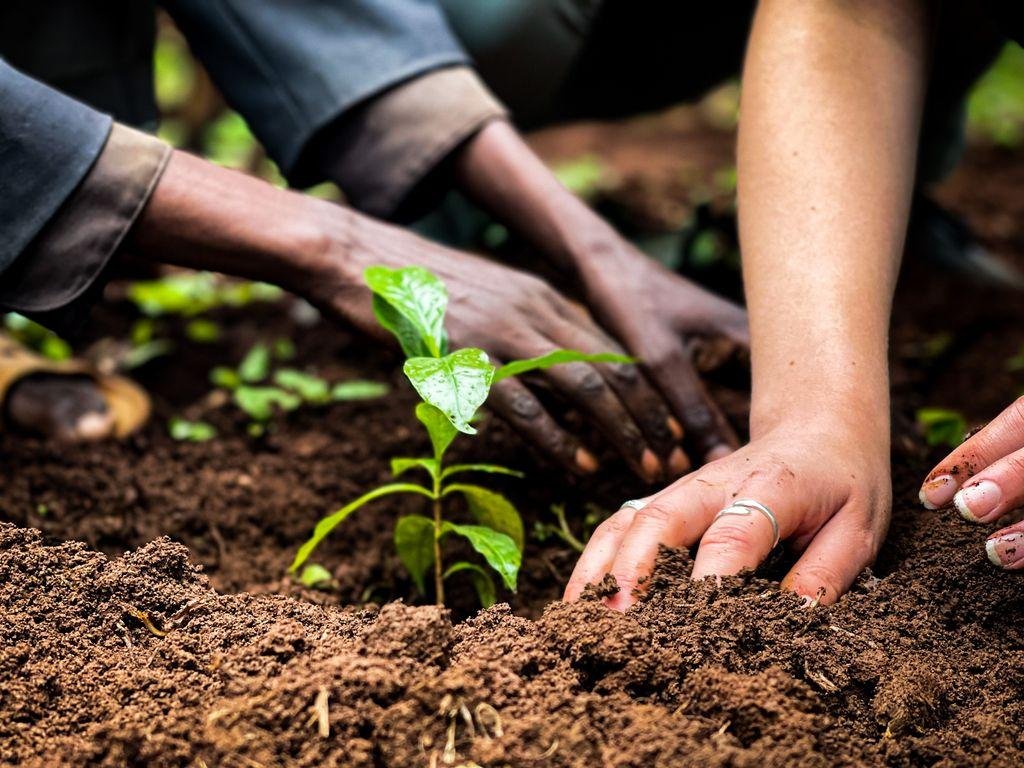
Your tour begins in the coffee garden. You will learn how coffee is grown, how long it takes for a plant to produce fruit, and how farmers know when the cherries are ready to harvest. Although the bright red coffee cherries are picked by hand, choosing only the perfectly ripe ones takes skill, patience, and years of experience.
2. Removing the flesh
After harvesting, the outer flesh of the coffee cherries is removed to reveal the beans inside. Depending on the farm, this is done by hand or with a simple hand-operated pulping machine. It is careful work that requires both time and effort. This is often the moment when visitors begin to appreciate just how much hard work goes into producing a single cup of coffee.
3. Drying the beans
The beans are then spread out in the sun to dry naturally. Depending on the weather, this process can take anywhere from a few days to several weeks. During this time, the beans are turned by hand several times a day to ensure they dry evenly and to prevent mould from developing. Patience is essential, as proper drying has a major influence on the quality and flavour of the final coffee.
4. Mashing and peeling
One of the most enjoyable parts of the tour is taking part in the traditional pounding of the dried beans using a large wooden mortar and pestle. This process removes the final outer layer that still covers the beans. Visitors are often invited to join in, making it a fun and memorable hands-on experience. After a few minutes of pounding, you will quickly realize just how much effort goes into producing every cup of coffee.
5. Roasting over an open fire
Next, the coffee beans are roasted over charcoal or an open fire using traditional methods. The beans are stirred continuously to ensure they roast evenly without burning. As they slowly change from green to rich brown, they begin to release the warm, familiar aroma that fills the air. It is often at this stage that visitors truly recognize the unmistakable smell of freshly roasted coffee.
6. Grinding and brewing
The final step is grinding the roasted beans and brewing a fresh pot of coffee. You then sit down with the family to enjoy a cup together, often while chatting about their daily life and traditions. After seeing every stage of the process with your own eyes, every sip becomes more meaningful. Freshly brewed on the farm where it was grown, the coffee has a flavour and authenticity that is hard to find anywhere else.
Is a coffee tour worth it?
Absolutely. If you’ve ever wondered how your daily cup of “black gold” is made, a coffee tour is one of the most rewarding experiences you can have in Uganda.
Seeing the entire journey from the coffee garden to your cup gives every sip a whole new meaning. If you are interested in local culture, a coffee tour is just as special. It offers a genuine look into everyday life and lets you spend time with the families who have been growing coffee for generations.
During the tour, you will discover:
- How local families earn their living.
- The challenges coffee farmers face.
- How traditional knowledge is passed from one generation to the next.
- The important role coffee plays in local communities.
- How farming and nature exist side by side.
These personal moments are often the ones travellers remember long after their safari has ended. Uganda produces both Robusta and Arabica coffee, two of the world’s most popular coffee varieties. By the end of the tour, you will not only understand how they are grown and processed, but you will also have a much greater appreciation for the people behind every cup.
Robusta Coffee
Robusta coffee is actually native to Uganda and grows naturally around the Lake Victoria basin. It is known for its bold, full-bodied flavour, rich aroma, and higher caffeine content. This hardy variety thrives in Uganda’s warm, lowland climate and has been cultivated by local farmers for generations. Today, Robusta remains the country’s most widely grown coffee and one of Uganda’s most important agricultural exports.
Arabica Coffee
Ugandan Arabica coffee is mainly grown in high-altitude regions such as Sipi Falls area and the Rwenzori Mountains. The cooler climate and rich soils give the beans a unique character, often with delicate fruity, floral, and sometimes chocolatey notes.
Because of its excellent quality and distinctive flavours, Ugandan Arabica has gained attention among specialty coffee roasters in Europe and around the world. Many now seek out these carefully grown beans for their exceptional taste and the stories behind the farmers who produce them.
Who is a coffee tour suitable for?
A coffee tour in Uganda is a wonderful experience for many different types of travellers. It is not only about coffee, but also about people, culture, and everyday life.
The experience is perfect for:
- Coffee lovers who want to discover the story behind their favourite drink.
- Families with children looking for a fun and educational activity.
- Photographers who enjoy capturing local life and beautiful landscapes.
- Travellers who want to connect with local communities.
- Anyone who wants to combine culture with nature during their Uganda adventure.
Because these tours are often hosted by local farming families, they offer a warm, personal, and authentic experience that goes beyond a typical sightseeing activity.
Practical Tips
How long does a coffee tour last?
Most coffee tours take between two and four hours, depending on the location and activities included.
Do you have to walk a lot?
It depends on where you visit. In Sipi Falls, for example, the tour often includes a short walk-through coffee garden on the green hillsides. The views are beautiful and offer great photo opportunities along the way.
Can you buy coffee?
Yes. Many local farmers and cooperatives sell freshly processed Ugandan coffee, allowing you to take a taste of your experience home with you.
Is the tour suitable for children?
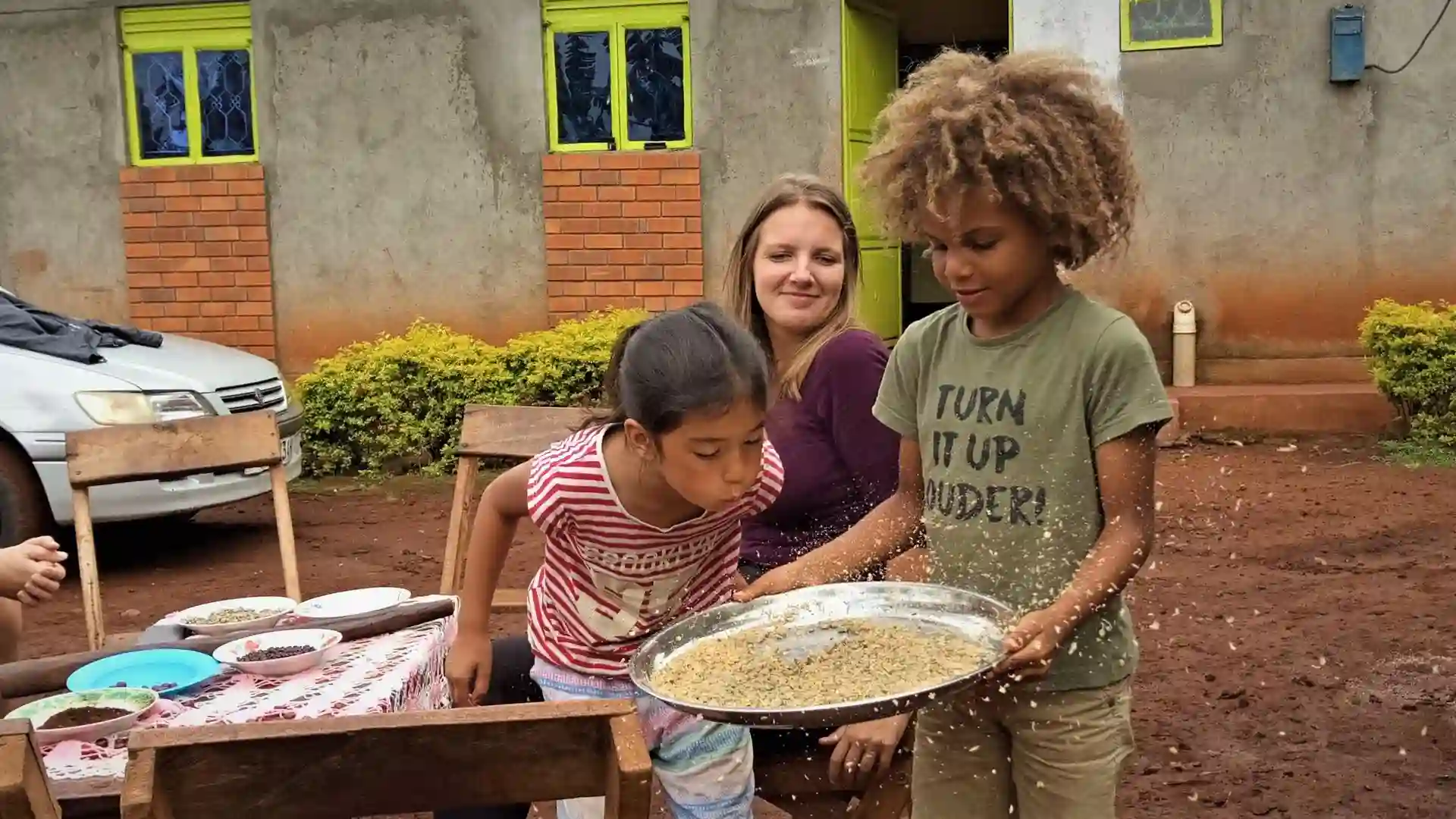
Absolutely. Children often enjoy the hands-on activities, especially pounding, roasting, and grinding the coffee beans. It is a fun way for them to learn about local culture and farming. For more ideas on travelling with children in Uganda, CONTACT US.
Why we often recommend a coffee tour
A trip through Uganda is not only about the famous highlights. Gorillas, chimpanzees, and wildlife safaris are unforgettable experiences, but the smaller moments often make a journey even more special. A coffee tour takes you beyond the national parks and into the heart of local life. You meet farming families, hear their stories, and discover the care and effort behind a simple cup of coffee you may enjoy every day at home. It may not be the first experience you think of when planning your Uganda trip, but it is often one of the memories travellers value most when they return home.
FAQs about coffee Tours in Uganda
Is a coffee tour included in a Uganda safari?
It depends on the itinerary. Since most Uganda trips are tailor-made, a coffee tour can easily be added as an extra cultural experience.
How much does a coffee tour cost?
Prices vary depending on the location, activities, and provider. However, coffee tours are generally affordable and offer great value for the experience.
Which region is best for a coffee tour?
Sipi Falls area is one of the most popular places for a coffee experience in Uganda. Other excellent options can be found around Fort Portal, Kibale Forest, and several coffee-growing regions across the country.
Can I combine a coffee tour with other activities?
Yes. Coffee tours combine perfectly with activities such as hiking, visiting waterfalls, cultural experiences, or chimpanzee trekking.
Is Uganda an important coffee-producing country?
Yes. Uganda is one of Africa’s largest coffee exporters, and coffee plays a vital role in the lives of millions of farmers and their families across the country.
May we put together your Uganda Tour?
A coffee tour is most rewarding when it becomes part of a bigger Uganda adventure, not just a separate activity. It can be a peaceful stop after exciting safari days or a meaningful cultural experience on the way to the mountains and gorillas of southwestern Uganda.
The best timing depends on your route, travel style, and the experiences you want to enjoy along the way. A well-planned coffee visit should feel natural, without long detours or a rushed schedule.
At Greenway Nature Tours, we are Ugandans who know our country beyond the famous highlights. We understand the roads, the communities, and the small details that turn a good trip into an unforgettable one. We carefully plan each journey so your coffee experience fits perfectly into your safari. Would you like to discover what your Uganda adventure could look like? Request your tailor-made travel proposal, and we will create a journey designed around your interests, pace, and dreams.
You May Also Like
Greenway nature tours
We are a fully licensed tour company accredited by the Uganda Tourism Board. We design and operate safaris in Uganda and East Africa. Our operations are based in Kampala, Uganda, the heart of our safari planning and coordination. Though our company was officially established in 2025, our team brings deep, hands-on knowledge of East Africa.
Destinations
Favourite Tours
Help & Info
- About us
- Travel Blog
- Travel FAQS
- Gorilla Permits Bookings
- Contact Us
- Pay Online