Taking photos and videos during your trip in Uganda? Here are some tips.
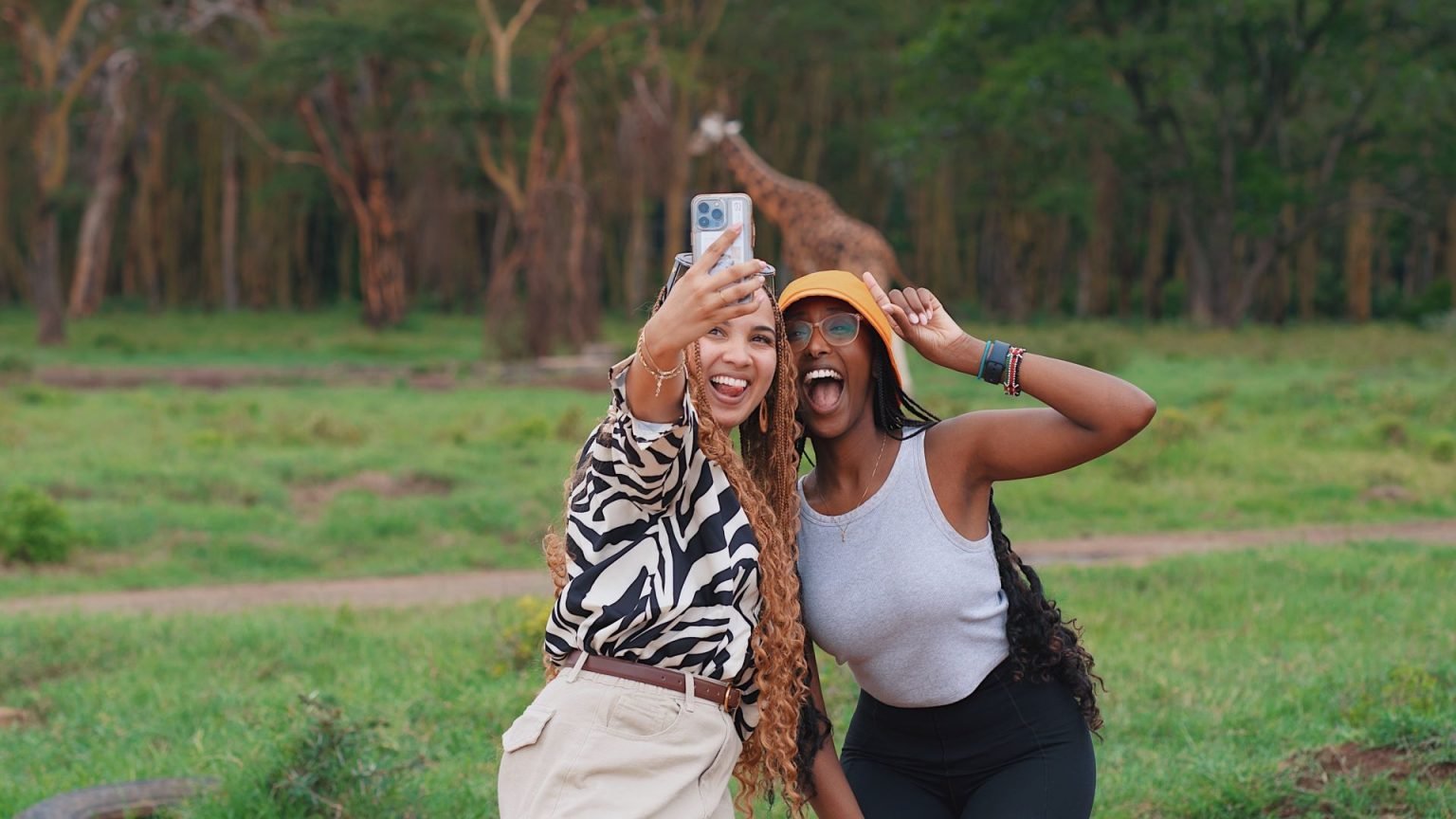
When you travel to Uganda, you will naturally want to capture what you see. So that you can look back on your trip or share your beautiful images with family and friend. Most people take photos with their phones, but there is also a group that takes it more seriously and travels with a camera. Whatever you choose, a little preparation can make a big difference. If you are planning to bring a camera on your Uganda safari, here are a few practical tips on what to pack and how to make the most of your photography.
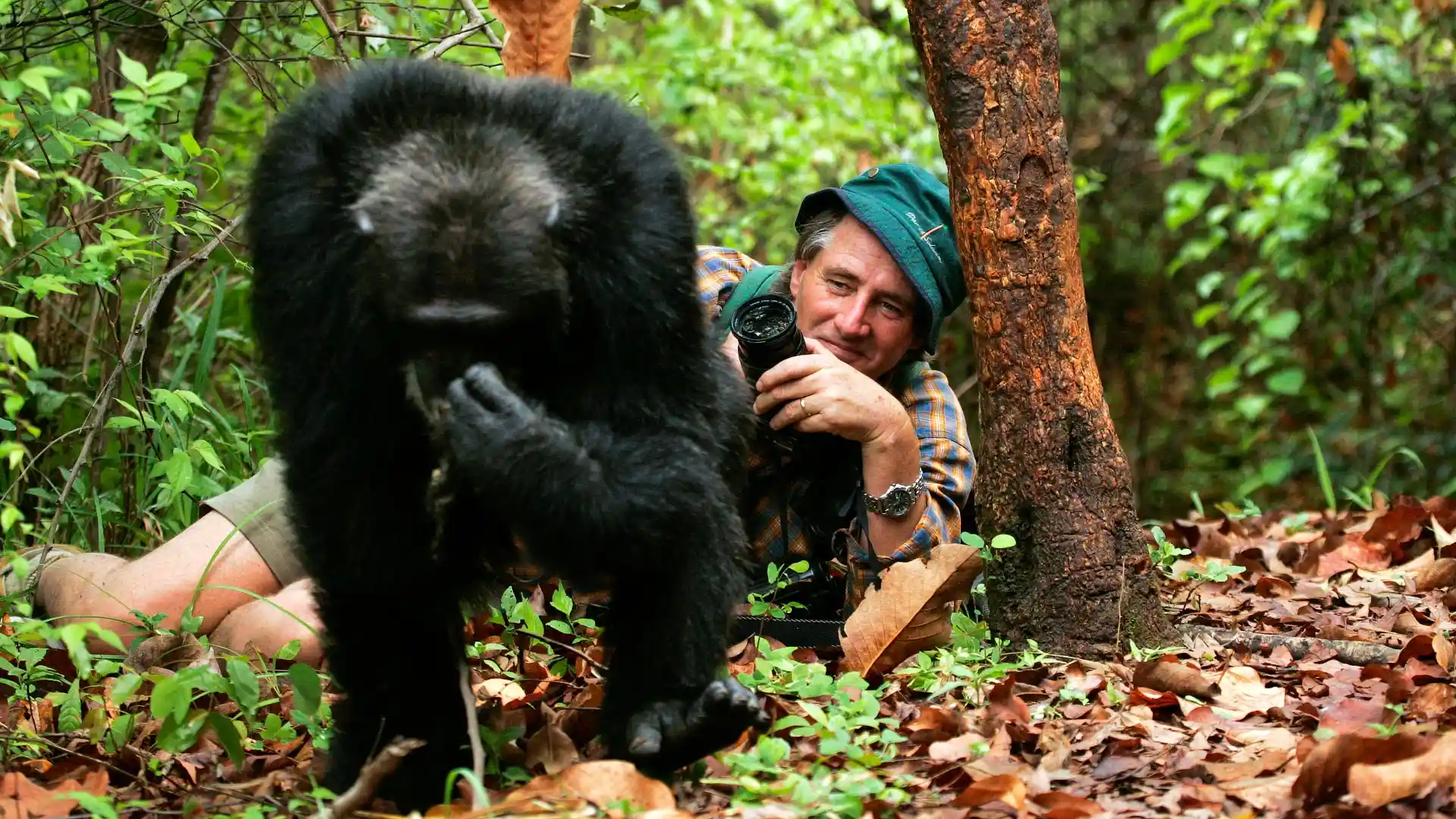
The camera itself
For most visitors, one good camera is all you need. Unless you are travelling to Uganda specifically for professional photography or filmmaking, there is no need to carry two camera bodies. A reliable camera that you know well will be more than enough to capture your safari memories.
Multiple lenses
The right lens depends on what you want to photograph.
A 70–200 mm telephoto lens is ideal for wildlife. It allows you to photograph animals from a distance while making them appear much closer. This is especially useful when you cannot get close to the wildlife but still want sharp, detailed images.
A 16–35 mm wide-angle lens works beautifully for landscapes. It allows you to capture Uganda’s sweeping savannahs, mountains, forests, and lakes in a single frame.
If you enjoy photographing people, a 50 mm portrait lens is another excellent option. It is compact, lightweight, and produces natural-looking portraits. Because it is less intimidating than larger lenses, people often feel more comfortable in front of the camera.
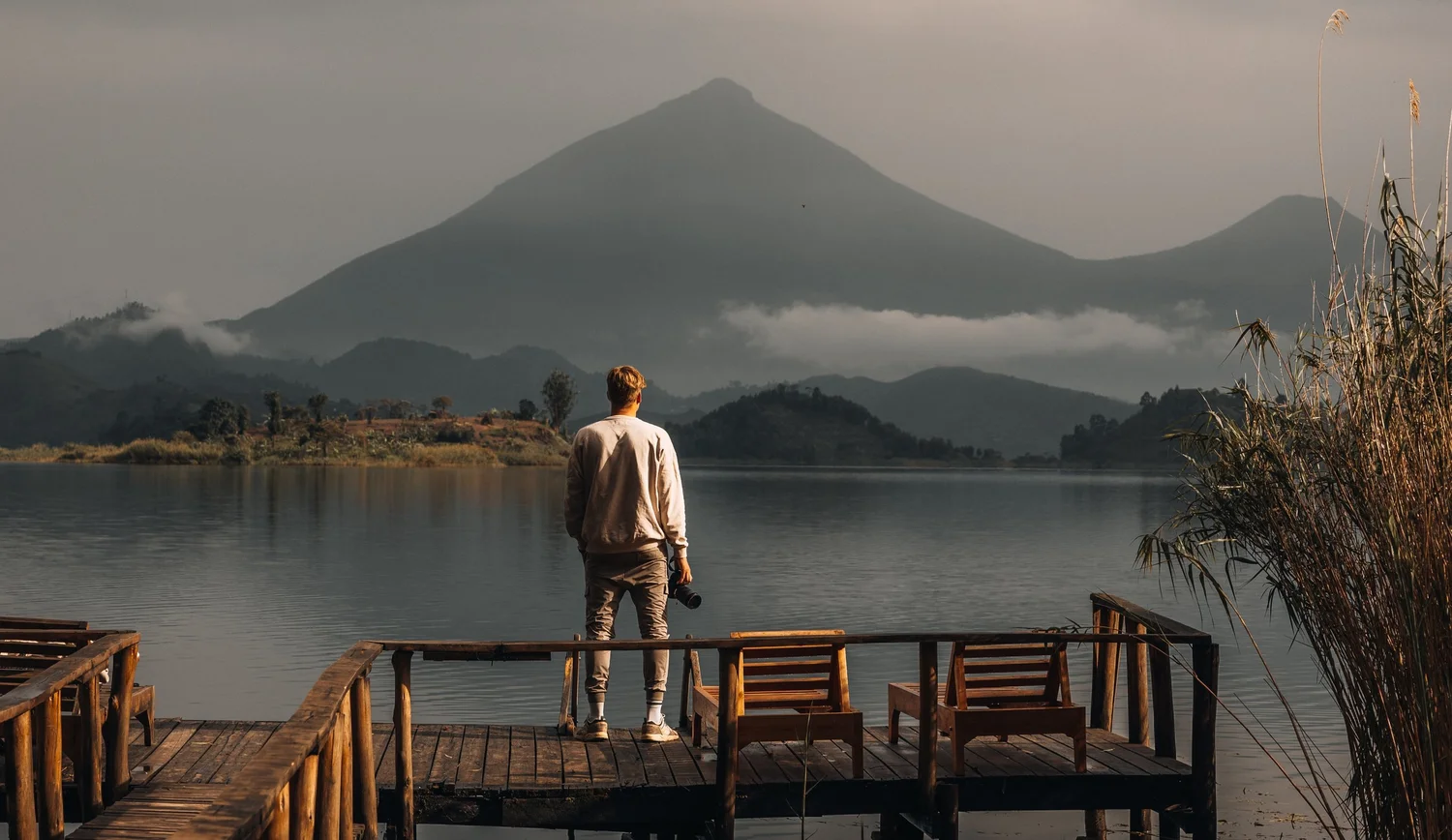
Bring Enough Batteries
Always carry extra batteries. On some days you may spend many hours on the road or out in the field, with little opportunity to recharge your equipment. Although most lodges have charging facilities, it is always better to have spare batteries than risk missing a once-in-a-lifetime moment.
Tripod or no tripod?
If you are using a 70–200 mm telephoto lens, a tripod can help you produce sharper images. However, many travellers prefer to pack light. In many situations, you can simply rest your camera on your backpack or another stable surface. Bird photography is one exception. If you plan to use a 300–600 mm lens, a tripod is highly recommended to help stabilise your camera.
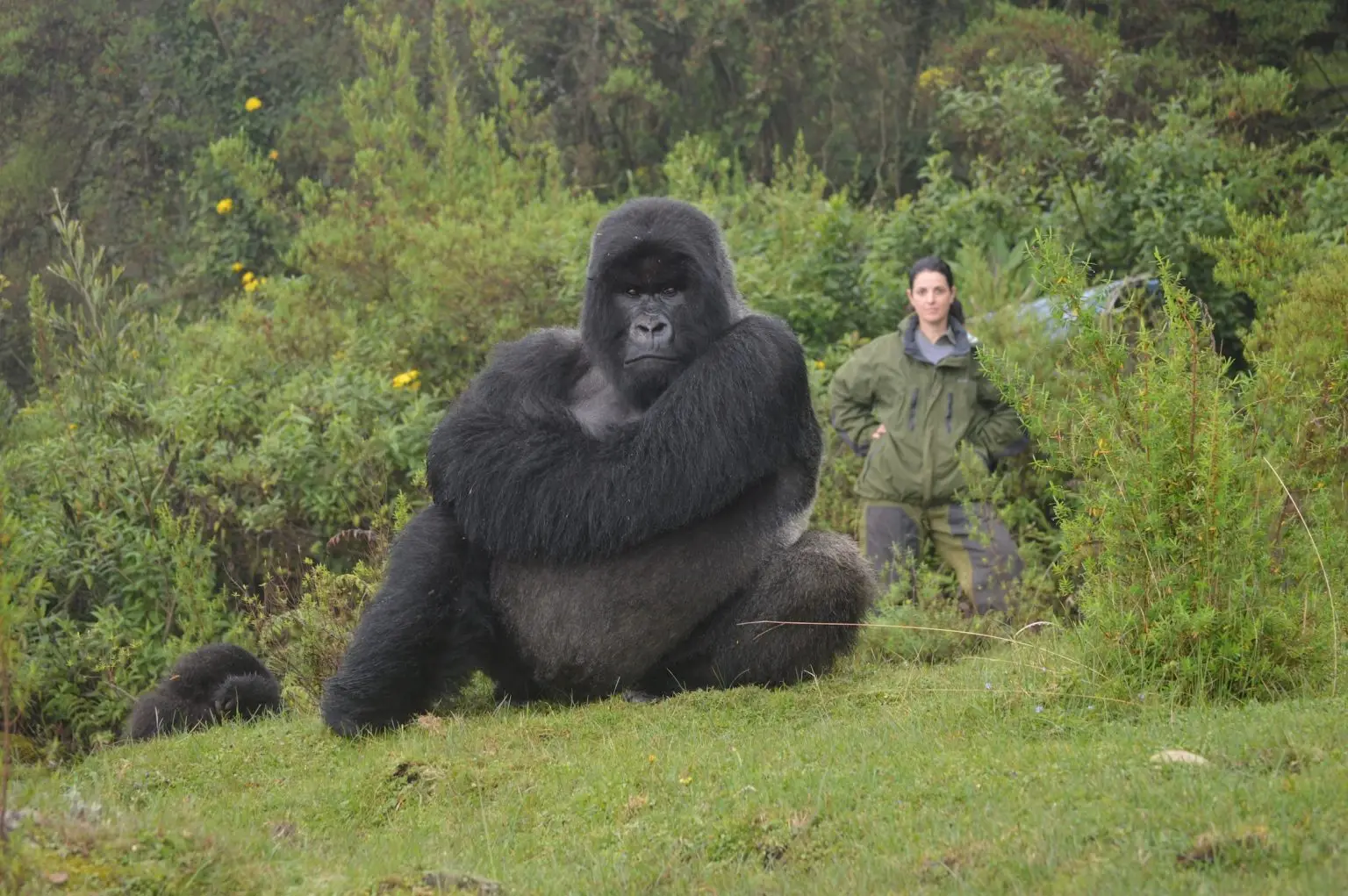
The camera bag
A comfortable camera bag is one of the most important pieces of equipment you can bring. Choose one with enough space for both your camera gear and everyday essentials, such as a water bottle. A bag with a hip belt is especially useful, as it helps distribute the weight and makes long walks much more comfortable.
Recommended Camera Gear at A Glance
If you are planning to travel with a camera, here is an example of a practical setup:
- 1–2 cameras with extra batteries (one camera is enough for most travellers)
- 70–200 mm telephoto lens: Sony 70–200mm f/2.8 GM
- 16–35 mm wide-angle lens: Sony 16–35mm f/2.8 GM
- 50 mm portrait lens: Sony 50mm f/1.2 GM (optional)
- Cleaning kit for your camera and lenses
- A comfortable camera bag, such as the Wandrd 31L Photo Bundle
- A camera clip to attach your camera to your backpack strap, so it is always within easy reach
Pack Light
One of the best pieces of advice we can give is to pack light. You will do quite a bit of walking and hiking during your trip, especially if you are tracking gorillas or chimpanzees. Carrying too much camera gear can quickly become tiring and take away from the experience. If your equipment becomes too heavy, don’t worry. During activities such as gorilla trekking and chimpanzee trekking, local porters are available and are always happy to help carry your backpack for a small fee.
You have to hike a lot, so it is not practical at all to carry a lot of stuff with you.
Another reason to travel light is your flight. We strongly recommend packing your camera equipment in your hand luggage. Checked baggage is not always handled carefully, and expensive camera gear can easily be damaged during transit.
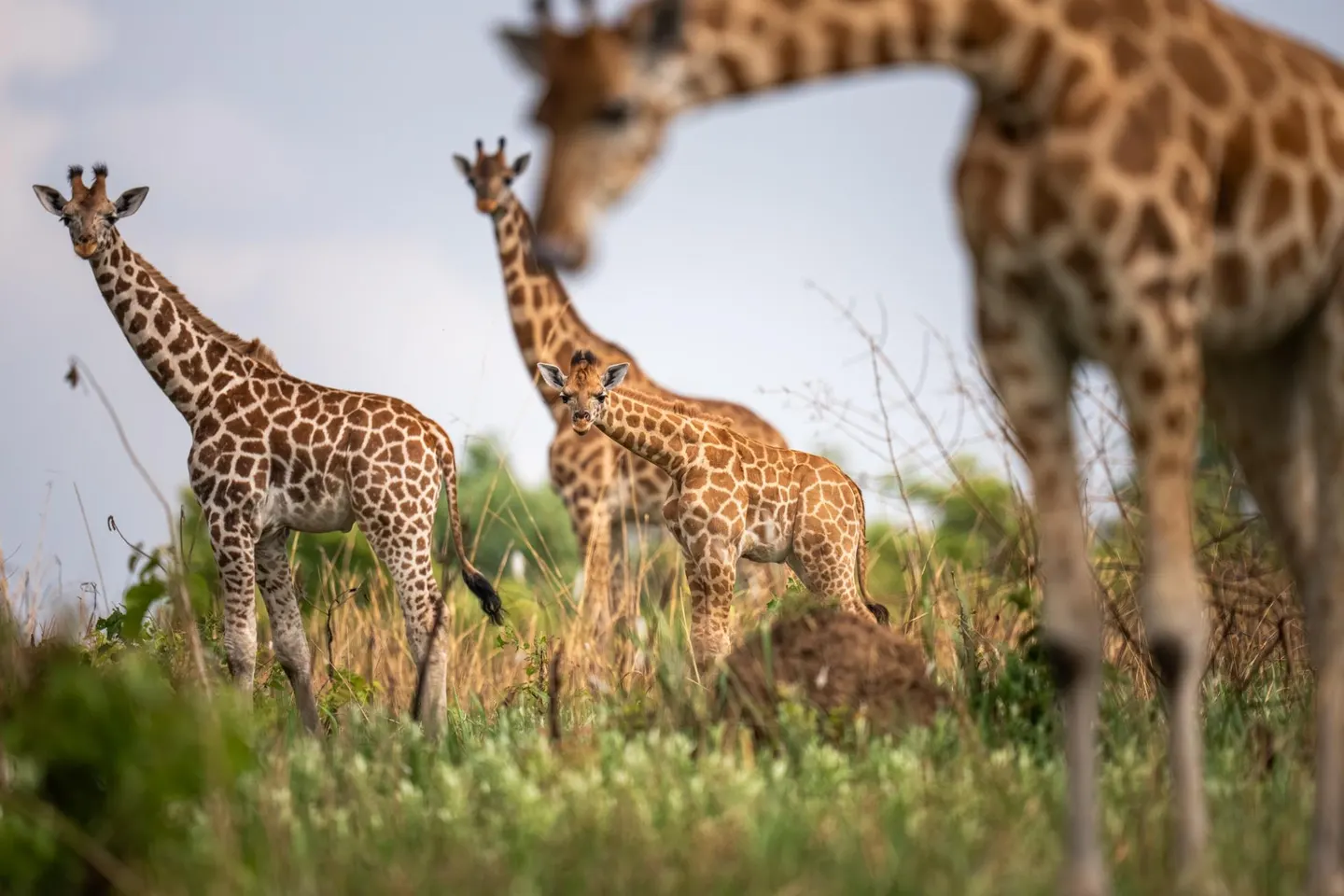
A Few More Photography Tips
When you finally come face to face with chimpanzees or other incredible wildlife, it is easy to get caught up trying to capture the perfect photo. Take your pictures, but don’t spend the entire experience looking through your lens. Put the camera down from time to time and simply enjoy the moment. Some of the best memories are the ones you experience with your own eyes.
Above all, look around you and don’t view everything through your lens. That is a waste.
When photographing wildlife, feel free to take as many pictures as you like. However, photographing people is different. Always ask for permission before taking photos of local people, especially children. It is a simple sign of respect, and most people appreciate being asked first.
If someone were to take your photo without asking in your own country, you probably wouldn’t appreciate it. Likewise, you shouldn’t photograph people in Uganda without first asking for their permission.
We hope these tips help you prepare for your photography adventure in Uganda. If you are looking for more travel advice and inspiration, be sure to explore the other Uganda travel guides and blogs on our website.
More Articles
Greenway nature tours
We are a fully licensed tour company accredited by the Uganda Tourism Board. We design and operate safaris in Uganda and East Africa. Our operations are based in Kampala, Uganda, the heart of our safari planning and coordination. Though our company was officially established in 2025, our team brings deep, hands-on knowledge of East Africa.
Destinations
Favourite Tours
Help & Info
- About us
- Travel Blog
- Travel FAQS
- Gorilla Permits Bookings
- Contact Us
- Pay Online