Gorilla & chimpanzee trekking vs habituation: what's the difference?
Uganda is a diverse country with a lot to offer. But for most people, the mountain gorillas and chimpanzees are the main reasons to travel to Uganda. Seeing them in the wild is an incredible experience. But when you start planning, you will see different permit options. You can choose trekking. Or habituation. They may sound similar, but they are very different. The pace is different. The time is different. The depth of the experience is different. Both are special. Both are worth it. The right choice depends on what kind of encounter you want.
Here is a clear guide to help you choose:
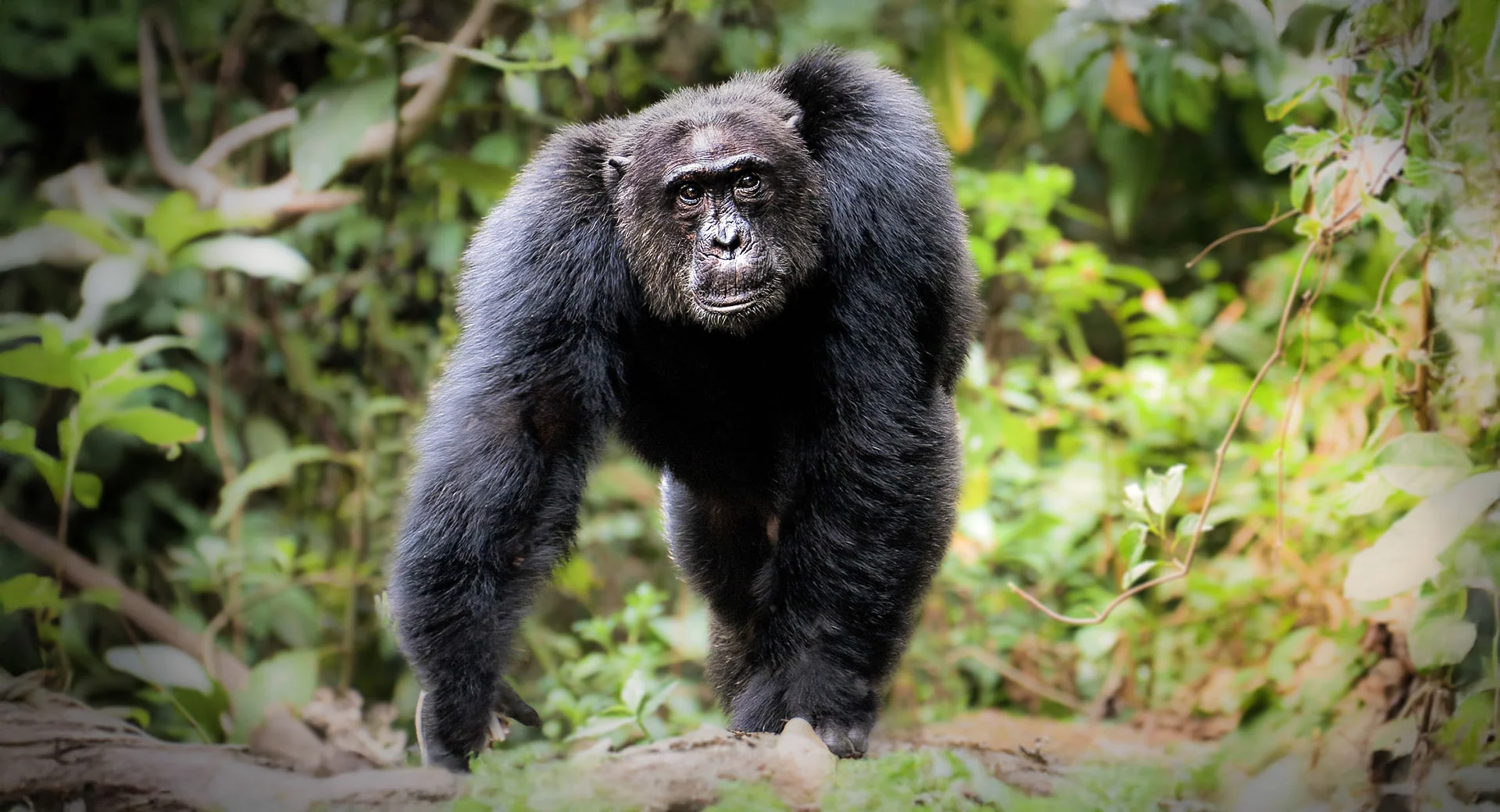
Gorillas
1. Gorilla trekking: a once-in-a-lifetime encounter
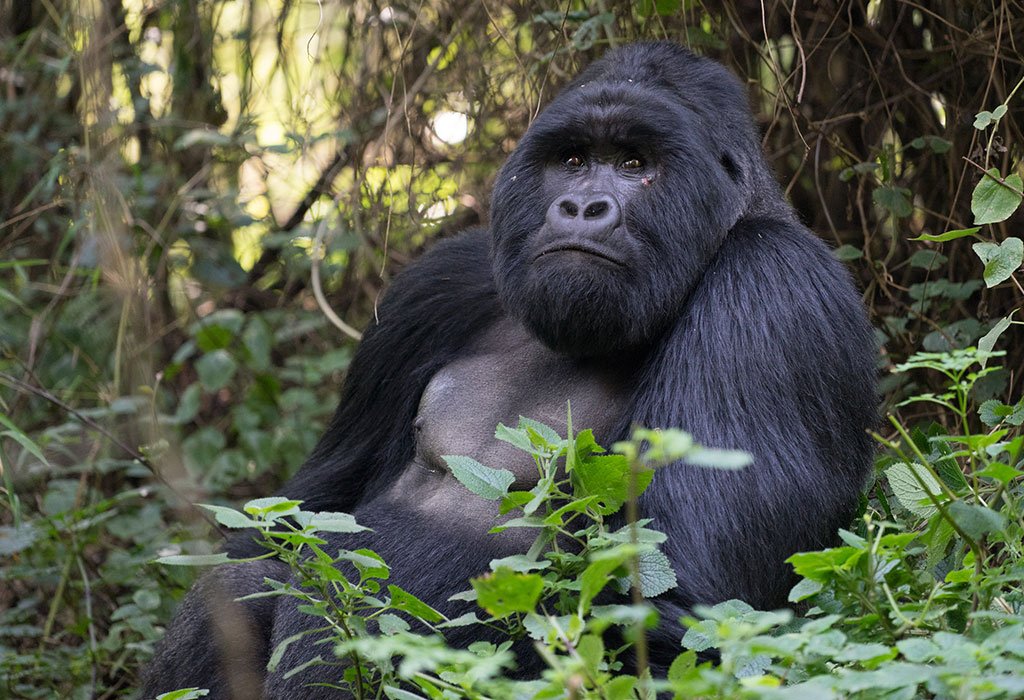
Gorilla trekking is the most popular way to see mountain gorillas in the wild. Your day starts early. You enter the rainforest with experienced rangers. You follow tracks. You listen. You move closer. The trek may be short and easy. Or longer and challenging. It depends on where the gorilla family is that day.
Then it happens. You find them. You spend one precious hour with a fully habituated gorilla family. They are calm. They are used to people. They continue their lives around you. Mothers groom their young. Juveniles play. The silverback watches quietly. The moment feels close. Emotional. Silent.
What to expect:
- A trek from 30 minutes to several hours
- One hour with the gorillas
- Clear rules to protect gorillas and visitors
- A short but powerful experience
Gorilla trekking is perfect if you have limited time. Or if it is your first primate encounter. The hour is short. The memory lasts forever.
2. Gorilla habituation experience: a deeper look behind the scenes
Gorilla habituation is different. You do not visit a fully habituated family. Instead, you join rangers and researchers working with gorillas that are still getting used to people. This is conservation in action. Trust is built slowly. Carefully. Respectfully.
You can spend up to four hours with the gorillas. Not just watching—but learning. You see how researchers identify each individual. You observe natural, sometimes cautious behavior. You witness the quiet process of building trust. It feels less like a visit. More like being part of the journey.
What to expect:
- A trek from 30 minutes to several hours
- One hour with the gorillas
- Clear rules to protect gorillas and visitors
- A short but powerful experience
Gorilla trekking is perfect if you have limited time. Or if it is your first primate encounter. The hour is short. The memory lasts forever.
Chimpanzees
1. Chimpanzee trekking: fast-paced and energetic
Chimpanzee trekking feels very different from gorilla trekking. Gorillas are calm. Chimps are not. They move fast. They climb. They call. They disappear into the forest in seconds. The trek feels like hide-and-seek. You follow distant calls. You move through the trees. Then suddenly, you find them. You spend about one hour with the group. They rarely stay still. They feed. They chase. They swing high above you. The forest feels alive with sound and movement. It is wild. Energetic. Unpredictable.
What to expect:
- A fast, active trek
- Loud calls echoing through the forest
- Chimps moving constantly, often high in the trees
- A raw, untamed wildlife experience
Chimpanzee trekking is perfect if you enjoy action. And if you don’t mind that the moment can be brief—but thrilling.
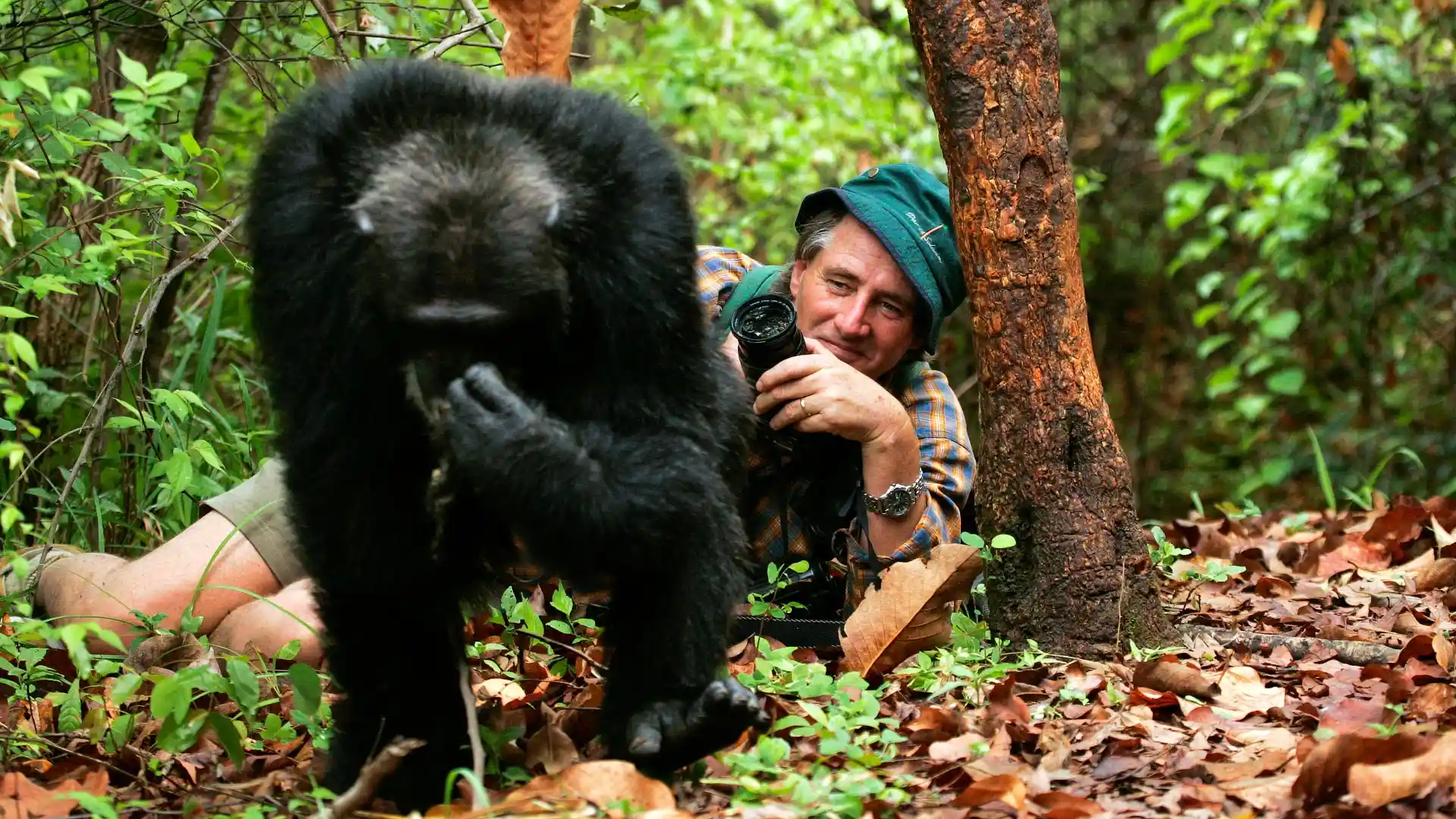
2. Chimpanzee habituation experience: spending a day in their world
Chimpanzee habituation is intense. And deeply rewarding. Your day starts early. Before the forest fully wakes up. You join rangers and researchers and head to the chimpanzees’ nesting site.
From there, you follow them as their day begins. They feed. They travel. They interact. They vanish into the forest and reappear again. You stay with them for hours. Not just watching—but understanding. You may see hunting. Use tools. Complex social moments. Real, unscripted life in the wild. It is raw. Educational. Immersive.
Key differences:
- Several hours, sometimes a full day with the chimps
- Early start and longer walks
- Deeper insight into chimp behavior
- Less predictability, more adventure
This experience is perfect if you are curious. Patient. And ready to step fully into their world.
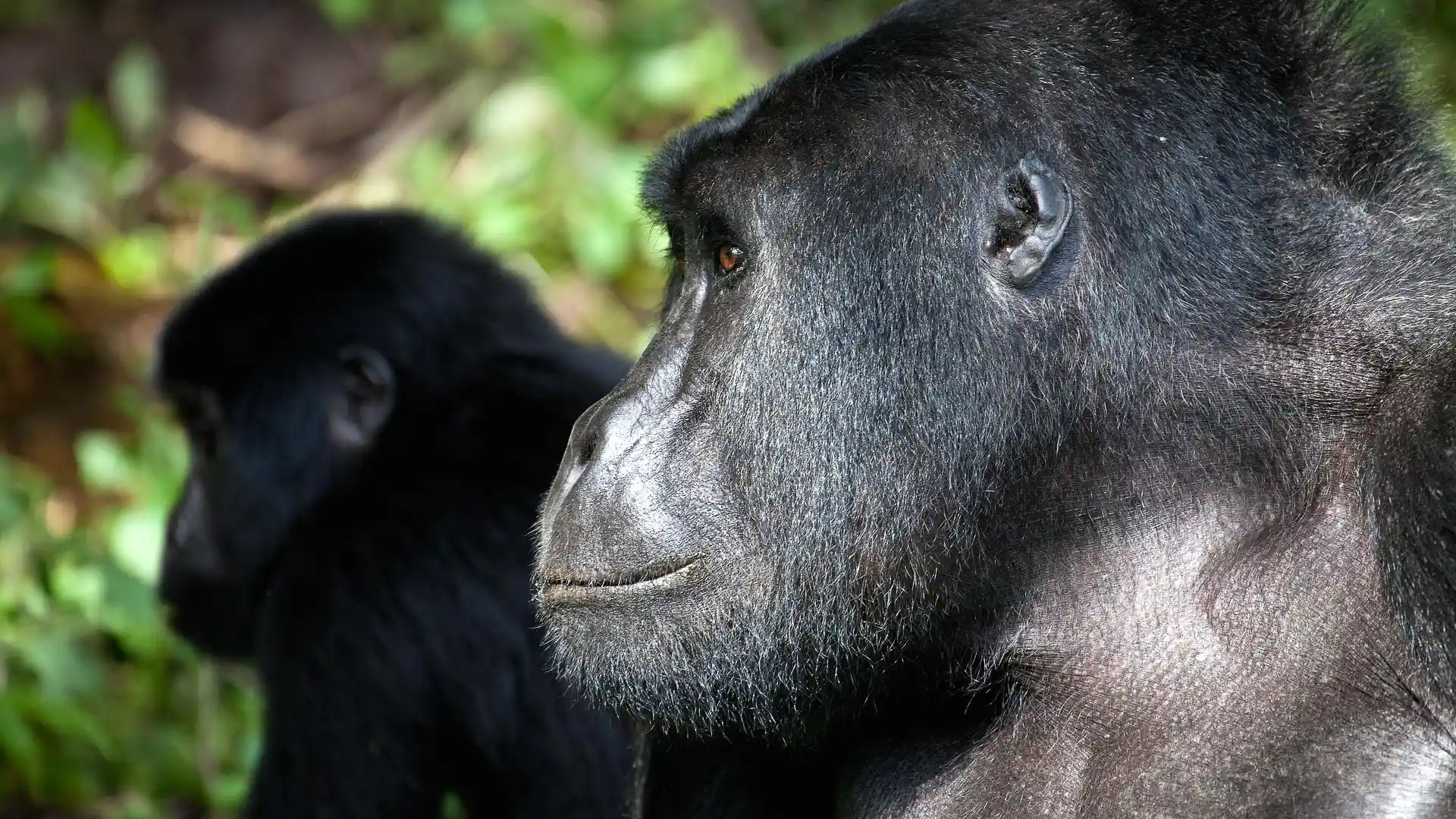
So… trekking or habituation?
There is no right or wrong choice. Only what fits your travel style, your interests, and the kind of experience you want to have in the forest.
Choose trekking if you:
- Have limited time during your safari
- Want a memorable and meaningful wildlife encounter
- Prefer a well-structured and predictable activity
Choose habituation if you:
- Love immersive and educational wildlife experiences
- Are physically fit, patient, and enjoy longer days
- Want to see conservation and research in action
One thing is guaranteed. Spending time with gorillas or chimpanzees in the wild is humbling, emotional, and deeply grounding. It reminds you that you are stepping into their world. In the heart of the forest, you are not the center. You are a visitor. And a very lucky one.
FAQs about chimpanzee & gorilla experiences
1. Where in Uganda can I do a gorilla or chimpanzee experience?
For gorillas, there are five trekking locations: four in Bwindi Impenetrable National Park and one in Mgahinga Gorilla National Park. Bwindi protects around 500 mountain gorillas, including 26 habituated groups that can be tracked.
For chimpanzees, Kibale Forest is the prime trekking location, with a 95% chance of sightings. If you are on a tighter budget, Budongo Forest, Kalinzu Forest, or Kyambura Gorge are good alternatives, though the chance of spotting chimps is slightly lower.
2. What is the minimum age for gorilla or chimpanzee trekking?
In Uganda, the minimum age for gorilla trekking is 15 years. For chimpanzee trekking, the minimum age is 12 years. These age limits help ensure the safety of both visitors and the primates while keeping the experience enjoyable for everyone.
3. What should I wear for gorilla or chimp trekking?
Wear sturdy, comfortable walking or hiking shoes suitable for slippery and uneven terrain. Long-sleeved shirts and long trousers are essential to protect against scratches and insect bites. Thick gloves can be helpful, and a lightweight raincoat is recommended in case of wet conditions. A facemask is mandatory when you are near the primates to protect them from human germs, so be sure to bring one. Comfortable, practical clothing ensures you can fully enjoy the trek.
4. Is gorilla or chimp habituation worth the higher permit cost?
It depends on your priorities. If you want more time with the primates and a deeper understanding of conservation work, habituation is incredibly rewarding. You see behaviors and interactions rarely observed on standard treks. If your goal is mainly a powerful wildlife encounter and a shorter, more manageable experience, trekking is often enough—and still unforgettable. Habituation offers depth; trekking offers impact.
5. Can I combine gorilla and chimpanzee experiences in one trip?
Yes! Many travelers choose to experience both. Gorilla and chimpanzee encounters are very different but complement each other perfectly, offering a richer and more diverse wildlife adventure. Check out our sample itineraries to see options, or select a self-drive plan that fits your schedule and interests. Combining both ensures you get the full range of Uganda’s primate experiences in one trip.
6. How fit do I need to be for either experience?
For trekking, a moderate level of fitness is enough. People of all ages, including those in their seventies, take part.
Hiring a porter and using a walking stick can make the trek easier, and proper clothing and boots with good traction help a lot. Habituation experiences are longer and more physically demanding, but a moderate fitness level is still sufficient. Being prepared ensures you can fully enjoy every moment with the primates.
7. Do I need to book permits in advance?
Yes. We strongly recommend booking your permits well in advance. Gorilla and chimpanzee permits are limited and issued only by the Uganda Wildlife Authority through registered tour operators.
Visitors cannot secure them directly. We can handle this for you once your self-drive tour or car rental in Uganda is confirmed. Simply fill out our booking form on our gorilla permits booking page and let us know you’d like us to arrange the permits. This ensures your wildlife experiences are guaranteed and stress-free.
More questions?
Send us a message! We are happy to help you arrange the experience of a lifetime in Uganda.
Our Best Safaris In Uganda
Greenway nature tours
We are a fully licensed tour company accredited by the Uganda Tourism Board. We design and operate safaris in Uganda and East Africa. Our operations are based in Kampala, Uganda, the heart of our safari planning and coordination. Though our company was officially established in 2025, our team brings deep, hands-on knowledge of East Africa.
Destinations
Favourite Tours
Help & Info
- About us
- Travel Blog
- Travel FAQS
- Gorilla Permits Bookings
- Contact Us
- Pay Online