Guide To Tanzania Gombe National Park
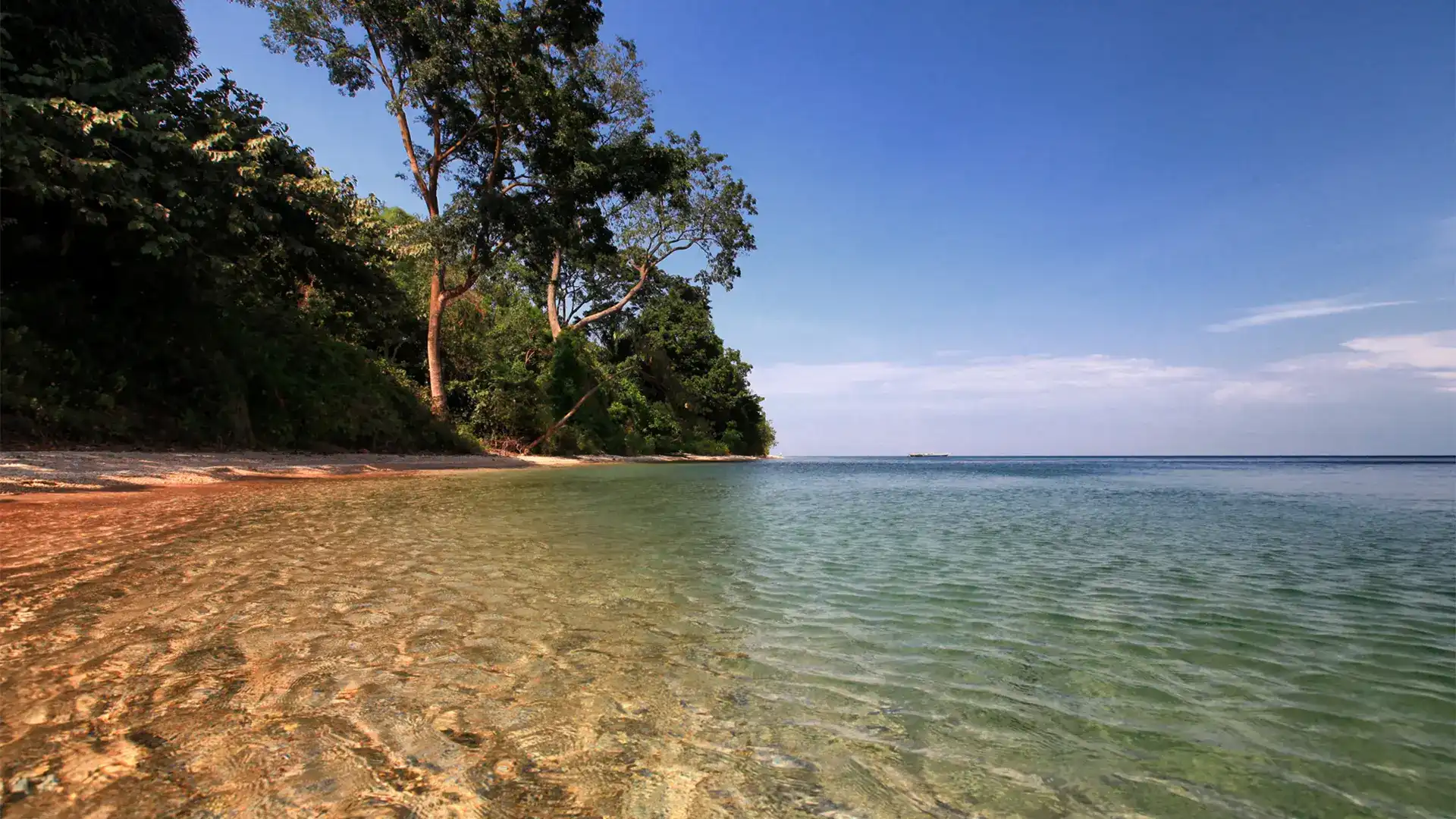
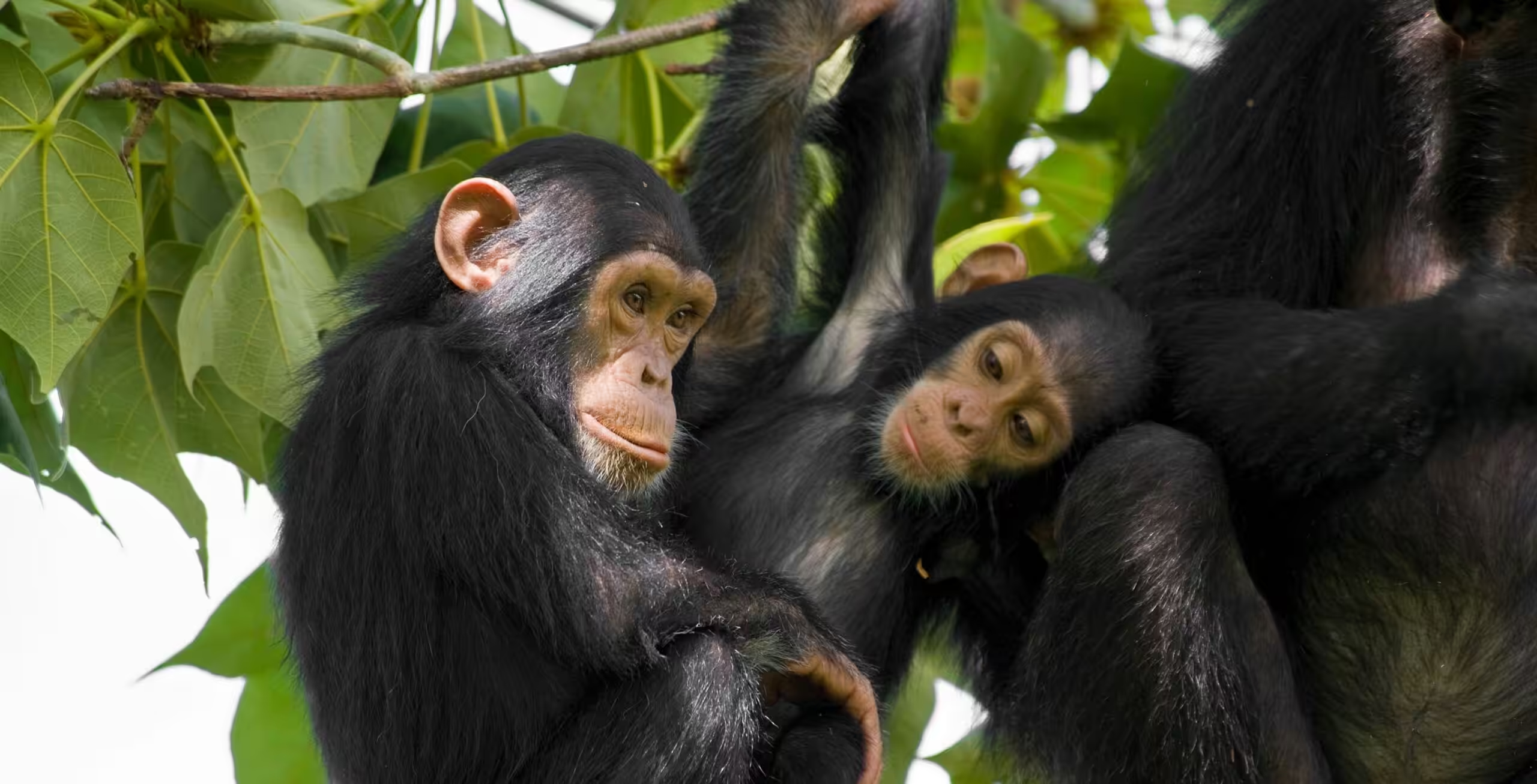
Tanzania’s Gombe National Park (sometimes called Gombe Stream National Park) is a narrow strip of wilderness on the shores Lake Tanganyika, the second-deepest lake in the world. The park feels almost like an island. From a distance, you see dense, emerald-green forests sloping down to the water, with pebbly beaches and rocky coves along the shore. As soon as you arrive, the sounds of the jungle take over – the chirping of cicadas, the roar of the surf and, if you are lucky, the excited calls of primates echoing through the valleys. The experience here is physical and intense. There are no safari vehicles. You explore the forest on foot, through dense undergrowth and steep valleys. Along the way, you follow in the footsteps of Fifi, David Greybeard and Frodo, the famous chimpanzees immortalized by Jane Goodall’s books. The highlight is when a “pant-hoot” call shatters the silence and you suddenly find yourself face to face with a community of chimpanzee, just as curious about you as you are about them. After the trek, you can hike to Kakombe Waterfall or take a swim in the crystal-clear lake. Gombe is a very different kind of safari in Tanzania.
Why Is Gombe National Park of Interest?
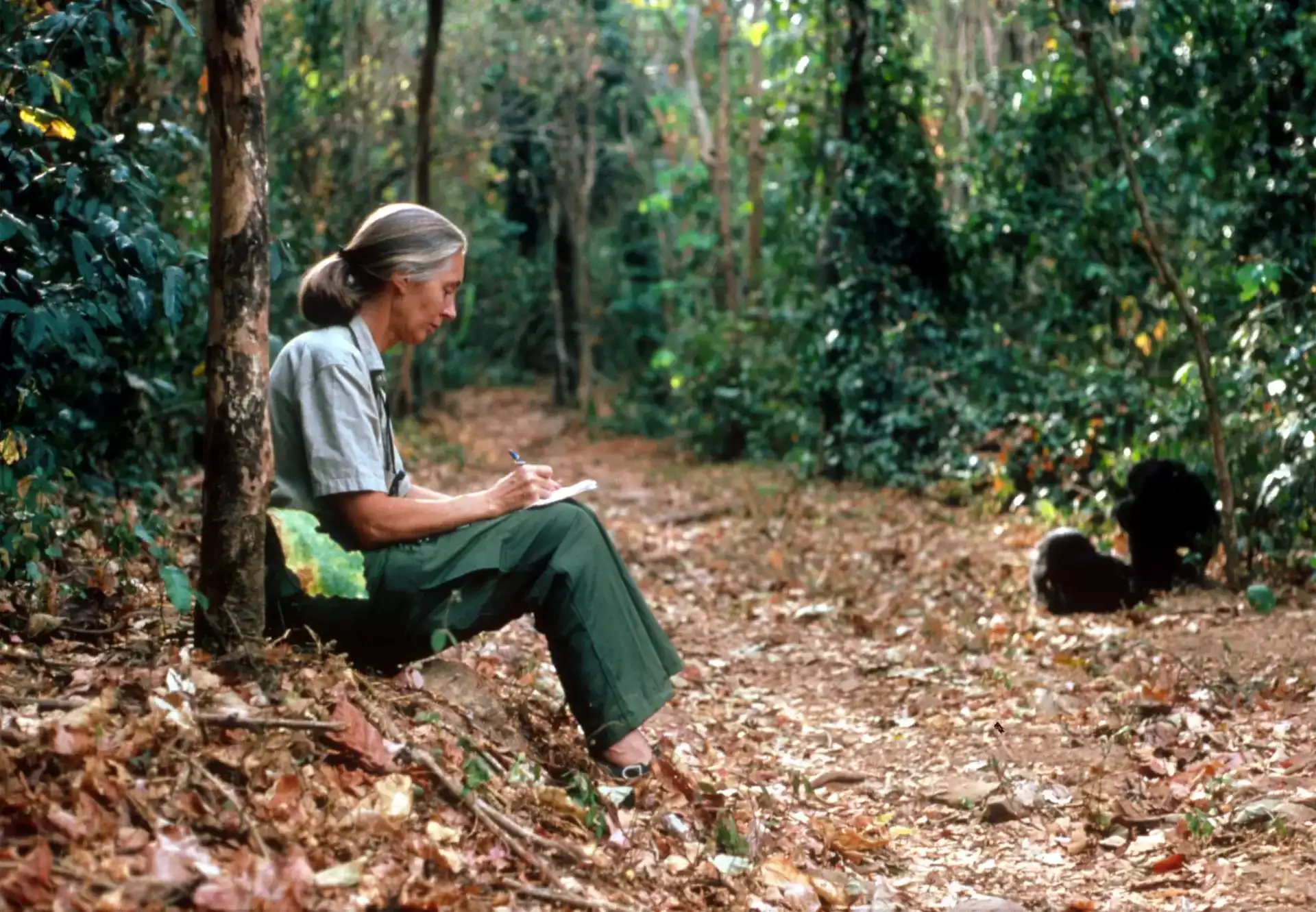
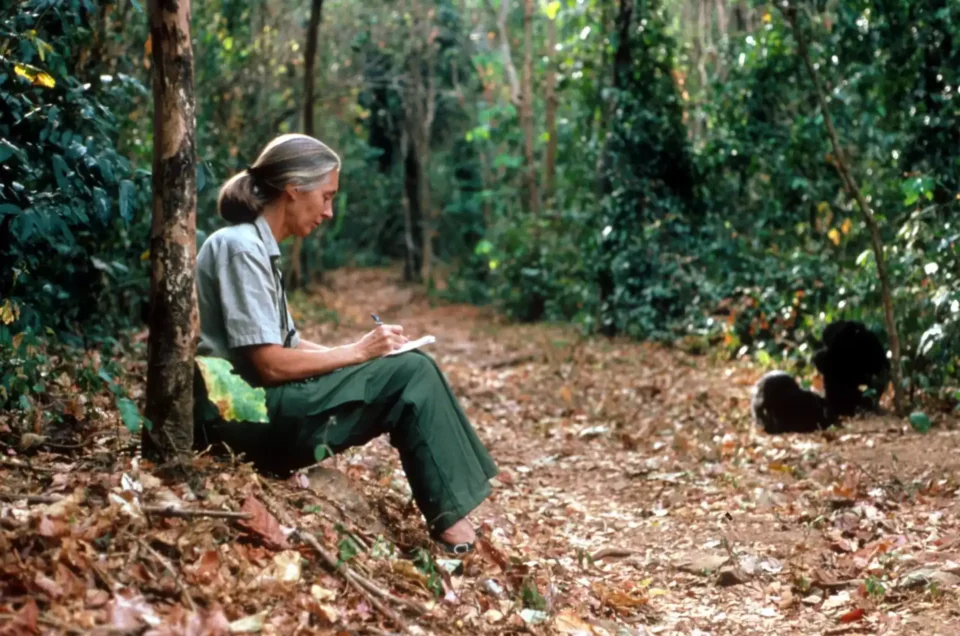
Gombe National Park is best known for its chimpanzees. It is also where the study of wild chimpanzees began. In 1957, Jane Goodall was a 23-year-old student in England with a dream of working with animals in Africa. She travelled to Kenya, where she met the renowned paleontologist Louis Leakey. Impressed by her determination, Leakey hired her as his assistant and later asked her to study chimpanzees in the forests of western Tanzania.
Goodall arrived at Gombe on 14 July 1960. That date is now marked annually as World Chimpanzee Day. She had six months to find and study the chimpanzees. At first, they disappeared whenever she approached. She spent hours in the forest following their trails and watching them from a distance. It took about six months to teach them to accept her presence– a process now known as habituation. This was not only fantastic for scientists, but also opened up the opportunity for ordinary visitors to get almost within touching distance of these incredible creatures in the wild.
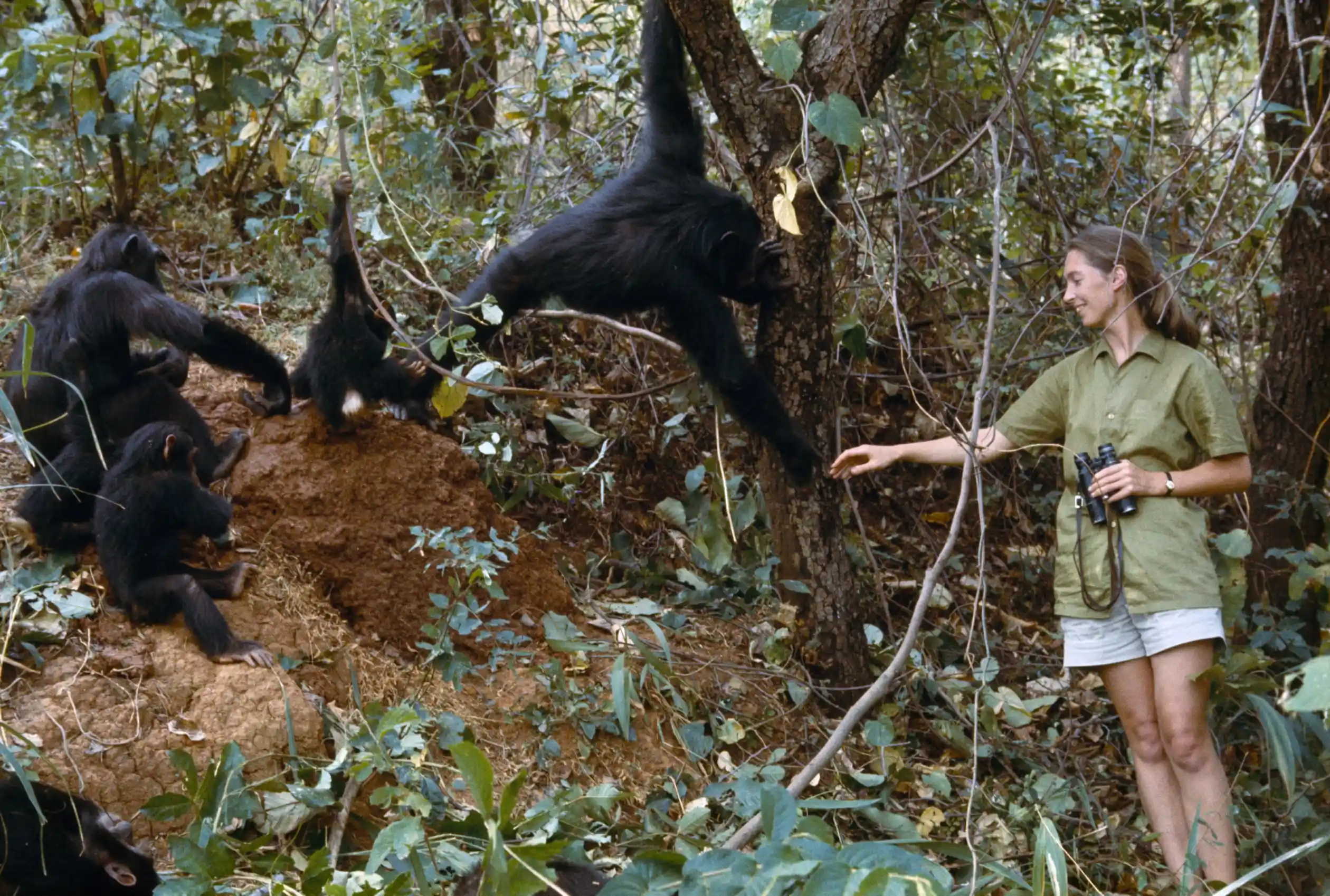
Goodall’s observations changed what scientists knew about chimpanzees. During her study, she observed a chimpanzee she had named David Greybeard stripping leaves from a twig and using it to fish termites from their mound, the first recorded instance of tool use by a wild animal. The discovery forced a fundamental rethink of what, if anything, separates humans from other species.
Equally significant, though less celebrated, was the Gombe Chimpanzee War of 1974 to 1978, when the Kasakela community split and its former members in the breakaway Kahama group were systematically killed over four years by their one-time group-mates. It was the first documented case of sustained lethal conflict between groups of a single non-human species.
Gombe became a Tanzanian national park in 1968. Seven decades later, it is widely considered one of best places on the planet to observe wild chimpanzees.
How to Visit Gombe National Park
A visit to Gombe National Park starts with a sense of anticipation. With an experienced park ranger, you set off into the forest. The vegetation is dense and the trees are tall. The forest can feel dark beneath the canopy, and unfamiliar sounds come from every direction.
There is also a special connection to Jane Goodall. You are walking through the same forest where she began her work with chimpanzees in 1960. Some of the rangers are also descendants of people who worked closely with her in those early days. On your way into the forest, you may stop at the Kasekela Research Centre, where Goodall’s work began. There is not much to see today, but standing here gives you a sense of the importance of this place.
Then the search for chimpanzees begins. Sometimes, you find them within an hour of leaving the research centre. The Kasekela chimpanzee community is the largest and most familiar to visitors, with more than 50 members. At other times, finding one of the other chimpanzee communities can take up to four hours.
As you walk, the rangers listen carefully for any sign of chimpanzees. A broken twig or a sudden silence can tell them that something is nearby.
Sometimes you hear the chimpanzees before you see them: that harsh, high-pitched screeching that rises to a crescendo and then fades away again as family members call to one another.
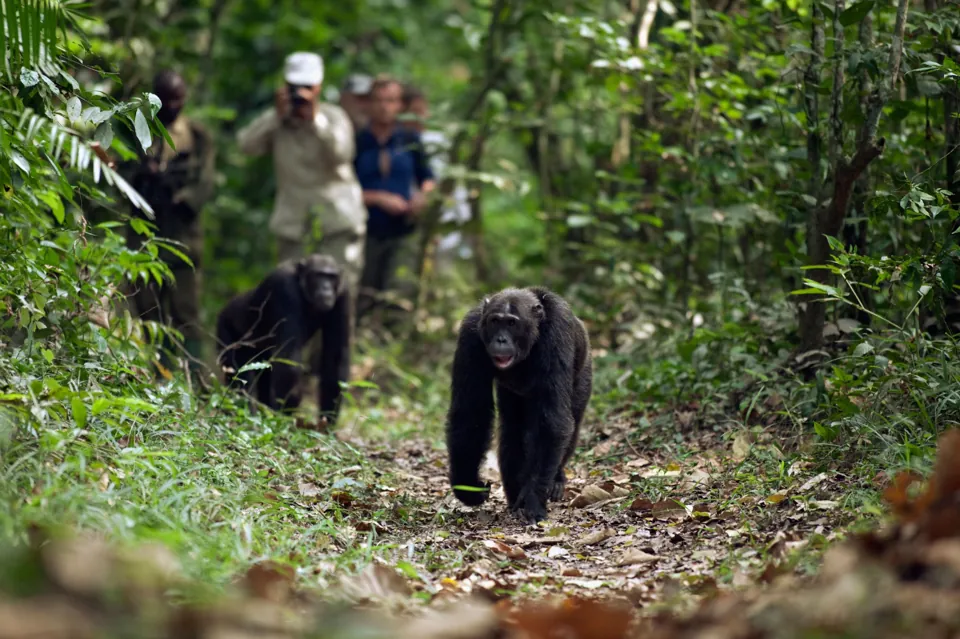
Following the sound of the calls, you may soon find one of the community’s sub-groups. They may be high up in the treetops, feasting on figs, grooming or playing. But if you are lucky, some will have come down to the forest floor. You may suddenly find yourself almost within touching distance of wild chimpanzees. Stay still and avoid sudden movements or camera flashes. Then simply watch them. This is the moment you came to Gombe National Park for.
When is the best time to Gombe
Gombe National Park is open throughout the year, but the dry season, from roughly May or June to September or October, is the best time to visit. The trails are easier to walk, chimpanzees are often found closer to the lakeshore, and sightings tend to be more reliable.
The wet season runs from November to April. Rain can make the forest trails slippery, and chimpanzees may spend more time high in the trees. However, this is when Gombe is at its greenest, with lush vegetation and waterfalls flowing at their fullest. The park’s lodge is closed in March and April, so keep this in mind when planning your visit.
What to Pack for Gombe National Park
Visiting Gombe Stream National Park is different from visiting most national parks in Tanzania. You will spend most of your time on foot, deep in the forest and far from any vehicle.
Good walking shoes are essential. Waterproof hiking boots with good ankle support are ideal. The terrain becomes more difficult the further you get from Kasekela, and finding the chimpanzees can mean walking for several hours. Bring a hat to protect you from the sun and rain. A waterproof jacket is also a good idea, as heavy downpours can come at any time. Binoculars are useful, especially when chimpanzees are high in the trees. You should also pack mosquito repellent and any anti-malarial medication you normally use.
Light, long-sleeved and loose-fitting clothing works best. It protects you from insects and from scratches as you move through the forest vegetation.
Attractions Close to Gombe National Park
Gombe is not the only place in the region where you can see chimpanzees. South along the shores of Lake Tanganyika, Mahale Mountains National Park rises from the lakeshore into spectacular mountain scenery. It has fewer chimpanzees than Gombe, and the terrain is less accessible, but it makes a beautiful addition to a trip through this part of Tanzania.
Closer to Gombe, the lakeside town of Ujiji is steeped in history. It was here, in 1871, that the Scottish doctor, missionary and explorer Dr David Livingstone was found by the journalist and explorer Henry Morton Stanley. Stanley is famously reported to have greeted him with the words, “Dr Livingstone, I presume?” — although whether he actually said them remains uncertain.
Ujiji is home to the Livingstone Museum, which tells the story of Stanley’s search for Livingstone and the darker history of the trade in enslaved people that once passed through the region.
How to Get to Gombe National Park
Gombe National Park is a long way from almost anywhere. Unless you are also visiting other attractions in Tanzania’s far west, getting there takes some planning.
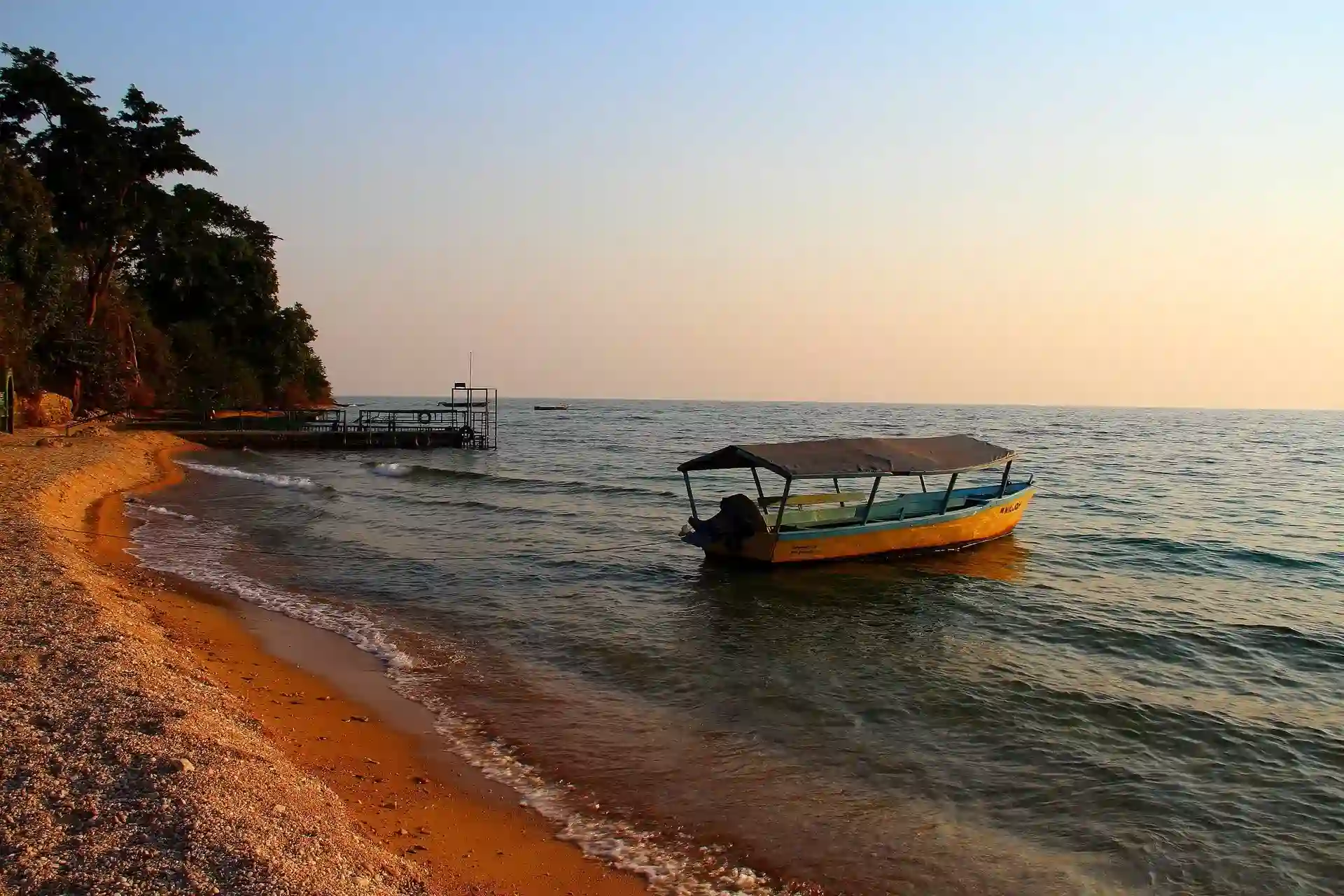
Air Tanzania operates four to five flights a week between Dar es Salaam and Kigoma, the gateway to Gombe. You can also travel by train. About twice a week, Tanzania Railways Corporation runs a service from Dar es Salaam to Kigoma. It is a long journey, taking almost two days, but it is also one of the more memorable ways to cross the country. The real adventure begins when you reach Kigoma, about 26km south of Gombe. There are no roads into the park. The only way in is by boat, either on a daily service or by private charter, from the fishing village of Kibirizi.
Another option is the MV Liemba, a century-old passenger ferry that calls at Gombe as it travels between Tanzania and Zambia. For travellers who have the time, arriving by this historic vessel is quite an experience in itself.
Where to Stay In Gombe National Park
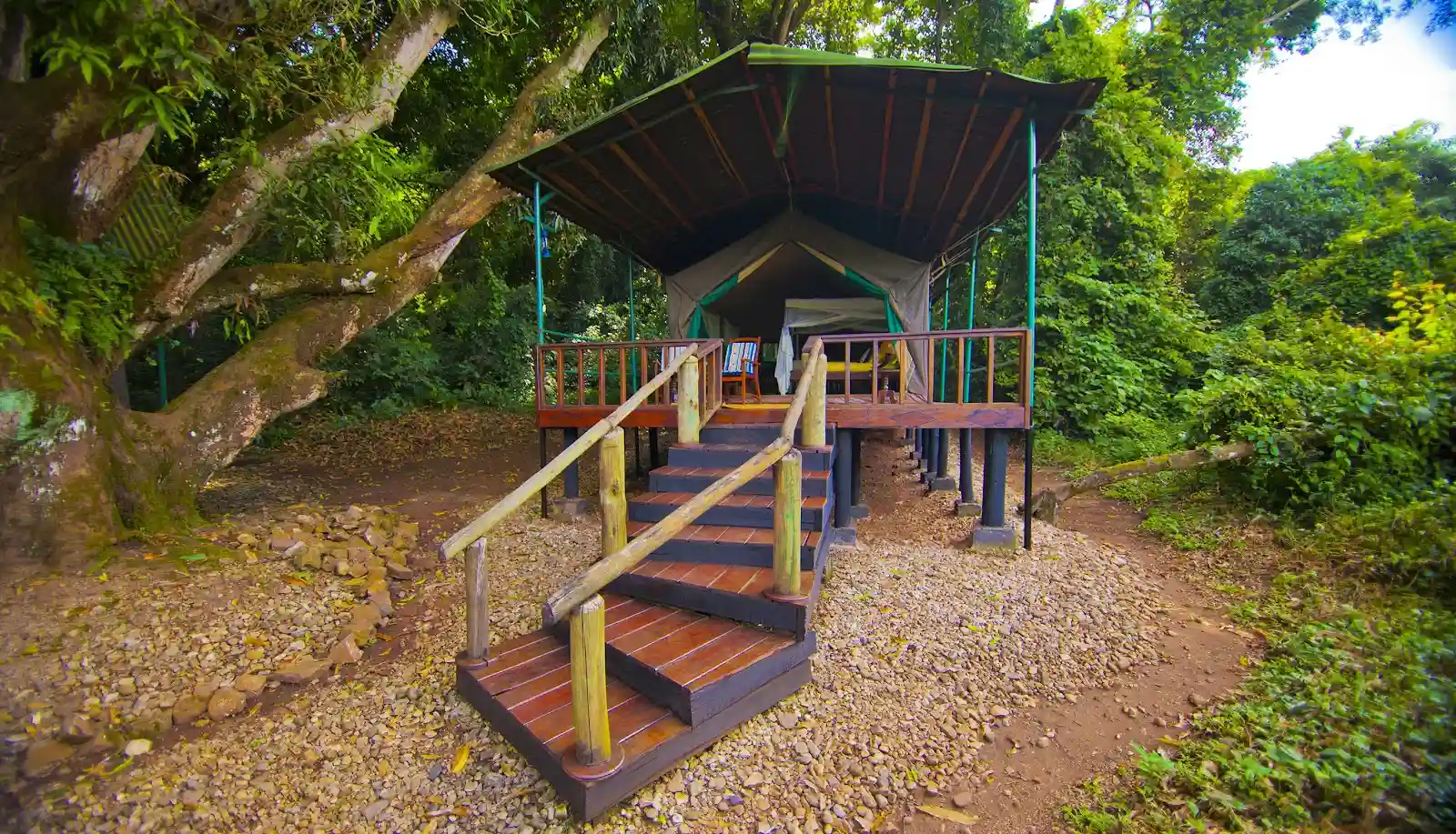
Accommodation in Gombe is limited. This is a protected park, with a long history of chimpanzee research rather than large-scale tourism. The main lodge is Mbali Mbali Gombe Lodge, set beneath old mango trees on the sandy shores of Lake Tanganyika. It has just seven ensuite tented rooms, each tucked into the forest for privacy and peace.
Inside, you have comfortable four-poster beds with mosquito nets, flush toilets and hot showers. There is also a shared lounge, library, bar and dining area. A lakeside jetty gives you a lovely place to sit and take in the views after a day in the forest.
Life here is wonderfully simple. The forest is close, the chimpanzee trails are nearby, and the clear waters of Lake Tanganyika are right outside your door. With only one dedicated tourist lodge inside the park, rooms can fill up quickly. It is especially worth booking early if you are travelling between June and September, when the weather is drier and Gombe sees more visitors.
What other wildlife can I see in Gombe besides chimpanzees?
Chimpanzees may be Gombe’s main attraction, but they are not the only wildlife you can see. The forest is also home to olive baboons, red-tailed monkeys, blue monkeys, red colobus monkeys and vervet monkeys. Almost 300 bird species have been recorded in the park, too. Leopards are present, although sightings are rare. Gombe does not have the large predators found in Tanzania’s better-known safari parks, so wildlife here is mainly about primates and the forest itself.
Can I Combine a Gombe Safari with Other Tanzanian Parks?
Yes. Gombe is part of Tanzania’s remote western safari circuit, alongside Mahale Mountains and Katavi National Parks. The parks are connected by flights and, in some cases, boat transfers.
Combining them gives you a very different kind of safari. Gombe and Mahale are about walking through the forest in search of chimpanzees, while Katavi offer more traditional game viewing and a chance to see a wider range of wildlife. For travellers with enough time, putting these parks together makes a fascinating journey through one of Tanzania’s less-visited regions.
Have more questions?
Feel free to contact us. Our team of experts are here to help! Whether you’re curious about the best time to travel, want to hear first-hand about an experience or need help planning your safari.
You May Also Like
Greenway nature tours
We are a fully licensed tour company accredited by the Uganda Tourism Board. We design and operate safaris in Uganda and East Africa. Our operations are based in Kampala, Uganda, the heart of our safari planning and coordination. Though our company was officially established in 2025, our team brings deep, hands-on knowledge of East Africa.
Destinations
Favourite Tours
Help & Info
- About us
- Travel Blog
- Travel FAQS
- Gorilla Permits Bookings
- Contact Us
- Pay Online