Best Gorilla Trekking Tours 2026/2027

Best Gorilla Trekking Tours In Africa

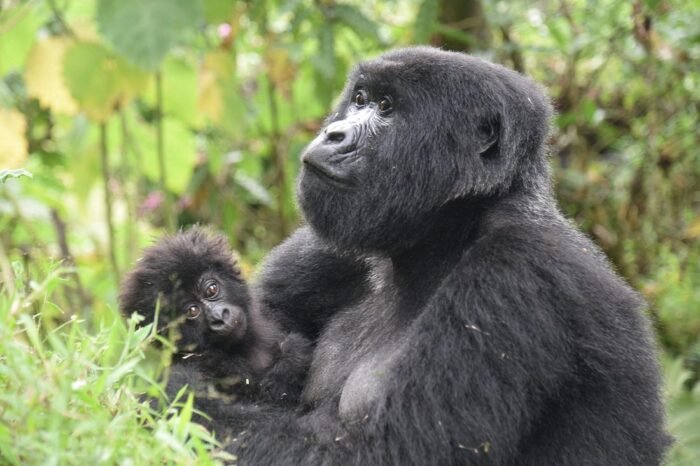
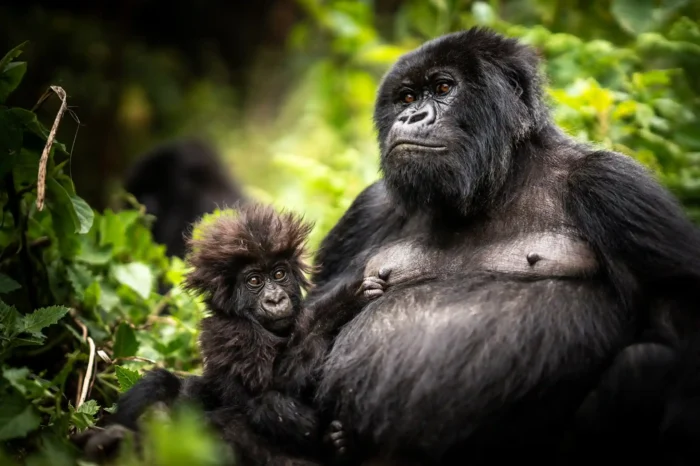
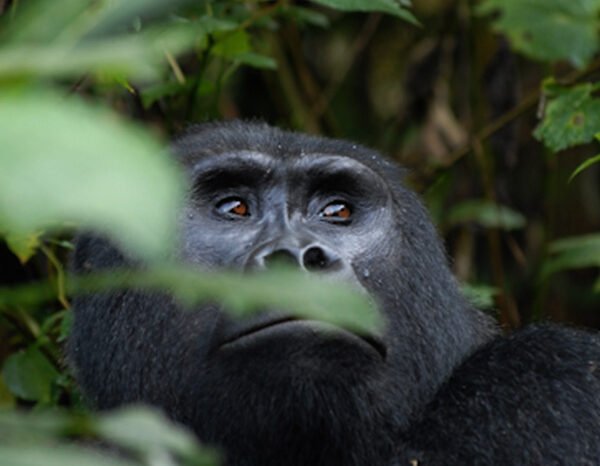
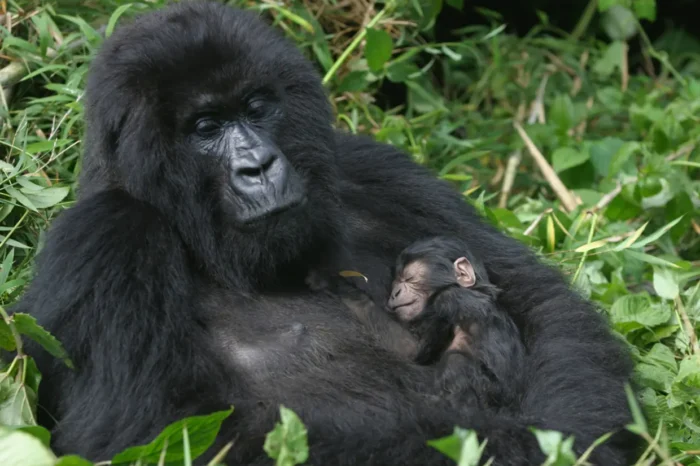
For many travelers, gorilla trekking is the absolute highlight of a trip to Africa. Those who have experienced it often describe this adventure as ’emotional’, ‘the best ever’, ‘unimaginable’, or ‘worth everything’. However, you wish to describe it, a gorilla trekking tour is an incredible experience to meet these gentle giants in their natural habitats.  The best gorilla trekking tours in Africa take place in Uganda’s Bwindi Impenetrable Forest and Mgahinga Gorilla National Park, as well as Rwanda’s Volcanoes National Park.

Best Gorilla Trekking Tour Packages

The practical side of gorilla trekking

The decision has been made. You have purchased a gorilla trekking permit for gorilla trekking through Greenway Nature Tours. With good preparation, you can enjoy your encounter with the gorillas in Uganda and Rwanda much more on the day of the gorilla trekking itself.

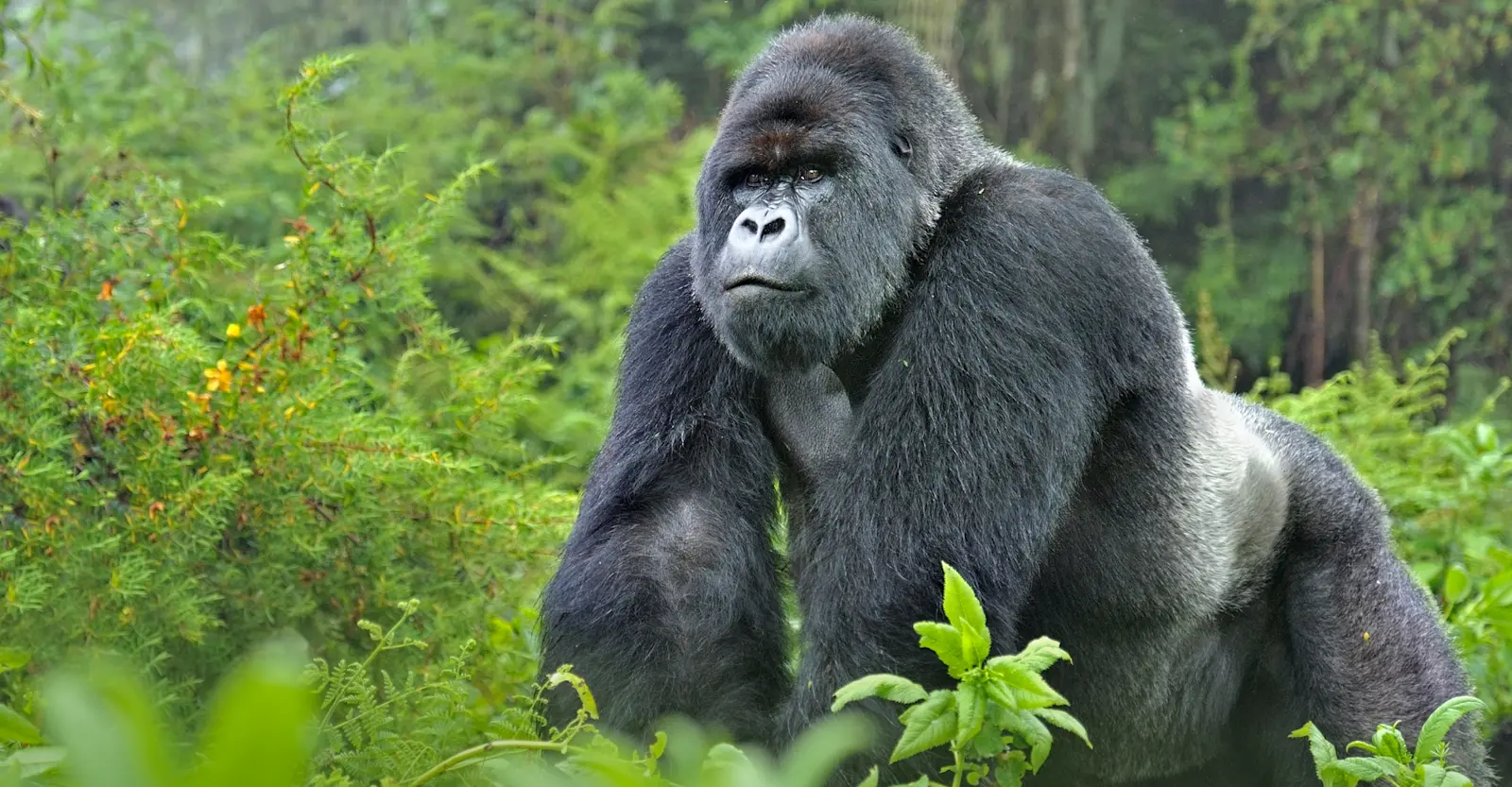
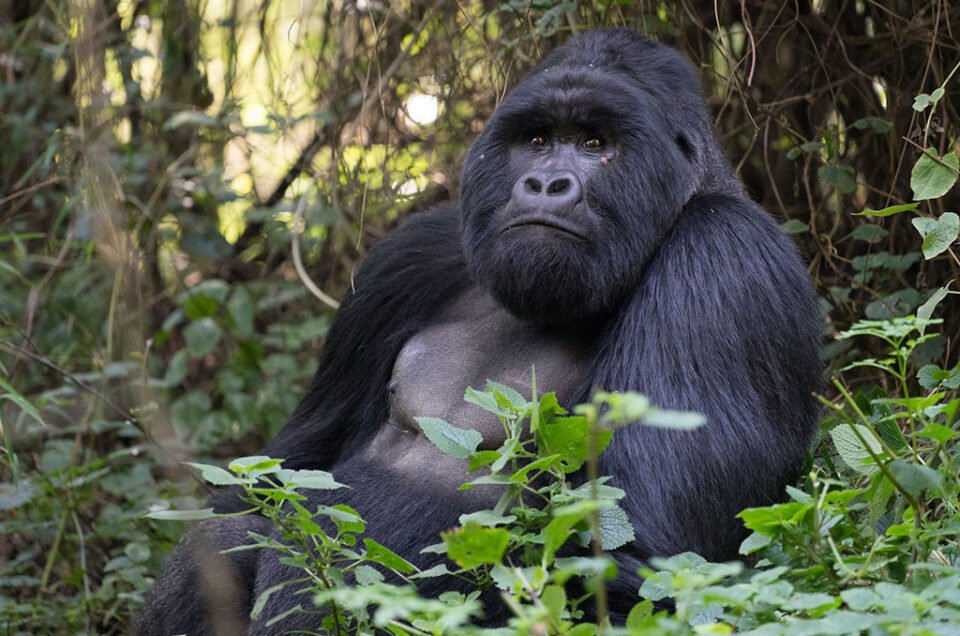
Silverback Gorillas

Best gorilla Trekking locations

The best gorilla trekking tours are in Uganda and Rwanda.  In Uganda, you can go gorilla trekking in two national parks: Bwindi Impenetrable National Park and Mgahinga Gorilla National Park

Most gorilla trekking tours in Uganda take place in Bwindi which is home to 26 habituated gorilla families. This dense rainforest jungle in the south west of Uganda is famous for hosting the largest population of mountain gorillas on Earth. Mgahinga Gorilla Park is smaller and quieter, but also offers the chance to encounter gorillas in the wild. Moreover, golden monkeys live here, and the park is situated in an impressive volcanic mountain region.

In Rwanda, gorilla trekking takes place in Volcanoes National Park. You may know it because of Dian Fossey and her work featured in Gorillas in the Mist.  You can track 12 habituated gorilla families here. The most famous gorilla family in Volcanoes is the Susa group, once studied by Dian Fossey on Mt Karisimbi.

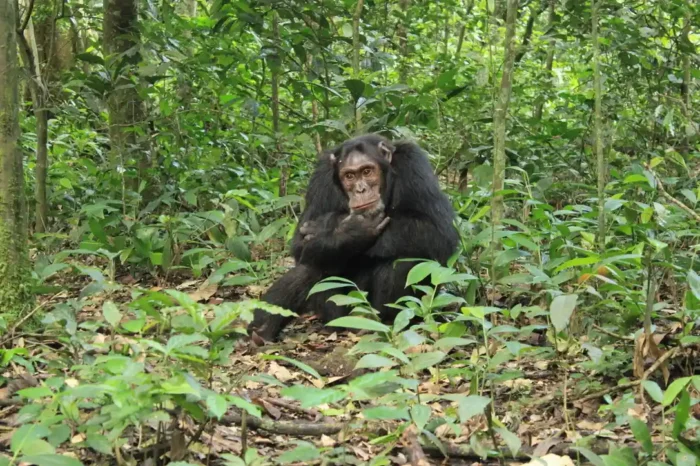
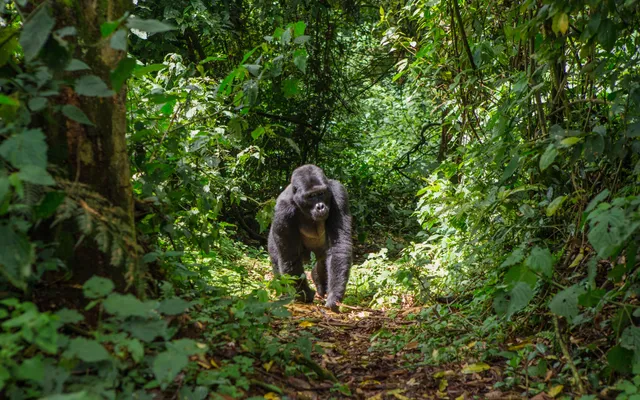
All parks offer a completely different experience from a traditional Africa safari. Here, you do not search for wildlife from a vehicle, but instead trek deep into the rainforest with rangers in search of a gorilla family.

Gorilla Trekking permits

If you are planning a gorilla safari in Africa, one thing is very important: book your permit well in advance. During the high season (June, July, August, and February), permits often sell out several months ahead, sometimes up to six months before travel. In the low season, you can find last-minute availability.

A gorilla trekking permit in Uganda currently costs US$800 per person. During the low season in April, May, and November, a reduced rate of US$600 applies. 

In Rwanda, a gorilla permit costs US$1,500. It is a significant cost, but it offers much more than just access to a trek. It gives you a once-in-a-lifetime experience that is often the highlight of the entire trip.

At the same time, your permit directly supports conservation. The revenue is used to protect national parks, monitor gorilla families, and fund vital conservation work in the region.

As a result, the mountain gorilla population has slowly increased in recent years. Your visit plays an important role in protecting these remarkable animals and their habitat for the future.

Shoes For Gorilla Trekking

For mountain gorilla trekking, sturdy hiking boots or shoes are essential. You need shoes that give your feet and ankles proper support. Good grip is also very important, especially on muddy and uneven forest trails. It is best to get advice at a specialist outdoor gear shop. They can help you choose the right boots for this kind of terrain.

Gloves For Gorilla Trekking

During gorilla trekking, you will often need to scramble through the forest. At times, you will use your hands to hold branches, logs, vines, or rocks while going up or down steep sections. Because of this, there is always a chance of grabbing thorns, nettles, or sharp stones by accident. You may also place your hand on insects that can sting or bite. For this reason, we strongly recommend bringing a pair of sturdy gardening gloves. Wear them while moving through the forest for extra protection and comfort. You can take them off once you are with the gorillas if you prefer a clearer view and a more natural experience.

Rainwear

In the rainforest jungle, rain is always possible. Sometimes it is a short shower that lasts only a few minutes. At other times, it can continue for hours, depending on the season. For this reason, good rain gear is essential. We recommend something lightweight, breathable, and easy to carry. It is also a good idea to bring a rain cover for your backpack.

Another option is a poncho. This is very practical because you can put it on quickly if the rain starts suddenly. Some ponchos are designed with space for a backpack, which makes them even more convenient. The only drawback is that ponchos can sometimes get caught on branches or thorns when moving through dense vegetation.

Glucose and energy bars

Bring a few packets of dextrose and energy bars (power bars) to help maintain your blood sugar levels during the gorilla trekking adventure. On longer hikes, you may need them. The climbs and descents can be quite demanding, so a quick energy boost from a bar or dextrose can be very helpful when you need it most.

A day before gorilla trekking

The morning of your gorilla trek can feel a little busy. You need to be ready on time and at the meeting point without delay, so preparation is important. It is best to pack everything the day before. This way, you can start the morning calmly without rushing. We also recommend arranging your packed lunch in advance with the kitchen at your lodge or hotel. Most places are happy to prepare this for you. Good preparation helps you start your trek relaxed and fully ready for the experience ahead.

What Else Should You Keep in Mind for Gorilla Trekking?

  • Bring at least two liters of water per person. The hike can be physically demanding, and you will lose a lot of fluids. Even on rainy days, it is important to stay well hydrated.
  • It is also a good idea to pack a dry pair of socks. Leave them in the vehicle so you can change after the trek if your feet get wet. Some travelers also like to keep an extra pair of shoes in the car for added comfort.
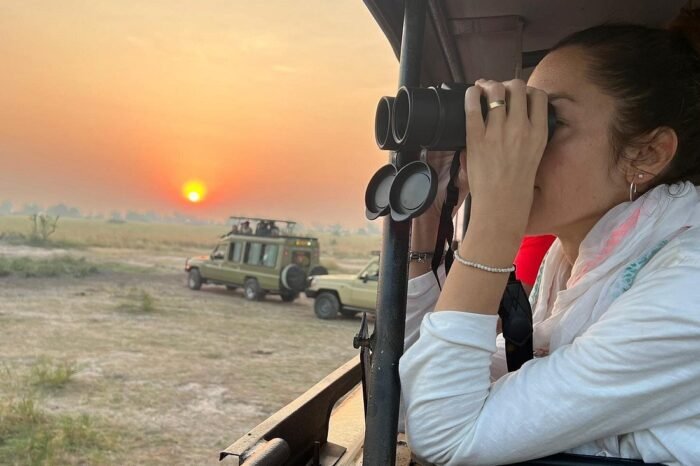
  • You may also bring binoculars and a camera if you wish, but they are optional.
  • Try to pack everything into a small daypack. Keep your hands free. During somewhat strenuous activities, everything you have to carry will start to irritate you.
  • If you are carrying a camera or binoculars, wear the straps diagonally across your shoulders. This helps reduce strain on your neck and back, especially during longer hikes.
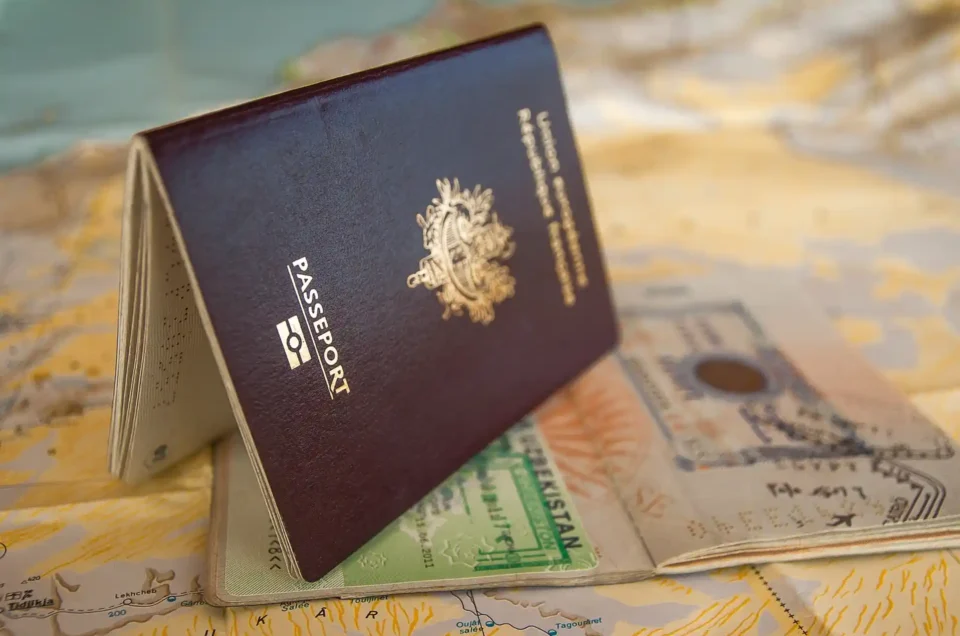
  • Finally, don’t forget your passport. You will be asked to present it before starting your gorilla trek.

The Moment Has Arrived: Visiting the Gorillas

Gorilla trekking tours in Uganda and Rwanda usually starts early in the morning. You must arrive at the meeting point on time at around 7.30 am. If you are late, your place may be given to someone else on the waiting list. Before the trek begins, there is a briefing. All participants, usually a maximum of eight people per group, are registered and checked using their passports.

After a warm welcome, the lead ranger explains the rules.

  • The rangers are in charge. They go into the forest every day and know it well. Their instructions must be followed at all times. They are responsible for your safety and for protecting the mountain gorillas.
  • Anyone who is visibly ill is not allowed to join the trek. In such cases, a partial refund is given, and you may be offered an alternative nature walk at a reduced fee.
  • If you become ill during the trek, you will be escorted back by a ranger. In this case, no refund is provided. This strict rule exists to protect the gorillas from human diseases, which can be very dangerous for them.
  • The minimum age for gorilla trekking is 15 years. This helps protect the gorillas and ensures all participants are physically prepared for the hike.
  • Walking sticks are available at the starting point. They are not mandatory, but they are very helpful on steep or uneven ground.
  • You may not notice them, but armed rangers are also present in the forest. Their role is to protect both visitors and gorillas, and to guard against poachers.
  • If you wish to take a photo or simply enjoy the landscape, please pause before looking or taking pictures. You will be walking mainly along narrow paths, known as trails, created by jungle animals. One moment of inattention could send you 50 meters down the slope.
  • On 99.9% of all gorilla trekking tours, you can see mountain gorillas. But there is a very small chance that you will not see any. In that case, you will receive a partial refund. The entire tour is then considered a nature walk.
  • When you finally reach the gorillas, you will leave your bags behind with security. 
  • Flash photography is not allowed, and you should not eat or drink near the gorillas.
  • You will stay with the gorillas for one hour. Enjoy this special moment. Also be considerate of the other members of your group. If you have had a good view of the gorillas, please give up your spot to someone standing behind you.
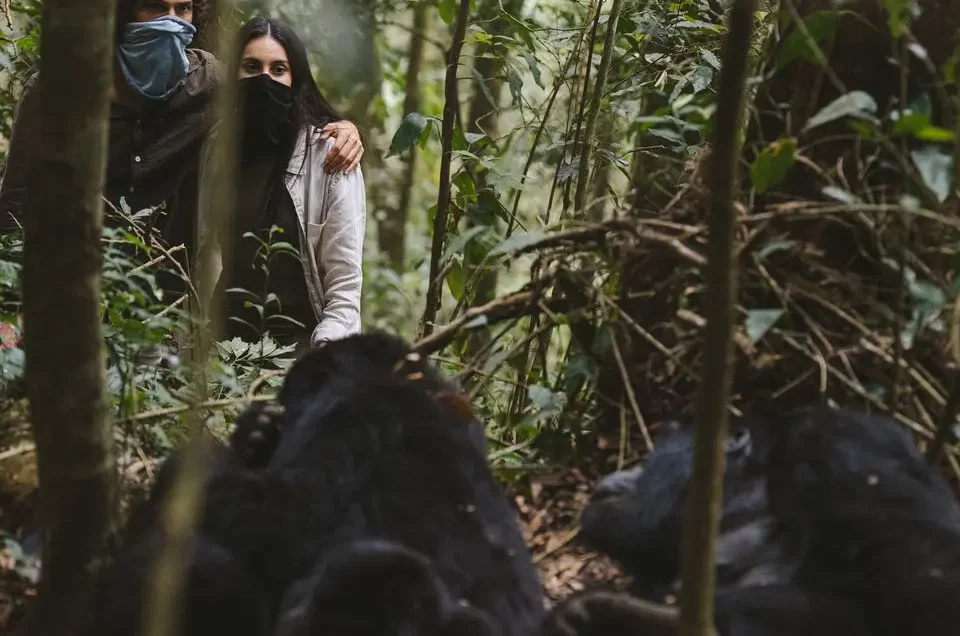
  • You must stay at least 7 meters away from the gorillas whenever possible. This protects both you and the animals from disease transmission. Sometimes, gorillas may move closer on their own. If this happens, stay calm and follow the ranger’s instructions.
  • Keep your voice low and speak softly if needed.
  • Silverbacks and young males may display mock charges. This is normal behavior and not a sign of danger.
  • Do not look the silverback directly in the eyes, and do not mimic or provoke its behavior. Do not shake branches or trees.
  • Always carry out everything you bring into the forest.

Classification of visitor groups

Visitors are divided into small groups of no more than eight trekkers. Those who are older or less fit are usually assigned to gorilla families that are easier and quicker to reach. Younger visitors and those with average fitness may be placed on treks that can take a bit longer and are slightly more challenging.

Hiring Porters

Hiring porters is highly recommended during gorilla trekking. The pace of the group is set by the slowest participant. Rangers usually place slower trekkers at the front and carefully manage the group’s pace. A porter can carry your backpack and make the trek much easier. The cost is around US$20 per porter. This is also a great way to support local people. Many porters are students or community members earning extra income. They are helpful on steep climbs and tricky descents. Their support can make a big difference during the trek. Hiring a porter is optional, but very useful. Rangers and porters both work hard to ensure you have a safe and enjoyable experience. There are regular breaks during the trek. Make sure to drink water often, as you will need it.

Face To Face With Mountain Gorillas

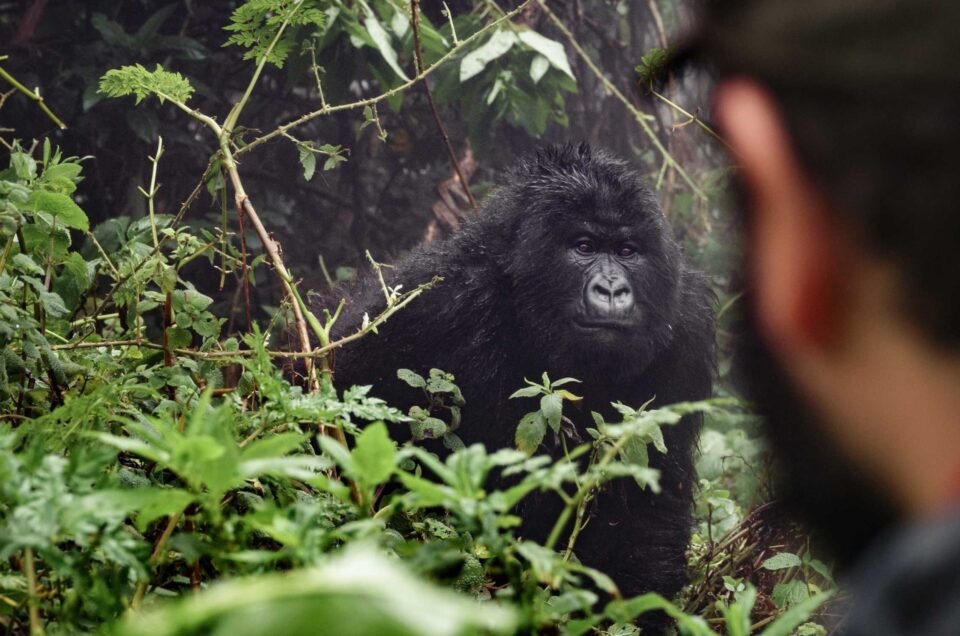
The excitement builds as you begin to notice fresh signs of gorillas nearby. You may see droppings, broken branches, or flattened grass where they have rested during the night. Then the guide whispers, “They are close.” At that moment, your heart starts to race.

Seeing the first glimpse of black fur moving through the green forest is truly unforgettable. It is a moment you will never forget. When it happens, take a moment to stop and truly take it in. The hour you have with the gorillas passes very quickly.

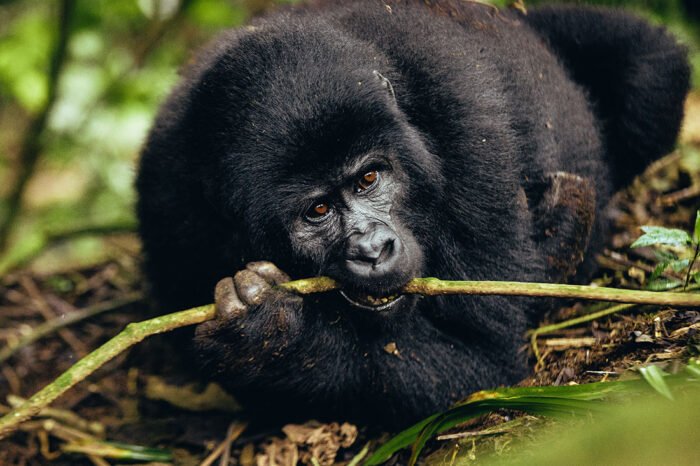
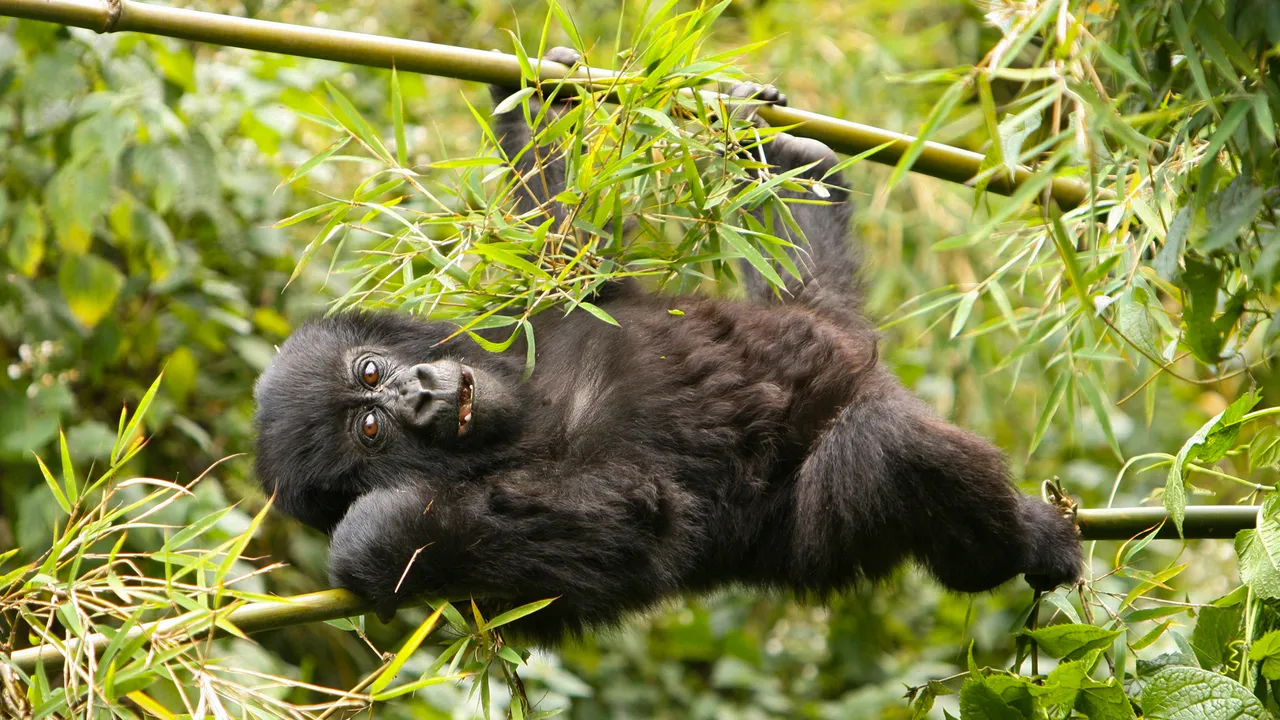
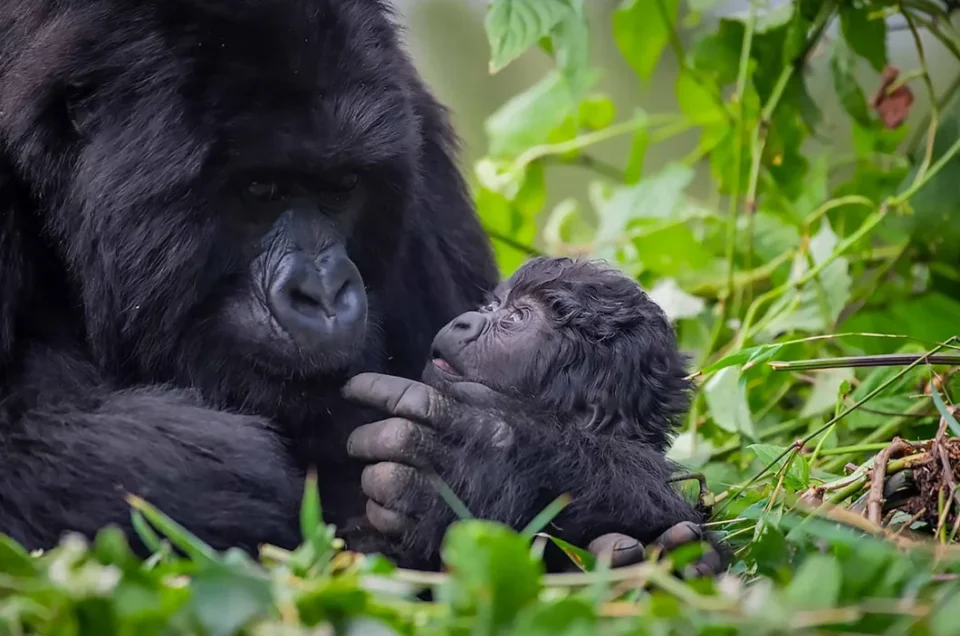
You can take photos, but it is also important to simply watch without a camera. Some memories are best experienced directly. You will often notice how calm and tolerant the gorillas are. They may look at you briefly with curiosity and then continue with their daily activities, almost as if you are just another strange visitor in their world. Sometimes, a playful young gorilla may perform acrobatics or move closer to the group out of curiosity. When this happens, the guide may gently cough or make a soft sound to guide it back.

It is important to remember how special this experience is. Not long ago, mountain gorillas were believed to be on the brink of extinction. Today, every encounter is a symbol of successful conservation. That is why it is essential to follow all the rules carefully, even if you feel tempted to move closer or stay longer. This is a rare privilege, and it deserves respect.

Descent and reward

After your visit with the gorillas, you will begin the walk back. While the climb can be tiring, the descent can also be challenging in its own way. Good footwear is especially important on the way down. 

Depending on the distance, the return journey may take another 1 to 2 hours.

Stay focused throughout the descent. Watch every step and take your time. The terrain can be slippery, and it is easy to lose balance if you are not careful. If you want to take photos of the scenery, always stop first before you take a picture. A moment of distraction can quickly lead to a slip on uneven ground. 

Once you reach the bottom, a small ceremony often follows. 

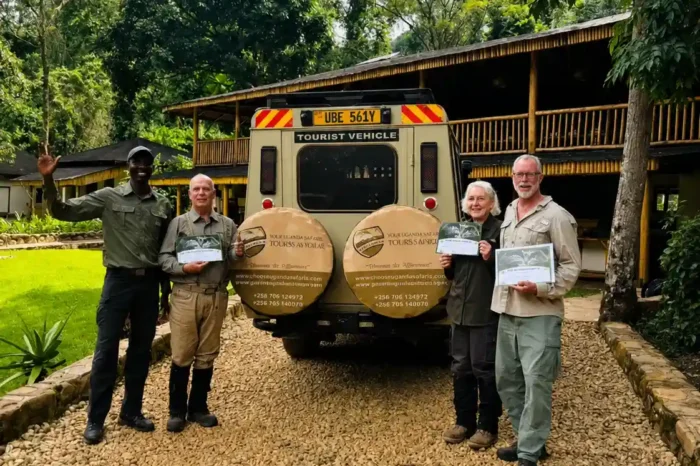
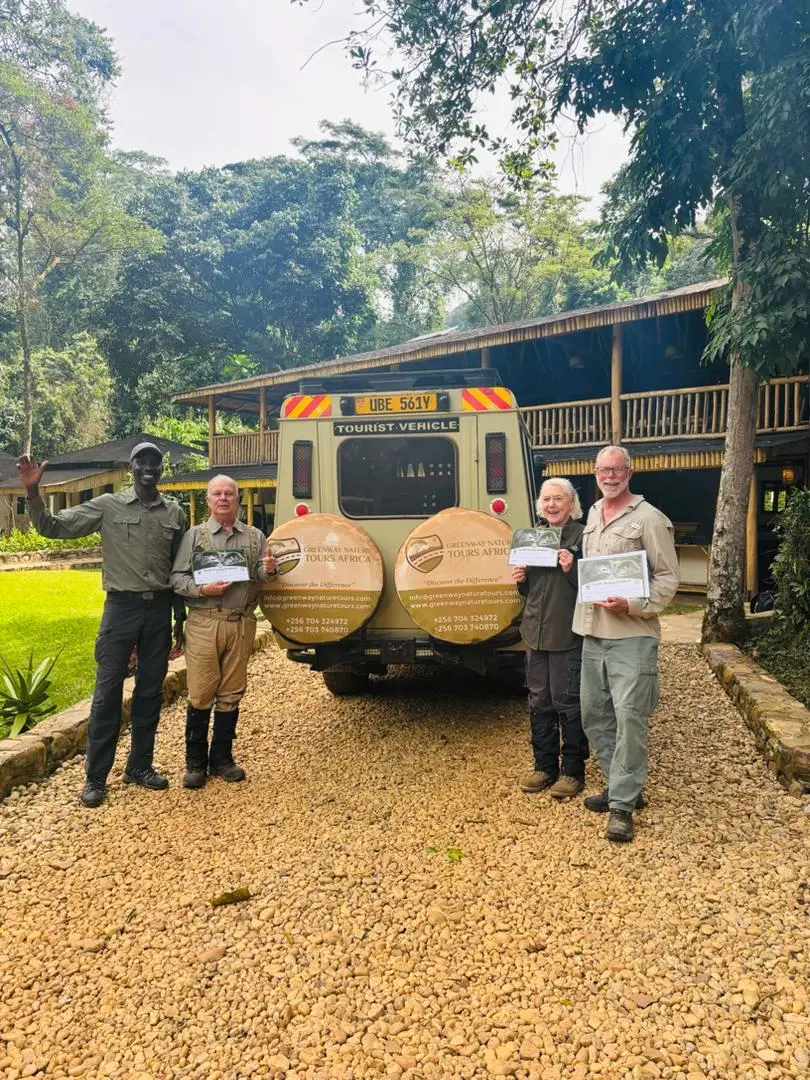
Do not forget to collect your gorilla tracking certificate. The Uganda Wildlife Authority (UWA) provides each visitor with a personal certificate as a souvenir of the experience.

Gorilla trekking permits

Gorilla Trekking in Bwindi Impenetrable Forest

Most guests travelling with Greenway Nature Tours will see mountain gorillas for the first time in Bwindi Impenetrable National Park. This park is home to 25 habituated gorilla families and more than 500 individuals. This makes it the best place in Uganda to encounter these gentle giants. The gorillas here also tend to stay within a more defined range compared to the Virunga groups in Mgahinga Gorilla National Park.

Bwindi is divided into four main sectors: Buhoma, Ruhija, Rushaga, and Nkuringo. Each sector operates as a separate gorilla trekking base, with its own habituated gorilla families and designated trailheads. These sectors are spread across a large forest area and are quite far apart by road. 

For this reason, it is strongly recommended to book your gorilla permit and lodge within the same sector. This helps avoid long and unnecessary transfers on the morning of your trek.

While it is possible to move between nearby sectors—such as Buhoma and Ruhija (around two hours), or Rushaga and Nkuringo (around one hour)—it is far from ideal. Some combinations are not practical at all. For example, travelling between Buhoma and Nkuringo takes around six hours by road. Careful planning ensures a smoother, more relaxed gorilla trekking experience in Bwindi.

The Gorilla Habituation Experience

In Bwindi Impenetrable National Park, you can also take part in the Gorilla Habituation ExperienceHere, you join a team of researchers and rangers as they search for a gorilla group that is not yet fully used to human presence. Unlike a normal gorilla trek, you are allowed to spend up to four hours with the gorillas. This gives you a rare and deeper insight into their natural behaviour. 

The experience is more physically demanding, as it often involves longer hikes and more time in the forest. The cost currently US$1,500 per person. In 2027, it will cost USD 1800. It is a unique opportunity for those who want a more immersive and extended gorilla experience in Bwindi.

Gorilla Trekking in Mgahinga National Park

In addition to Bwindi Impenetrable National Park, you can also see mountain gorillas in Mgahinga Gorilla National Park. This park is home to one habituated gorilla family, the Nyakagezi gorilla family. Mgahinga is quite different from Bwindi. Bwindi is extremely dense and often described as almost impenetrable. Mgahinga, on the other hand, is more open and easier to walk through, which can make the trekking experience feel less intense.

Like all gorilla treks, the day starts early in the morning at the park headquarters. Here, visitor details are recorded, instructions are given, and you have the option to hire a porter. After the briefing, you set off into the forest with armed rangers, as the park is also home to buffalo and forest elephants. 

While most travellers choose Bwindi for gorilla trekking, Mgahinga is a highly recommended alternative. The experience is different in both atmosphere and landscape, and the gorillas here can look slightly different as well. It is a quieter, more open park, offering a unique and rewarding gorilla trekking experience.

Gorilla Trekking in rwanda

In Rwanda, gorilla trekking takes place in Volcanoes National Park, home to twelve habituated gorilla families. As in Uganda, the day begins early. Visitors are grouped based on fitness levels, and everyone receives a briefing before setting off into the forest. The trek can take anywhere from 30 minutes to several hours, depending on the location of the gorilla group. During the hike, you may reach altitudes between 2,500 and 4,000 meters.

Porters are available to help carry your bag and assist you on steep sections, which can make the experience much easier. In general, gorilla trekking in Rwanda is considered slightly more accessible in terms of logistics and hiking conditions. However, the main difference is cost, as gorilla permits in Rwanda are more than twice as expensive as in Uganda.

Frequently Asked Questions About Gorilla Trekking

You generally have two choices when planning your gorilla trek: the dry season (June to September and December to February) or the rainy season (March to May and October to November). The dry season is often preferred because there is less chance of rain. The trails are usually drier, which makes hiking a bit easier and more comfortable. However, gorilla trekking is still very possible during the rainy season. The experience remains just as special, and the gorillas are not affected by the weather. In fact, the rainy season has its own advantages. There are fewer visitors, so the parks feel quieter and more peaceful. You may even enjoy a more private experience in nature. Both seasons offer something unique, so the best time depends on your preferences.

Greenway Nature Tours Africa, a fully licensed operator approved by the Uganda Tourism Board, handles the entire process for you. This ensures your permit is legal, confirmed, and stress-free. Once you provide your details and preferred dates, the team reserves your permit, confirms payment, and sends proof within 24 hours. This simple process lets you focus fully on enjoying your unforgettable gorilla adventure.

The duration of a gorilla trek varies from day to day and depends on the location of the gorilla family. On average, it takes between 1 and 4 hours to find them. Sometimes it can be quicker, and on other days it may take longer, depending on where the gorillas have moved in the rainforest.

Once the gorilla family is located, you are allowed to spend a maximum of one hour with them. After that, you begin your walk back to the starting point with your guides.

Because the exact timing is never known in advance, every trek feels like a real adventure.

And for most travelers, the moment they finally come face to face with the gorillas makes the entire experience more than worthwhile.

Gorilla trekking is manageable for most travelers. However, it is important to be prepared for hilly terrain, muddy trails, and sections of dense rainforest.

The length of the trek varies from day to day. Because the gorillas move freely through the forest, it is impossible to know exactly where they will be. Sometimes you reach them within an hour. Other times, the trek may take several hours.

The good news is that the rangers adjust the pace to the group, and there are regular opportunities to rest along the way. You can also hire a local porter to carry your backpack and assist you on steeper or more challenging sections of the trail. This not only makes the trek easier but also supports the local community.

You do not need to be an athlete to enjoy gorilla trekking. A reasonable level of fitness and the ability to walk for a few hours are usually all that is required.

And in all honesty, once you come face to face with a mountain gorilla, the effort of the hike quickly fades into the background.

The biggest difference lies in price and experience. In Rwanda, the gorilla permit cost USD 1500, while a Uganda gorilla trekking permit cost USD 800. Additionally, a gorilla trekking in Uganda more adventurous. The treks can be longer and more challenging because the gorillas are located deeper in the dense rainforest jungle. This makes the experience more intense, authentic, and less predictable. Distances are often shorter in Rwanda and the gorilla trek is slightly more accessible. That can be pleasant, but sometimes comes at the expense of the feeling of truly venturing deep into the rainforest. Both Uganda and Rwanda offer a special encounter with mountain gorillas. The difference lies mainly in how the experience feels and what best suits the trip you have in mind.

The chance of seeing mountain gorillas during gorilla trekking is very high. In practice, that chance there are over 98 percent. This is because the gorilla families are tracked daily by rangers. They usually know exactly in which area the animals are located and adjust the trek accordingly. Still, it remains an encounter with wild animals in their natural habitat. That is precisely what makes the experience so special. You are a guest in the gorillas’ habitat, not the other way around. For most travelers, the trek ultimately ends with an encounter that often feels even more impressive than expected.

During a gorilla trek, an official minimum distance of seven meters from the mountain gorillas applies. This rule is in place to protect both the animals and visitors, among other things to prevent the transmission of diseases. In practice, the gorillas often ultimately determine the distance themselves. Sometimes they quietly stay a little further away, but it also happens regularly that a curious gorilla comes closer. That is precisely what makes the experience so special and impressive. The rangers continuously monitor the situation closely and ensure that the encounter proceeds safely and respectfully, for both humans and animals. As a result, the contact feels close and intense, without becoming unnatural.

Gorilla trekking in Uganda is carefully managed to protect both the animals and their rainforest habitat. 

Visitor numbers are strictly limited, and each group is allowed to spend a maximum of one hour with the gorillas.

Every trek is led by experienced rangers who know the gorillas well and ensure that all conservation rules are followed. This includes maintaining a safe distance and respecting the animals’ natural behaviour at all times.

What many travelers do not realize is that their visit directly supports conservation efforts. A significant portion of every permit fee is invested in protecting national parks, monitoring gorilla families, funding research, and supporting local communities.

As a result, gorilla tourism plays an important role in safeguarding the future of these remarkable animals. Your visit is not only an unforgettable experience, but also a meaningful contribution to the long-term protection of mountain gorillas and their habitat.

Yes, for many travelers, this is the absolute highlight of the trip. A gorilla trek is much more than just seeing an animal. It starts with the trek through the rainforest, where you go in search of a gorilla family together with a ranger.

And then, suddenly, you stand face to face with a mountain gorilla. That moment often makes a deep impression. The calmness, the strength, and the almost human behavior cause everything to stand still for a moment.

Precisely because this happens in the wild, without fences or barriers, it feels special and real. For many travelers, this is the kind of experience that stays with them for a long time.