A guide to Tsavo National Park, Kenya
As the largest national park in Kenya, Tsavo has been protecting Africa’s wildlife since 1948.
It covers approximately 21,000 square kilometres between Nairobi and the Kenyan coast. This detailed guide to Tsavo National Park will introduce you to one of most important wildlife habitats in Kenya.
For administrative purposes, Tsavo is divided into two national parks, separated by the Nairobi–Mombasa Highway. Tsavo East National Park lies to the northeast and covers 13,747 km2. Tsavo West National Park lies to the southwest and covers 9,065 km2. Together, they offer some of the most rewarding safaris in Kenya.
Both parks are home to Africa’s famous Big Five animals – but Tsavo East is better for elephant sightings. While Tsavo West features dramatic hills and ancient lava flows, Tsavo East is drier and flatter.
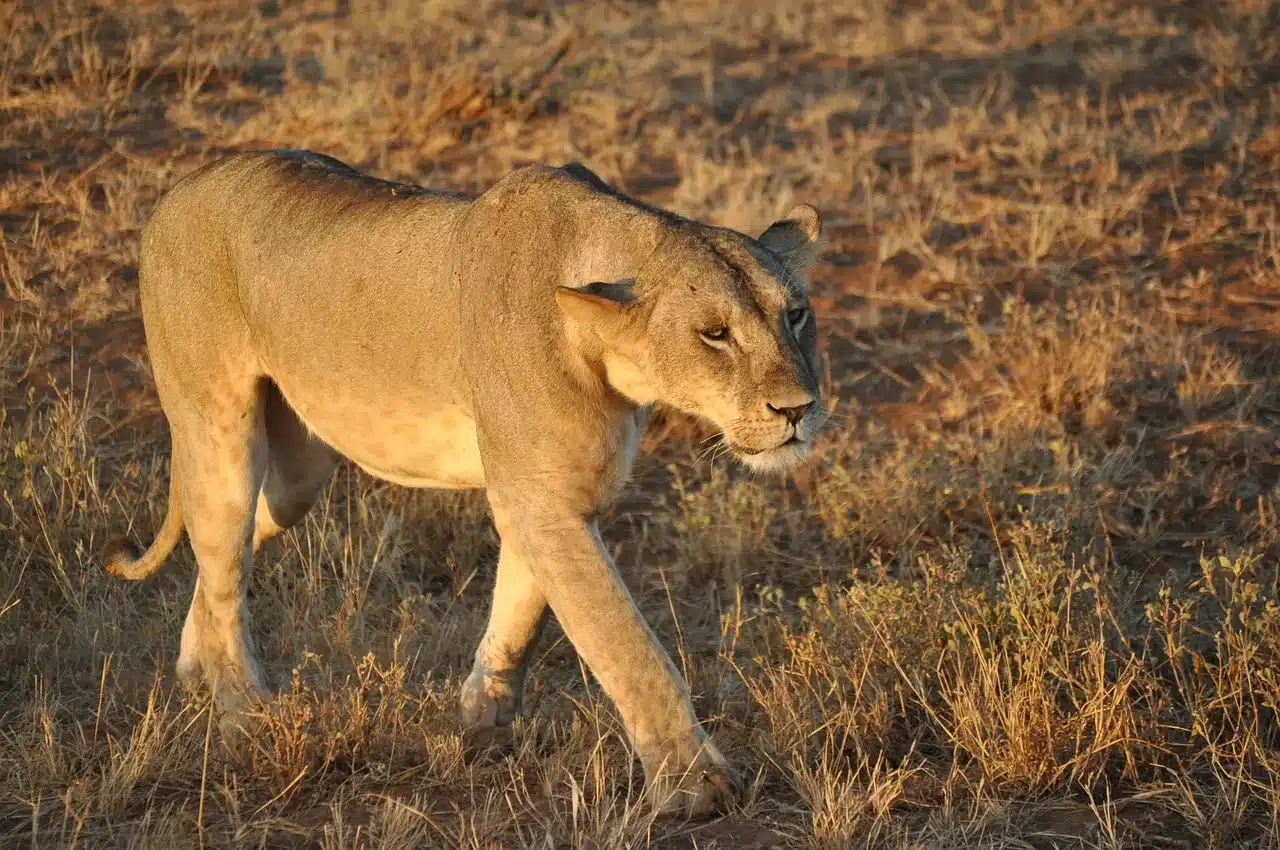
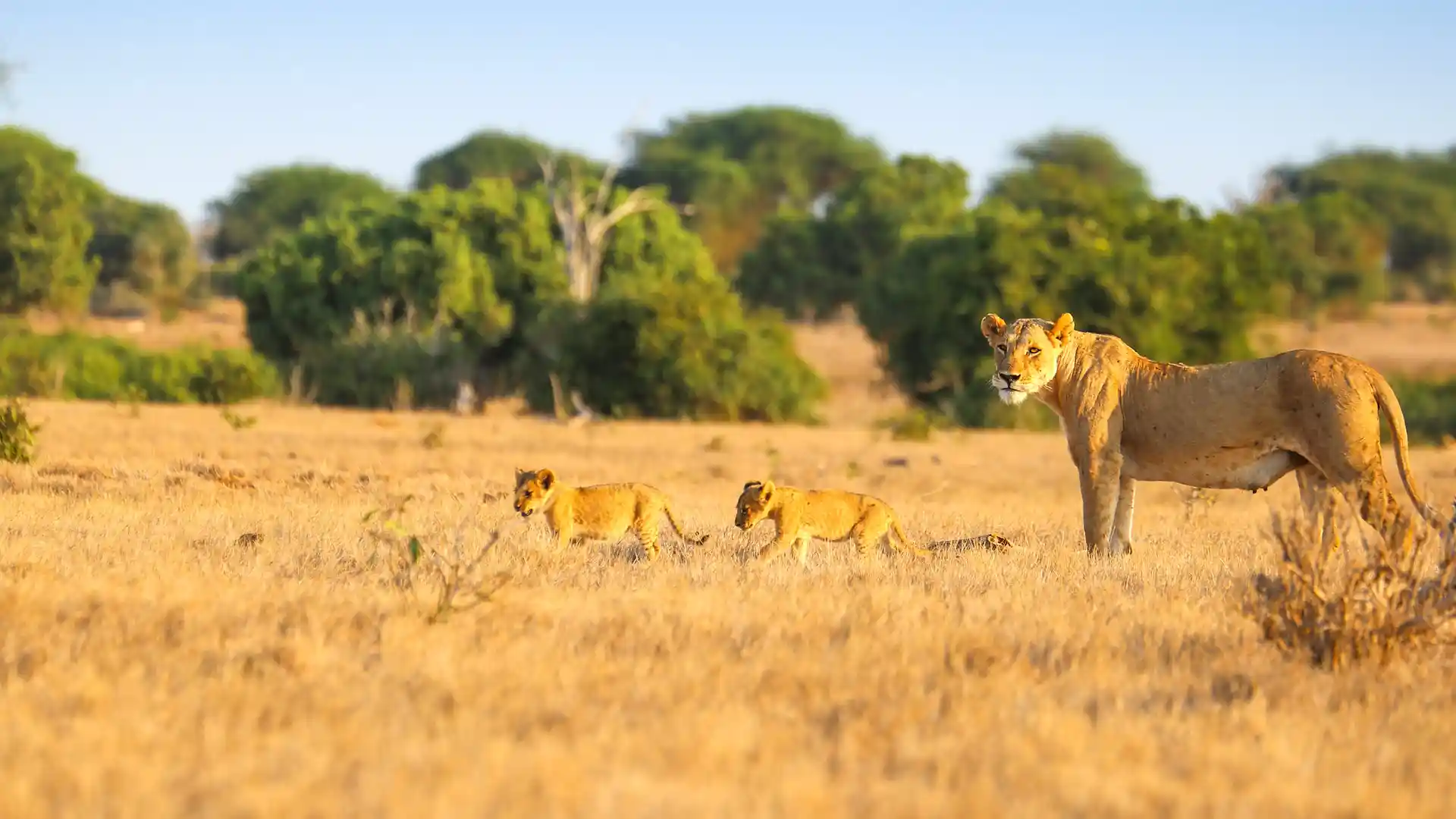
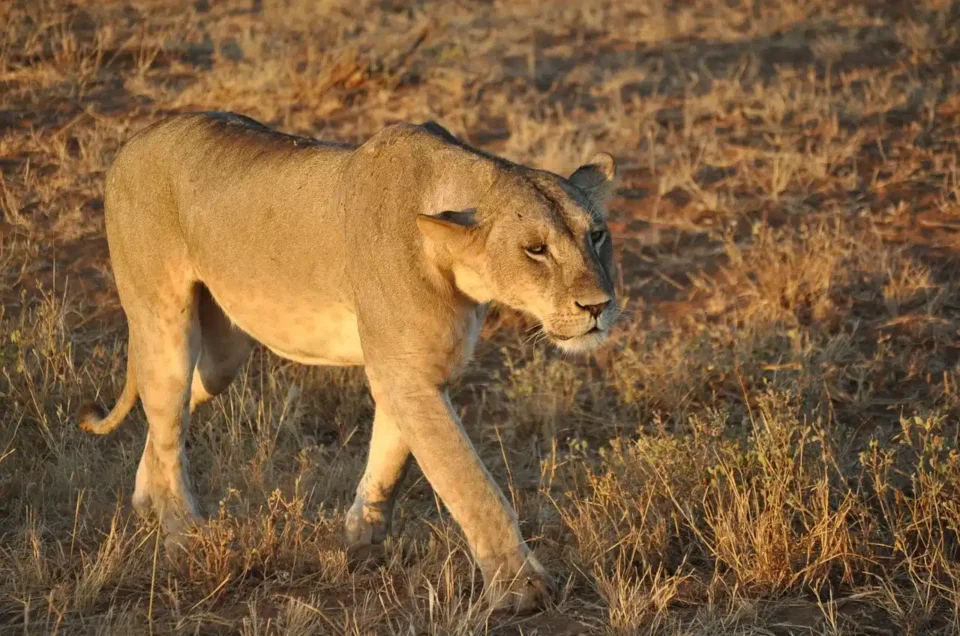
Tsavo’s most famous wildlife stars are its maneless lions.
These unique lions have adapted to the park’s dry climate and thick thorny vegetation. During the British colonial period, just two of these lions were responsible for the deaths of around 135 Indian workers on the Kenya–Uganda Railway. Their story inspired Lieutenant-Colonel John Henry Patterson’s 1907 book Man-Eaters of Tsavo. The lions were later killed and are now displayed at the Field Museum in Chicago.
Today, Tsavo is sometimes overshadowed by the Masai Mara National Reserve and Amboseli National Park. However, its incredible wildlife, vast wilderness, and location between Nairobi and Mombasa make it a must-visit destination during a safari in Kenya. Discover more with our guide to Tsavo National Park, including the best things to do, when to visit, transport tips, and more.
When should you visit Tsavo National Park?
You can visit Tsavo at any time of year.
But the dry seasons from June to October and December to March offer the best wildlife viewing.
During the dry seasons, the days are hot, but the lack of rain makes it easier to spot animals. As water sources begin to dry up, wildlife gathers around waterholes, rivers, and permanent water areas. Places such as Aruba Dam, Lake Jipe, and the Tsavo and Galana rivers become important spots for game viewing. This is when you have some of the best chances of seeing animals in the open.
The rainy seasons come from March to May and November to December. During this time, Tsavo becomes greener and the vegetation grows thicker. Animals have more cover, which can make sightings less predictable. The humidity can also be uncomfortable, and some roads may become muddy after heavy rains. However, the rainy season has its advantages.
Lodge, tented camp, and safari prices are usually lower. The park is also quieter, and many areas remain accessible, especially at the beginning of the rains.
How much time should you spend in Tsavo National Park?
Tsavo is the impressive national park in this part of Kenya. Give yourself enough time to enjoy all that it offers. Allow at least 2 days for a safari in either Tsavo East or Tsavo West. If you would like to add activities such as guided walks alongside game drives, plan for 4 days.
Remember that reaching the parks also takes time. Tsavo is a vast wilderness, and distances between wildlife-viewing areas and lodges can be long, especially in Tsavo East.
Include travel time when planning your safari. Mtito Andei is about a 4-hour drive from Nairobi or Mombasa. Voi takes around 5 hours from Nairobi and about three hours from Mombasa.
Where should you stay in Tsavo National Park?
Tsavo East and Tsavo West offer a wide range of accommodation options.
You can choose from safari lodges, hotels, and tented camps with comfortable semi-permanent safari tents. Tsavo West has the largest choice of luxury and upmarket places to stay.
There are also lodges and hotels around the edges of the parks. Some are located in private reserves, such as the Taita Hills Wildlife Sanctuary south of Tsavo West. When booking your safari package with us, we help you choose accommodation that matches your budget and preferences.
For a luxury safari experience, Tsavo has some outstanding options. These include Finch Hatton’s Luxury Tented Camp in Tsavo West and Salt Lick Safari Lodge in the Taita Hills. If you are looking for more affordable options, consider places such as Taita Rocks Hotel in the Taita Hills, Ngulia Safari Lodge near Ngulia Rhino Sanctuary, or Kilaguni Serena Safari Lodge in Tsavo West.
If you are travelling independently with your own vehicle, camping is also possible. Tsavo West has three public campsites, while Tsavo East has one. These offer affordable spaces for tents and camper vans. Facilities are basic, with water, toilets, and a simple camp kitchen available.
Another budget-friendly option is to stay outside the parks. Towns such as Voi and Mtito Andei offer convenient places to stay while exploring Tsavo.
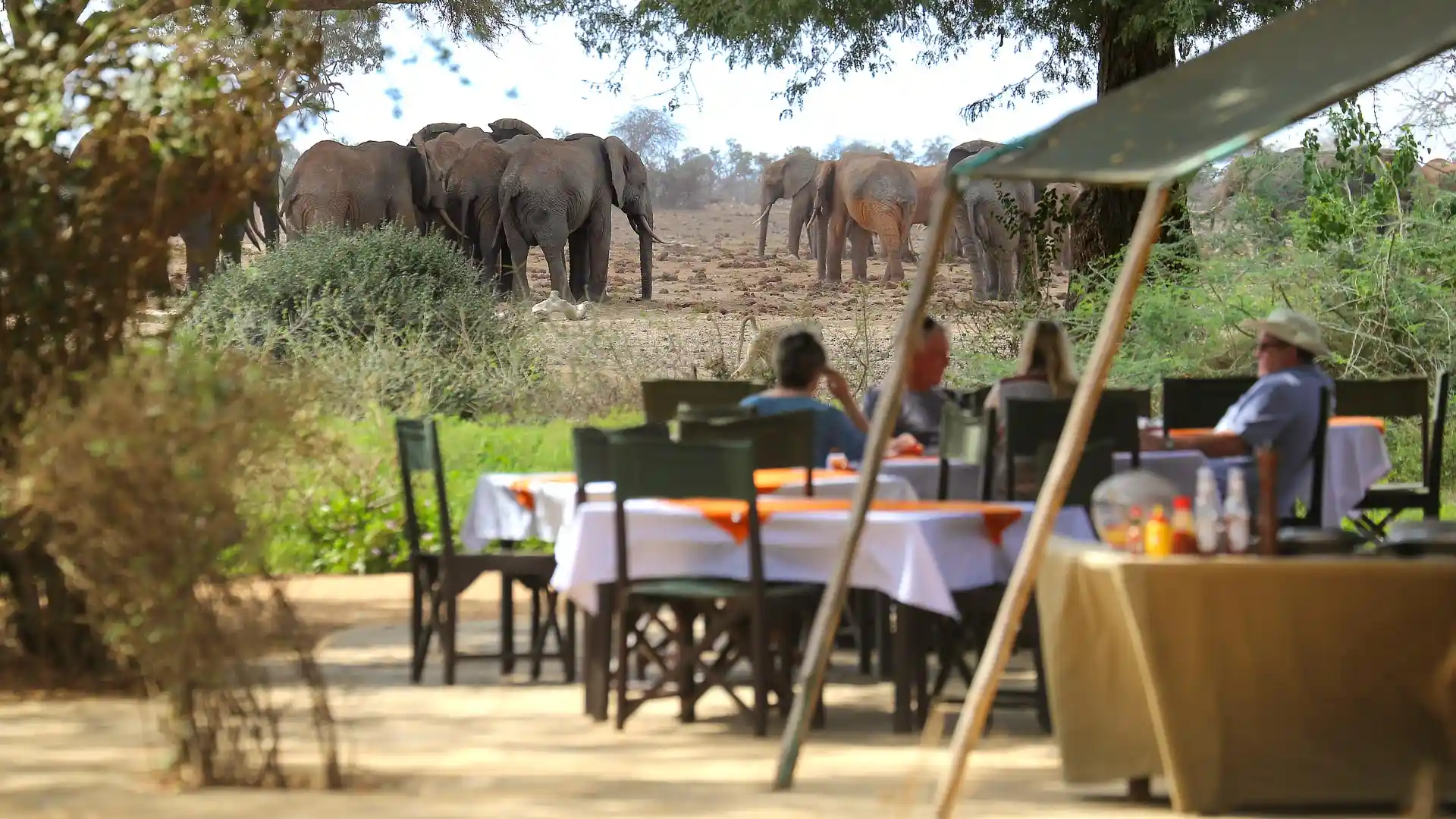
Is it easy to get into and around Tsavo National Park?
Getting to Tsavo National Park is relatively easy. The two parks are divided by the main highway and railway line between Nairobi and Mombasa. Most visitors explore Tsavo as part of an organised safari. These usually include transfers from Nairobi or Mombasa. Or a pick-up from nearby towns such as Voi for Tsavo East and Mtito Andei for Tsavo West and the Taita Hills Wildlife Sanctuary.
Public transport is also available. Buses and matatus (minivans) connect both Voi and Mtito Andei with towns along the Nairobi–Mombasa route. You can also travel by the Standard Gauge Railway (SGR) from Nairobi or Mombasa. The railway follows the same general route as the historic Kenya–Uganda Railway.
Both Tsavo East and Tsavo West can be explored on a self-drive safari with a rented 4WD vehicle. However, you should be comfortable driving on rough dirt roads and remain alert around wildlife, especially elephants. Fuel stations are available in Voi, Mtito Andei, and Makindu. Inside the parks, getting help with vehicle problems or emergencies can be challenging.
If you are visiting Tsavo West, charter flights are available from Jomo Kenyatta International Airport and Wilson Airport. Flights can land at Kamboyo Airstrip near the Mtito Andei gate, Kilaguni Airstrip inside the park, or Finch Hatton’s Airstrip in the northwest. For Tsavo East, most visitors fly to Voi or use charter flights to airstrips close to their accommodation.
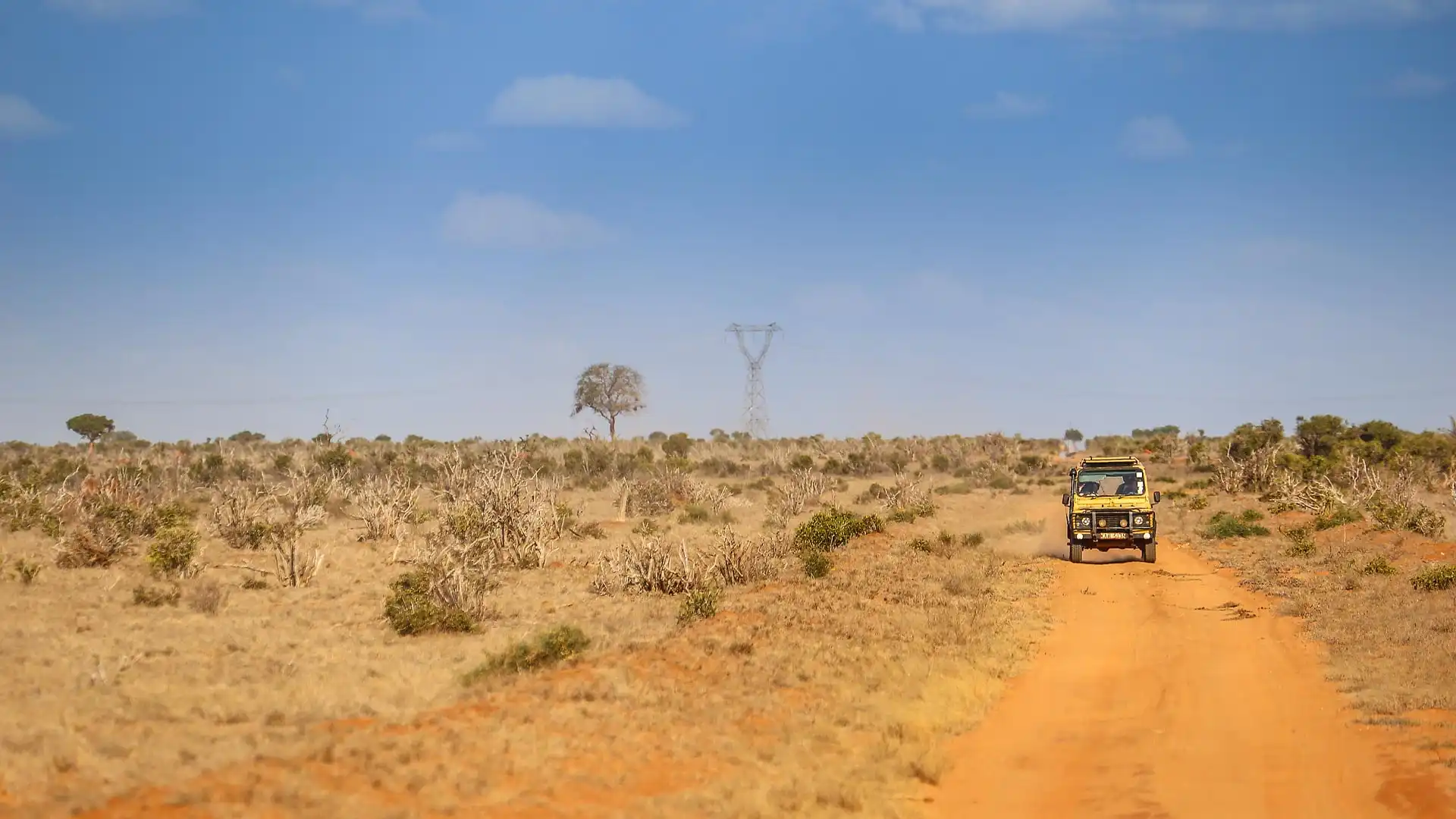
Top things to do in Tsavo National Park
The best things to do in Tsavo focus on nature and wildlife. Most visitors explore the park through game drives in a 4×4 vehicle. However, Tsavo offers more than wildlife viewing from a vehicle. In Tsavo West, there are several places where you can leave your vehicle and explore on foot. These walks must be done carefully and with respect for the wild surroundings.
1. Take a 4x4 game drive in Tsavo West
A safari is one of Kenya’s most unforgettable experiences. Tsavo West offers some of the country’s most impressive landscapes. In a single day, you can travel through open savannah, lush forests, rocky hills, bushland, and ancient lava fields.
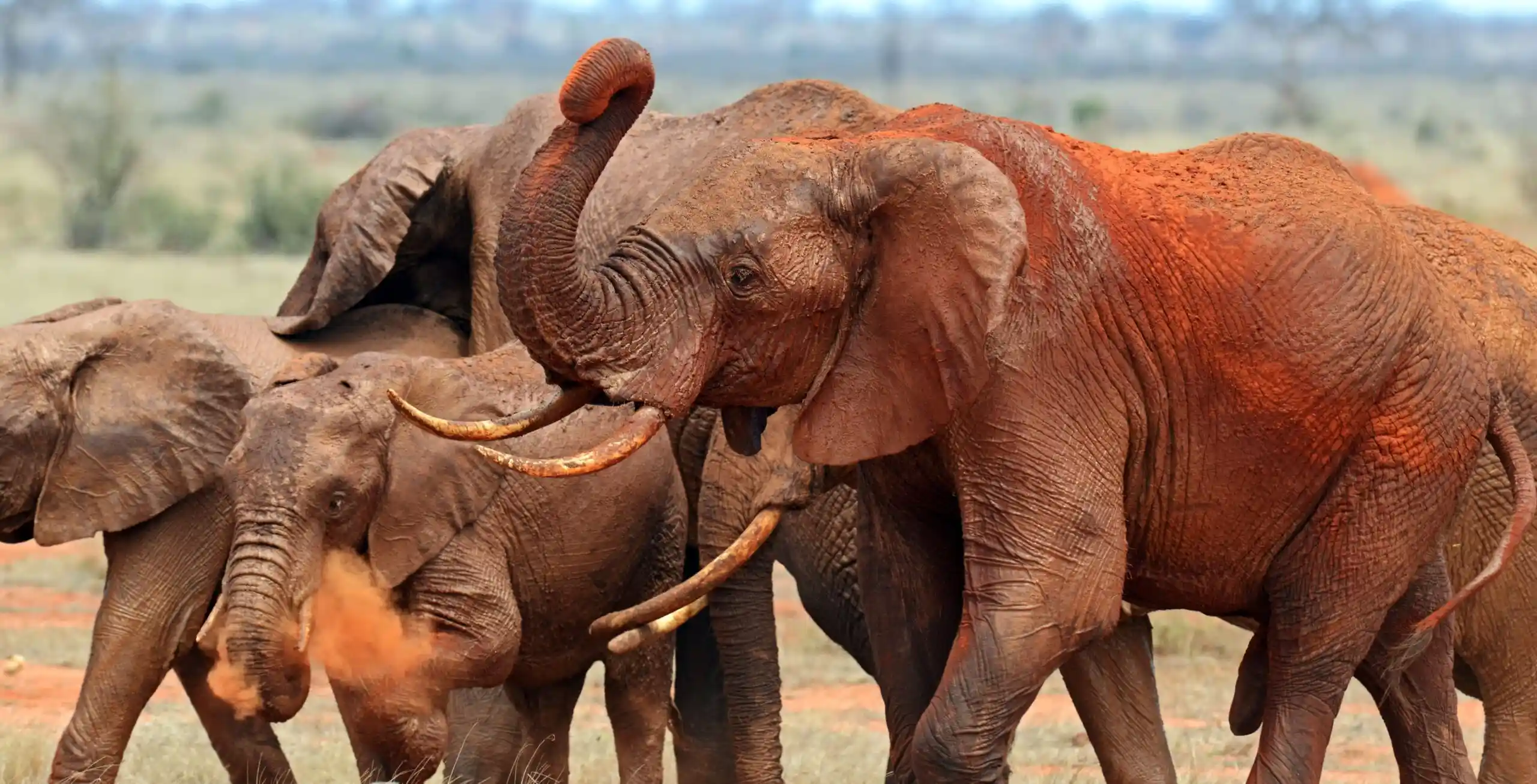
A 4×4 game drive in Tsavo West gives you a great chance of seeing some of Kenya’s Big Five. The park is also famous for its “red elephants”. Their colour comes from the iron-rich dust they cover themselves with. This helps protect their skin from the sun and insects.
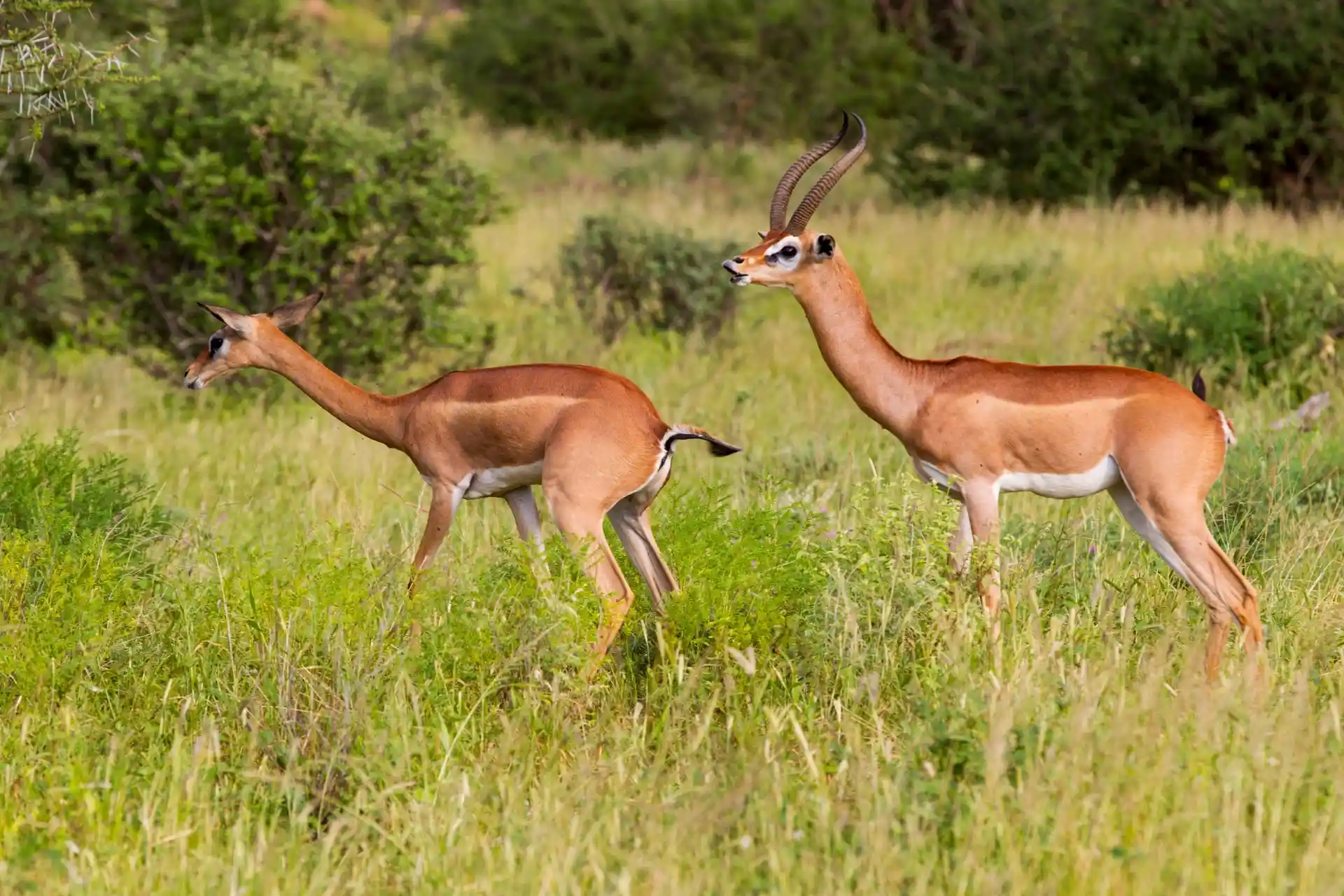
Tsavo West is also home to cheetahs, hyenas, zebras, crocodiles, wildebeests, giraffes, hippos, lesser kudus, gerenuks, and many other herbivores.
Bird lovers will also enjoy the park. Tsavo West has more than 400 bird species. These include weaver birds, hornbills, corncrakes, secretary birds, vultures, and other birds of prey. Watching predators and prey interact can be intense, but it shows the natural cycle of life in the African wilderness.
This is a true wilderness experience, so come prepared. Carry insect repellent, drinking water, a hat, binoculars, and a camera with a long lens.
You will remain safe inside your vehicle during your safari. Do not leave the vehicle or drive off the marked roads, except in permitted areas such as Chaimu Crater and Mzima Springs.
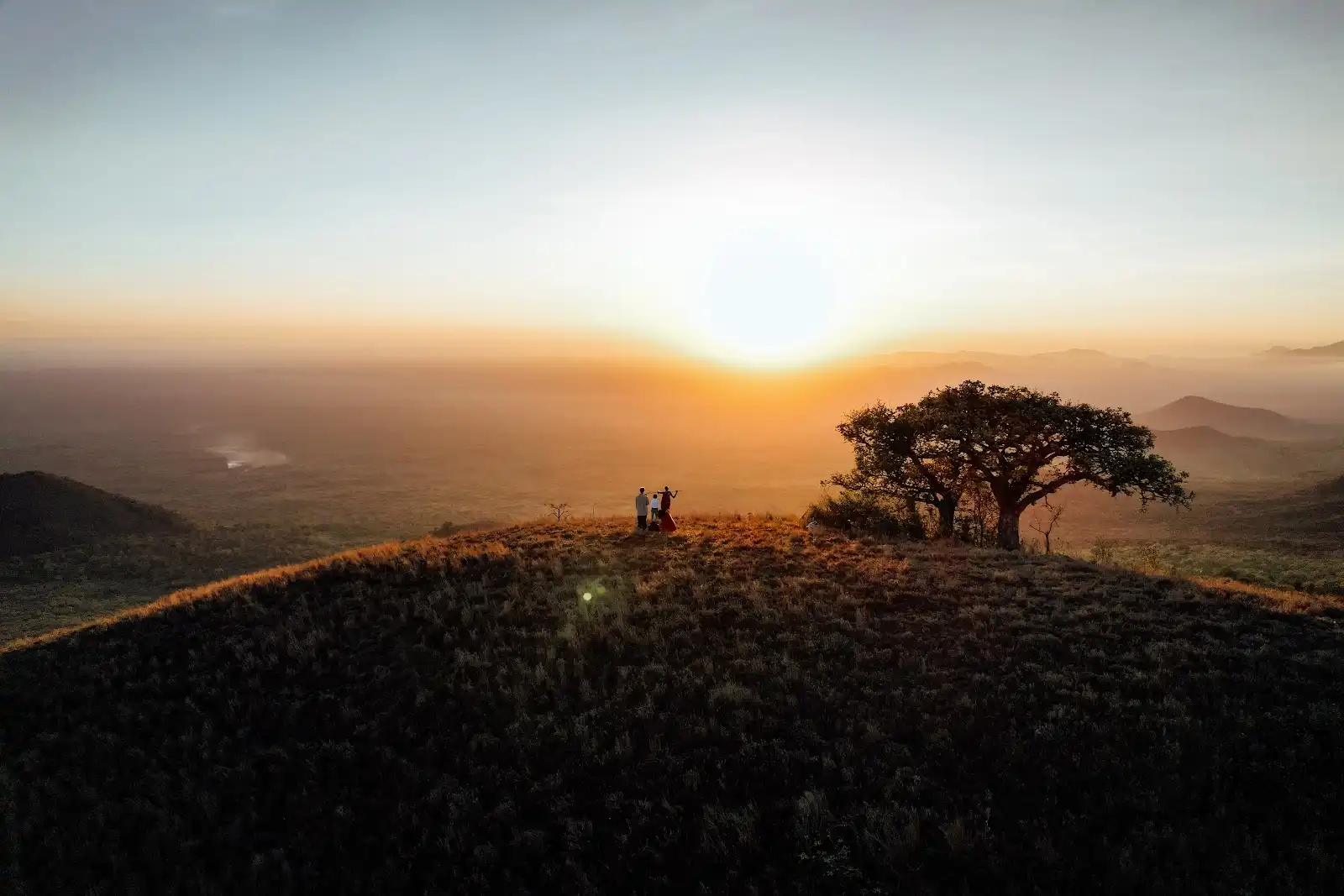
2. Enjoy breathtaking views over Tsavo West
Tsavo West offers several viewpoints where you can safely step out of your vehicle and admire the surrounding landscapes.
One of the best places for panoramic views is Poacher’s Lookout, located just northwest of Severin Safari Camp. The viewpoint sits at 852 metres above sea level. From here, you can enjoy wide views across the open plains stretching west towards Mount Kilimanjaro.
Another memorable viewpoint is Chaimu Crater, located on the edge of the Chyulu Hills. Here, you can leave your vehicle and take a short walk to the top of this cone-shaped volcanic hill. From the black cinder summit, you can look across Tsavo’s lava-covered western landscapes and see other volcanic cones scattered across the dry terrain.
3. Explore Tsavo’s ancient volcanic landscapes
West of the Chyulu Gate, which connects Tsavo West with Amboseli National Park, you will find the impressive Shetani Lava Flow. This vast field of hardened lava stretches across 50 square kilometres of the savannah. The lava was formed between 200 and 500 years ago. It is rich in obsidian, with black volcanic rocks rising through the dry vegetation.
The name “Shetani” means “devil” in Kiswahili. According to local folklore, the Akamba people believed the eruption was caused by the devil emerging from the underworld.
You can step out of your vehicle to explore this dramatic landscape. However, stay alert and watch for wildlife in the area. Nearby are the Shetani Caves, which were also created by ancient volcanic activity. You can explore the caves with a flashlight, but it is best to visit with a guide. The rocks are extremely sharp, and hyenas are sometimes seen in the area.
4. Discover the crystal-clear waters of Mzima Springs
The word Mzima means “life” in Kiswahili.
It is a perfect name for these clear natural springs in the dry landscape of Tsavo West. Located 48 kilometers from Mtito Andei, the springs release water that began as rainfall in the Chyulu Hills about 25 years earlier. The water slowly filters through the porous rock before reaching the surface.
Today, you can stop and admire the clear stream flowing from the springs. It moves through several pools and rapids before disappearing underground again, about 2km later. The water is channelled to supply Voi and the coastal region. The above-ground sections are also home to hippos and Nile crocodiles.
With a guide, you can walk around the springs and taste some of the clearest and purest water in southeastern Kenya. A nature trail follows the stream and passes a glass tank that allows you to see below the water. Watch for snakes and monkeys as you explore.
Avoid visiting very early in the morning or late in the afternoon. This is when larger animals gather in the area and may pose a safety risk. Many lodges in northern Tsavo West arrange trips to Mzima Springs, or you can include a stop here in your safari itinerary.
5. Seek big cats on rocky outcrops
Tsavo and the neighbouring Amboseli area are home to around 675 lions. The region also supports leopards, cheetahs, and several smaller African cat species.
One of Tsavo’s most famous attractions is its maneless lions. You have a good chance of spotting them during early morning game drives. The best places to look are around water sources, including the Galana River and Aruba Dam in Tsavo East.
When they are not hunting, lions often rest on rocky outcrops. Popular spots include Mudanda Rock in Tsavo East, as well as Lion’s Rock and Roaring Rocks in northern Tsavo West.
Many safari visitors stop at these viewpoints for breakfast with sunrise views or for a sundowner drink in the evening. Roaring Rocks is also often linked to the famous Pride Rock from Disney’s The Lion King, although the connection is not officially confirmed.
6. Get close to Tsavo’s famous red elephants
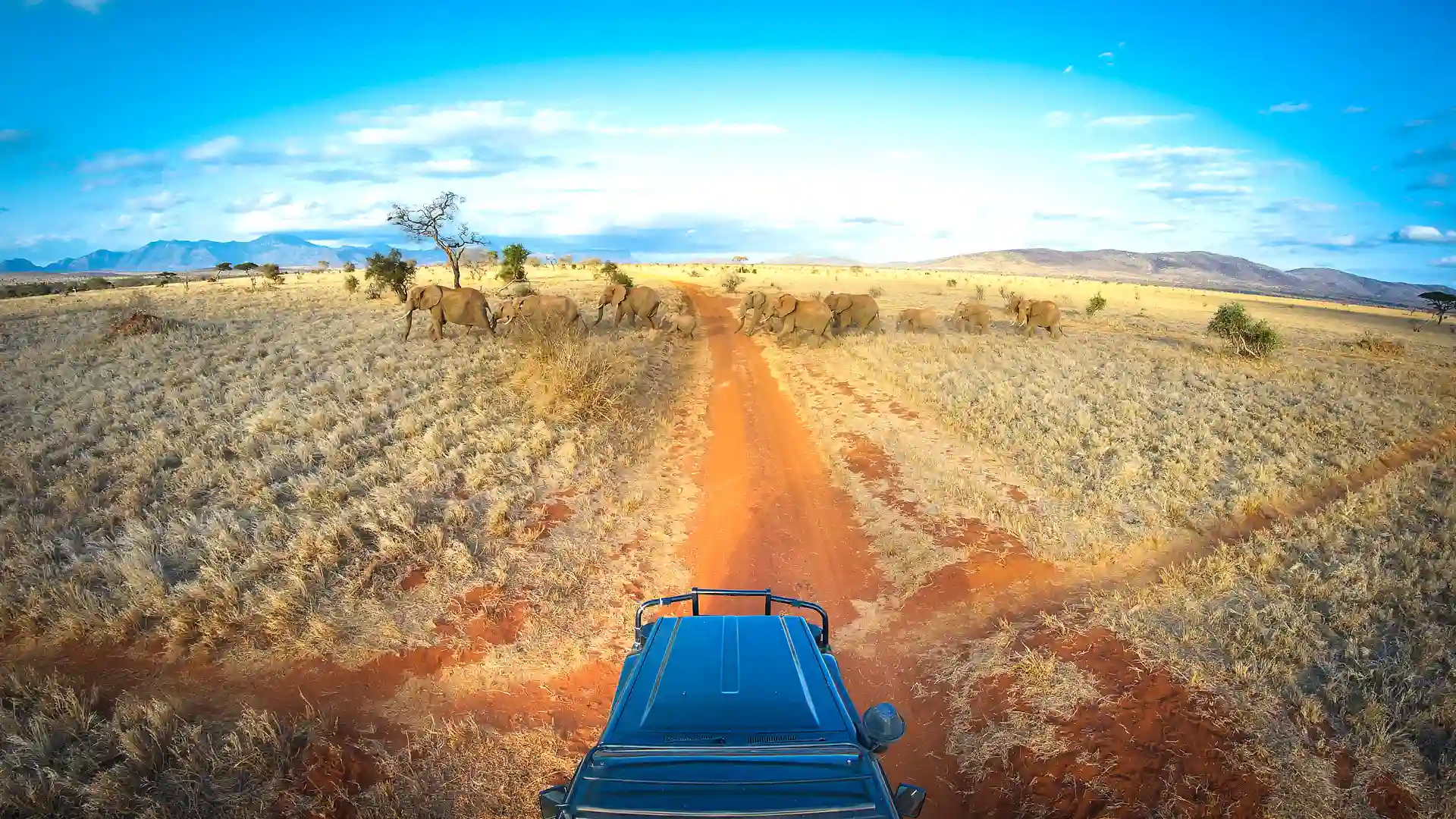
Tsavo is home to around 16,000 African elephants. Seeing these giant animals covered in the park’s famous red dust is one of the most memorable safari experiences.
In Tsavo West, good places to spot elephant herds include the areas around Mzima Springs and the Tsavo River. In Tsavo East, elephants are often seen near Aruba Dam and along the Galana River.
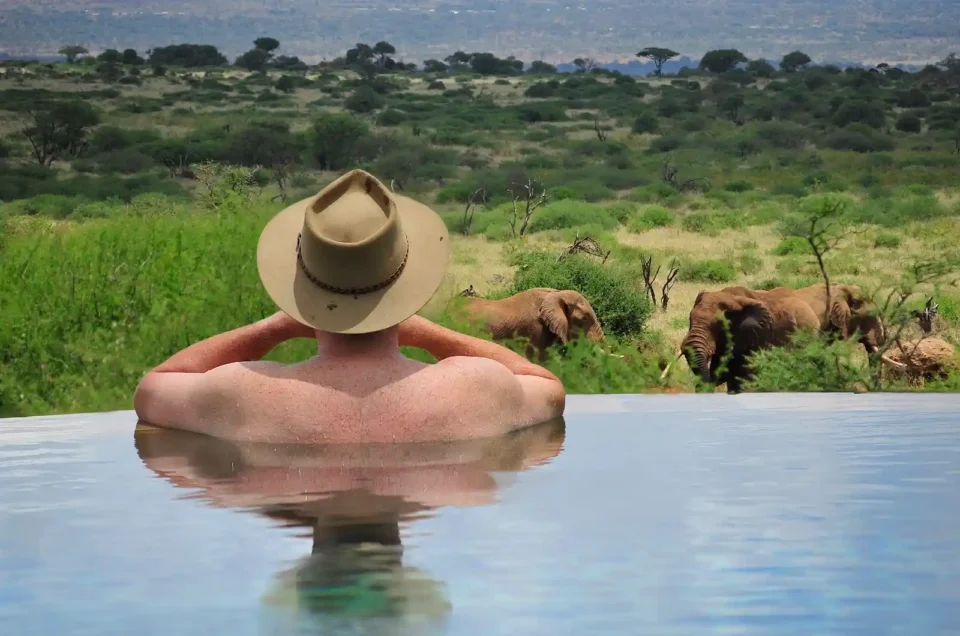
At the unique Salt Lick Safari Lodge in the private Taita Hills Wildlife Sanctuary, you can even watch elephants moving through the area from your elevated room above the ground.
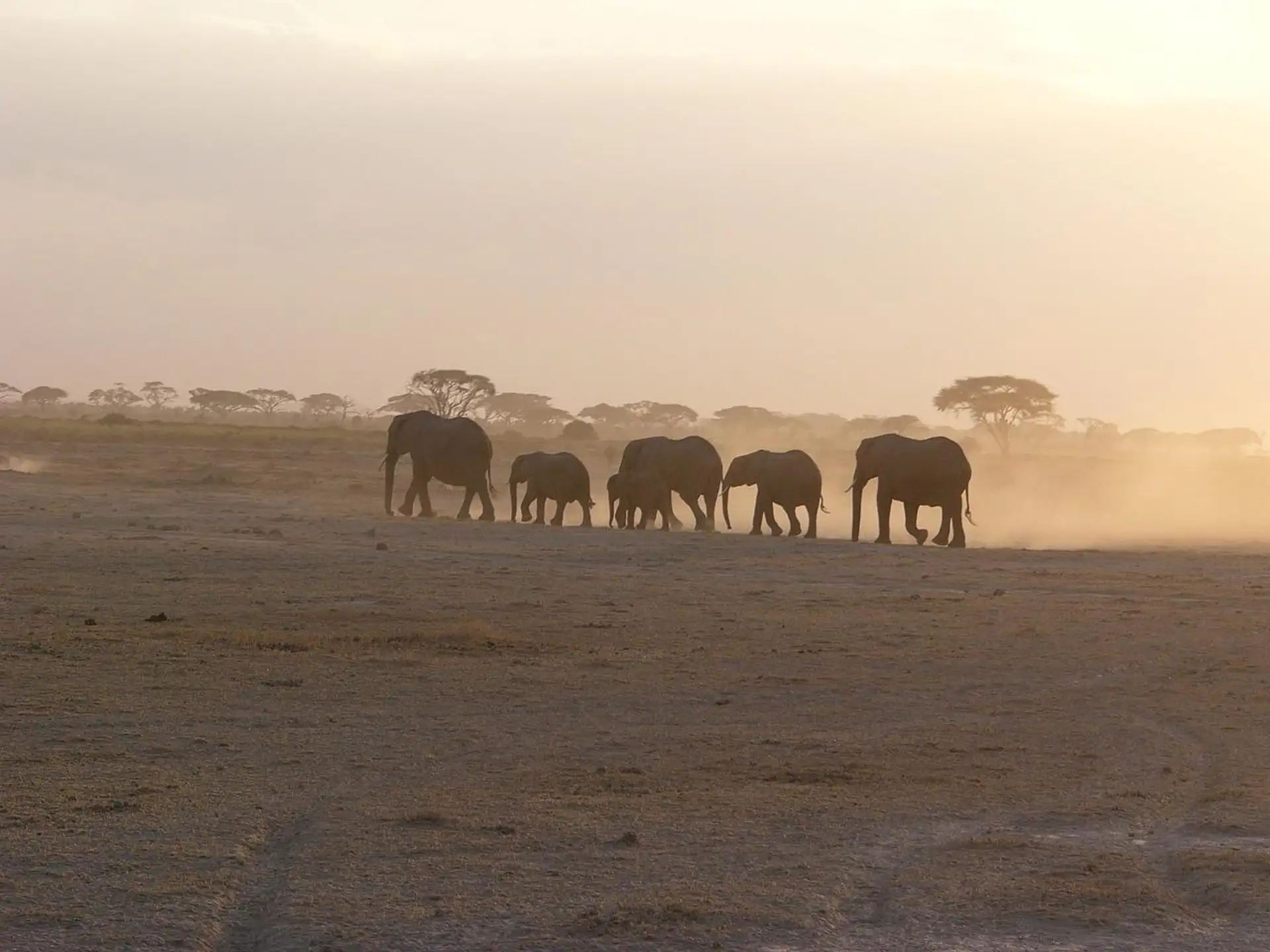
Always keep a safe distance when viewing elephants in Tsavo. They can become defensive if they feel threatened, especially when calves are nearby. Lone males can also be unpredictable during the musth period, when their testosterone levels increase.
Planning tip: If you meet a group of elephants while driving through the park, stop at least 100 metres away. Be prepared to move away if the elephants approach your vehicle.
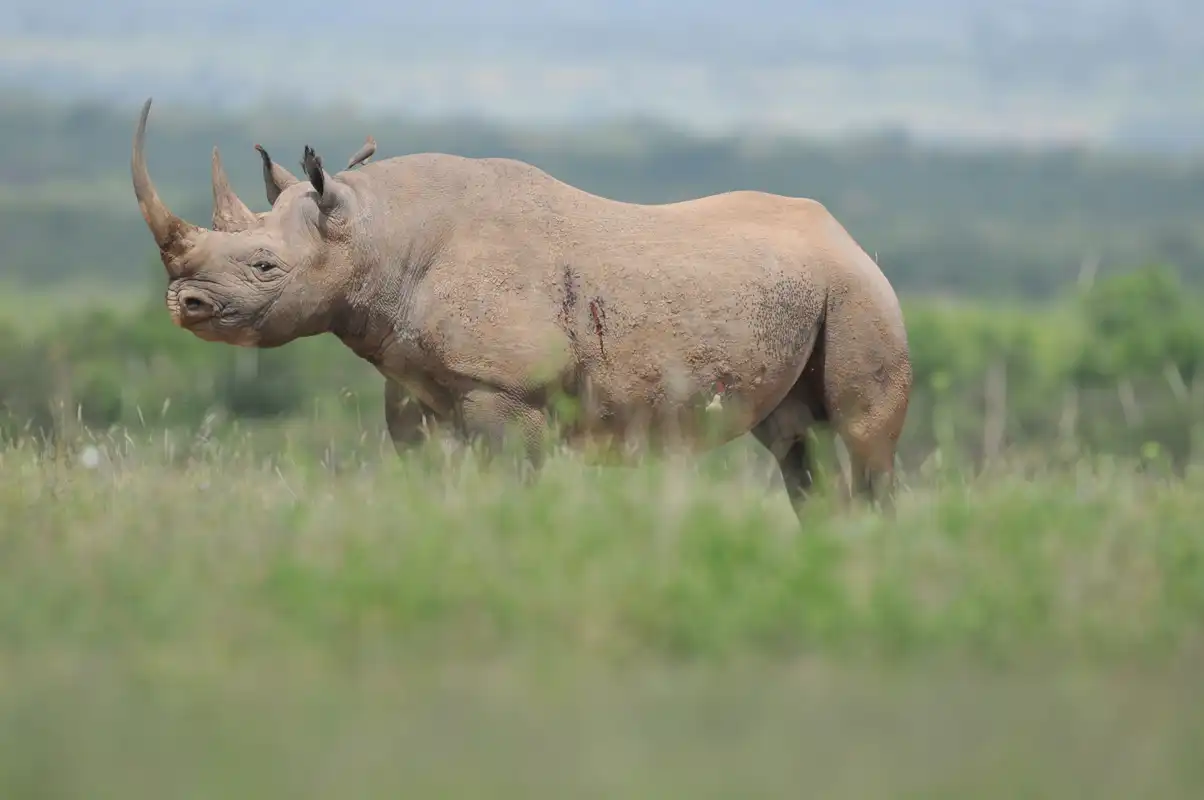
7. Meet critically endangered black rhinos at Ngulia
Tsavo was once home to more black rhinos than anywhere else in the world. In the 1940s, around 20,000 rhinos lived in the area.
Years of severe poaching caused the population to decline dramatically. By 1989, only 20 rhinos remained. This led to the creation of the Ngulia Rhino Sanctuary. The fenced sanctuary was established to protect the remaining rhinos and help the population recover.
The project began with just nine rhinos. Today, it is home to more than 120 rhinos. It is now recognised as one of Kenya’s most successful rhino conservation efforts.
The sanctuary takes its name from the Ngulia Indigenous community. Visitors can stay overnight at a simple camp and watch the rhinos using binoculars or night-vision goggles. The camp has a raised viewing platform and allows a maximum of 6 guests at a time.
My favorite thing to do in Tsavo National Park
It is difficult to choose a favourite experience in Tsavo. Climbing Chaimu Crater and watching hippos and crocodiles at Mzima Springs are both unforgettable.
There is a special feeling of stepping out of your vehicle and being surrounded by nature. At both places, you feel close to the wild. You also need to stay alert and respect the animals around you.
Hippos, in particular, deserve caution. They are highly territorial and are considered one of Africa’s most dangerous large mammals. However, when viewed safely and responsibly, watching these huge animals in their natural habitat is an incredible experience.
How much money do you need for Tsavo National Park?
The cost of a safari in Tsavo is slightly higher than the cheapest safaris in the Masai Mara. However, prices are generally similar to other safari destinations in East Africa.
Starting from Nairobi or Mombasa, a short 2-day, 1-night safari is usually the most affordable option. Prices start from around US$350, but the final cost depends on the type of accommodation and the level of comfort you choose.
Luxury Tsavo safaris can cost much more. These often include charter flights, stays at remote luxury lodges or tented camps, and a range of activities included in the package.
Safaris in Tsavo East are often a little more affordable than those in Tsavo West. This is mainly because Tsavo West has more luxury lodges and high-end camps.
Remember that all visitors must pay park entry and conservation fees. For Tsavo East and Tsavo West, non-residents pay US$80 per adult and US$40 per child. Entry to Taita Hills costs US$40 per adult and US$20 per child. The Ngulia Rhino Sanctuary fee is included in the Tsavo West entry fee.
What should you pack for your Tsavo safari?
A visit to Tsavo is all about wildlife, so pack good binoculars and a quality camera. A long lens, around 400mm, is ideal for capturing distant animals. Bring extra memory cards so you never miss a special moment.
Morning game drives can feel chilly, especially in open safari vehicles. Pack warm layers and a hat to protect yourself from the cool breeze. These are also useful for outdoor meals at safari lodges in the evening.
For the bush, loose-fitting long-sleeved shirts and trousers are more practical than shorts and short sleeves. They offer better protection from the sun, insects, and vegetation. If your lodge has a swimming pool, remember to pack your swimsuit.
Insect repellent is essential. You should also carry anti-malarial medication and make sure you have the recommended vaccinations before travelling to Kenya.
The East African sun can be strong, so bring sunscreen and sunglasses. If you plan to walk, wear sturdy boots to protect your feet from sharp rocks, thorns, snakes, and spiders. A refillable water bottle is also a good idea. It helps reduce unnecessary plastic waste during your safari.
Do you need a guide for your Tsavo safari?
Exploring Tsavo on your own is not always the best idea. This is a true wilderness area with lions and other wild animals. A professional guide can make your experience safer and more rewarding.
On an organised safari, a wildlife guide is usually included in the cost. The same applies to safari packages arranged through lodges inside the park. If you are travelling on a self-drive safari, you can hire a private guide through tour agencies in Nairobi or Mombasa. You can also rent a 4×4 vehicle with a driver-guide if you prefer not to handle Tsavo’s rough and uneven dirt roads yourself.
Are there any important safety tips?
Getting close to Tsavo’s wildlife is an incredible experience. However, remember that Africa is not Jurassic Park. These are wild animals, and even calm-looking herbivores can be dangerous.
Keep a safe distance from wildlife at all times. Stay at least 25 metres away from non-predatory animals. Keep at least 100 metres from predators, elephants, and any animals with young.
During a safari, animals may sometimes come close to your vehicle. Give them as much space as possible. This keeps you safe and reduces stress for the wildlife.
Once you enter the park, stay inside your vehicle unless you are in an area where walking is allowed. Always remain alert and watch for dangerous or aggressive animals, including snakes.
When driving, stay on the designated dirt roads. Do not drive off into the bush. If you have an accident or mechanical problem, help may take time to arrive. Carry enough drinking water and have a way to call for assistance, such as a mobile phone with satellite emergency messaging. Fill your vehicle with fuel before entering the park. There are no petrol stations inside the park gates.
More Articles

Greenway nature tours
We are a fully licensed tour company accredited by the Uganda Tourism Board. We design and operate safaris in Uganda and East Africa. Our operations are based in Kampala, Uganda, the heart of our safari planning and coordination. Though our company was officially established in 2025, our team brings deep, hands-on knowledge of East Africa.
Destinations
Favourite Tours
Help & Info
- About us
- Travel Blog
- Travel FAQS
- Gorilla Permits Bookings
- Contact Us
- Pay Online