Guide to Visiting Tarangire National Park
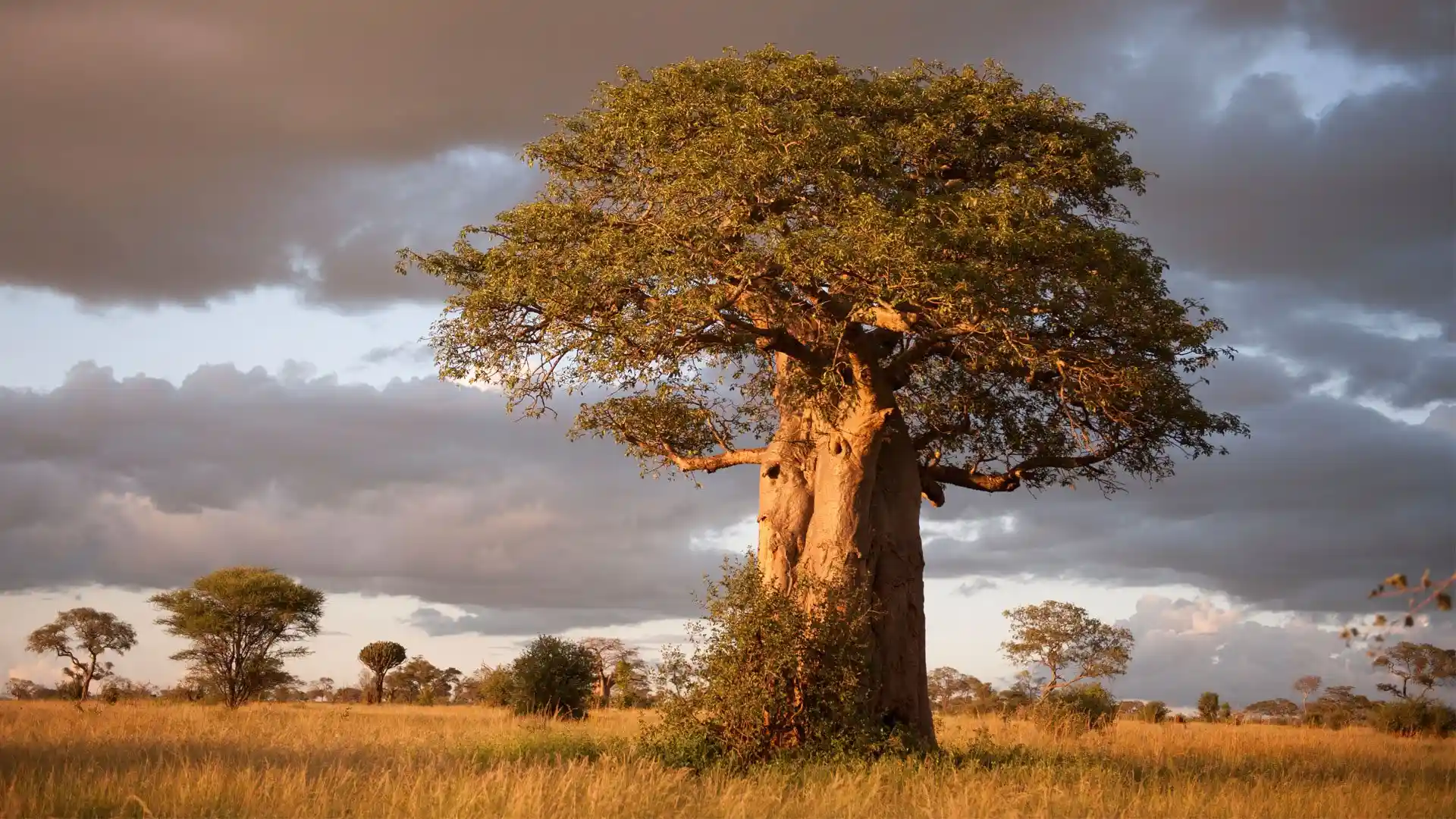
When planning your safari to Tanzania, Tarangire National Park is a place worth knowing about. It is one of the four main wildlife areas on Tanzania’s Northern Safari Circuit, although it receives less attention than the Serengeti National Park, Ngorongoro Crater, and Lake Manyara National Park. This does not make it less interesting. Tarangire has its own character. Covering 2,850 km² (1,100 mi²), it offers some of the best elephant viewing in East Africa. You can also explore landscapes filled with giant baobab trees, spot big cats, and enjoy some of the finest birdlife in Tanzania.
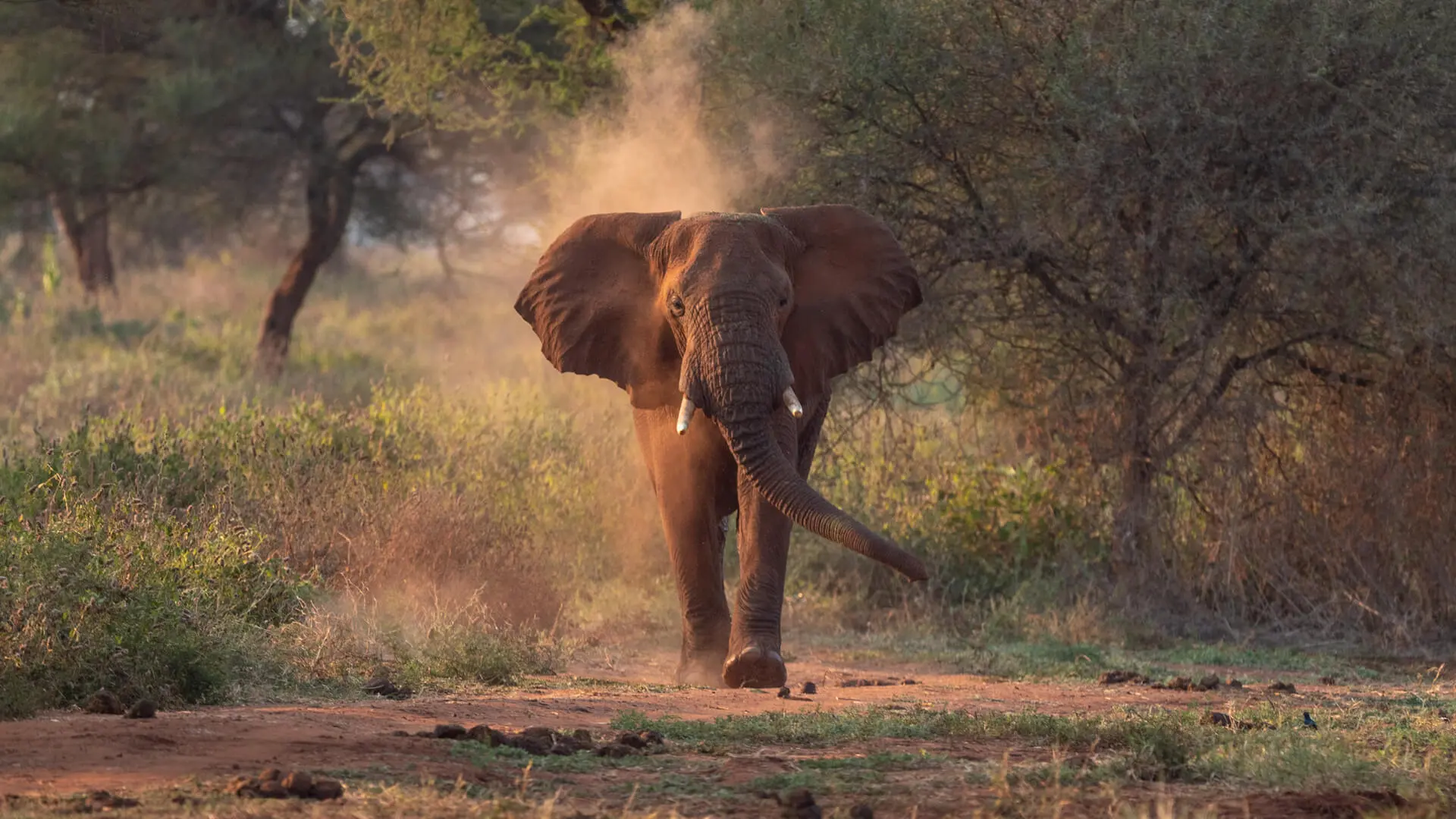
Why Should You Visit Tarangire National Park?
Tarangire National Park is a fantastic choice for your Tanzania safari, whether you visit it on its own or combine it with other parks on the Northern Safari Circuit.
The park is best known for its elephants. Large herds move through the landscape, offering possibly the best elephant viewing in northern Tanzania. But there is much more to discover.
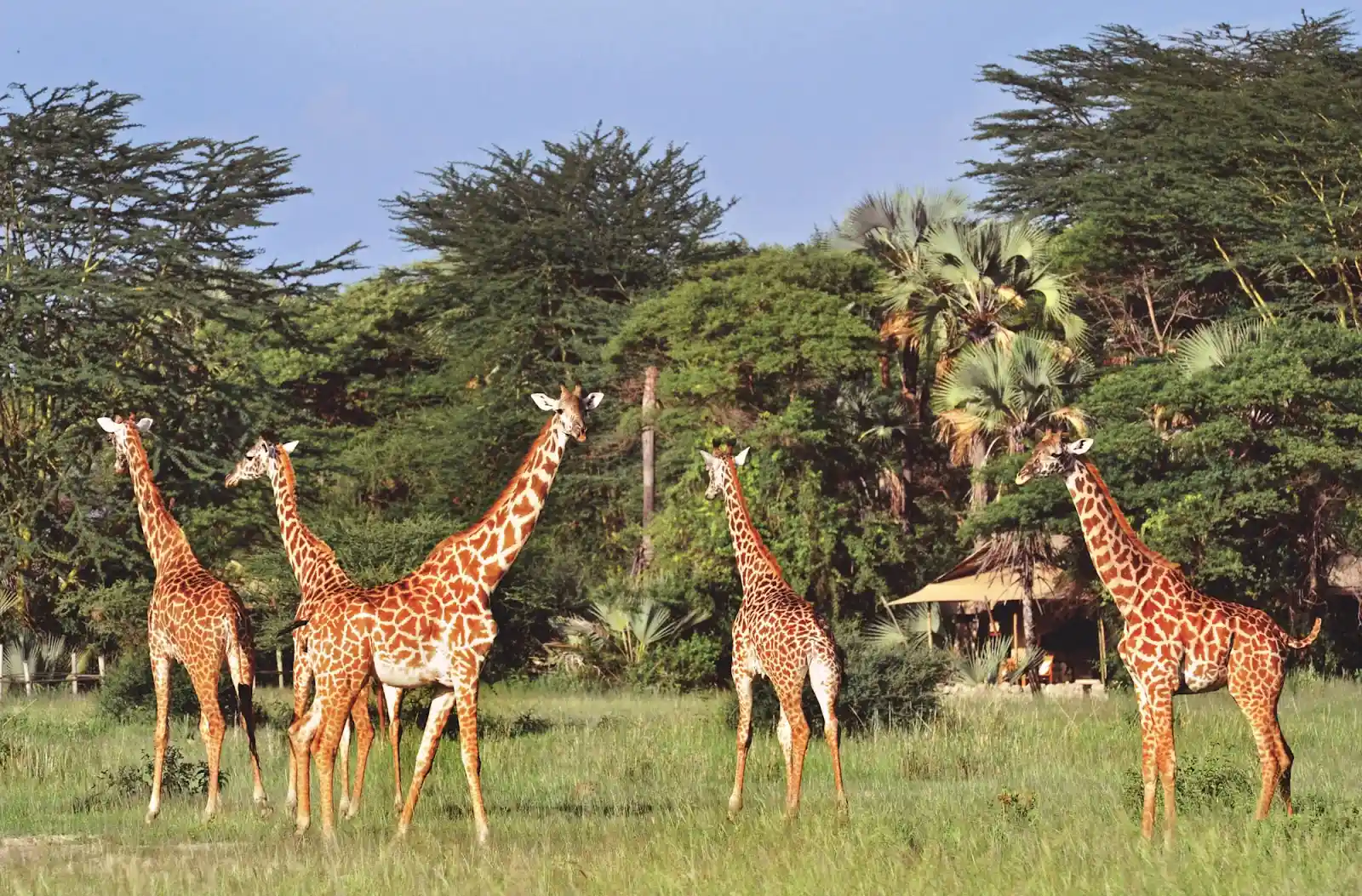
You can also spot lions, leopards, cheetahs, buffaloes, giraffes, zebras, wildebeest, and warthogs. Because Tarangire is close to Arusha and has a lower entrance fee than Serengeti and Ngorongoro Crater, it is a great choice if you have limited time or want to keep your safari costs lower. It is also one of the best parks in northern Tanzania for combining wildlife viewing with birdwatching.
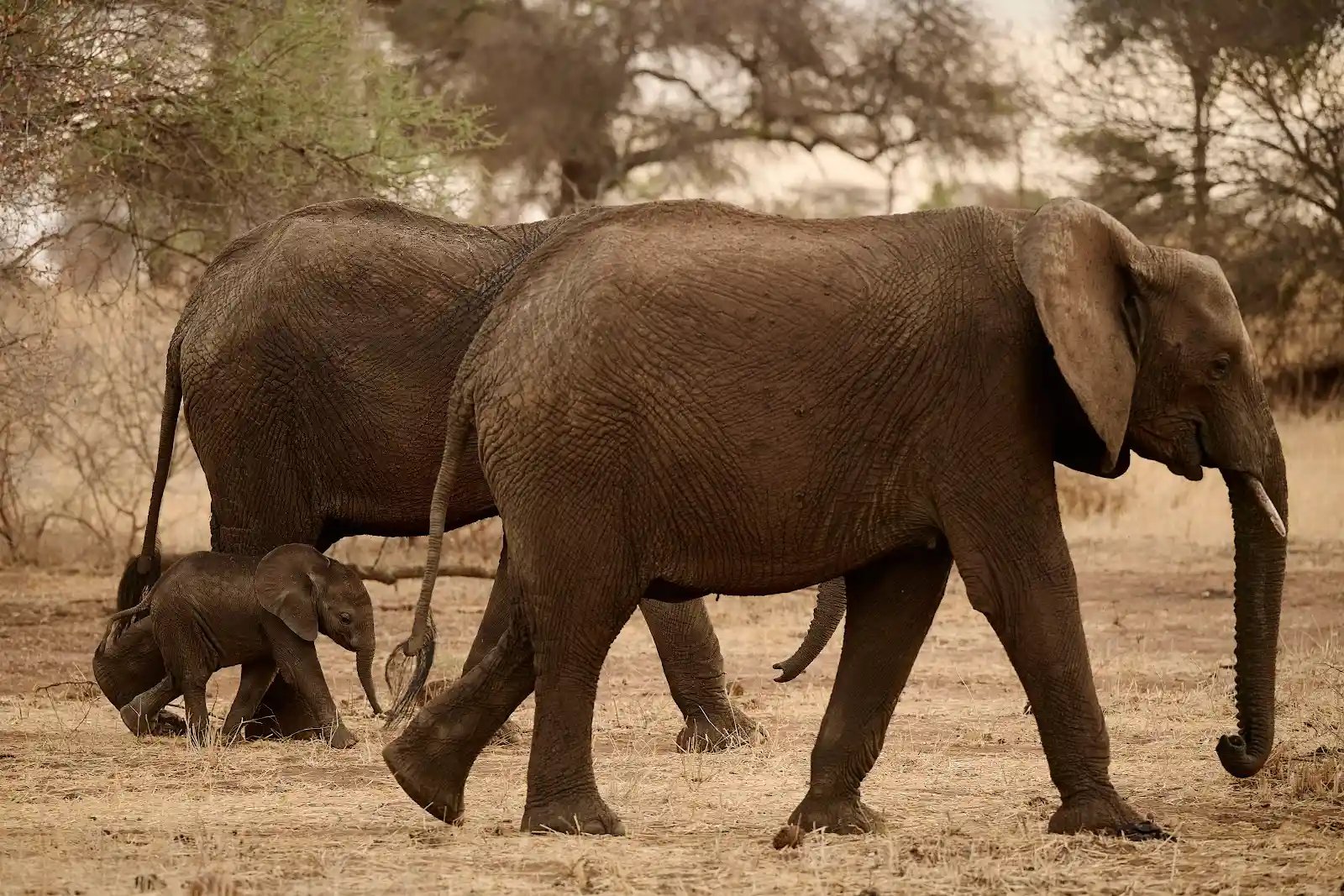
What Wildlife Can You Expect to See in Tarangire?
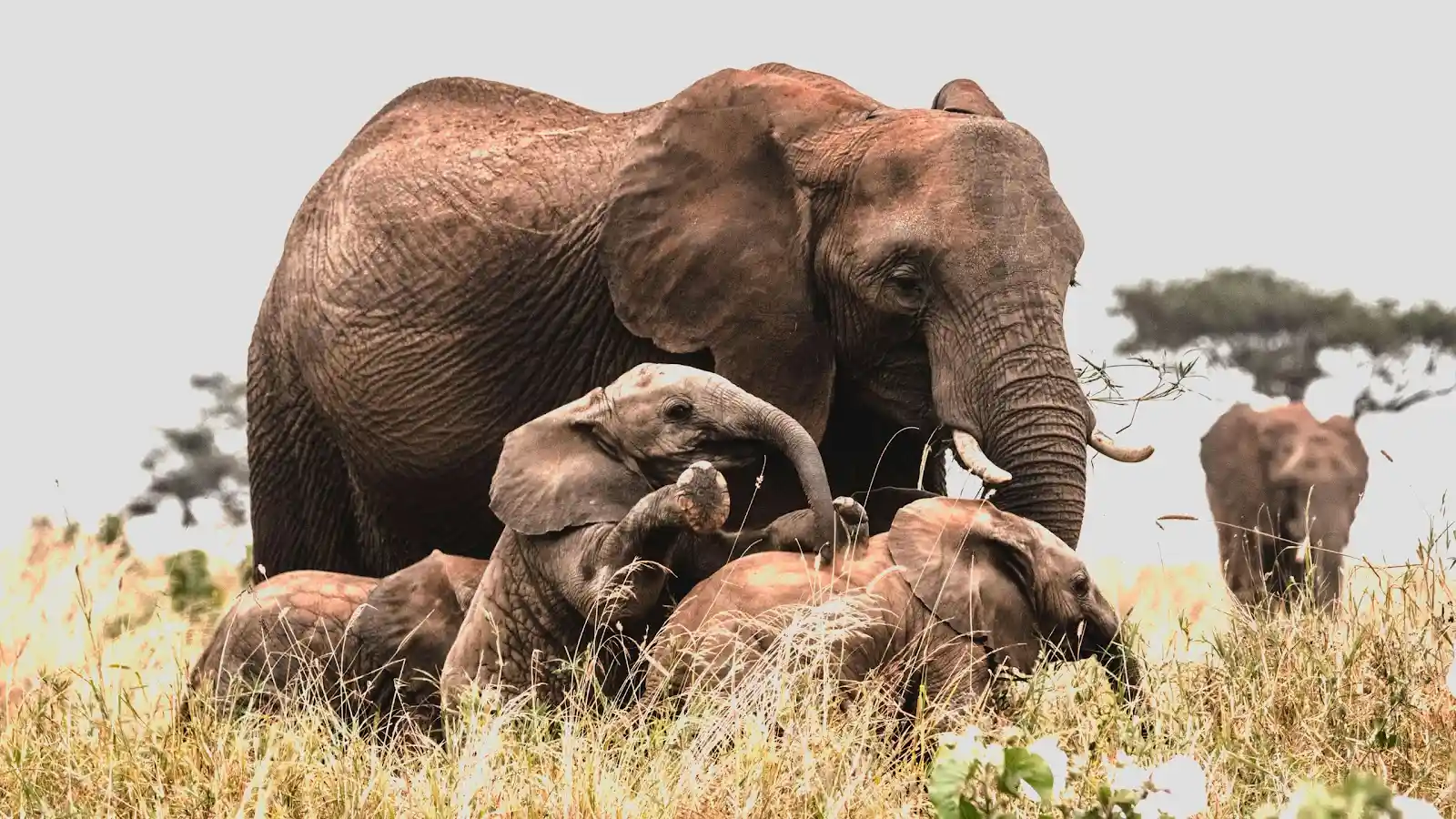
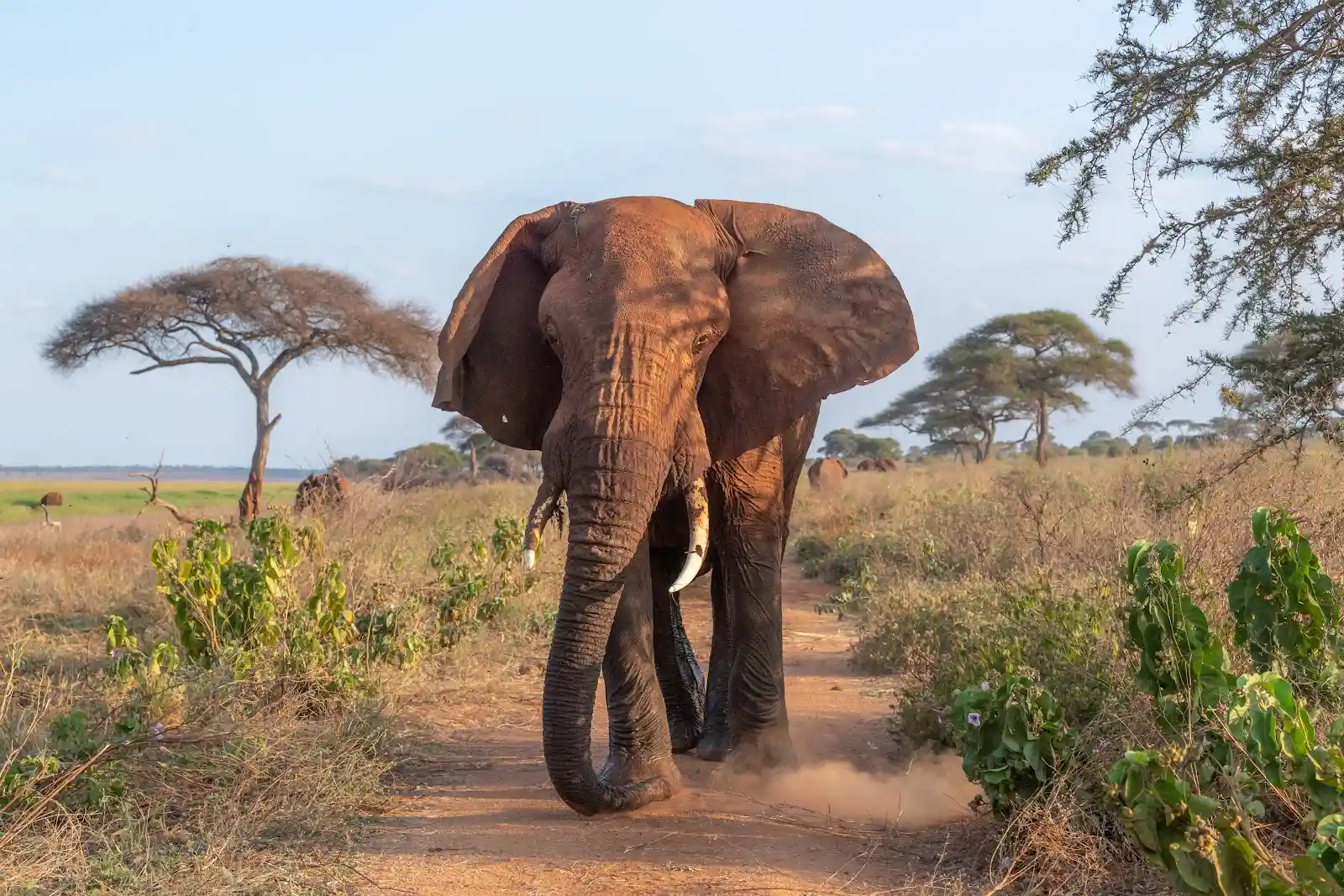
The first thing you will notice in Tarangire National Park is the elephants. The park is the best place in northern Tanzania to see large elephant herds. During a single game drive, you may come across hundreds of elephants, especially around the rivers and water sources.
Tarangire is not as well known for big cats as the Serengeti or Ngorongoro Crater. However, lions are regularly seen here. Leopards, cheetahs, and spotted hyenas also live in the park, although they are more difficult to find. You can expect to see many other animals, including buffaloes, giraffes, zebras, wildebeest, impalas, and warthogs. Tarangire is also home to some special dry-country species, such as gerenuks, fringe-eared oryx, elands, and lesser kudus.
The park is also a great destination for birdwatchers. More than 500 bird species have been recorded here. Look out for colourful birds such as Von der Decken’s hornbill, superb starlings, ostriches, and Tanzania’s own yellow-collared lovebird and ashy starling.
Where Is Tarangire National Park Located?
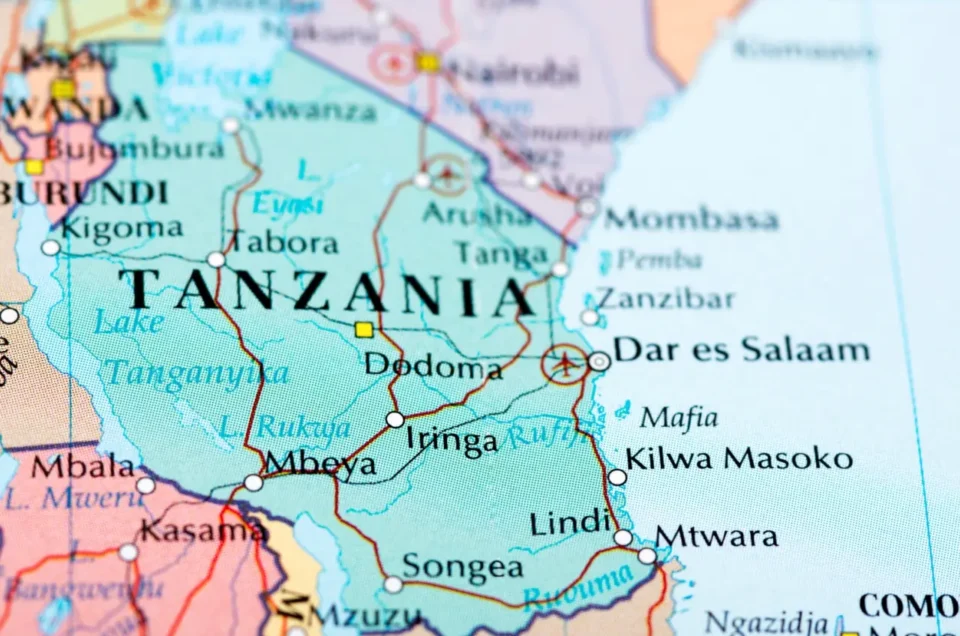
Tarangire National Park lies in northern Tanzania. It is about 107 km (66 miles) southwest of Arusha, the main gateway to the Northern Safari Circuit. If you are starting your Tanzania safari tour from Arusha, Tarangire is an easy park to include. The drive is short, and it fits well with other famous parks in the region. The park gets its name from the Tarangire River.
During the dry season, this river becomes a lifeline for wildlife. Large numbers of elephants and other animals come here to drink. Tarangire is part of the Maasai Steppe, a vast landscape shared with the Maasai people. It sits within a much larger 20,000 km² (7,722 mi²) wildlife ecosystem.
Although it is separate from the Serengeti and Ngorongoro ecosystems, Tarangire combines perfectly with both. Together, they create one of the best safari experiences in Tanzania.
How Do You Get to Tarangire National Park?
Your journey to Tarangire National Park usually starts in Arusha, the safari capital of Tanzania. Arusha is served by two airports. Arusha Airport (ARK) is close to the town centre and handles domestic flights. Kilimanjaro International Airport (JRO) is about 50 km (31 miles) east of Arusha and welcomes international flights. From Arusha, you can easily reach Tarangire by road.
The park is often included as part of a longer Tanzania tour through the Northern Safari Circuit. The drive takes around two hours. You follow the A104 road towards Dodoma for about 100 km (62 mi) until Kwa Kuchinia. From there, the final 7 km (4 miles) to the main entrance is on a rougher road. With Greenway Nature Tours, you will travel in a comfortable safari vehicle with an experienced guide. A self-drive visit is also possible, but a 4WD vehicle is recommended, especially for the final section of the road.
Can Tarangire Be Combined With Other Parks?
Yes, absolutely. You can visit Tarangire on its own, but it is more commonly included on a multi-destination safari covering Tanzania’s Northern circuit.
The closest park to Tarangire is Lake Manyara National Park. The two parks combine easily on a short two- or three-day safari. Lake Manyara protects a beautiful section of the Rift Valley floor. It is known for its tree-climbing lions and rich birdlife, especially the many waterbirds found around the lake.
Tarangire can also be combined with Ngorongoro Crater on a shorter safari. This is the world’s largest intact volcanic crater and one of the best places in Tanzania to see large numbers of wildlife in one area. For a longer safari, adding Serengeti National Park is highly recommended.
It is one of the world’s greatest safari destinations, famous for the annual wildebeest migration and excellent sightings of Africa’s three big cats: lions, leopards, and cheetahs. Other parks that can be combined with Tarangire include Arusha National Park, located on the slopes of Mount Meru, and Mkomazi National Park, a quieter park and one of the best places in Tanzania to see rhinos.
When Is the Best Time to Visit Tarangire National Park?
Tarangire National Park is a great destination to visit throughout the year. However, if your main goal is wildlife viewing, the best months are usually July to November. During this drier period, large herds of animals move into the park from the surrounding areas. They gather around the Tarangire River, which becomes the only reliable source of water for many miles. The thinner vegetation also makes it easier to spot wildlife.
But Tarangire offers something special in every season. Elephants can be seen throughout the year, and lions and other predators are permanent residents of the park. From November to May, the landscape turns green and the scenery is at its most beautiful. This is also an excellent time for birdwatching, as colourful migratory species arrive.
The quieter months from March to May offer a more peaceful experience, and many lodges provide seasonal discounts. When planning your visit, it is also worth looking at the timing of other destinations on Tanzania’s Northern Safari Circuit, especially the Serengeti, which is often the main highlight of many longer journeys.
How Do You Get Around in Tarangire National Park?
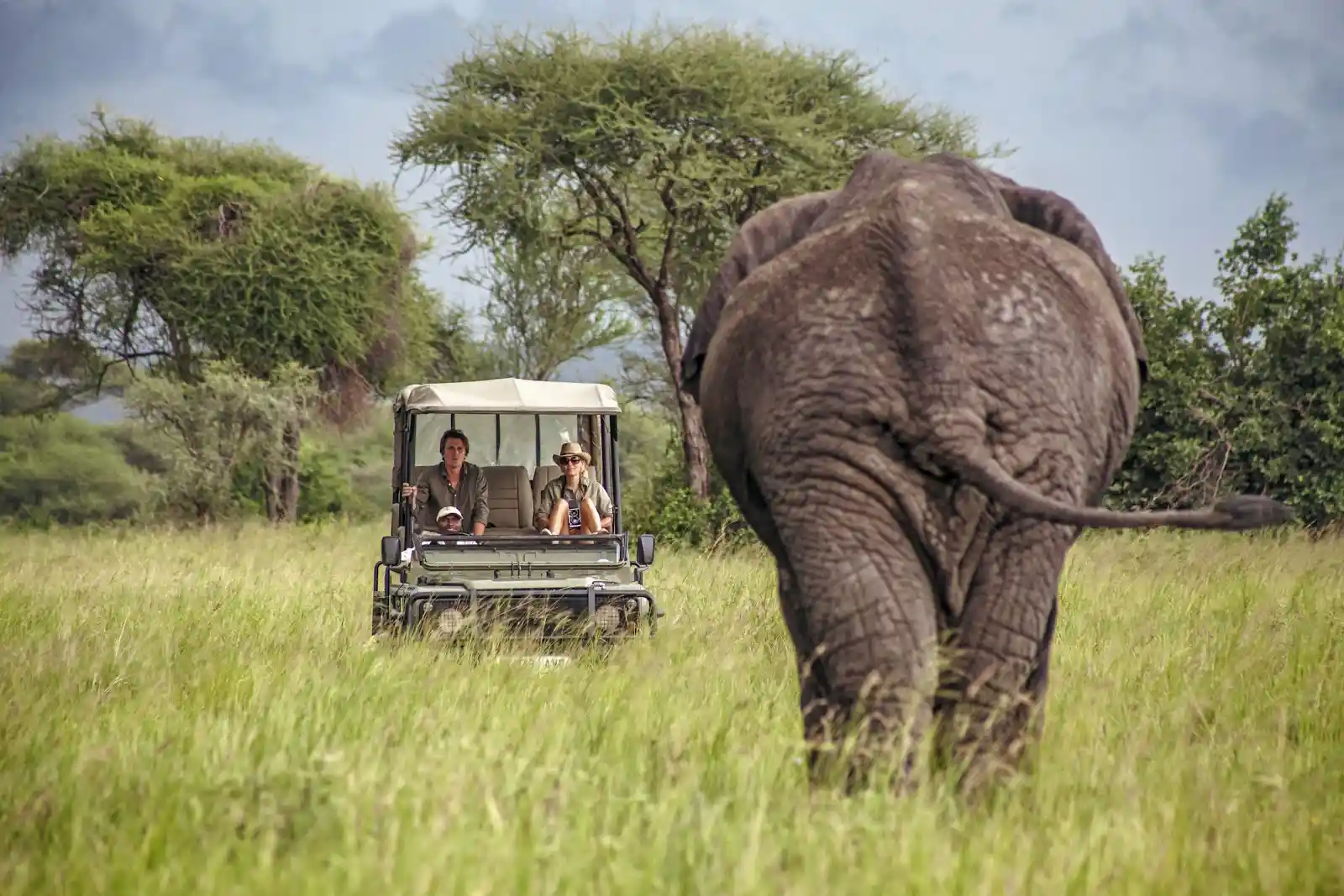
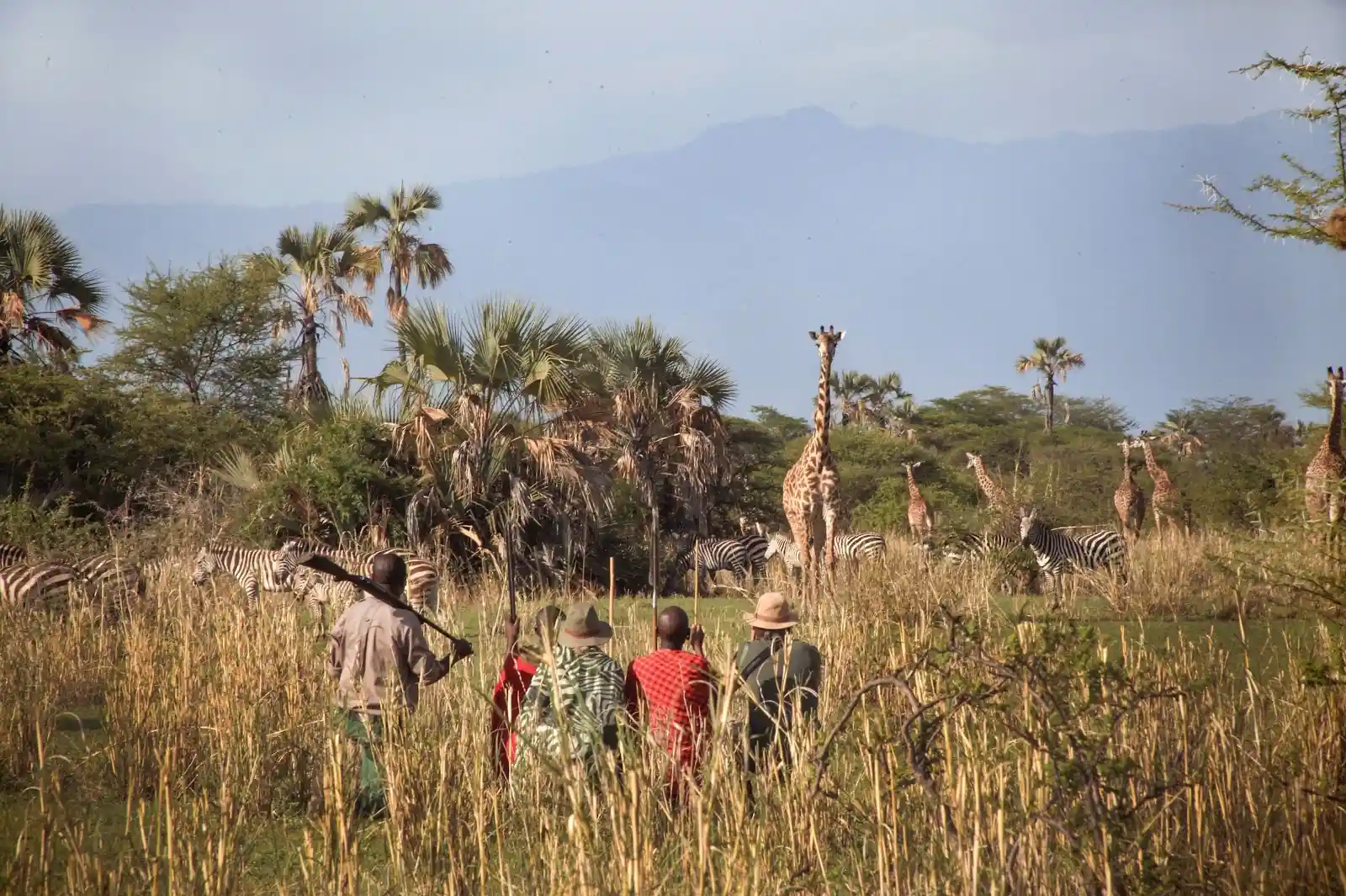
You explore Tarangire National Park by safari vehicle. The park roads are mostly unpaved. After rain, some roads can become difficult. A 4WD vehicle is therefore recommended. If you join our guided safari from Arusha, you will usually continue with the same vehicle and driver-guide throughout your visit. Self-driving is also possible. However, you will need to organise your own game drives. Some private lodges and camps also offer guided bush walks for a different way to experience Tarangire.
How Many Days Should You Stay in Tarangire National Park?
Many visitors include Tarangire as a quick day trip while travelling between Arusha and other parks on Tanzania’s Northern Safari Circuit. They usually arrive late in the morning and leave after lunch. This works well if your main goal is to see Tarangire’s famous elephants. During the heat of the day, many elephants gather around the Tarangire River. However, this is also when the main riverside roads can become busy with safari vehicles.
For a better experience, we recommend spending at least one night in or near the park. This allows you to enjoy game drives in the quieter early morning and late afternoon hours, when wildlife is often more active.
If you have more time, a two- or three-night stay gives you the chance to explore beyond the busy areas. You can discover the quieter southern parts of the park and enjoy Tarangire at a more relaxed pace. If your safari time is limited, you may need to balance your time here with other highlights, especially Serengeti National Park.
Is the Park Safe To Visit?
Yes, Tarangire National Park is a safe destination to visit. Like other national parks in Tanzania, it welcomes visitors throughout the year. When you travel with us, you are in safe hands. One of our experienced driver-guides will accompany you and take care of the journey.
Self-driving in Tarangire is possible. However, you need a high-clearance 4WD vehicle because the park roads can be challenging. You should also be prepared to handle small issues, such as changing a tyre or dealing with a minor breakdown. A local SIM card or eSIM with data and airtime is highly recommended.
Wildlife encounters in Tarangire are usually very safe when you follow the rules. Elephants are calm around safari vehicles, but they are still wild animals and should always be treated with respect. If you join a walking safari, always follow the instructions of your guide.
Tarangire is located in a malaria area. We recommend taking malaria precautions, using mosquito repellent, and covering your skin in the evening.
What Are the Best Places to Stay in Tarangire National Park?
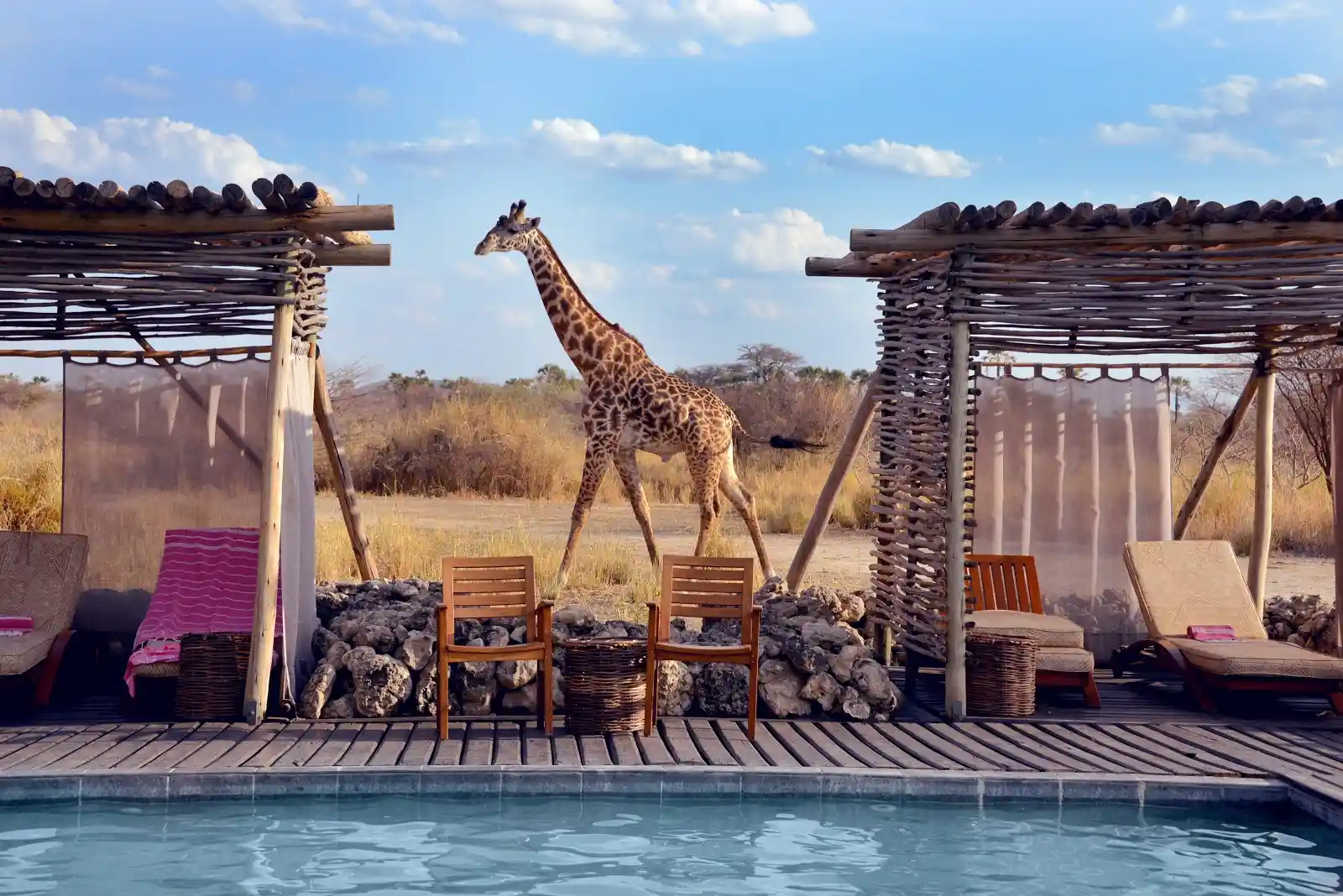
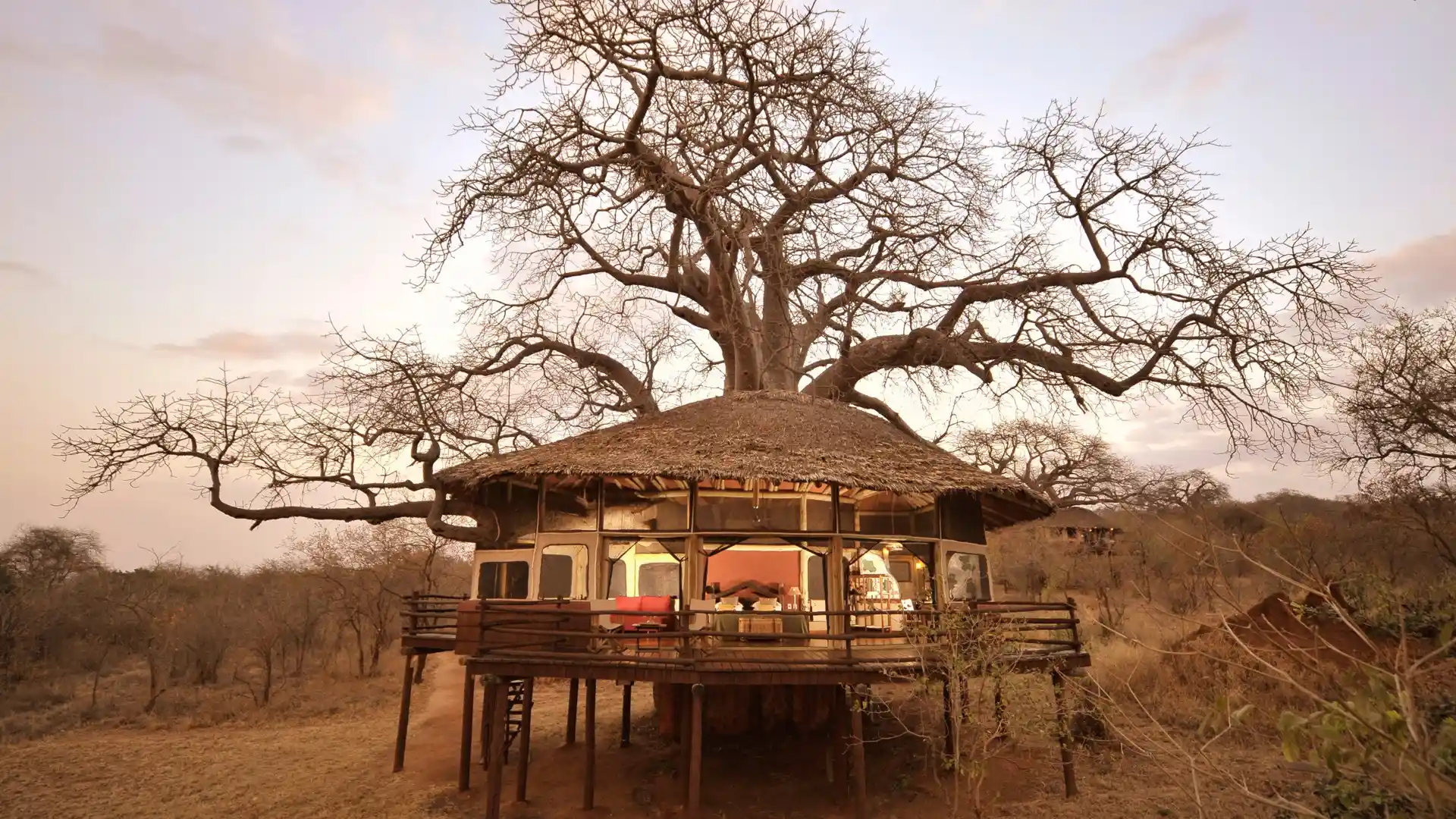
Tarangire National Park offers a good range of accommodation options. You can choose from comfortable lodges, safari camps, and campsites. If your schedule allows, staying inside the park is the best way to experience Tarangire. You can enjoy the peaceful atmosphere after the day visitors leave. You are also in the perfect position for early morning and late afternoon game drives, when wildlife activity is often at its best.
Inside the park, you will find excellent medium-sized lodges and smaller luxury bush camps. You will also find many luxury, mid-range, and budget options just outside the park. These are often more affordable than similar properties inside Tarangire. However, they offer a less immersive experience and require more travel time for game drives.
Many visitors on a day trip to Tarangire continue in the afternoon and stay near Lake Manyara National Park or in Karatu, below the Ngorongoro Crater.
What Facilities Are Available in Tarangire National Park?
Facilities inside Tarangire National Park are quite limited. Apart from the park roads and private lodges and camps, there are only a few places designed for visitors. One of the best stops is Matete Picnic Site. It is located about 14 km (9 miles) from the main entrance gate and has basic facilities, including toilets and outdoor seating. The picnic site can become busy around lunchtime, especially with visitors on day trips. However, it is still worth a stop. Its location is special.
It sits on a cliff above the Tarangire River, where elephants often cross below. For a comfortable lunch, Tarangire Safari Lodge is another good option. It is about 9 km (6 miles) from the entrance gate and offers beautiful views from its elevated position above the river.
What Are the Costs of Visiting Tarangire National Park?
The cost of visiting Tarangire National Park depends on the style of safari you choose, how long you stay, and the type of accommodation you prefer. The most affordable option is a one-day safari from Arusha. This usually costs around US$200 to US$300 per person. It gives you a chance to explore the park and see elephants gathering around the Tarangire River during the dry season.
However, spending more time in Tarangire gives you a much better experience. You can choose a two- or three-day visit focused only on the park, or include Tarangire as part of a longer Northern Tanzania safari lasting from two to 14 days. Budget camping safaris and trips using simple accommodations usually start from around US$200 to US$300 per person per day.
Luxury safaris generally begin at around US$400 to US$500 per person per day. If you choose exclusive camps or high-end lodges, the price can be considerably higher.
More Articles

Greenway nature tours
We are a fully licensed tour company accredited by the Uganda Tourism Board. We design and operate safaris in Uganda and East Africa. Our operations are based in Kampala, Uganda, the heart of our safari planning and coordination. Though our company was officially established in 2025, our team brings deep, hands-on knowledge of East Africa.
Destinations
Favourite Tours
Help & Info
- About us
- Travel Blog
- Travel FAQS
- Gorilla Permits Bookings
- Contact Us
- Pay Online