Guide To Visiting Amboseli National Park
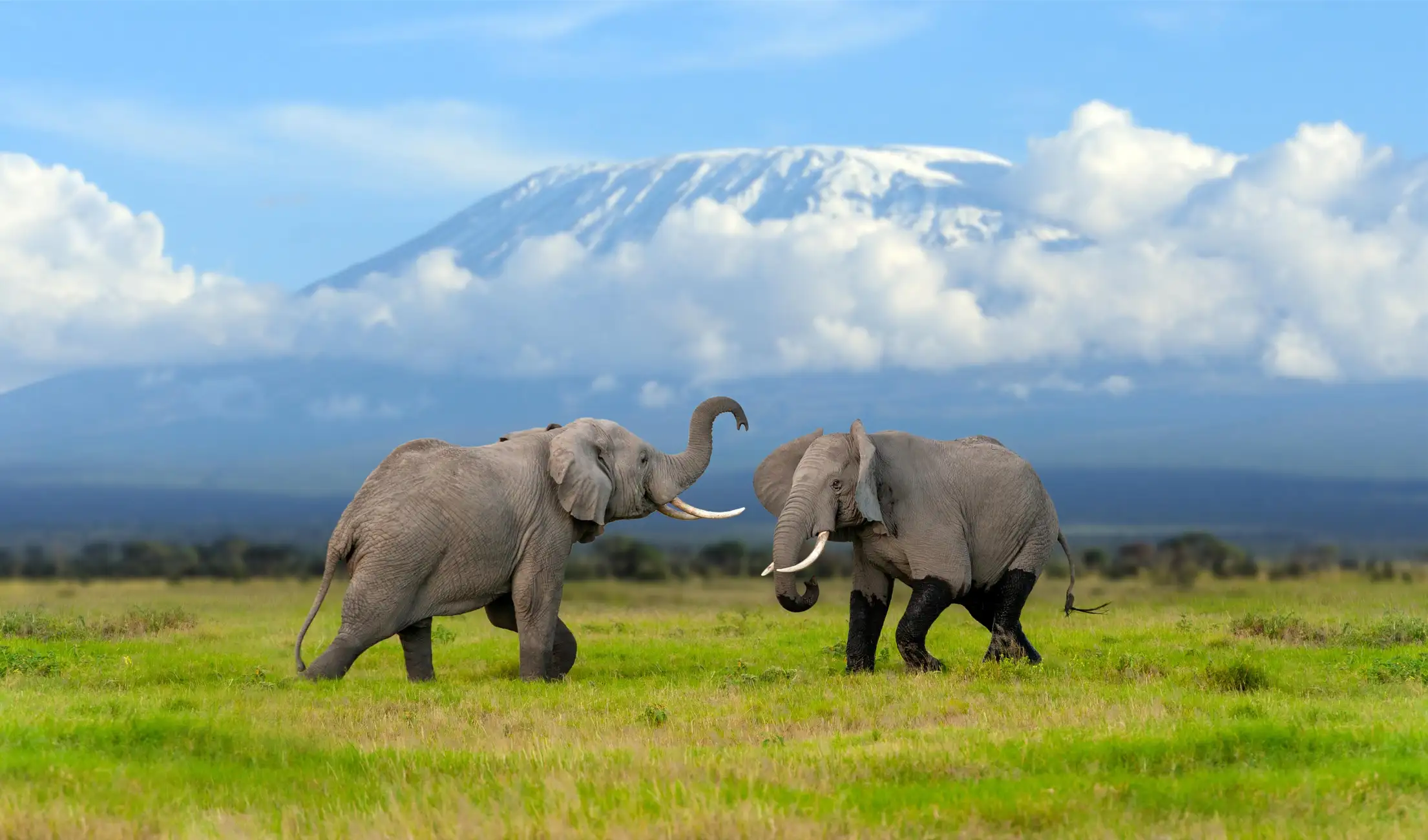
Few places capture the spirit of Africa like Amboseli National Park in southeastern Kenya. On a safari here, you can watch giant tusked elephants walking through the bush beneath the snow-capped peaks of Mount Kilimanjaro, the tallest mountain in Africa. It is one of Africa’s most iconic safari scenes. Although covering just 390 square kilometers, Amboseli is one of Kenya’s most popular national parks, famed for its high elephant densities. You can also expect outstanding sightings of lions, cheetahs, buffaloes, giraffes, and a wide variety of other wildlife.
Why Should You Visit Amboseli National Park?
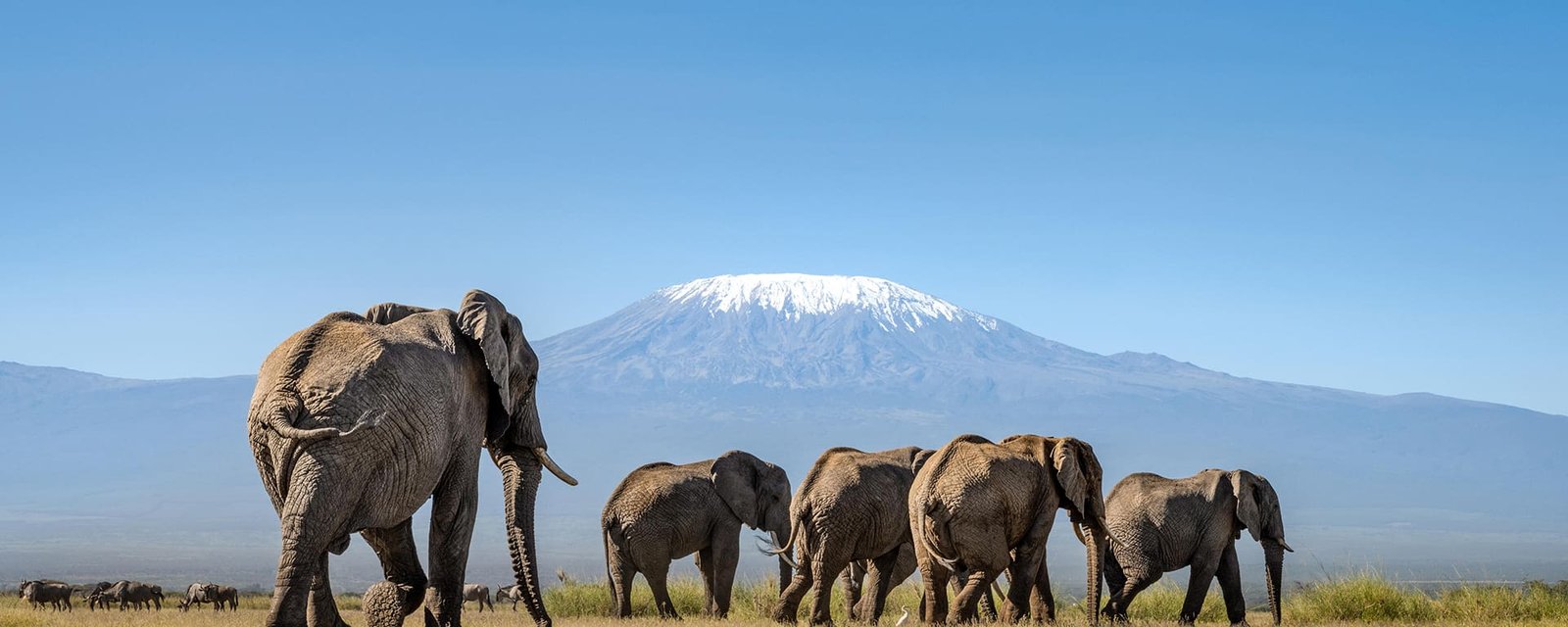
To see Mount Kilimanjaro and African bush elephants.
Few safari destinations in Africa offer views as spectacular as Amboseli. Here, you can watch giant elephants walking across the plains with Africa’s highest mountain rising in the background. It is one of the continent’s most iconic safari scenes and a photographer’s dream.
But Amboseli offers much more than elephants. You have an excellent chance of seeing lions, buffaloes, hippos, giraffes, wildebeest, zebras, and many other animals. The park’s wetlands attract a remarkable variety of birdlife, including large flocks of flamingos at certain times of the year.
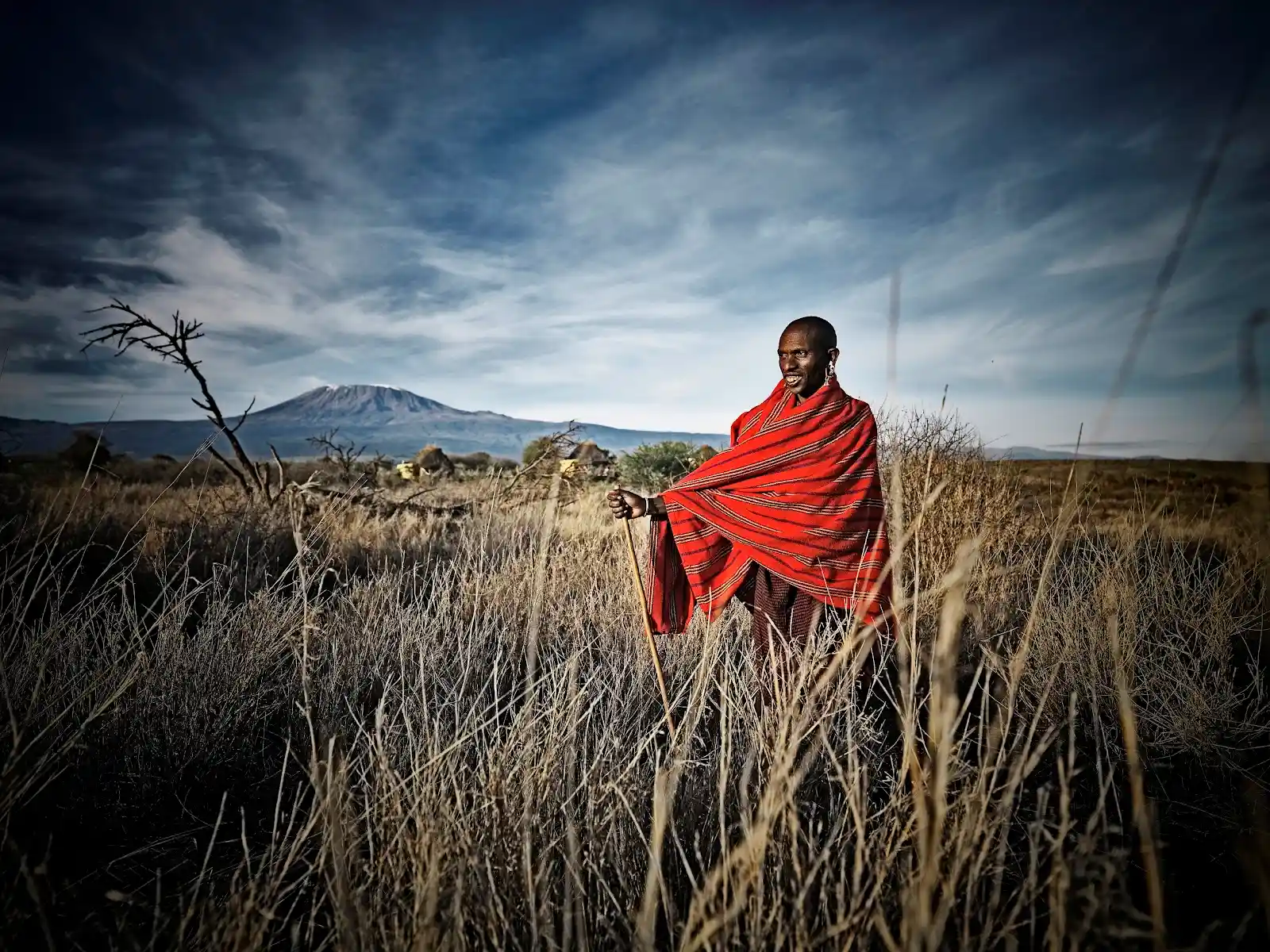
As the sun sets, the dusty plains glow with golden light, creating unforgettable views. You can also visit local Maasai communities and learn about one of East Africa’s most famous cultures.
Where Is Amboseli National Park Located?
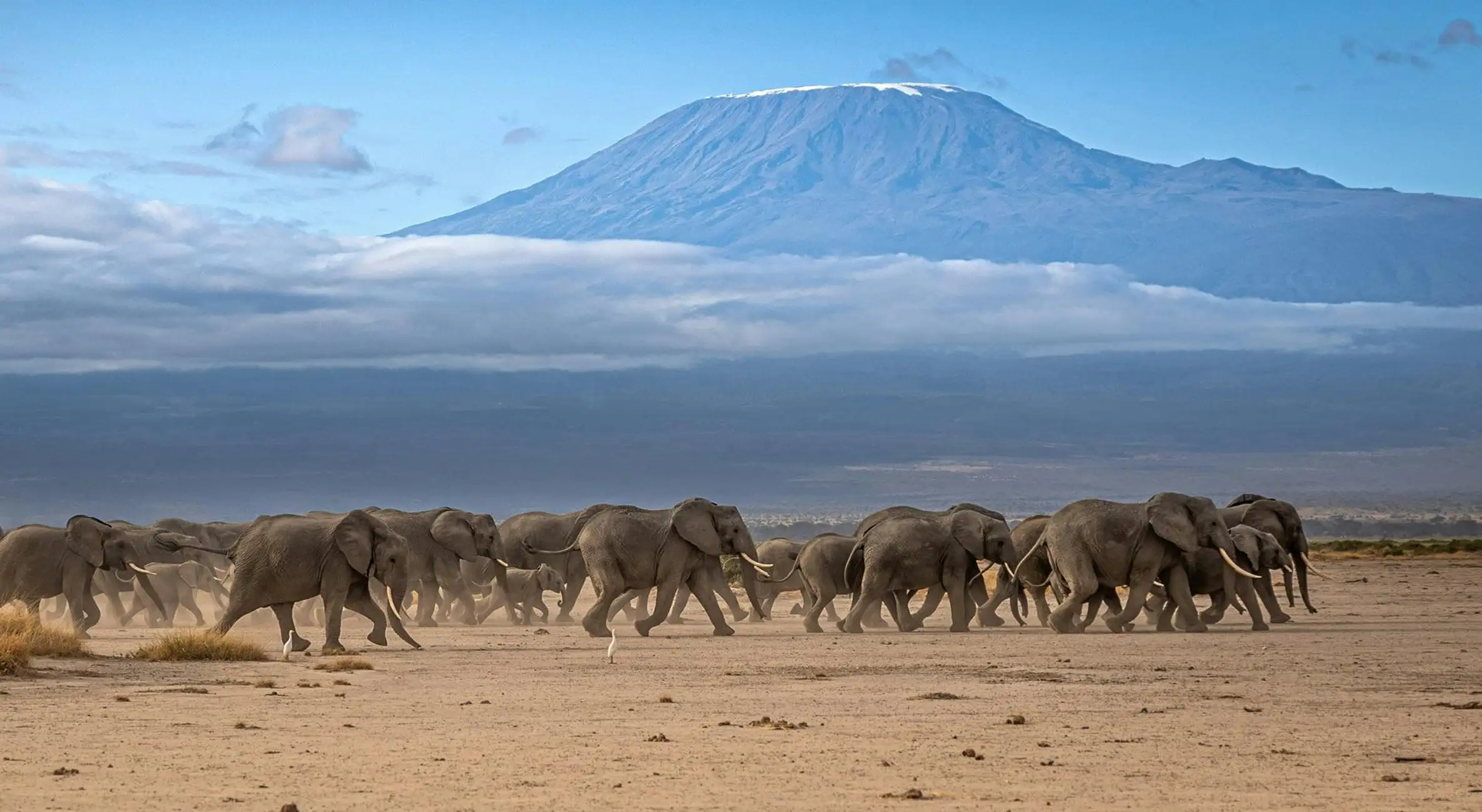
Amboseli National Park is located in southeastern Kenya, close to the border with Tanzania. It lies about 300 km (186 miles) from Nairobi by road and sits at the foot of Mount Kilimanjaro, Africa’s highest mountain at 5,895 meters/19,341 feet.
Although Mount Kilimanjaro is in Tanzania, its snow-capped peak dominates the skyline of Amboseli on clear days. The mountain has also shaped the park’s unique landscape.
Ancient volcanic ash covers the plains, while underground streams from Kilimanjaro feed Amboseli’s swamps and wetlands throughout the year. These permanent water sources attract wildlife from across the surrounding plains, making the park one of Kenya’s best places for game viewing.
What Wildlife Can You Expect to See in Amboseli?
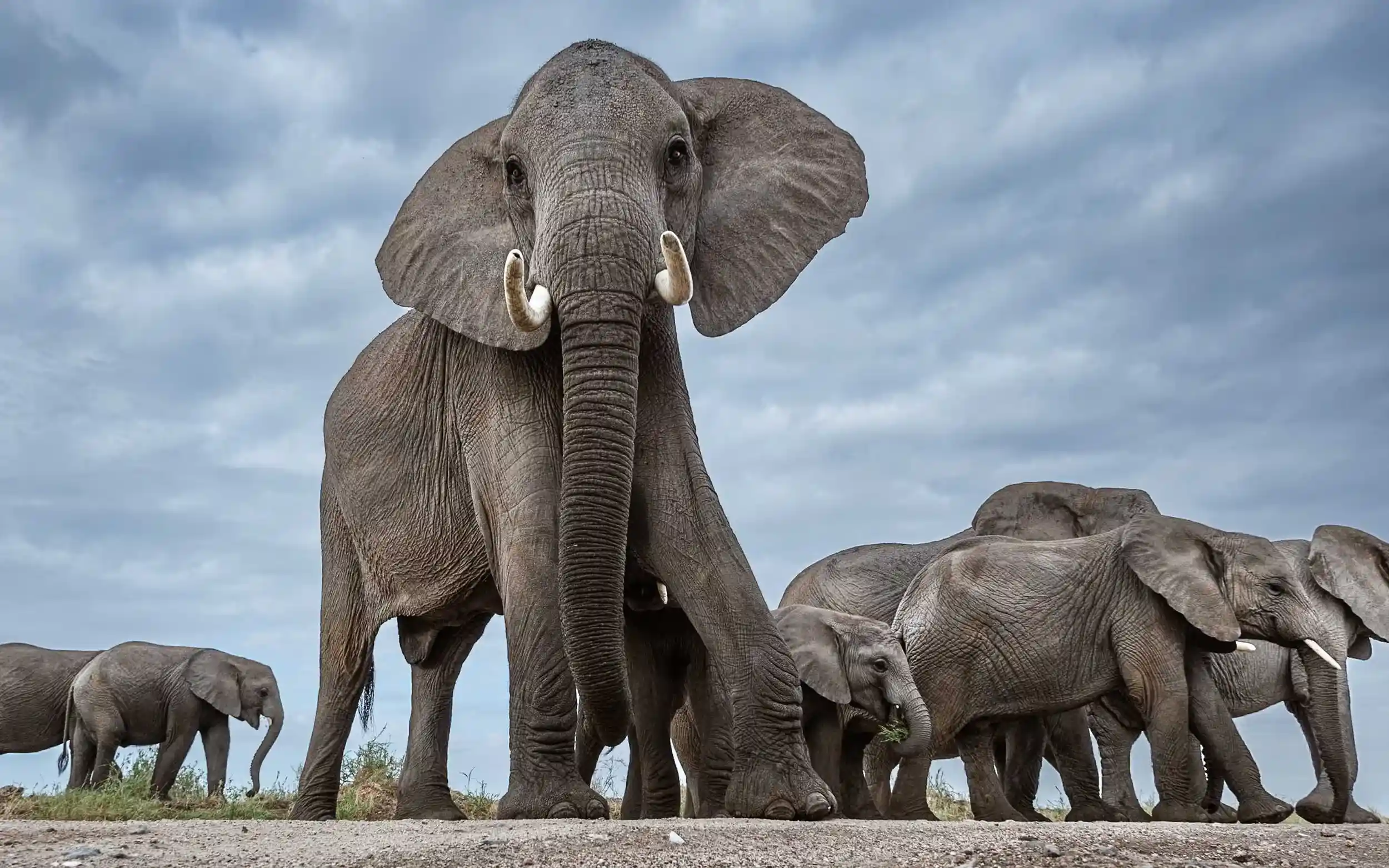
Amboseli National Park is one of the best places in Africa to see elephants. The park is famous for its large herds and impressive old tuskers with enormous ivory. Because the elephants here have been protected and studied since 1975, they are calm and often allow close viewing. Watching them feed in the marshes or walk across the open plains is one of the highlights of any Amboseli safari.
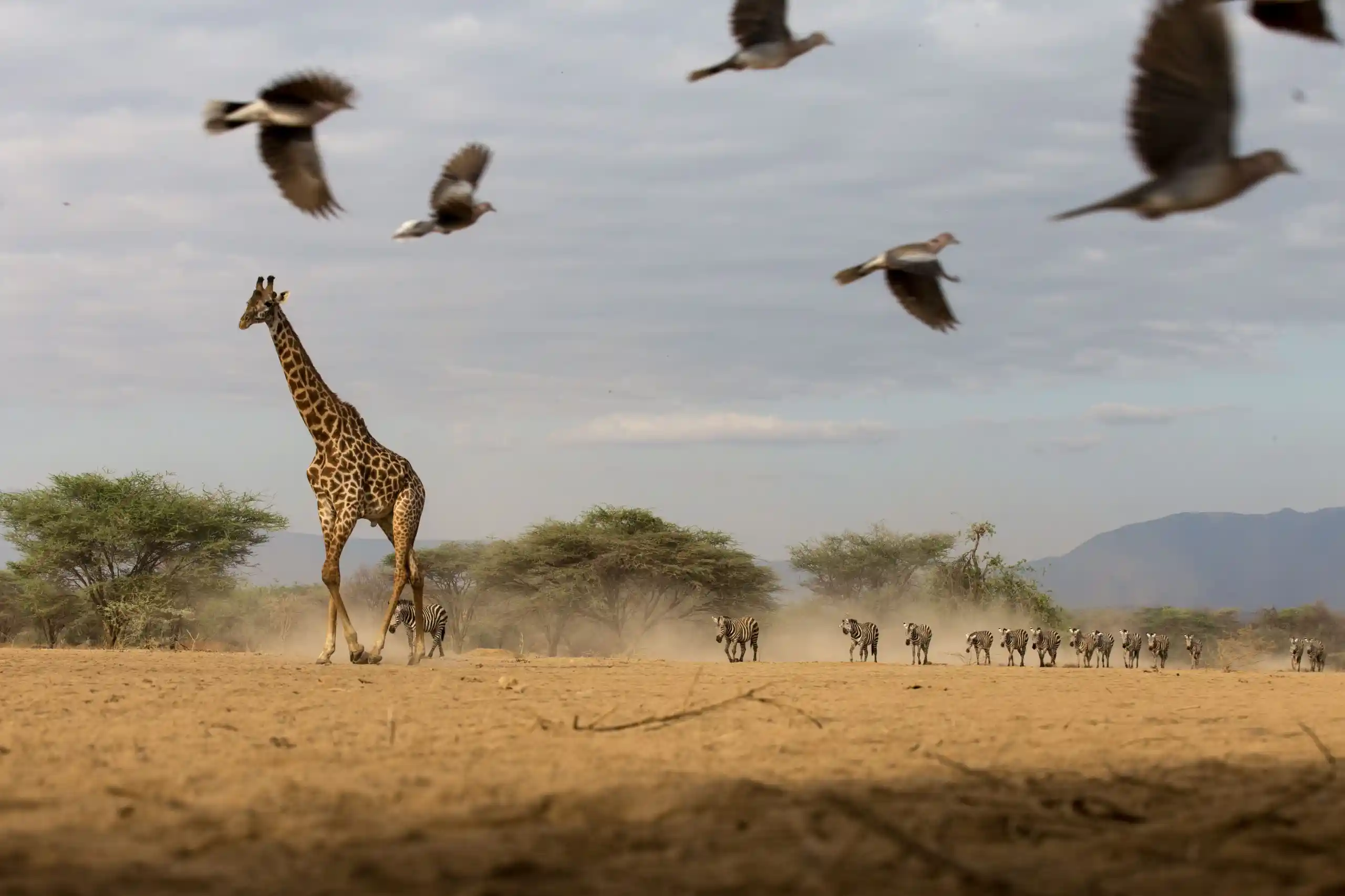
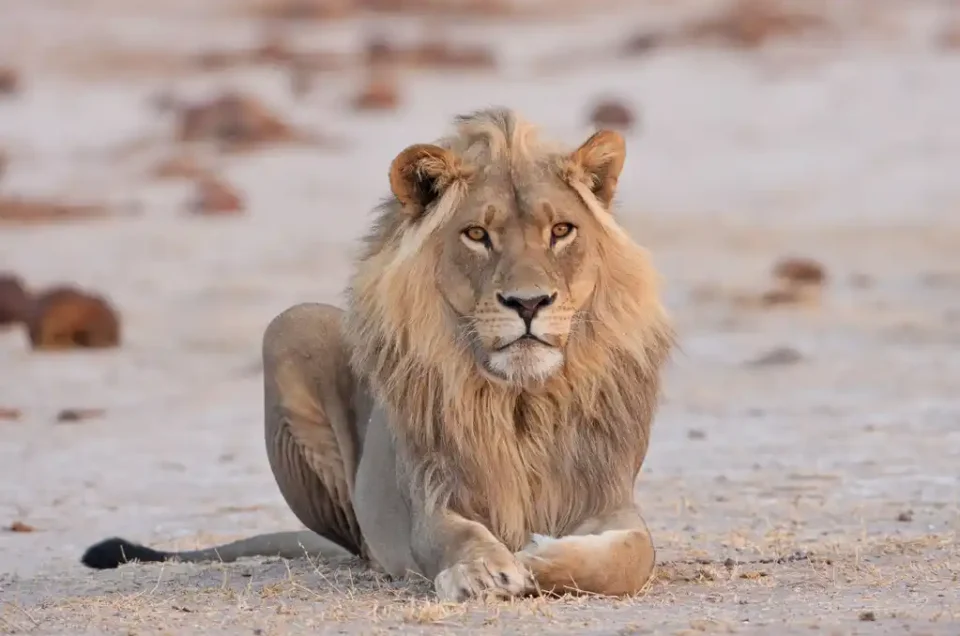
You also have a good chance of seeing lions, cheetahs, spotted hyenas, and black-backed jackals. Large herds of wildebeest, zebras, buffaloes, impalas, Thomson’s gazelles, and Grant’s gazelles roam the plains, while giraffes browse the acacia trees.
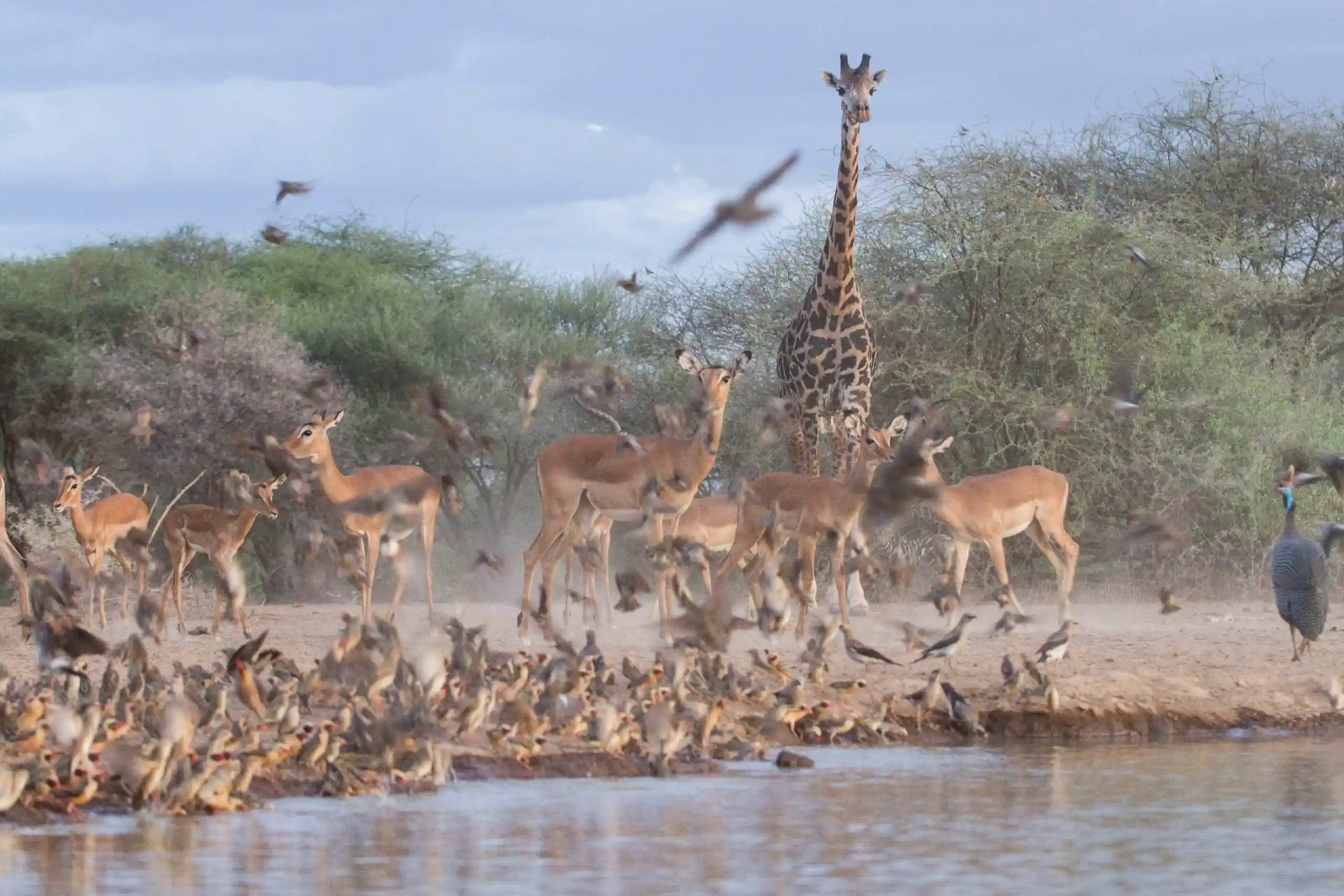
The park’s swamps and seasonal lakes are a paradise for bird lovers. Astute observers might identify 50 water-associated bird species over the course of a visit, and large flamingo flocks are often present.
How Do You Get to Amboseli National Park?
Reaching Amboseli National Park is easy. Most travelers arrive through Jomo Kenyatta International Airport (NBO) in Nairobi, East Africa’s busiest international gateway.
From Nairobi, you can choose to fly or travel by road. Daily scheduled flights depart from Wilson Airport (WIL), about a 30-minute drive from Jomo Kenyatta International Airport, and land at airstrips near the park. Flying is the quickest option and gives you more time to enjoy Amboseli.
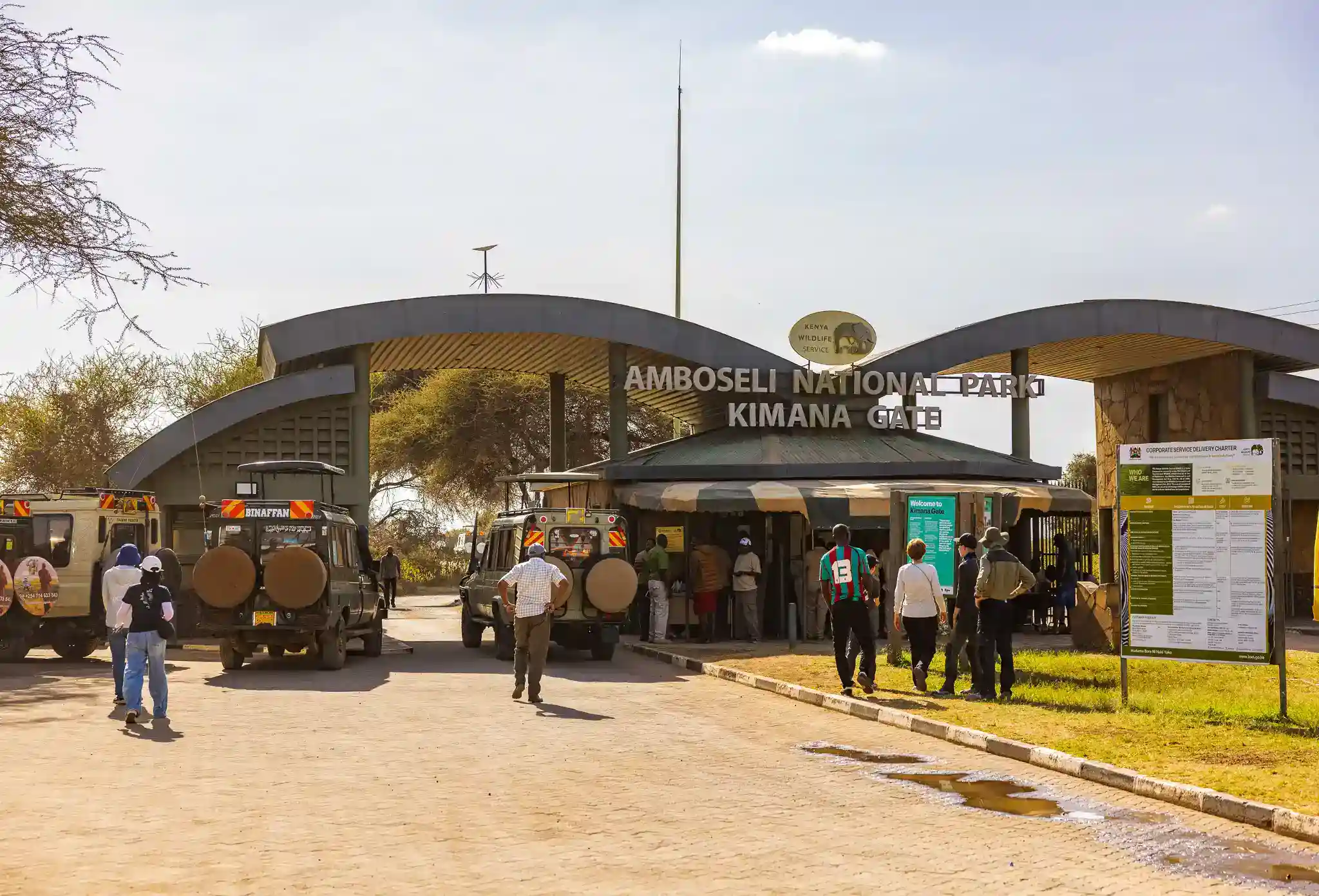
If you prefer to travel by road, the journey is part of the adventure. The drive takes about 4 to 5 hours, depending on traffic and road conditions. The most commonly used entrances are Iremito Gate, about 205 km (127 miles) from Nairobi, and Kimana Gate, approximately 240 km (149 miles) away. Both routes follow the Mombasa Highway to Emali before turning towards Oloitokitok.
Another option is to take the Madaraka Express train from Nairobi to Emali and continue to the park by road. If you are approaching from western Kenya or Tanzania, you can also enter through Meshanani Gate, although the final 50 km (31 miles) from Namanga is rough and dusty.
Can Amboseli Be Combined With Other Parks?
Yes, of course. Amboseli National Park is often included in a longer Kenya safari and combines well with several of the country’s top wildlife destinations. The closest option is Tsavo West National Park, whose Chyulu Gate is just 75 km (47 mi) or about 1½ to 2 hours’ drive from Kimana Gate.
Tsavo West is known for its dramatic volcanic landscapes, excellent wildlife viewing, and an important population of black rhinos. It is also quieter than Amboseli, offering a more remote safari experience. You can easily continue to Tsavo East National Park, one of Kenya’s largest protected areas. Its vast open plains are home to large herds of elephants, lions, giraffes, buffaloes, and many other wildlife species.
If you have more time, Amboseli also combines well with some of Kenya’s most famous safari destinations. Masai Mara National Reserve is renowned for the Great Migration and its exceptional big cat sightings. Lake Nakuru National Park is one of the best places to see both black and white rhinos, as well as the rare tree-climbing lions.
For an even more diverse safari, consider Laikipia Plateau, Meru National Park, or Samburu National Reserve. These parks are known for excellent wildlife viewing and unique northern species, including the reticulated giraffe, Grevy’s zebra, and the long-necked gerenuk.
When Is the Best Time To Visit Amboseli?
Amboseli National Park is a rewarding safari destination throughout the year. The dry seasons, from June to October and January to February, are generally the best times for wildlife viewing. During these months, the vegetation is thinner, and many animals gather around the park’s swamps and water sources, making them easier to spot.
The rainy seasons, from March to May and November to December, offer a different experience. The landscapes become lush and green, birdlife is at its best, and there are fewer visitors in the park. These months also provide some of the clearest views of Mount Kilimanjaro, especially in the early morning or late afternoon after the rain has cleared the skies.
How Do You Get Around in Amboseli National Park?
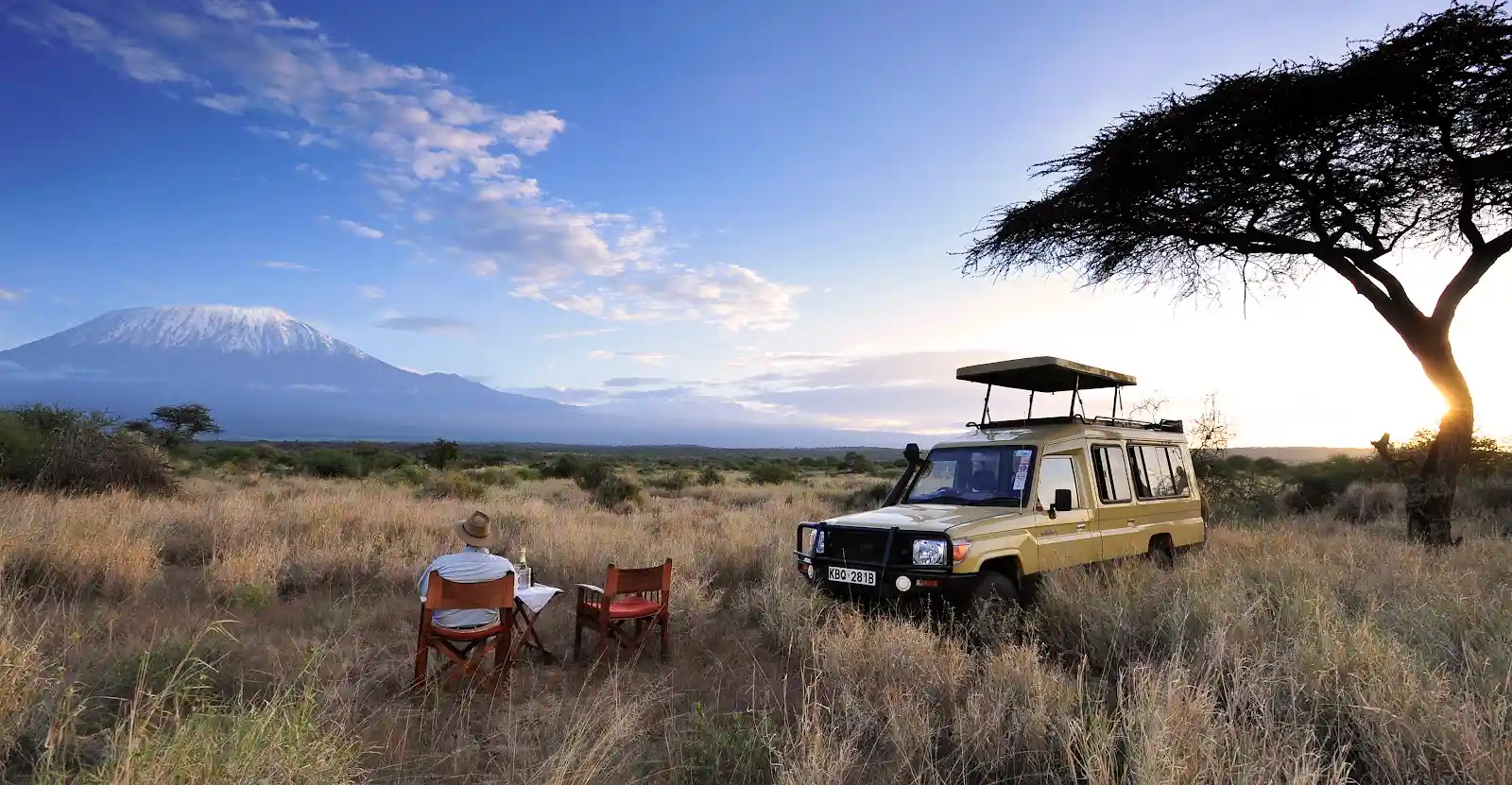
The best way to explore Amboseli National Park is in a comfortable 4×4 safari vehicle. The park’s roads are mostly unsurfaced, making a sturdy vehicle essential for a comfortable safari.
If you fly into Amboseli, your lodge or safari camp will usually provide game drives with an experienced guide. If you travel by road, you will normally continue your game drives with the same safari vehicle and driver-guide who brought you to the park. Self-driving is also possible, but a suitable 4×4 vehicle is highly recommended to handle the park’s dusty roads and changing conditions.
How Many Days Should You Spend in Amboseli?
Most travelers spend three days in Amboseli National Park, which gives enough time to enjoy the park without feeling rushed. A two-day visit with only one night in the park can feel too short, especially if you are driving from Nairobi.
With three days, you have a full day for exploring, plus additional game drives on the afternoon of arrival and the morning of departure. It also gives you more opportunities to see Mount Kilimanjaro when the clouds clear and the famous views appear.
A four-day, three-night safari is a good choice for travelers who want more time for elephant watching, wildlife photography, or bird watching. You can enjoy the park at a relaxed pace and look for the smaller details that are easy to miss. Because Amboseli is a relatively small park, spending more than four days is uncommon. Extra time is often better spent exploring other parks and reserves nearby.
Is Amboseli National Park Safe to Visit?
Yes, Amboseli National Park is a safe destination to visit. When traveling on an organized safari, your experienced driver-guide will be with you throughout the journey and will ensure that you have a safe and enjoyable experience.
During game drives, there is no need to worry as long as you remain inside the vehicle and follow your guide’s instructions. Amboseli’s elephants are known for being calm around safari vehicles, but like all wild animals, they should always be respected and observed from a safe distance.
If you are planning to self-drive, it is recommended to carry a local SIM card or eSIM with data and airtime so you can stay connected during your journey. As with many safari destinations, it is advisable to take malaria precautions and carry mosquito repellent, especially when spending time outdoors.
How Can You Avoid the Crowds in Amboseli?
Although Amboseli National Park is a wonderful safari destination, its small size means that the main wildlife-viewing areas can become busy during the high seasons, especially from December to March and July to October. The easiest way to enjoy a quieter experience is to visit outside these peak periods, when the park is more peaceful.
If you travel during the busy seasons, consider exploring at different times of the day. Midmorning and late afternoon are usually the busiest hours, so early morning drives or less-frequented routes can offer a more relaxed experience. You can also explore areas away from the main road between Kimana and Meshanani Gates, passing through Ol Tukai Lodge, a well-known landmark in the heart of the park.
Another option is to stay at a private lodge in one of the Maasai community conservancies surrounding Amboseli National Park. These areas offer a quieter setting and a more exclusive way to experience the wildlife and landscapes of the region.
What Are the Best Places to Stay in Amboseli?
Accommodation options in Amboseli National Park are more limited than in some of Kenya’s larger safari destinations. But there are still excellent choices for different travel styles.
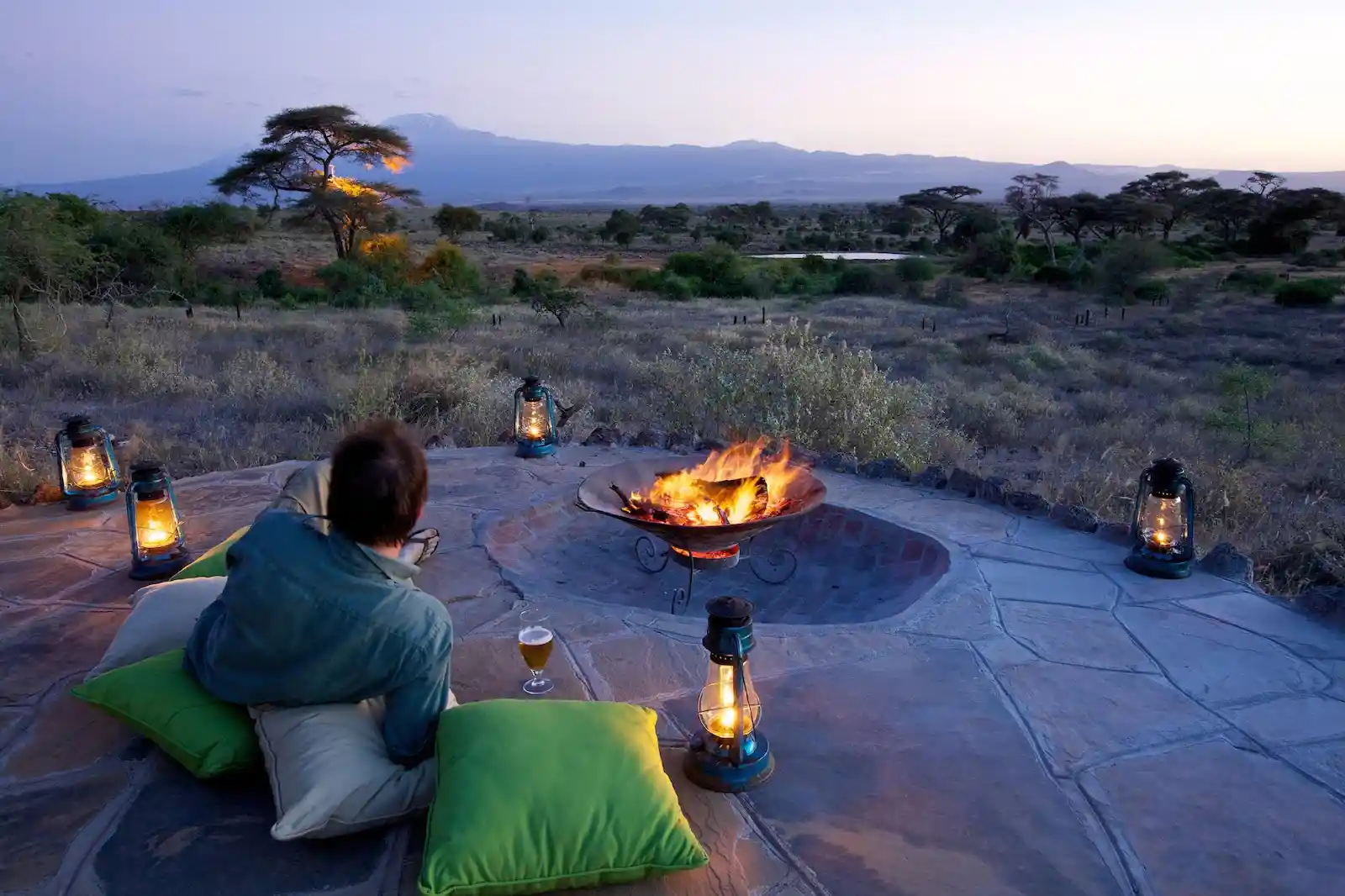
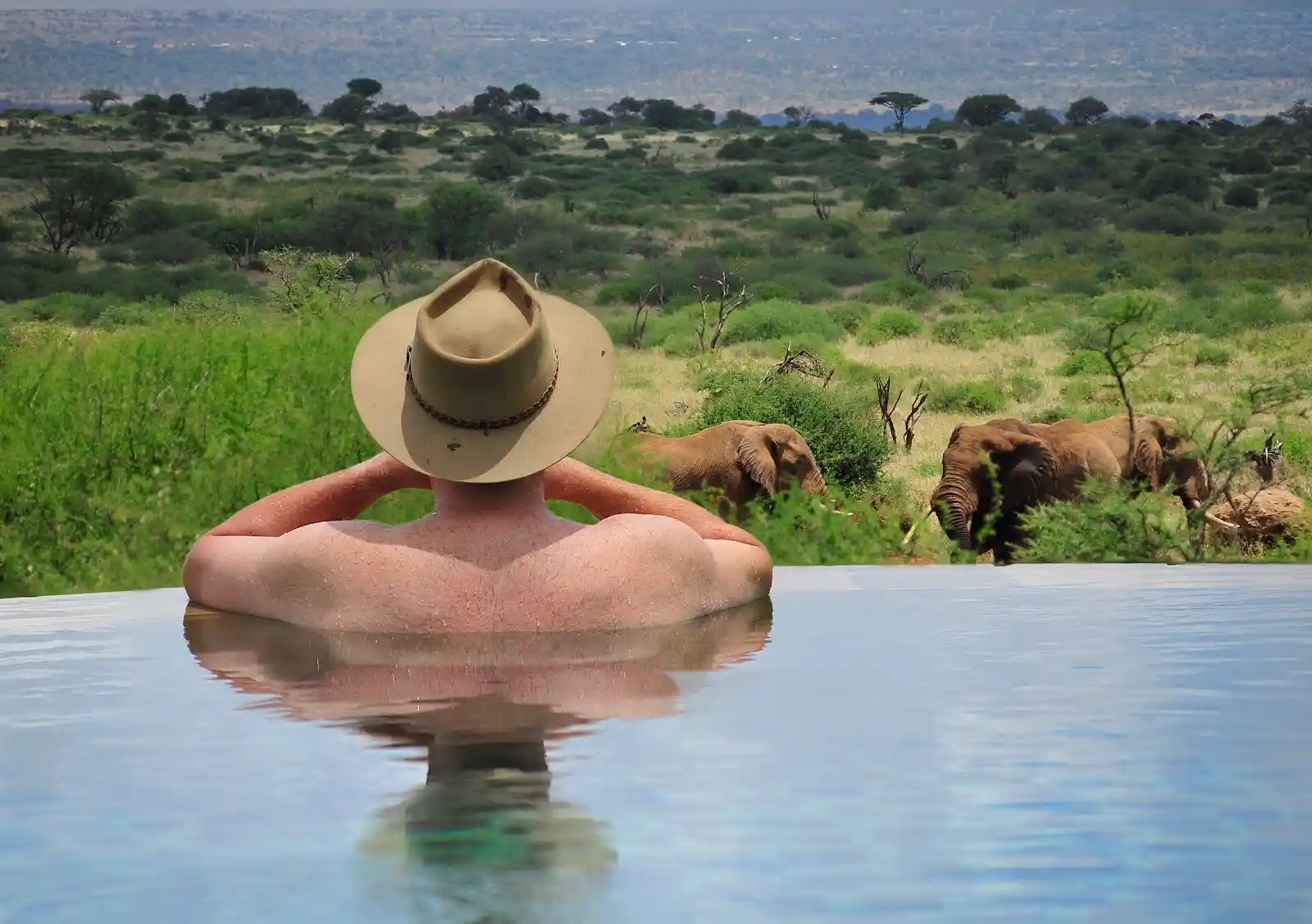
Most lodges and camps inside the park fall into the upper mid-range and luxury categories. Apart from one larger lodge-style property, most accommodations are smaller all-inclusive lodges and tented camps that offer a closer connection with nature. Many are positioned to provide views of Mount Kilimanjaro or overlook wetlands where wildlife and birds gather.
Outside the park, you will find a wider range of options, including community campsites and comfortable mid-range lodges. For travelers looking for a more exclusive experience, several private lodges and camps are located in the Maasai community conservancies surrounding Amboseli, offering a quieter setting away from the busier areas.
What Facilities Are Available in Amboseli?
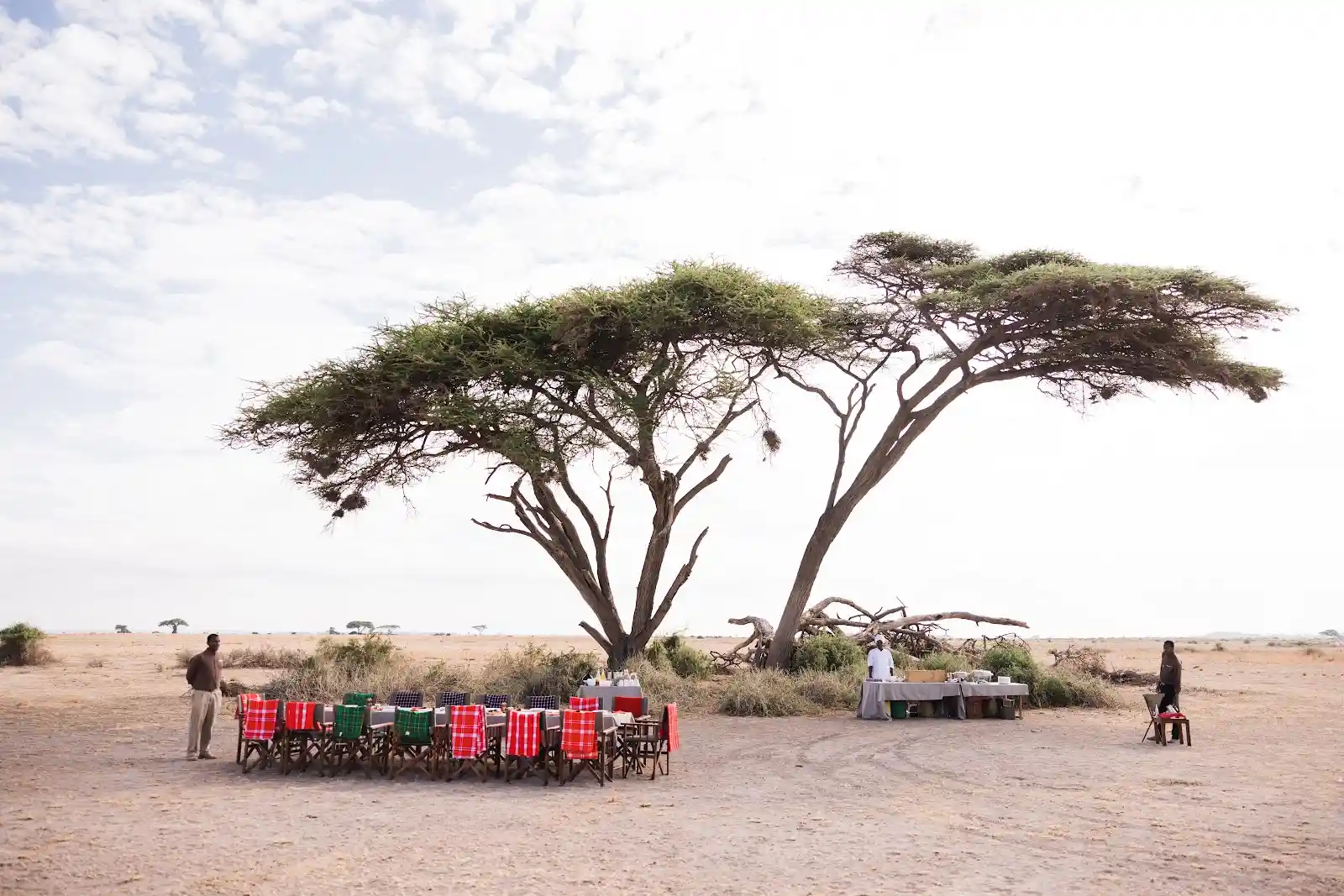
Facilities inside Amboseli National Park are limited outside the lodges and camps. The park has several entrance gates, picnic areas, basic toilet facilities, and an airstrip for scheduled flights. One place worth visiting is Ol Doinyo Orok Picnic Site, located on Observation Hill. From here, you can enjoy beautiful views across Enkongo Narok Swamp towards Mount Kilimanjaro.
There are no fuel stations, ATMs, banks, grocery shops, or independent restaurants inside the park. However, these services are available in nearby towns. If you enter through Iremito or Kimana Gates, the closest options are found in Emali. Travelers using Meshanani Gate can find facilities in Namanga. A few small shops and a fuel station are also available in Kimana village, located along the Emali–Oloitokitok Road, about 25 km (15 miles) from Kimana Gate.
What Are the Costs of Visiting Amboseli?
The cost of an Amboseli safari depends on several factors. The length of your trip, group size, accommodation style, travel season, and how you travel from Nairobi all influence the final price.
For a three-day safari, a budget option with simple tented accommodation usually costs around US$350 to US$500 per person. A mid-range safari of the same duration is typically around US$700 to US$1,000 per person, while luxury experiences can cost US$1,200 or more.
Many travelers combine Amboseli with other parks as part of a longer Kenya safari. In this case, prices vary depending on the route, accommodation, and level of service. As a general guide, budget safaris start at around US$150 to US$200 per person per day, mid-range safaris around US$250 to US$300 per person per day, and luxury safaris from US$500 or more per person per day.
More Articles

Greenway nature tours
We are a fully licensed tour company accredited by the Uganda Tourism Board. We design and operate safaris in Uganda and East Africa. Our operations are based in Kampala, Uganda, the heart of our safari planning and coordination. Though our company was officially established in 2025, our team brings deep, hands-on knowledge of East Africa.
Destinations
Favourite Tours
Help & Info
- About us
- Travel Blog
- Travel FAQS
- Gorilla Permits Bookings
- Contact Us
- Pay Online