Uganda or Tanzania Safari
Many people thinking of a safari to Africa chooses Tanzania. This country is world famous for Great Migration in the Serengeti. Huge herds of wildebeest and zebras move across the plains in search of free grass. This natural wonder attracts thousands of visitors every year. Tanzania is also known for Mount Kilimanjaro, the highest mountain in Africa. Is Tanzania, then, truly the safari country par excellence, or does Uganda, with its unique animals and landscapes, have more to offer the safari traveler? In the sections below, we look at both countries and help you understand what each one offers.
1. Size of the country and national parks
Tanzania is about four times larger than Uganda and has 22 national parks. Most visitors focus on the north, especially the famous Serengeti National Park and the Ngorongoro Crater. These places are world-class, but they can also be busy, particularly in high season. In Ngorongoro, you may even experience safari traffic with many vehicles around the same wildlife sightings. Other parks in Tanzania are more remote and often far apart, sometimes requiring small flights to reach them, especially during the rainy season when roads become difficult.
Uganda is smaller, but this works in its favor. Distances are shorter, and travel feels easier and more relaxed. You visit several parks on one journey, including Queen Elizabeth National Park and Murchison Falls National Park. You will rarely find yourself in crowded situations here. In fact, you will often even feel as if you are alone in the national park. This makes the Uganda safari experience so special and exclusive.
2. Differences in landscape between Uganda and Tanzania
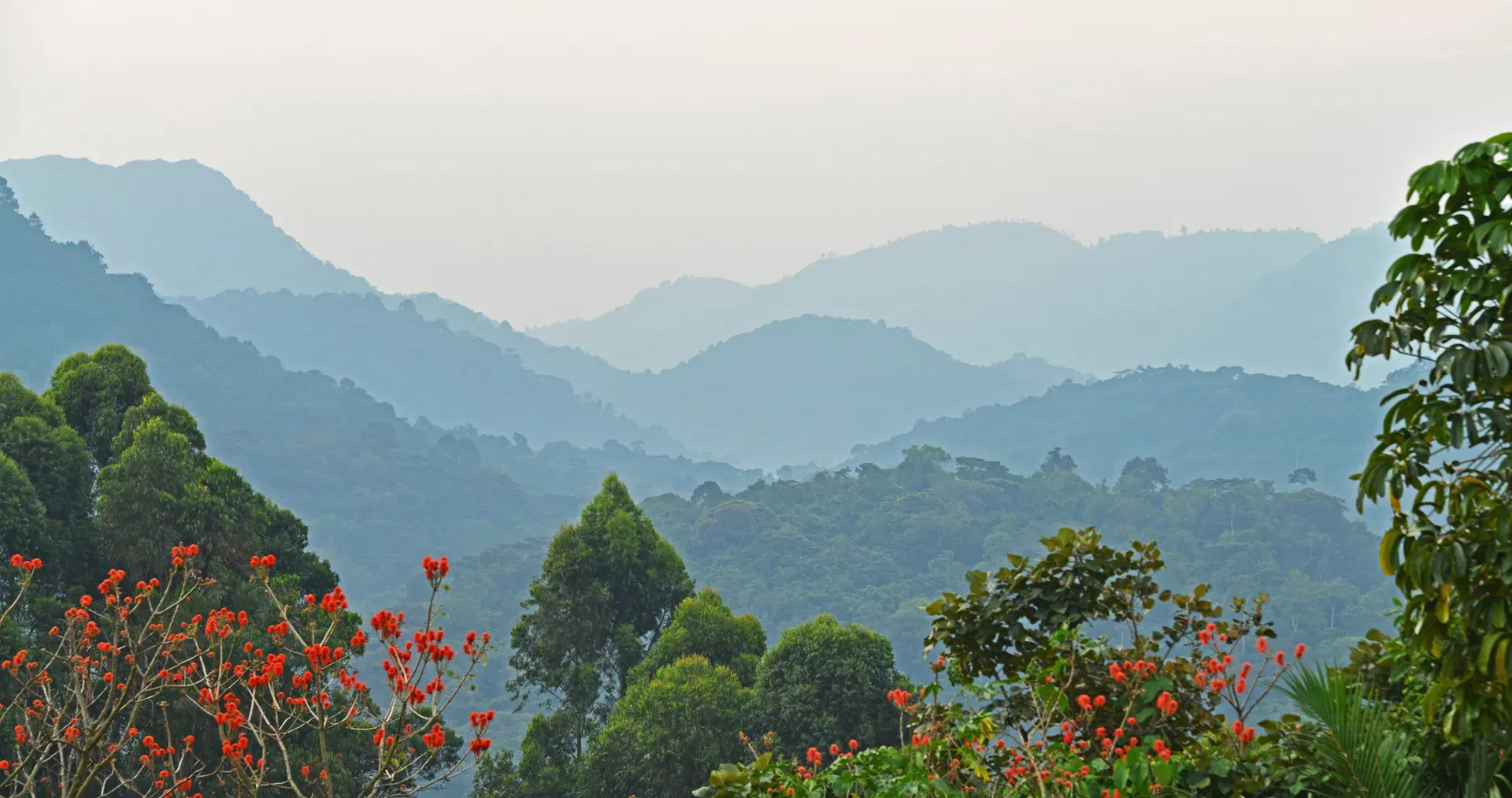
In terms of landscape, Uganda has more variety than Tanzania. You find volcanic regions near the border with Rwanda, where the mountain gorilla lives in dense rainforest. In the west, the Rwenzori Mountains rise high above the plains, with snow-capped peaks and dramatic scenery. The country is also rich in water. The mighty Nile River starts here, and large lakes such as Lake Victoria and Lake Edward shape the land. Forests and river systems are home to chimpanzees, which you can observe in their natural habitat.
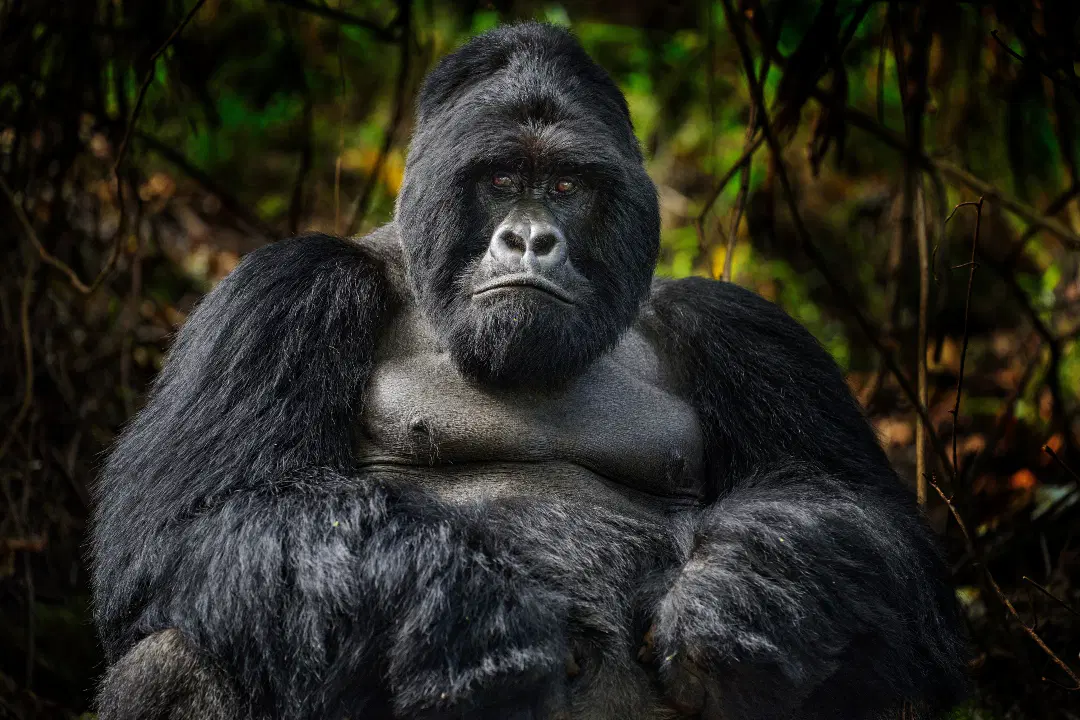
One key difference is that Uganda, together with its neighbor, Rwanda, is the only place where you can see both mountain gorillas and chimpanzees in the wild.
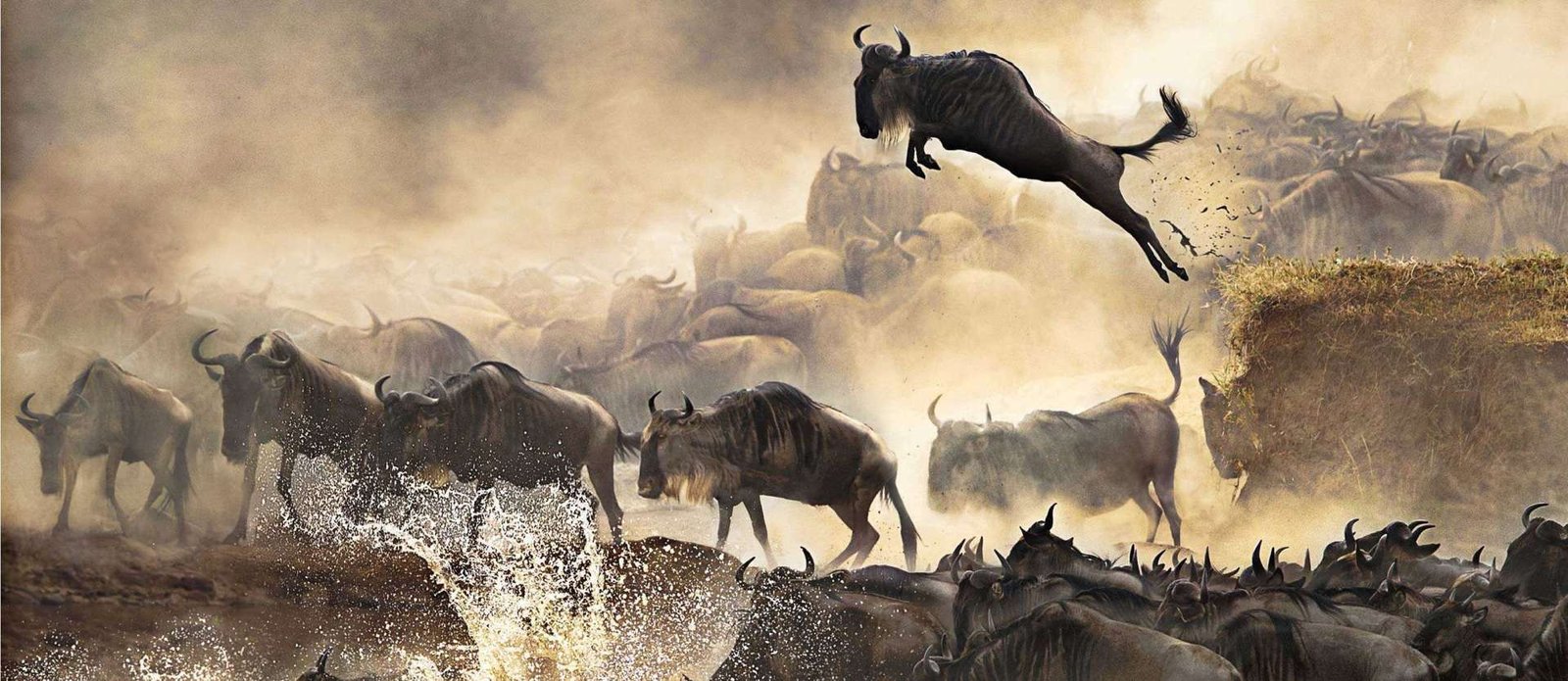
Tanzania is best known for its wide, open savannahs. The Serengeti National Park is the perfect example, with endless plains filled with wildlife. Here you see large herds of wildebeest and zebras during the Great Migration, along with lions, giraffes, and many other classic Africa safari animals.
One key difference is that Uganda, together with its neighbor, Rwanda, is the only place where you can see both mountain gorillas and chimpanzees in the wild. You cannot see gorillas in Tanzania.
3. Flora and fauna
Tanzania has an impressive range of wildlife. The most famous event is the Great Migration in the Serengeti National Park. Each year, around 1,500,000 blue bearded wildebeest and 200,000 zebras move across the plains, joined by gazelles, eland, and topi. The movement follows the rains, starting in the southern Serengeti, then shifting west, north, and east before returning south again. It often begins after the calving season in January and February.
Tanzania has 22 national parks. Well-known examples include Lake Manyara National Park, Serengeti National Park, and Tarangire National Park. The Ngorongoro Conservation Area is also world-famous, with about 25,000 animals living inside the volcanic crater. While Tanzania is known for its vast savannahs and large wildlife numbers, Uganda offers greater overall diversity, with forests, mountains, wetlands, and savannah all within one country.
4. Climate and best time to visit
Uganda has a mild, comfortable climate. Much of the country sits on a high plateau around 1,100 meters above sea level. This keeps temperatures pleasant throughout the year. During the day, it is usually between 27°C and 31°C, while evenings can drop to around 17°C. A light sweater is often useful for early mornings and nights.
Tanzania has a more tropical climate with hotter conditions, especially in the dry season from November to February, when temperatures can reach up to 40°C in some areas. Nights stay warmer compared to Uganda, with less cooling after sunset.
The rainy seasons also differ. In Uganda, rain usually falls from March to May and October to November, with the rest of the year being best for travel. In Tanzania, rainfall depends on the region. The west and central areas are wetter from October to April, while the east has two shorter rainy seasons from March to May and November to December.
5. Wildlife and safari experience in Uganda and Tanzania
Uganda is best known for its rare primates. The biggest highlight is the mountain gorilla, found in places like Bwindi Impenetrable National Park and Mgahinga Gorilla National Park. During a gorilla trekking experience, you can see these powerful animals at very close range. It is often described as a once-in-a-lifetime moment. Uganda is also home to chimpanzees and several other primates, making it the richest primate destinations in Africa.
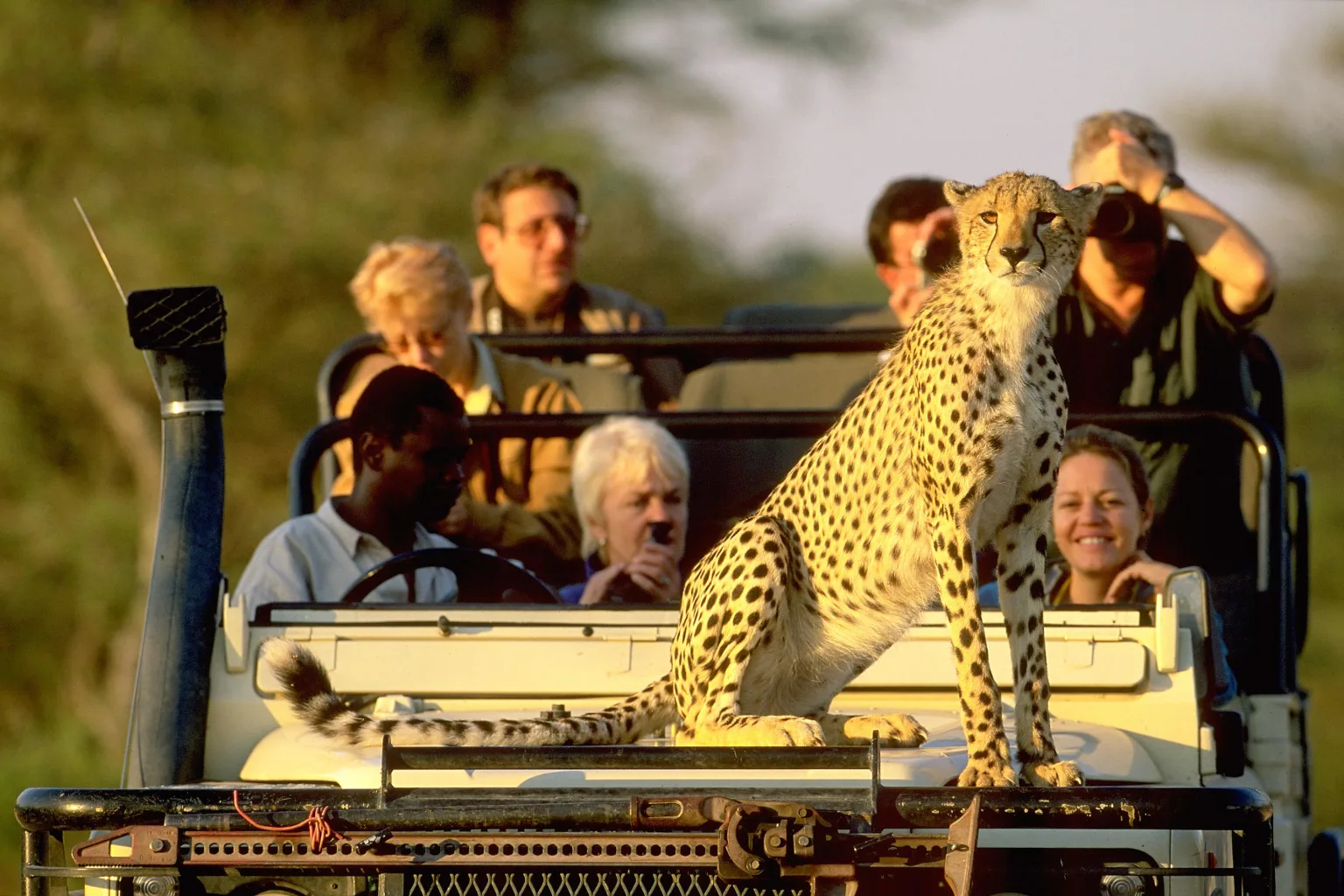
Tanzania does not have mountain gorillas, but it offers classic savannah wildlife on a massive scale. The Serengeti National Park is world-famous for the Great Migration, where huge herds of wildebeest and zebras move across the plains. Lions, cheetahs, elephants, and giraffes are commonly seen here, often in large numbers.
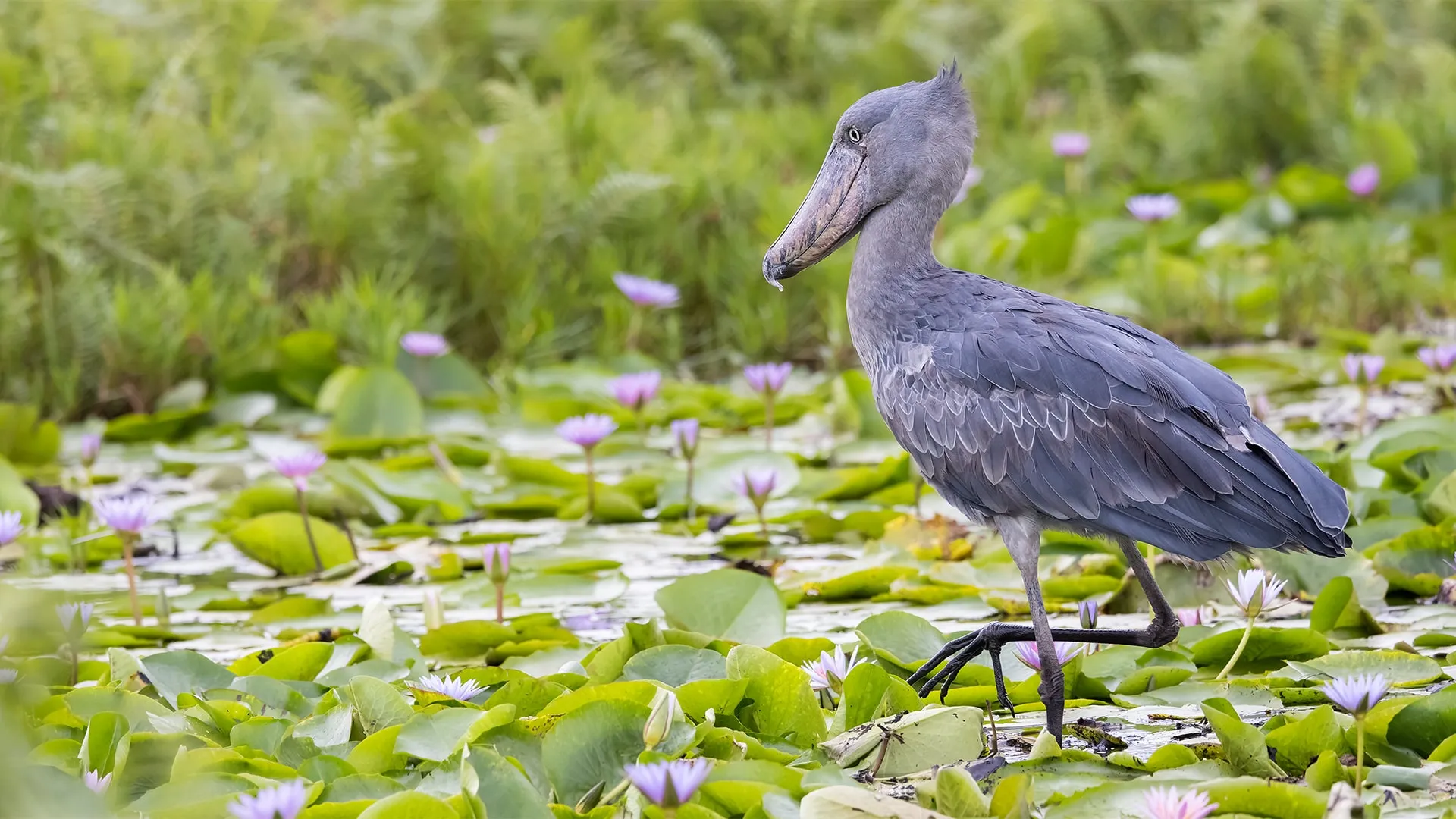
Uganda also offers excellent safari viewing of elephants, buffaloes, and lions, though usually in smaller groups. What makes Uganda stand out is its variety. You find hippos and crocodiles in rivers and lakes, and more than 1,000 bird species across the country. From kingfishers to fish eagles, Uganda is especially strong for birdwatching and water-based wildlife.
Zanzibar: relaxing after the safari
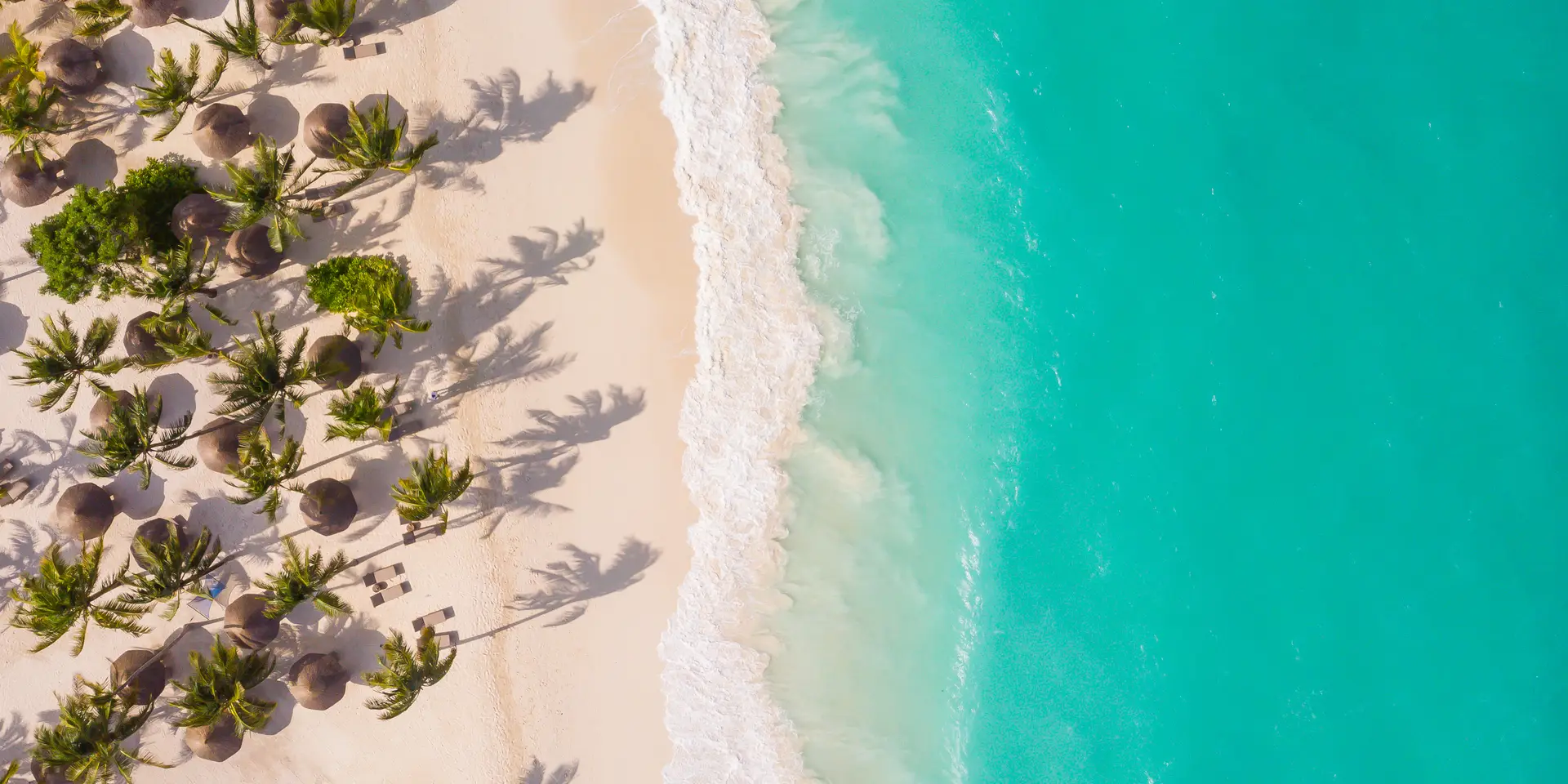
If you have time to relax after your safari, Zanzibar is the perfect place to go. This tropical island off the coast of Tanzania is known for its white sandy beaches, clear blue water, and slow, relaxed atmosphere. Here you can enjoy the sun, go snorkeling or diving, and explore the culture of Stone Town. You can also swim with dolphins, spot sea turtles, or visit the famous spice markets. Or you can simply do nothing at all. Just relax on the beach and enjoy the calm island life.
Safaris In Uganda
Greenway nature tours
We are a fully licensed tour company accredited by the Uganda Tourism Board. We design and operate safaris in Uganda and East Africa. Our operations are based in Kampala, Uganda, the heart of our safari planning and coordination. Though our company was officially established in 2025, our team brings deep, hands-on knowledge of East Africa.
Destinations
Favourite Tours
Help & Info
- About us
- Travel Blog
- Travel FAQS
- Gorilla Permits Bookings
- Contact Us
- Pay Online