Ugandan culture – perhaps the most special part of your trip
When we talk to people about preparing for their safari in Uganda, the conversation often focuses on wildlife and nature. And that is perfectly understandable. Both are amazing. But when the trip ends and we look back, something else often stands out more. It’s the people, the smiles, and the everyday moments that stand out most. It is the culture.
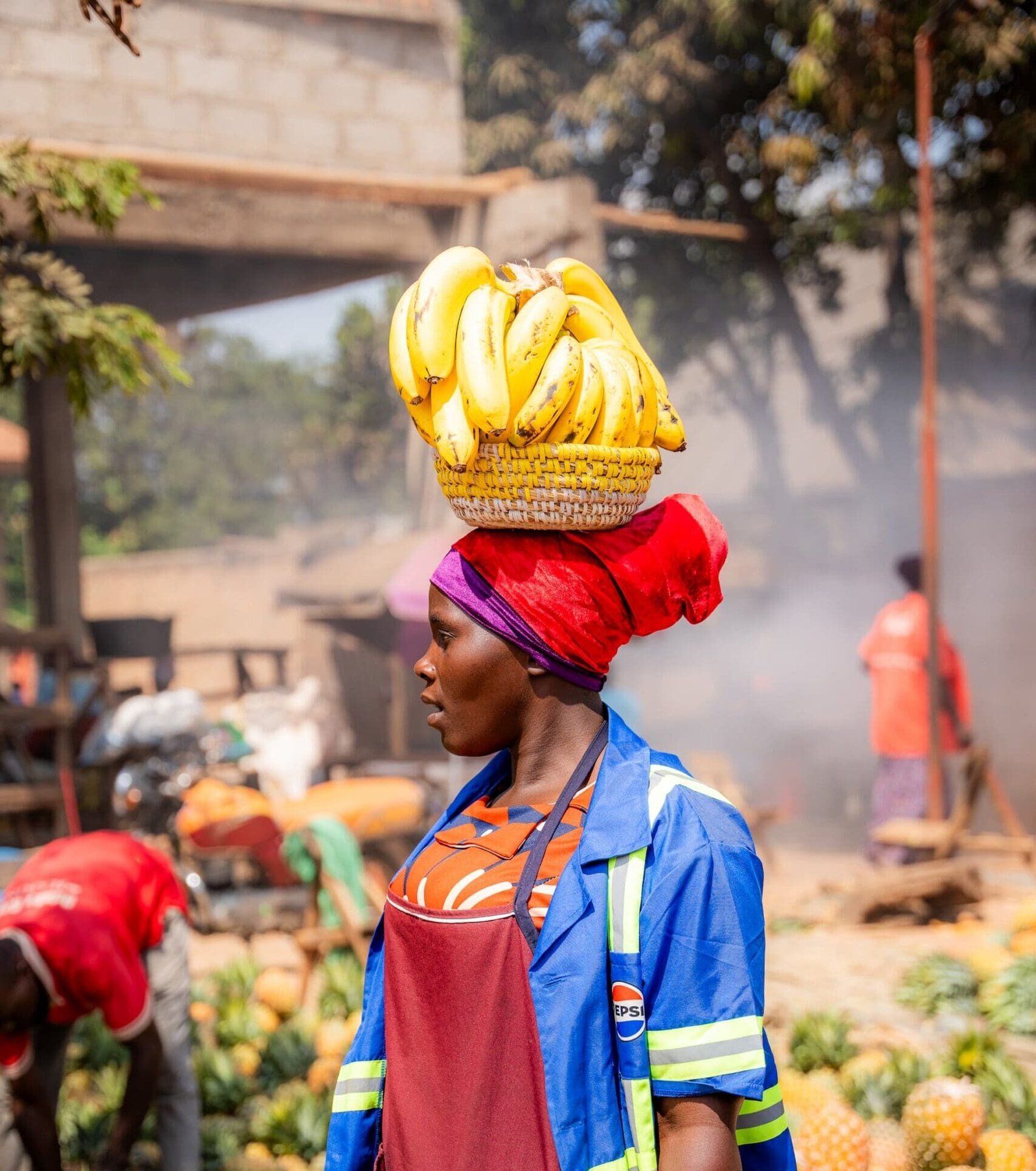
Culture is everywhere
You see a lot of culture during your safari in Uganda. It comes to you in a natural way. After all, the journey you take cannot exist without people, without the Ugandans who bring every moment to life. As you travel from one place to another, life happens all around you. You see how people move, you hear them talk, and you enjoy food along the way. It is simple, real, and full of life. You are not just watching. You are part of it.
For us, this is culture in its purest form. Your tour guide helps you understand what you see. He explains what is happening and shares the real story behind it. You are free to ask any questions at any time. Even if culture is not your focus, it finds you during the journey. You don’t need to look for it. You are already right in the middle of it.
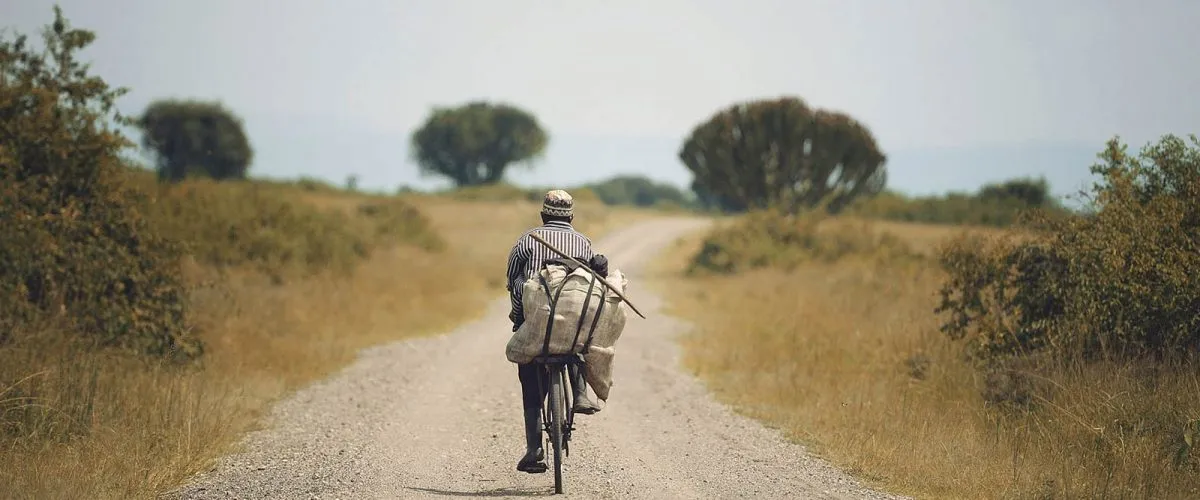
The journey you are taking cannot do without culture, without the Ugandan.
You can also actively seek out culture.
You can also choose to explore culture more deeply during your Uganda safari tours. There are many simple and enjoyable ways to do this. You can join cooking sessions, watch traditional dances, taste local food, or take guided walks in nearby communities. Maybe you are curious about local tribes. Or you may want to see village life and how people farm the land. You can even visit a small coffee farm, meet the family, and learn how they grow and prepare coffee. You step into their home and share a real moment with them. Near Lake Mburo National Park, you can also spend time with cattle farmers. Wake up early and join them as they milk their cows, just like they do every day. As you can see, culture is not just something you see. It is something you can experience in many different ways.
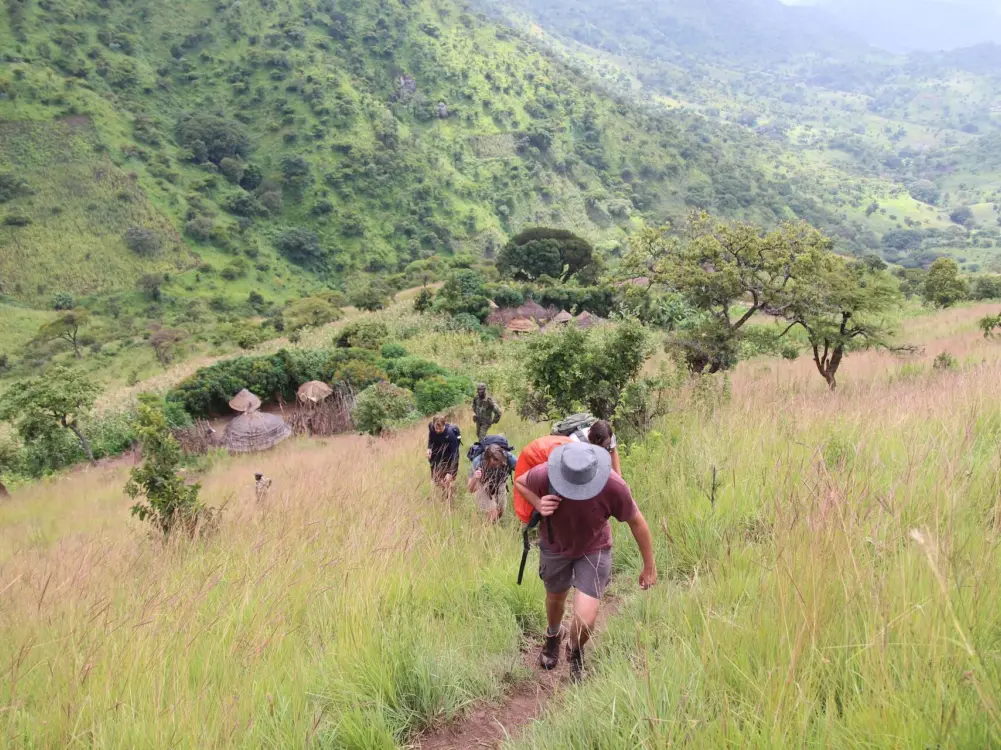
Don’t Worry: You Won’t End Up in a Show
When people hear “cultural activities,” they sometimes think of staged performances. And that is understandable. In places like Kenya, for example, some experiences around Maasai culture are highly commercialized, and it can feel more like a show than real life. Many travelers then say, “not again.” In Uganda, things are different.
Tourism is smaller, and many experiences feel more real and natural. Still, there are a few moments that can feel a bit too arranged or overdone, and we are honest about that. We believe culture is best when it happens quietly, not when it is performed. It should feel natural, like life itself, not like a stage. That is exactly how we plan your journey.
You will not be placed in theatrical shows or forced to dance or act. We make sure you stay a guest, not part of a performance. With us, you can experience Ugandan culture in a calm, real, and comfortable way.
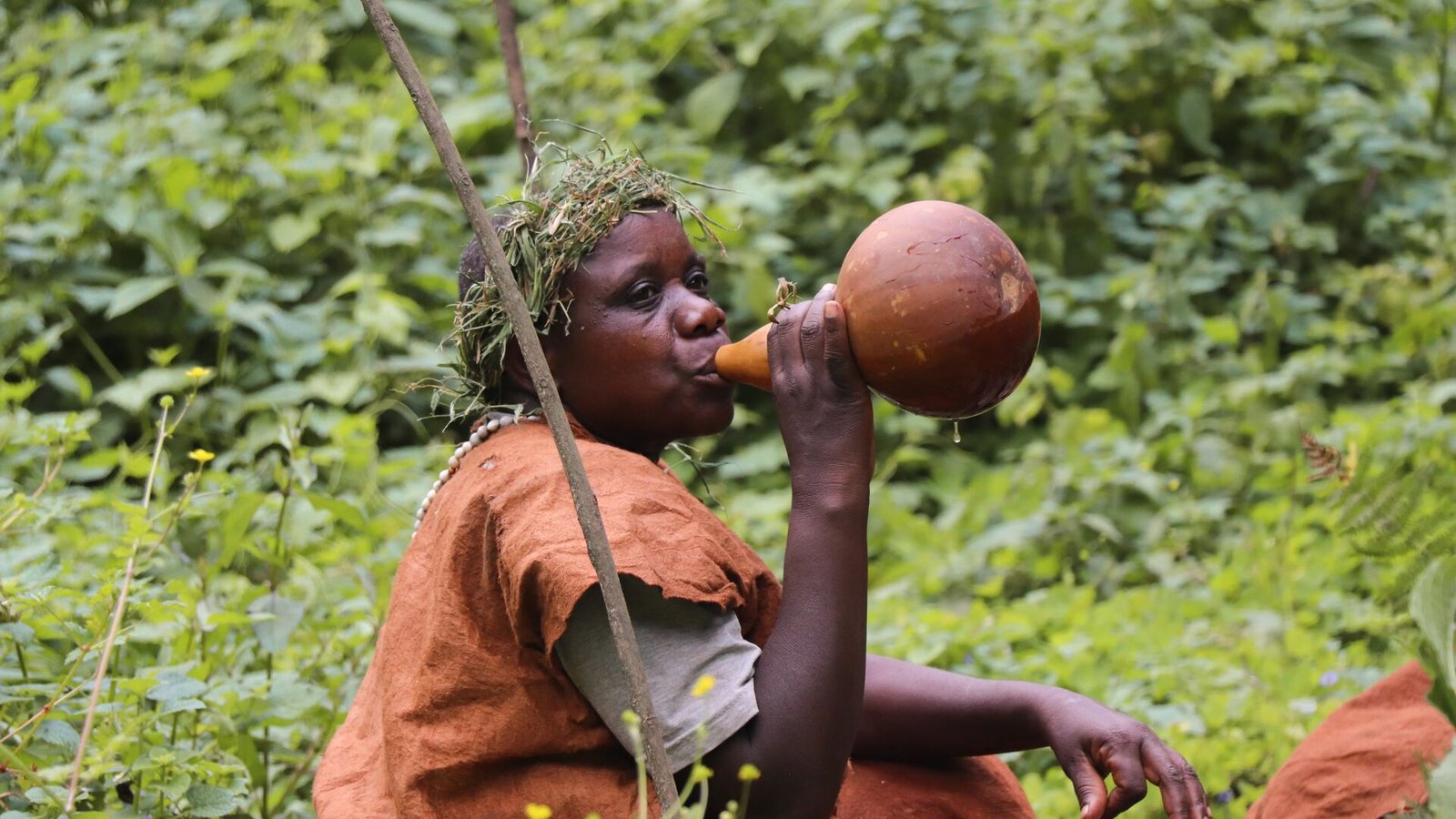
When we organize your trip, you won’t be drawn into a play.
We Only Support Cultural Activities That Give Back
We follow one clear rule in Uganda: cultural activities must contribute, not disturb. They should add value to the community, not take from it. Some activities may look interesting at first, like school visits. But in reality, they do not help the school. They interrupt lessons and turn a normal day into a disruption. Just imagine tourists walking into a primary school in your country to watch children. It would feel strange and intrusive. The same applies here. That is why we avoid such experiences in Uganda. We only work with cultural activities that are respectful, meaningful, and truly beneficial to the people involved.
FAQs About Culture Experiences In Uganda
1. How do you ensure cultural encounters are fair and respectful?
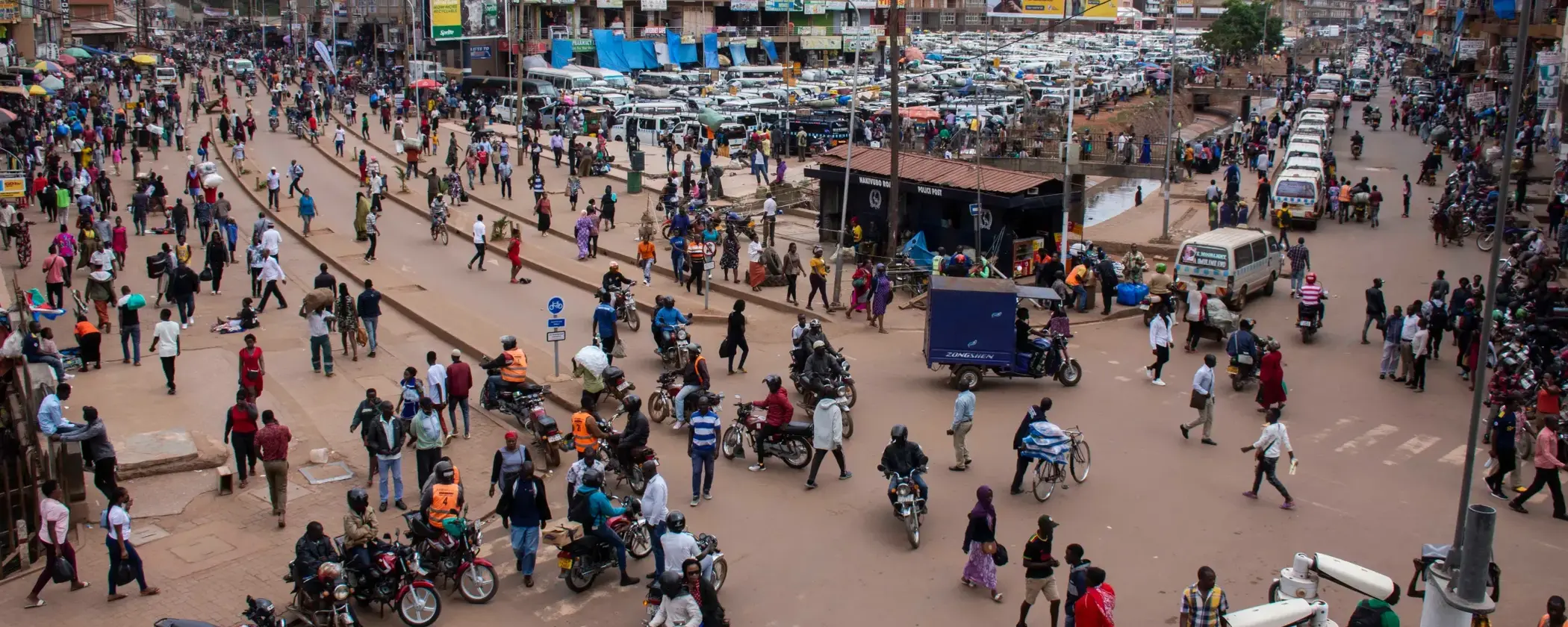
We let cultural moments happen in a natural and honest way in Uganda. There are organized cultural visits and performances in the country, and we understand that they can support local income. But we also know they do not always match the way we want to travel. So, we prefer simple and real contact with local people. This often happens along the road, in markets, or during activities with a local guide. These moments feel natural and not planned. When we do arrange a more focused cultural visit, we always work closely with the community. They decide what to share and how to share it. Nothing is forced or staged. The goal is simple. A real meeting between people, not a performance.
2. What makes the culture in Uganda unique compared to other African destinations?
Uganda stands out because of its rich mix of cultures and its warm, open feeling. The country has more than 50 ethnic groups, each with its own language, traditions, and way of life. This creates a deep and varied cultural landscape. What makes it even more special is how close and natural the experience feels. Uganda is still less visited than many other safari destinations, so most encounters are simple and unplanned. You are rarely in “tourist spaces.” Instead, you find yourself in real everyday life. People are friendly and curious. They greet easily, start conversations, and welcome visitors without distance. Because of this, culture in Uganda is not something you go and see. It is something you naturally step into as you travel.
3. What are typical Ugandan dishes I can try during your trip?
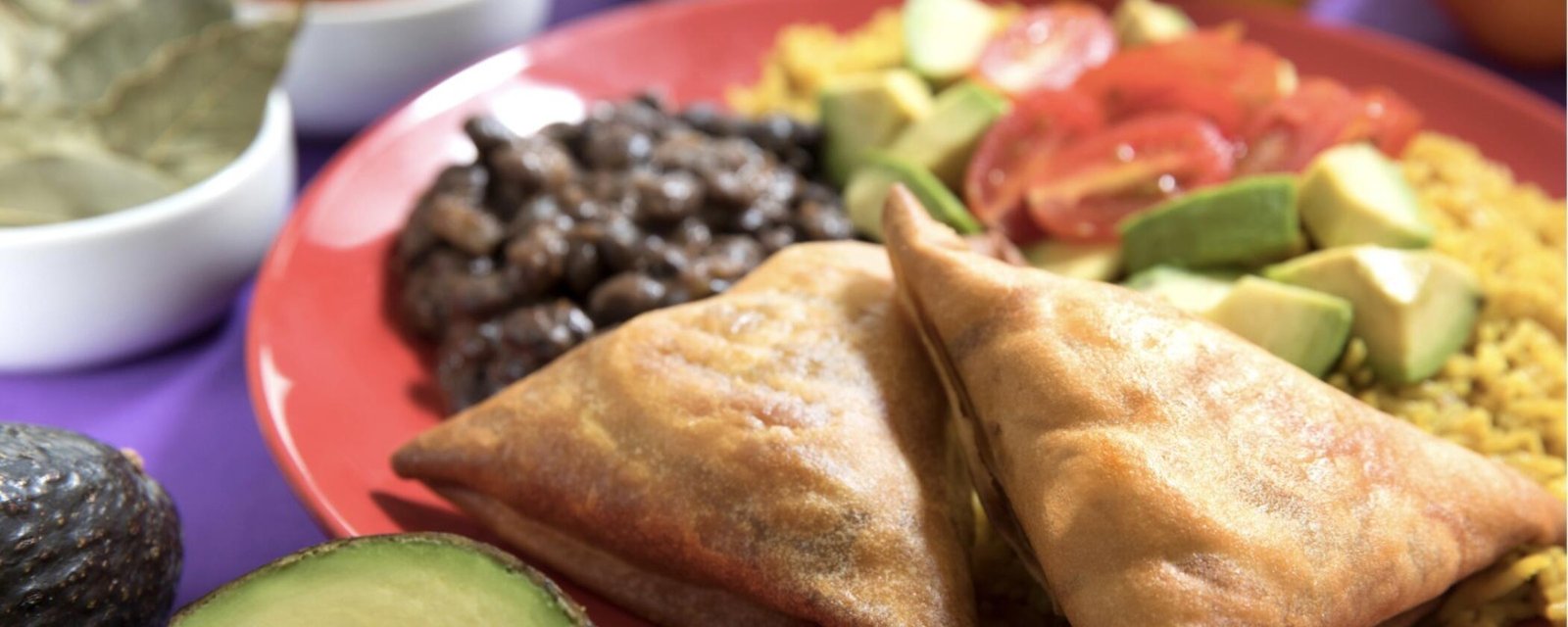
Uganda offers simple, fresh, and tasty food made from local ingredients. Most meals are based on filling staples that fit everyday life. A very common dish is matoke, steamed green bananas often served with meat or vegetable stew. You will also find posho, a soft maize meal, and rice, usually paired with beans, chicken, beef, or goat. Another favourite is groundnut stew, a rich peanut sauce that adds deep flavour to many meals. You will also see chapati, a soft flatbread, and the famous rolex. This popular street food is a rolled chapati filled with egg and vegetables. It is simple but very tasty. In areas near lakes, fresh fish is common, especially tilapia and Nile perch. During your trip, most meals are served in lodges. The food is often a mix of local and international dishes. This gives you a comfortable stay while still letting you enjoy real Ugandan flavours.
4. Is it possible to visit local markets or events during the trip?
Yes, absolutely. During your safari in Uganda, you will often pass through local markets. These are busy, colourful places full of daily life, and it is easy to stop and explore them along the way.
Local events, like market days or small village celebrations, are harder to plan in advance. They do not happen on fixed schedules, which is exactly what makes them feel real and authentic. If something interesting is happening during your trip, we will gladly include it.
Your guide plays an important role here. He knows the area well, the people, and the rhythm of daily life. He understands where something is happening and when it is worth stopping. This helps you experience real local moments that you would not easily find on your own.
We always make sure these visits feel natural. Nothing is forced or planned just for the sake of it. It only happens when it truly adds value to your journey.
5. Will you come into contact with the local population during a tour of Uganda?
Yes, very naturally. During your journey through Uganda, you move through real daily life. You pass villages, cross small towns, and stop at local markets where people are busy with their day. In these moments, contact often happens without planning. A greeting, a smile, or a short conversation comes easily. We do not focus on staged village visits or arranged meetings. Instead, we let encounters grow naturally as part of the route. This keeps everything real and respectful. In some cases, and always with a local guide, we can plan a more meaningful introduction. This might be a visit to a coffee farmer or a cultural exchange with communities such as the Karamojong or the Ik people in the northeast. Because Uganda is still less visited, these moments often feel open and genuine. Nothing feels forced. That is what makes the experience so special.
6. Do you feel welcome as a traveler in Uganda, and how do people treat tourists?
Yes, very much so. In Uganda, travelers are generally welcomed with warmth and kindness. The country is known for its friendly and open people. Many are curious, happy to talk, and willing to help without expecting anything in return. Outside the main tourist areas, these encounters often feel even more natural. You are not just passing through—you are noticed, greeted, and included in everyday life. Because tourism is still developing in many regions, the feeling is often personal and genuine. You are treated less like a visitor in a system and more like a guest in someone’s world. At the same time, respect for local culture and customs is always appreciated and goes a long way. In short, you are not just seen as a tourist here. You are welcomed as a visitor. And you feel that in every interaction.
7. What is the situation regarding religion in Uganda?
Religion is an important part of daily life in Uganda. Most people are Christian, and there is also a significant Muslim community, along with some traditional beliefs. You will notice this naturally during your trip. Churches and mosques are common in towns and villages, and religion is often part of everyday conversations and community life. For travelers, it does not affect the journey in any strict way. Uganda is open and welcoming, and people of different faiths live together peacefully. A respectful attitude toward local customs is always appreciated, but there are no complicated rules you need to follow. You are free to travel comfortably while simply being considerate of the culture around you.
8. Can I visit indigenous tribes in Uganda?
Yes, that is possible in Uganda. In the northeast, you can meet communities such as the Karamojong and the Ik people. These visits are always arranged with local guides and in close cooperation with the communities themselves. We focus on respect and simplicity. There are no staged shows or artificial village setups. The experience is kept natural and real. The contact is usually small and personal. It develops slowly, in a relaxed way, and fits naturally into the journey. Because of this approach, the experience feels honest and meaningful, without ever feeling forced.
9. Which cultural experiences can I include in my Uganda tour?
During a tour of Uganda, there are many simple and natural ways to experience local life. These are not staged shows, but real moments that fit into the journey. You can visit a coffee farmer and learn how coffee is grown and prepared. You can also stop at a local brewery or join a guided walk where your guide explains daily life in the area. A visit to a market along the way also gives a clear view of how people live and work. In northeastern Uganda, you can also meet communities such as the Karamojong and the Ik people, always together with a local guide. These encounters are simple, respectful, and small in scale. We make sure every experience fits naturally into your route. Nothing is forced or artificial. This is what makes them feel real and adds true meaning to your journey.
We Design Your Tailor-Made Tour
When you travel through Uganda, you will naturally experience its rich culture. It is part of every journey. If you want, we can add more to it in a way that fits you. We look at what you enjoy and what interests you. Then we suggest activities that feel right for you. There is always a way to connect your adventure with real local life. If you want ideas or help planning, we are happy to think with you. Just tell us. And if you are curious about a deeper cultural journey, you can also explore our culture and nature tour.

Safaris In Uganda
Greenway nature tours
We are a fully licensed tour company accredited by the Uganda Tourism Board. We design and operate safaris in Uganda and East Africa. Our operations are based in Kampala, Uganda, the heart of our safari planning and coordination. Though our company was officially established in 2025, our team brings deep, hands-on knowledge of East Africa.
Destinations
Favourite Tours
Help & Info
- About us
- Travel Blog
- Travel FAQS
- Gorilla Permits Bookings
- Contact Us
- Pay Online