
Best Gorilla Trekking Tours
Best Gorilla Trekking Tours In Africa
In terms of wildlife encounters, you don’t truly know what adrenaline is until you experience a gorilla trekking adventure. You walk through a rainforests. You hear bamboo cracking.
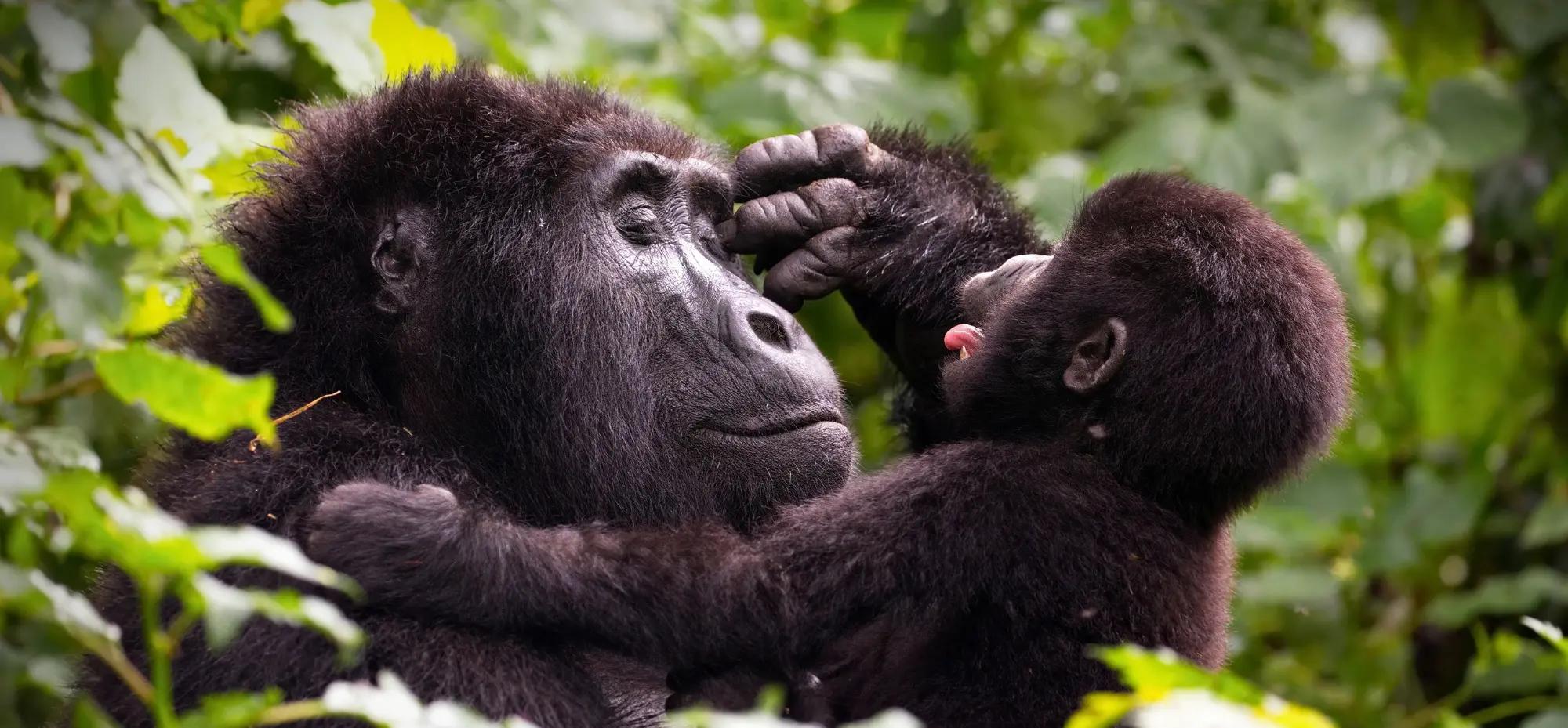
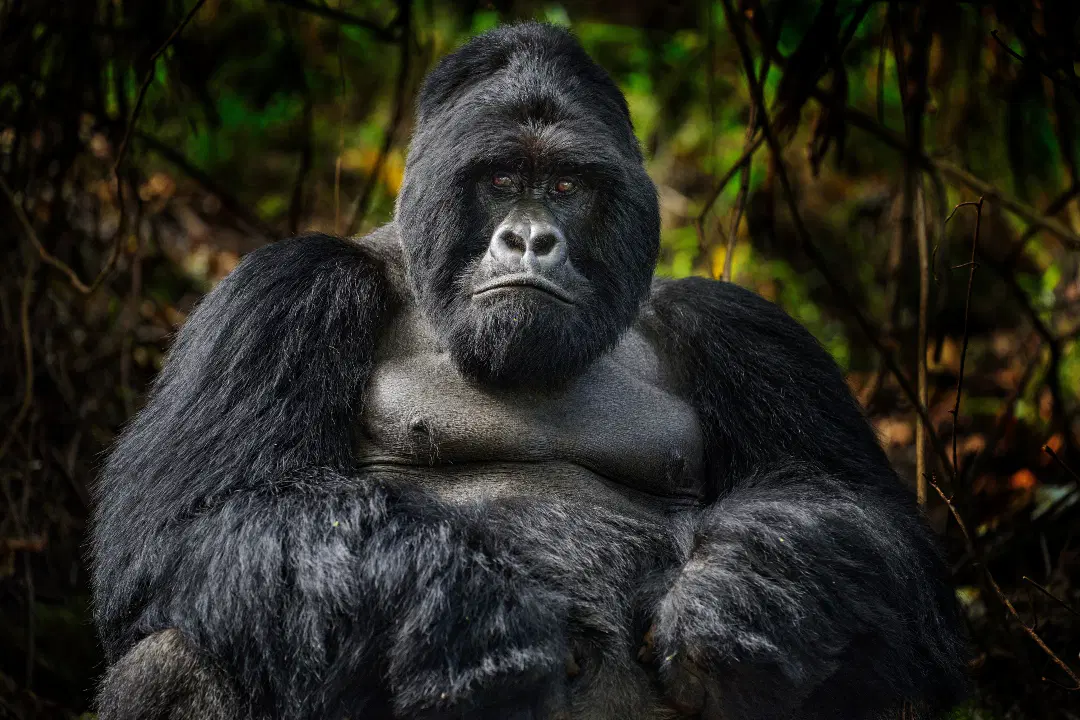
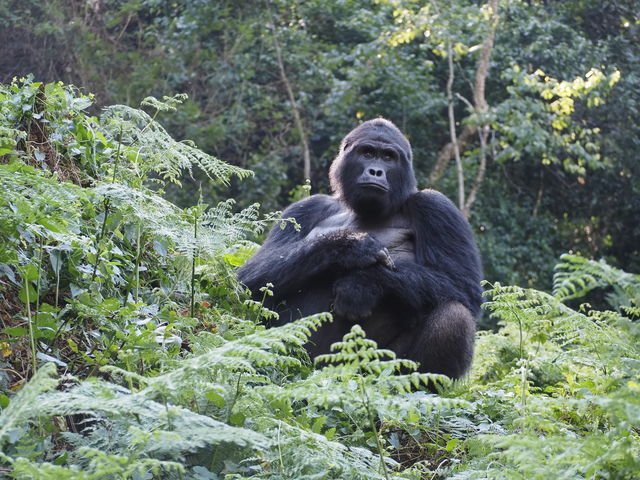
Then suddenly, a 200-kilogram male silverback gorilla casually steps out of a thicket, just meters away. It’s powerful. It’s real. It’s unforgettable. There is a softer side too. A baby gorilla somersault through the jungle, playful and curious. Nearby, a family of more than 20 beautiful gorillas rests together. You watch them interact. You begin to feel their bond. It’s a moment of true connection.
The experience can cost up to USD 1,500 in some countries. Yes, it’s a big investment. But it is worth every peny. With fewer than 1,100 gorillas left in the wild, your visit helps protect them and supports their future.
The best places for the best gorilla trekking tours are Bwindi Impenetrable Forest National Park in Uganda and Volcanoes National Park in Rwanda. These parks offer safe, well-organized, and unforgettable encounters.
You can also add more adventure. Go on a classic savannah game drive. Track wild chimpanzees on foot. Witness the great wildebeest migration in Serengeti or Masai Mara. With Greenway Nature Tours Africa, you will get the best gorilla trekking tours in Africa. Everything is carefully planned. Expert guides, trusted lodges, and top service come together to give you a smooth and unforgettable experience.
Best Time To Go Gorilla Trekking
The best time for gorilla trekking in Uganda or Rwanda is during the dry seasons (from June to early September and late December to February).
During these dry seasonmonths, trails are drier and easier to walk. There’s less rain, and the vegetation is not very thick, which makes gorillas easier to spot. The skies are often clearer too, giving you better views and great photo opportunities. Because of this, it’s the peak travel season. Gorilla permits and accommodation are in high demand, so prices are higher and early booking is important.
You can still go for a gorilla trekking tour during the rainy seasons (from March to May and October to November). In fact, it can feel more adventurous. The forest is lush, green, and incredibly beautiful. There are fewer visitors. And gorilla permit prices and accommodation rates are often lower.
For example, in April, May, and November, a Uganda gorilla permit drops from USD 800 to USD 600. However, conditions are more challenging. Trails can be muddy and slippery, and treks may take longer. But if you don’t mind a bit of rain and mud, the experience can feel more peaceful and just as rewarding.
Our Best Gorilla Trekking Tours Packages
All can be customized
Best Gorilla Trekking locations
For the best gorilla tours in Africa, choose Uganda or Rwanda. Uganda offers the best value and variety. Rwanda provides easier access.
1. Bwindi Impenetrable National Park, Uganda
Bwindi Impenetrable National Park is the best place for gorilla trekking in Uganda. Here, you can find around 500 wild mountain gorillas, living in more than 25 habituated families that you can visit. Your trekking experience is well organized. You are guided by experienced rangers and trackers who lead you through the forest. At the same time, your visit helps support local communities through permit fees.
You should be prepared for a challenge. Trekking in Bwindi can be tougher than in Rwanda. The forest is dense and steep; there’s a reason it’s called “impenetrable.” Still, you can be assigned to a gorilla family that is easier to reach. One big advantage for you is the price. Permits are more affordable than in Rwanda. You pay USD 800 as a foreign non-resident, or USD 600 during the low season.
You will also find more choice in Uganda. There are many affordable lodges and plenty of other attractions. You can easily spend two weeks exploring the country.
If you want something more unique, you can try the gorilla habituation experience. Here, you spend up to four hours with a semi-habituated gorilla group. These gorillas are less used to people, so your experience feels more raw and natural. You get a deeper insight into how gorillas slowly get used to human presence. This experience costs USD 1,500, the same price as one hour with gorillas in Rwanda.
2. Volcanoes National Park, Rwanda
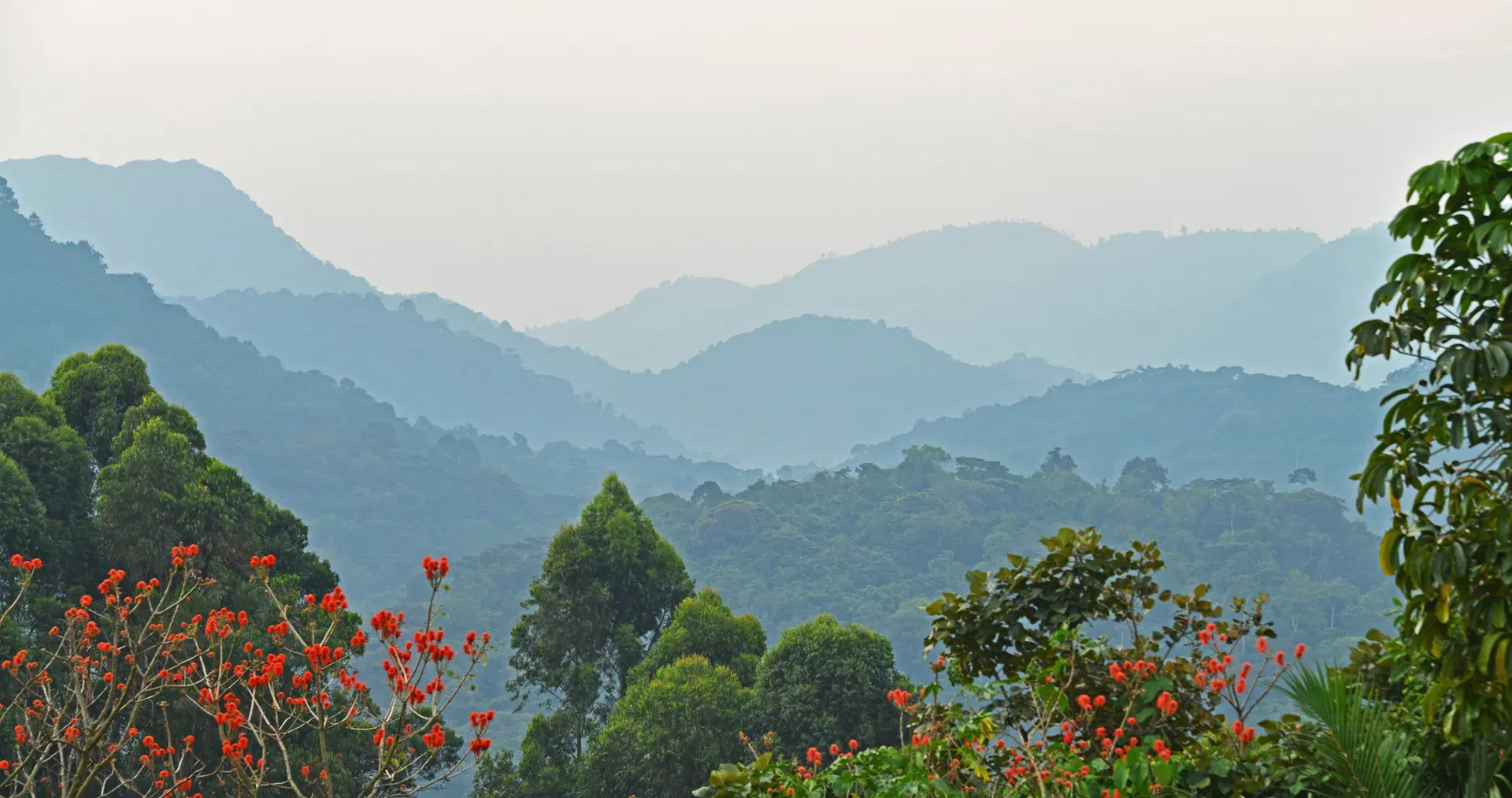
Volcanoes National Park is one of Africa’s most famous gorilla trekking destinations.
You may know it because of Dian Fossey and her work featured in Gorillas in the Mist. The park protects the Rwandan side of the Virunga Mountains. These are a chain of beautiful volcanoes, covered with rainforest and tall bamboo. The scenery is dramatic and unforgettable. You can track 12 habituated gorilla families here.
The most famous gorilla family in Volcanoes is the Susa group, once studied by Dian Fossey on Mount Karisimbi. Some groups live high on the slopes, while others stay lower down and are easier to reach. Since gorillas are wild animals, you should expect them to keep moving.
One thing to consider is the cost. Gorilla permits in Rwanda are expensive. You pay USD 1,500 as a foreign non-resident. There are lower rates for African citizens and residents. Rwanda offers a very high-end experience. You will find many luxury lodges near the park. Because of this, the destination is often compared to Botswana (exclusive, well organized, and premium). Many travelers visit as a short add-on to a safari in Kenya or Tanzania.
Once you are here, there is more to explore. You can go golden monkey trekking or hike to Dian Fossey’s grave at the old Karisoke Research Center. If you enjoy a challenge, you can hike up Mount Bisoke to a beautiful crater lake. If you visit in September, you might witness Kwita Izina. This annual ceremony celebrates newborn gorillas and attracts thousands of visitors to the park.
3. Mgahinga Gorilla National Park, Uganda
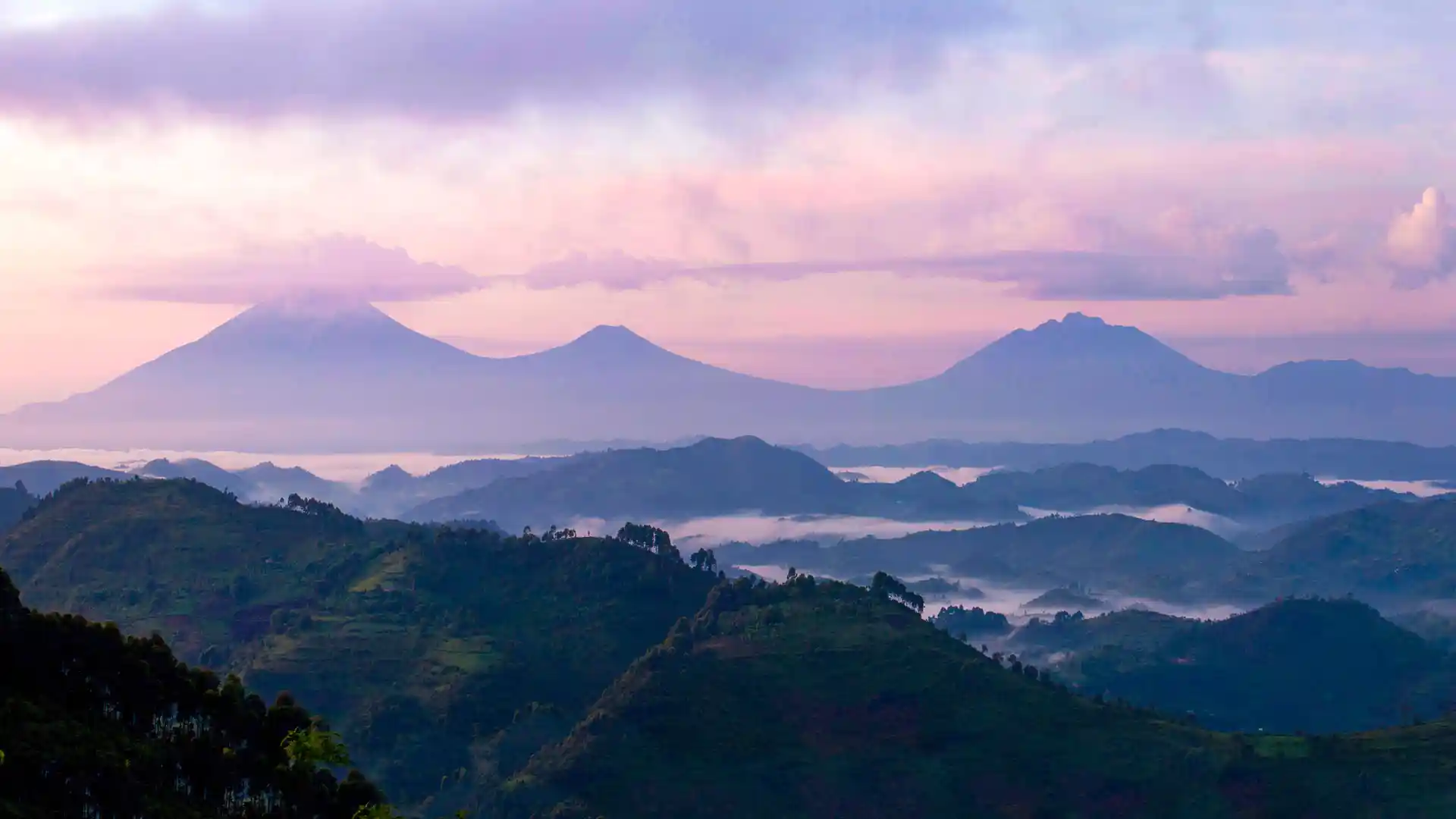
Like Volcanoes National Park, Mgahinga Gorilla National Park sits high in the Virunga Mountains, bordering Rwanda and Congo. There is only one habituated gorilla family here. So, permits are very limited. If you manage to secure one, you are in for a truly special experience.
Hiking here is relatively easy (emphasis on relatively) and the scenery below the volcanic peaks is breathtaking. The habituated family is unique. It includes a coalition of three massive male silverbacks. Gorilla permits at Mgahinga Gorilla National Park cost the same as Bwindi.
Because visitor numbers are limited, the park feels quieter and more relaxed than Bwindi or Volcanoes. You will also find plenty of other walking adventures. You can trek with golden monkeys, explore guided bird-watching trails, or take steep day hikes to the mountain peaks.
Securing Your Gorilla Trekking Permit
Securing a gorilla trekking permit is the first and most important step when planning your primate safari in Uganda. Permits are limited and often sell out months in advance. Greenway Nature Tours Africa, a fully licensed operator approved by the Uganda Tourism Board, handles the entire process for you.
This ensures your permit is legal, confirmed, and stress-free. Once you provide your details and preferred dates, the team reserves your permit, confirms payment, and sends proof within 24 hours. This simple process lets you focus fully on enjoying your unforgettable gorilla adventure.
Good To Know
How difficult is gorilla trekking?
The difficulty of your gorilla trekking experience in Bwindi or Volcanoes National Park depends on a few key factors. We look at your fitness level, the terrain, the weather, and the gorilla family you are assigned to track.
Trekking can take anywhere from 1 to 7 hours. You will walk through steep, sometimes muddy forest trails, often at higher altitudes. You don’t need to be an athlete, but you should be reasonably fit and prepared.
We make sure you are well supported throughout. Experienced ranger guides lead every trek, and porters are available to carry your bag or assist you along the way. If you prefer extra support, sedan chair services can also be arranged. During your briefing, you can let the rangers know if you would prefer an easier trek.
The rangers will do their best to allocated you a shorter route. In Uganda, treks are generally grouped into three levels: short, medium, and long, so the experience can be matched to your comfort.
Is Rwanda or Uganda better for gorilla trekking?
Uganda is a more economical option, with gorilla permits around US$800 compared to Rwanda’s US$1,500.
But Uganda offers more than just gorillas. You can combine the trek with chimpanzee tracking in Kibale Forest National Park and wildlife safaris in Queen Elizabeth National Park.
Both countries provide incredible gorilla encounters, but Uganda’s Bwindi Forest offers a more challenging trek through dense rainfores. In short, Uganda gives you the complete package- mountain gorillas, chimpanzees, and classic safari adventures, all in one unforgettable trip.
Read more about gorilla trekking Rwanda Vs Uganda.
Is gorilla trekking dangerous?
Gorilla trekking is not dangerous when done with expert guides and the right precautions. The gorillas you visit are habituated, meaning they’re used to people and generally calm and peaceful. Treks are always led by trained rangers who know how to keep both visitors and gorillas safe.
Before you start, you’ll get a full safety briefing on how to behave around the gorillas—like keeping a safe distance and avoiding sudden movements. While the forest trails can be steep, muddy, or slippery, they’re not risky if you take your time and follow instructions. With support from rangers and porters, and a bit of preparation, gorilla trekking is a safe, thrilling, and unforgettable wildlife experience.
How Tourism Saves Gorillas?
Gorilla trekking tourism is a crucial part of conserving the highly endangered mountain gorillas. With only about 1,000 left in the wild, the money from trekking permits funds anti-poaching patrols, habitat protection, research, and health programs to keep gorillas safe and healthy.
Tourism also benefits local communities by creating jobs and encouraging people to protect wildlife, while strict rules help prevent disease transmission between humans and gorillas. Beyond direct support, gorilla trekking raises global awareness, turning visitors into passionate advocates for conservation, ensuring these magnificent animals and their forests survive for generations to come.
What To Pack For Gorilla Trekking?
Pack lightweight, quick-drying, neutral-colored long-sleeved shirts and trousers to protect against insects and thorny plants—shorts are not recommended. Sturdy, waterproof hiking boots with good ankle support are a must, along with gaiters or long socks for extra protection. Bring a waterproof rain jacket, gloves for handling vegetation, a wide-brimmed hat, UV-protection sunglasses, and hair ties to keep your view clear. A face mask is required to protect the gorillas.
Can People With Disabilities Go Gorilla Trekking?
Gorilla trekking is possible for travelers with disabilities or limited mobility. With the help of trained local porters, visitors can be carried safely through the forest in a special sedan chair—allowing full participation without the strain of hiking. The cost of hiring a sedan chair is approximately $300, which covers a team of porters to carry you to and from the gorilla viewing area. Greenway Nature Tours Africa also arranges accessible transport, supportive lodges, and easier trekking routes to ensure a smooth, comfortable, and inclusive adventure for all. Contact us today to plan your gorilla trek, no matter your ability.
Gorilla Trekking Guides & Blogs

Safaris By Type
Top Safari Parks
Help & Info
- About us
- Travel Blog
- Travel FAQS
- Gorilla Permits Bookings
- Contact Us
- Pay Online