
Where to Go on a Safari in February?
February is a great time to go on safari in Tanzania’s northern parks and Kenya. It is also an excellent month for gorilla trekking and chimpanzee tracking in Uganda and Rwanda. January and February are part of a dry period between the short and long rains in East Africa.
This makes travel easier and wildlife easier to see. One of the biggest highlights is the wildebeest calving season in the Southern Serengeti, one of the most amazing wildlife events in East Africa and well worth planning a trip around. February is also perfect for romantic safaris. Couples can enjoy special experiences such as stargazing, private game drives, and romantic bush dinners, making it a wonderful time to celebrate Valentine’s Day in the wild.
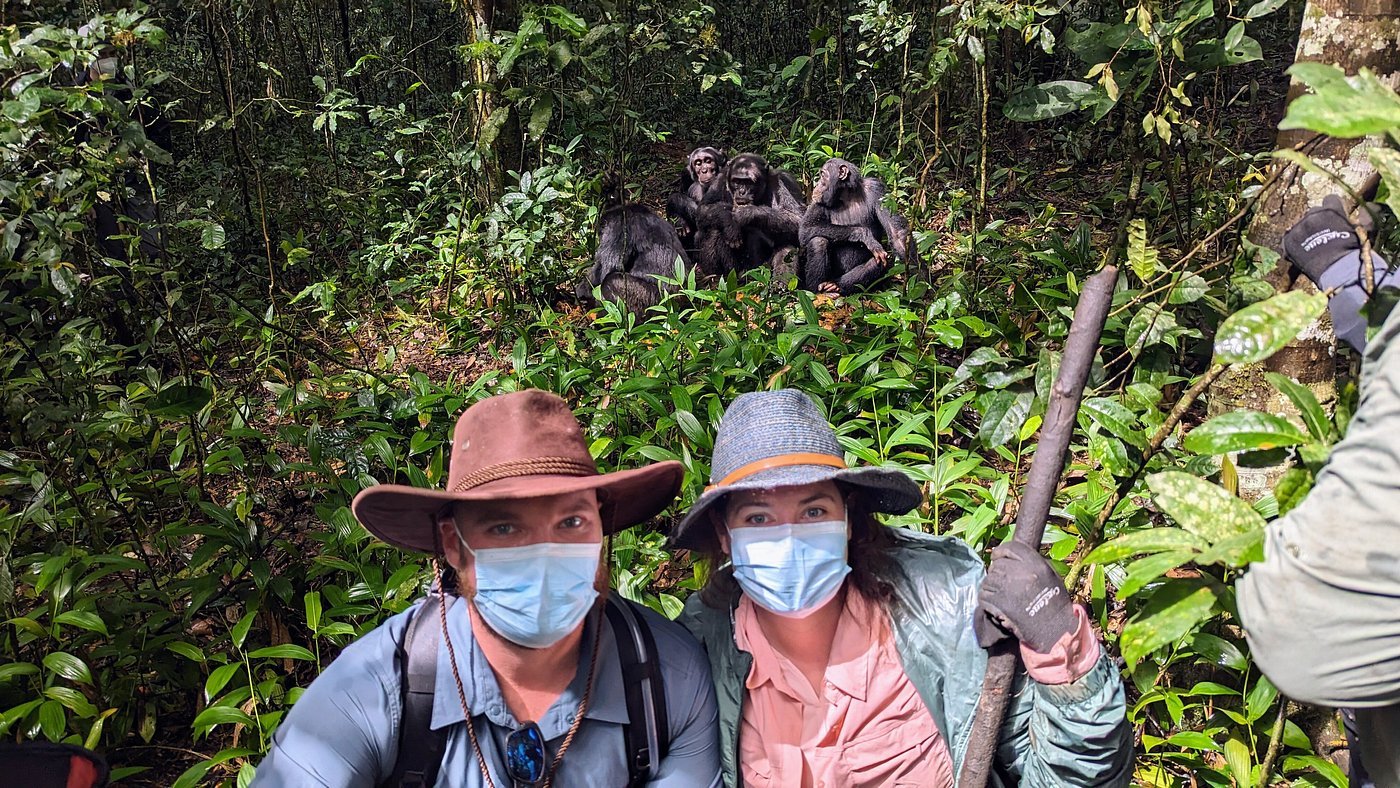
We are a leading travel company creating custom safari experiences across East Africa. Based in Kampala, Uganda, we offer strong local knowledge and carefully selected wildlife experiences and accommodations. If you are planning a February safari to Africa, contact our expert team to create a trip that matches your interests, travel style, and dream adventure.
Top Destinations for February Safaris
Tanzania safari in February
A safari in Tanzania in February is a great choice. The weather in northern Tanzania is mostly warm and dry, while the south gets a bit more rain. February is a shoulder season, which means fewer visitors, good wildlife viewing, and better prices than in the busy months.
Serengeti National Park
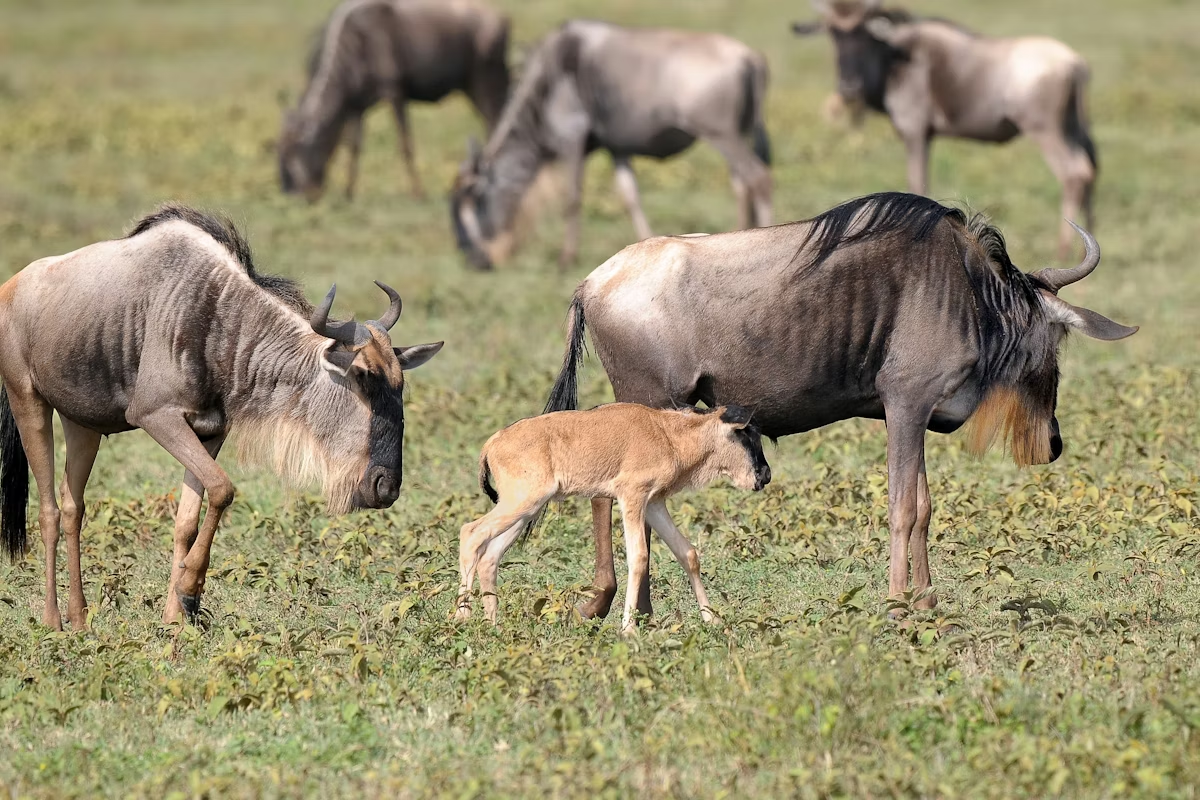
February is a special time to visit the Southern Serengeti and nearby Ngorongoro Conservation Area. This is when the wildebeest calving season happens. Over one million wildebeest gather on the plains, and within a few weeks, about half a million babies are born. Zebras and gazelles also give birth at this time. The many young animals attract predators like lions and cheetahs, creating exciting wildlife action. It can be hot, and you may see short rain showers, but these do not spoil the experience.
Ngorongoro Crater
The Ngorongoro Crater is one of the best places in Africa to see wildlife all year. In February, the weather is warm and mostly sunny, with some afternoon rain. The air is clear, which is great for photos. After rain, the crater becomes green and beautiful.
Mount Kilimanjaro
Climbing Mount Kilimanjaro, Africa’s highest mountain, is not easy, but February is a good time to try. The weather is fairly dry, and the paths are in good condition. There is also a good chance of seeing snow at the top.
Zanzibar Holiday in February
February is a lovely time to visit Zanzibar. The sea is warm and calm, making it perfect for swimming, snorkeling, and diving. The weather is hot and humid, and the long rains usually start in mid-March, so February is still a very good time to enjoy the beach.
Uganda Adventures in February
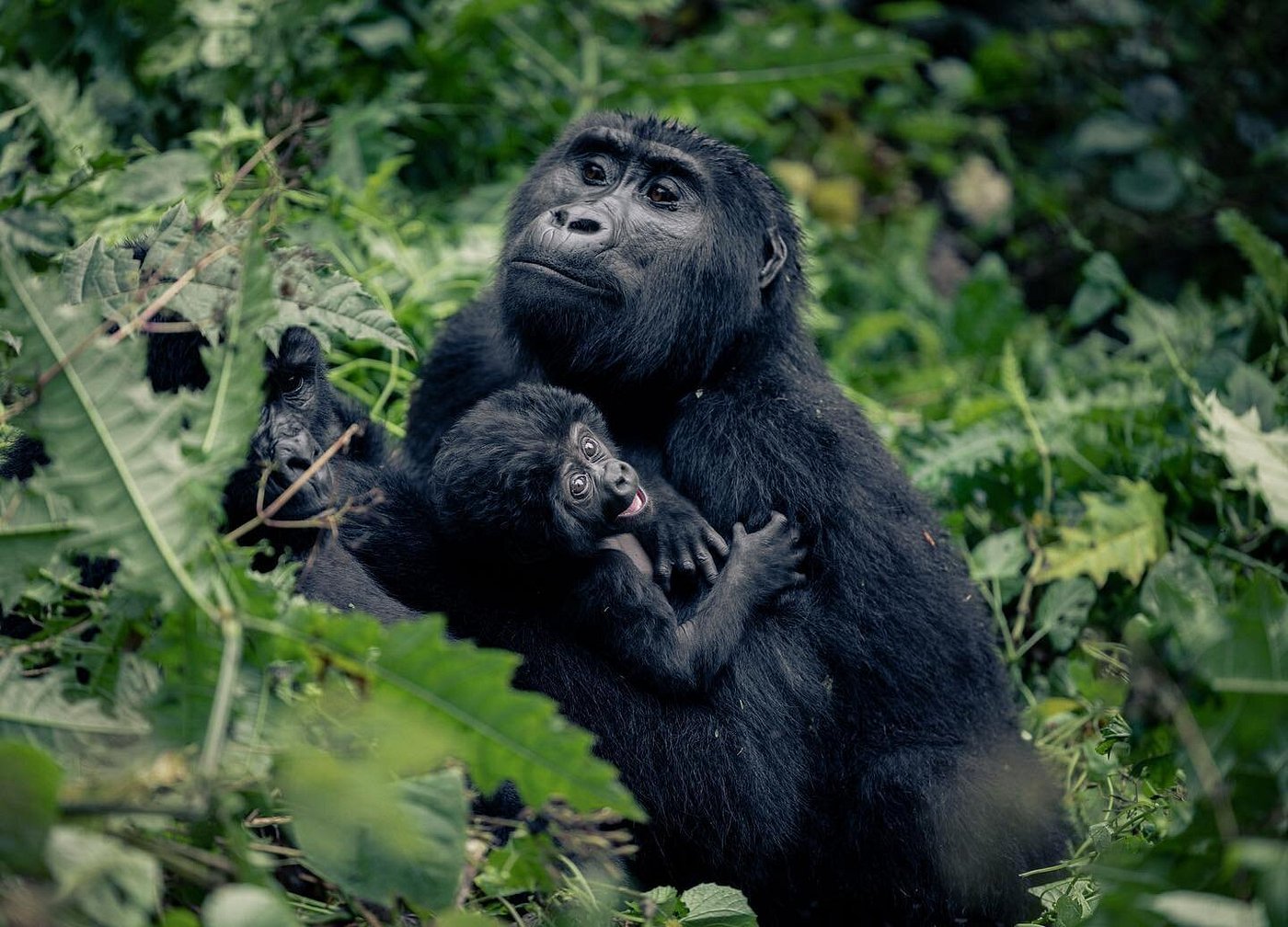
February is one of the drier months in Uganda, making it a great time to enjoy wildlife adventures. The dry weather is especially good for gorilla trekking in Bwindi Impenetrable National Park and chimpanzee tracking in Kibale Forest. These activities are available all year, but February’s dry conditions make the experience much easier and more enjoyable.
During the rainy season, forest trails can be very slippery. In February, the paths are drier, allowing you to move more comfortably and fully enjoy the special hour spent with these amazing apes.
February is also an excellent time to visit Uganda’s savannah national parks, including Queen Elizabeth National Park and Murchison Falls National Park.
During this time, animals gather near fewer water sources, making them easier to find. With less thick vegetation, wildlife is more visible, creating great opportunities for game viewing.
Kenya Safari in February
February is a great time to go on safari in Kenya. The weather is hot and dry, which makes it easier to see wildlife. Many animals gather around water sources, so game viewing is very good. February is also a special time for bird lovers, as migratory birds from Europe and Asia arrive in Kenya.
Masai Mara
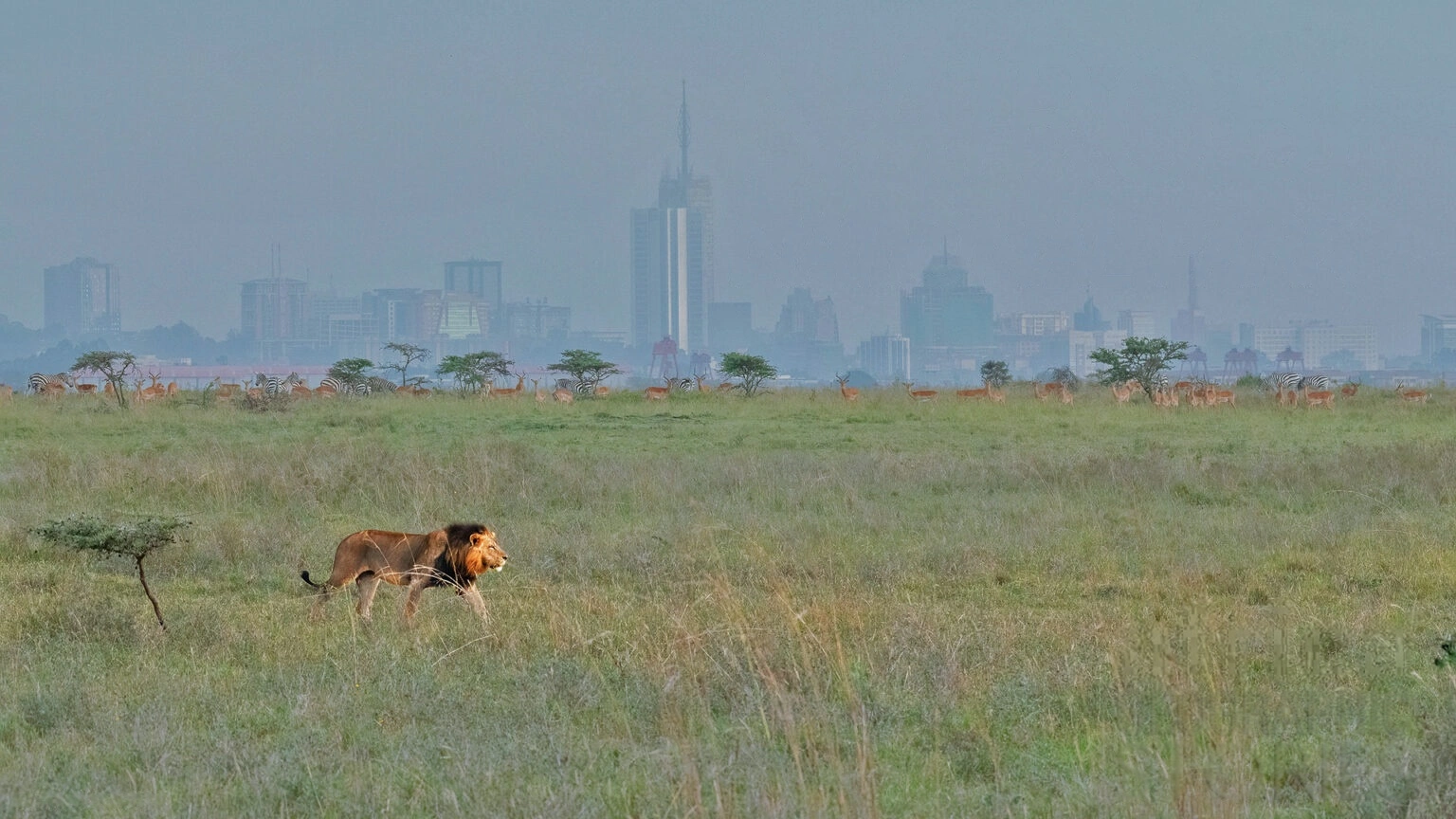
Even though the Great Migration has moved south, the Masai Mara is still full of life in February. The grass is short, and animals stay close to water sources, making them easier to spot. With fewer visitors, February offers a quiet and rewarding safari experience.
Amboseli National Park
February is one of the best times to visit Amboseli National Park. You can enjoy clear views of Mount Kilimanjaro and excellent elephant sightings. The dry weather brings animals together around water, giving you great chances to see wildlife up close.
Kenya Beaches
Before the rains begin in March, Kenya’s beaches enjoy warm, sunny weather in February. This makes it a perfect time for a beach holiday before or after your safari. The ocean is calm and clear, ideal for snorkeling, diving, and other water activities.
Rwanda Adventures in February
February is a great time to go gorilla trekking in Rwanda. The weather is drier, which makes hiking in Volcanoes National Park easier and more comfortable. Visitors can enjoy close and special moments with the mountain gorillas, one of the most amazing wildlife experiences in the world.
Rwanda’s green forests are also home to golden monkeys and many rare bird species. Carefully chosen lodges offer special experiences such as private treks and forest dinners, making a safari in Rwanda exciting, comfortable, and truly unforgettable.

What to pack for a safari in February?
- Light, neutral-colored clothing for game drives
- Waterproof jacket for possible rain
- Comfortable walking shoes
- Layered clothing for cool mornings and warm afternoons
- Wide-brimmed hat
- Sunscreen
- Sunglasses
- Insect repellent
- Binoculars
- Camera
- Phone and camera chargers or power bank
- Personal toiletries
- Prescription medications
- Malaria tablets (for some areas)
When you book a February safari to East Africa with us, our team will give you clear advice on exactly what you need to pack for your trip.
Our Best Safari in February
For the ultimate safari in February, we recommend combining a classic safari in Kenya’s famous Masai Mara with some Uganda gorilla trekking in Bwindi. This 7-Day Classic Kenya And Uganda Gorilla Safari itinerary will allow you to seamlessly combine two of Africa’s most thrilling wildlife experiences.

Safaris By Type
Top Safari Parks
Help & Info
- About us
- Travel Blog
- Travel FAQS
- Gorilla Permits Bookings
- Contact Us
- Pay Online