What Vaccinations Do I Need for an East Africa Safari in 2026?
If you are visiting Kenya, Tanzania, Uganda, or Rwanda for a safari in 2026, there are a few important vaccinations to consider.
The Yellow Fever vaccine is the most crucial.
Rwanda, Kenya and Tanzania require proof if you are arriving from a place where yellow fever exists. In Uganda, all international visitors must show a Yellow Fever certificate, no matter where they come from.
Most other vaccines aren’t mandatory, but they are strongly recommended.
Hepatitis A and Typhoid help protect against illnesses spread through food and water. Many travellers also take malaria prevention medication to reduce the risk of infection in certain areas of East Africa.
Important note:
We are not medical professionals.
This information is a general guide and should not be taken as medical advice. Travel health requirements can change at any time, sometimes with little notice. Before your trip, always consult a qualified doctor or travel health clinic for personalised advice.
Check the latest guidance from trusted sources such as the World Health Organisation (WHO), the CDC Travelers’ Health and the NHS (UK travellers)
Are Vaccinations Required for Travel to East Africa?
Before answering this question, it is helpful to understand the difference between required and recommended vaccines.
A required vaccine is one that a country demands for entry. Without proof, you could be denied boarding, asked to quarantine, or refused entry at the border.
A recommended vaccine is different. Health authorities advise it for your protection, but immigration officials do not enforce it.
In East Africa, Yellow Fever is the only vaccine with a formal entry requirement.
The rules vary by country. Uganda requires proof of Yellow Fever vaccination for all international travellers over one month old. Kenya, Tanzania, and Rwanda require it if you arrive from, or pass through, a country where yellow fever exists.
Many safari trips include visits to more than one country.
Others pass through major travel hubs such as Nairobi or Addis Ababa. Because of this, the Yellow Fever vaccine is relevant for most safari travellers.
Apart from Yellow Fever, organisations like the WHO and CDC strongly recommend other vaccines to help protect travellers during their trip.
Required Vaccinations for Safaris in East Africa
Yellow fever vaccination is required if you arrive from a country with a known risk of yellow fever transmission.
In Uganda, it is required for all travellers, regardless of the origin. It is important to understand these rules. East Africa lies in and near the yellow fever belt.
Checks at airports and land borders have become stricter in recent years.
Yellow Fever Vaccine
When do you need it?
Kenya and Tanzania ask for a Yellow Fever certificate if you’re coming from, or spending 12 hours or more in, a country with yellow fever.
In Uganda, everyone over nine months old needs it, no matter where they come from. Rwanda also requires it if you’re coming from a yellow fever country, and they may do a temperature check when you arrive.
Which countries trigger the requirement?
Most of sub-Saharan Africa and parts of South America are on the WHO list. For example, if you go from Kenya to Tanzania, you’ll need the certificate.
Even a long layover of 12 hours in Nairobi can count. Always check with your travel clinic—they can help map your route.
Transit rules:
Even if you stay in the airport, a transit over 12 hours in a yellow fever country can trigger the requirement.
Validity:
The Yellow Fever vaccine is now valid for life. Get it at least 10 days before you travel.
The yellow card:
Your proof is the International Certificate of Vaccination (ICVP), called the “yellow card.” Always carry the original. Photocopies or photos usually won’t be accepted.
Learn more on the WHO’s yellow fever page.
Yellow Fever Vaccine
These vaccines are not required to enter East Africa but are strongly recommended by the WHO, CDC, and NHS. Your doctor can advise what’s best for you based on your age, health, travel history, and exact itinerary.
Hepatitis A & B
These vaccines are recommended for travellers aged one year and older visiting Kenya, Tanzania, Uganda, and Rwanda.
Hepatitis A spreads through contaminated food and water, which can happen even at well-run lodges.
Hepatitis B spreads through blood and bodily fluids and is recommended in case you need medical care abroad.
Hepatitis A risk is moderate; Hepatitis B risk is lower.
See more at WHO: Hepatitis A
Typhoid
Typhoid is caused by bacteria in food and water.
Vaccination is recommended for all travellers, especially if you eat outside lodges like at markets or roadside stalls.
Risk is low in luxury camps and moderate when travelling widely. Vaccines are considered standard practice for East Africa.
Consult the CDC’s typhoid prevention guidance for more details.
Tetanus (Tdap)
Tetanus enters the body through cuts or wounds.
Most people are vaccinated as children, but adults need a booster every 10 years.
The risk is low, but a booster is recommended for all travellers.
Rabies
If you plan to trek gorillas, travel with children, or come into contact with wildlife or domestic animals, a rabies vaccine is recommended.
Children are especially at risk because they may approach animals more easily.
Rabies is passed through the saliva of an infected animal, usually via a bite, scratch, or lick on broken skin. Kenya is considered high risk.
For travellers in vehicles, the risk is generally low. It increases for those walking on foot, trekking near primates, or interacting with local dogs.
Read more on the WHO’s rabies fact sheet.
Your doctor may also talk about Polio boosters for certain destinations, Meningitis, Cholera, and routine vaccines like MMR.
Always get a personalised consultation before you travel.
Do You Need Malaria Medication for Safari?
Yes. Malaria medicine is strongly recommended for all safari areas in Kenya, Tanzania, Uganda, and Rwanda.
Malaria can be treated, but it can become life-threatening very quickly.
Malaria Zones in East Africa
Kenya:
Malaria is found in most safari areas, including the Maasai Mara, Amboseli, and Tsavo. Risk is higher during and after the rainy seasons (March–May and October–December).
Tanzania:
Most of Tanzania is high-risk all year. This includes the Serengeti National Park, Tarangire, Lake Manyara, and Zanzibar.
The Ngorongoro Highlands have lower risk, but the crater floor and roads down to it carry moderate risk.
As a rule, assume malaria medicine is needed everywhere in Tanzania.
Uganda and Rwanda:
Malaria is present all year. Risk is higher during rainy periods.
Malaria Prophylaxis Options
There are three main malaria medicines used in East Africa. All need a doctor’s prescription and a personalised consultation.
Your doctor will check your health, other medications, and the length of your tour before recommending one.
Atovanquone-proguanil (Malarone):
Taken daily. Start one or two days before entering a malaria area and continue for a few days after leaving. Good for shorter trips.
Doxycycline:
Taken daily. Start one or two days before travel and continue for four weeks after. Can make your skin more sensitive to the sun, so use sun protection.
Mefloquine (Lariam):
Taken weekly. Start two to three weeks before travel.
Check the CDC’s malaria guidance for travellers for a detailed comparison. Always talk to your doctor to choose the safest option for you.
Mosquito Prevention
Malaria medicine is only part of protection.
You should also take physical precautions.
Apply insect repellent whenever you’re outside after dusk.
Wear long sleeves and trousers in the evenings.
Sleep under a mosquito net or in a screened, air-conditioned room.
Elevation Considerations
Mosquitoes are less able to spread malaria at higher altitudes (above 2,000–2,500 m).
Places like the Ngorongoro rim and upper slopes of Kilimanjaro and Rwenzori Mountains are lower risk.
But most East Africa safari tours move between different elevations.
Anti-malarial medication is recommended for the whole trip.
A night at high altitude is not a reason to skip your medicine.
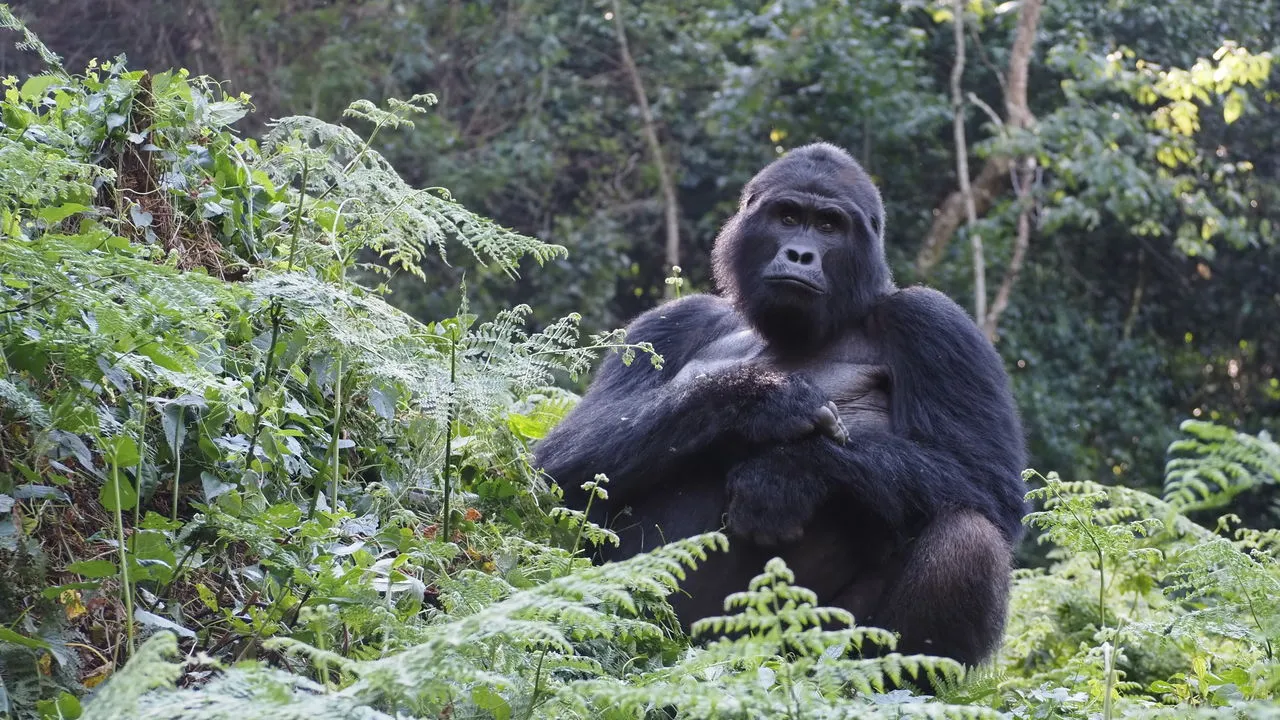
Vaccinations for Gorilla Trekking in Rwanda and Uganda
Gorilla trekking isn’t just about your health; it’s about the gorillas too. Humans share 98% of their DNA with mountain gorillas.
Many illnesses that affect us can also harm them, sometimes fatally.
The Ugandan Wildlife Authority and Rwanda Development Board require all trekkers to be healthy on the day of the trek.
If you show signs of respiratory illness, fever, or other contagious conditions, you will be asked to stay at lodge. This is vital for conservation. Your commitment is essential.
For a full guide, see our gorilla trekking guide for everything you need to plan your experience.
Health Considerations for Gorilla Trekking
Besides the usual East Africa vaccinations and malaria precautions, gorilla trekking has a few extra health points to keep in mind:
Respiratory health:
Anyone with a contagious cough, cold, or other respiratory illness should not trek.
Think about exposure in the days before your trip; long flights and shared transport can spread germs.
COVID-19:
Most entry rules have been lifted, but being vaccinated helps protect both you and the gorilla families from potential infection.
Physical fitness:
Treks can be up to eight hours through dense jungle and at altitude. You need a reasonable level of fitness.
If you have any heart or breathing issues, talk to your doctor first.
When Should You Get Travel Vaccinations Before a Safari?
The best time is 6–8 weeks before your trip.
Some vaccines need multiple doses, and your body needs time to build full protection.
The Yellow Fever vaccine takes at least 10 days to become effective.
Starting early also gives you time to manage any side effects.
If you are travelling last-minute, some single-dose vaccines can still work if given a few days before departure.
But for Yellow Fever, you must wait 10 days before your certificate is valid.
See your doctor as soon as your trip is confirmed.
Always check with a travel clinic for the latest advice. You can find one through the WHO, the CDC, or the NHS Fit for Travel resources.
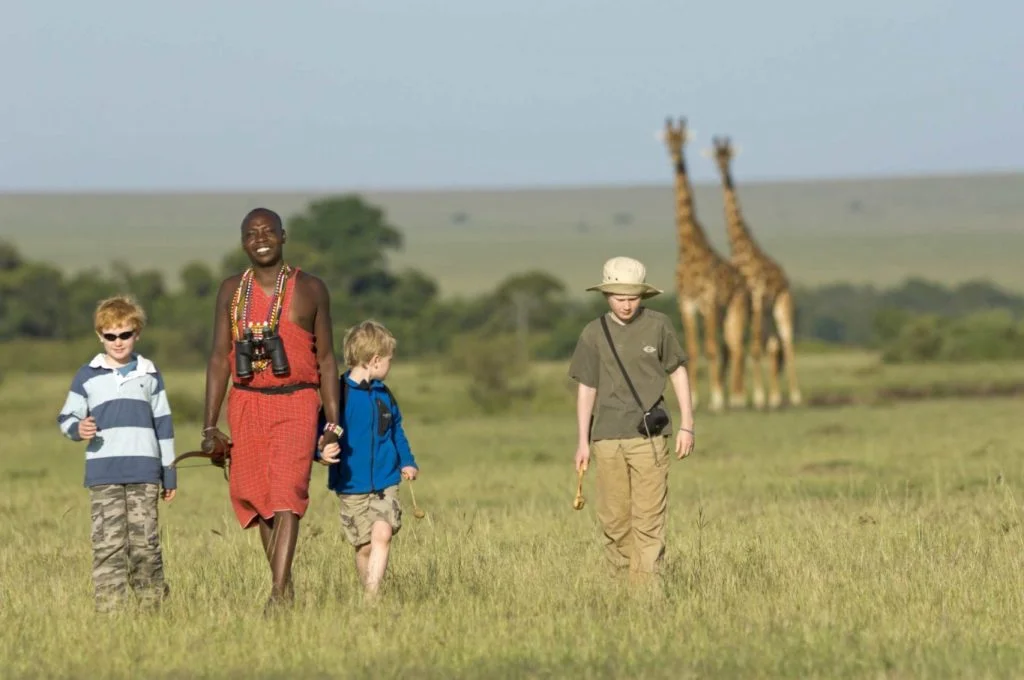
Do Children Need Different Vaccinations for Safari?
Children need the same core vaccines as adults, but with a few age-specific considerations.
A paediatric travel health consultation is essential before your trip.
Make sure your child’s routine vaccinations are up to date.
Check the WHO’s recommended immunisation schedule if you are unsure.
Yellow Fever is required for children over nine months (one year in some countries).
Malaria can be very serious for children. Plan carefully with a doctor and bring insect repellent, long sleeves, and long trousers for evenings.
Children are also more likely to approach animals, increasing the risk of rabies. A pre-exposure rabies vaccine is recommended for children going on safari.
Is It Safe to go on Safari Without Vaccinations?
Many diseases that vaccines protect against like Yellow Fever, rabies, and typhoid are rare for most safari travellers.
Every year, thousands visit East Africa and return home healthy.
That said, skipping vaccines carries real risks. In remote areas of Africa, medical care is limited. Diseases like Yellow Fever, rabies, and malaria can be life-threatening.
This is not just a theory; it’s a fact. Without a Yellow Fever certificate, you may be denied entry. This can lead to costly cancellations and missing your safari entirely.
For most healthy travellers, vaccines are safe, widely available, and well-tolerated.
A single visit to a travel clinic is small effort compared with the protection it gives; and with the unforgettable experience of a safari that awaits.
Final Travel Health Checklist for Your Safari
- Book a travel health appointment 6–8 weeks before departure.
- Yellow Fever vaccine and bring your original yellow card (ICVP).
- Hepatitis A & B vaccines – make sure the course is complete.
- Typhoid vaccination (injectable or oral).
- Tetanus/Tdap booster if not done in the last 10 years.
- Rabies pre-exposure vaccine if recommended by your doctor.
- Antimalarial medication – take the full course as prescribed.
- DEET insect repellent (30–50% concentration).
- Long-sleeved, light-colored clothing for evenings.
- Travel insurance with medical evacuation cover.
- Prescription medicines in original packaging with a doctor’s letter.
- Basic medical kit: antihistamines, rehydration sachets, plasters.
- Check routine vaccines are up to date (MMR, Polio, Diphtheria).
- Keep all documents and yellow card in hand luggage—never check them in.
FAQs About Safari Vaccinations
1. Is it safe to go on safari without malaria tablets?
We do not recommend it. Malaria is present year-round in most safari areas of Uganda, Kenya, Tanzania, and Rwanda. Wearing long sleeves, using repellent, and other precautions help, but they are not enough on their own.
2. What happens if I forget my yellow fever card at immigration?
This can be serious. You may need to get vaccinated on the spot (if available), be quarantined, or be denied entry and sent home at your own cost. Always keep your yellow card in your hand luggage and carry it throughout your trip.
3. What if I cannot receive the yellow fever vaccine for medical reasons?
If you have a medical reason such as pregnancy, immune issues, or a severe egg allergy, your doctor can issue a medical exemption letter or mark it on the ICVP. Bring this with you and be ready to explain at border control.
4. Do I need vaccinations if I am only staying in luxury safari camps?
Yes. The quality of accommodation does not change the disease risk. Even well-run camps take precautions, but it’s best to err on the side of caution.
5. Can I travel to East Africa if I am pregnant?
Pregnancy requires extra care. Yellow Fever vaccination is generally not recommended. Some antimalarial medications may also be unsuitable. Malaria itself poses serious risks to pregnant women. Always consult your obstetrician and a travel health clinic.
Our Best Safaris In East Africa
Greenway nature tours
We are a fully licensed tour company accredited by the Uganda Tourism Board. We design and operate safaris in Uganda and East Africa. Our operations are based in Kampala, Uganda, the heart of our safari planning and coordination. Though our company was officially established in 2025, our team brings deep, hands-on knowledge of East Africa.
Destinations
Favourite Tours
Help & Info
- About us
- Travel Blog
- Travel FAQS
- Gorilla Permits Bookings
- Contact Us
- Pay Online