Rwanda vs Uganda Gorilla Trekking
Which Country Is Best For Gorilla Trekking?
Gorilla trekking in Africa is one of the most amazing wildlife experiences in the world. It is not just a safari activity. It is a deep emotional encounter with nature. Standing only a few meters away from wild gorillas change how you see the world. You hear them breathe. You watch them eat, groom, and play. You realize how close they are to us.
Only a few places on Earth allow this experience. Among them, Rwanda and Uganda stand out as the very best destinations. Both countries protect mountain gorillas.
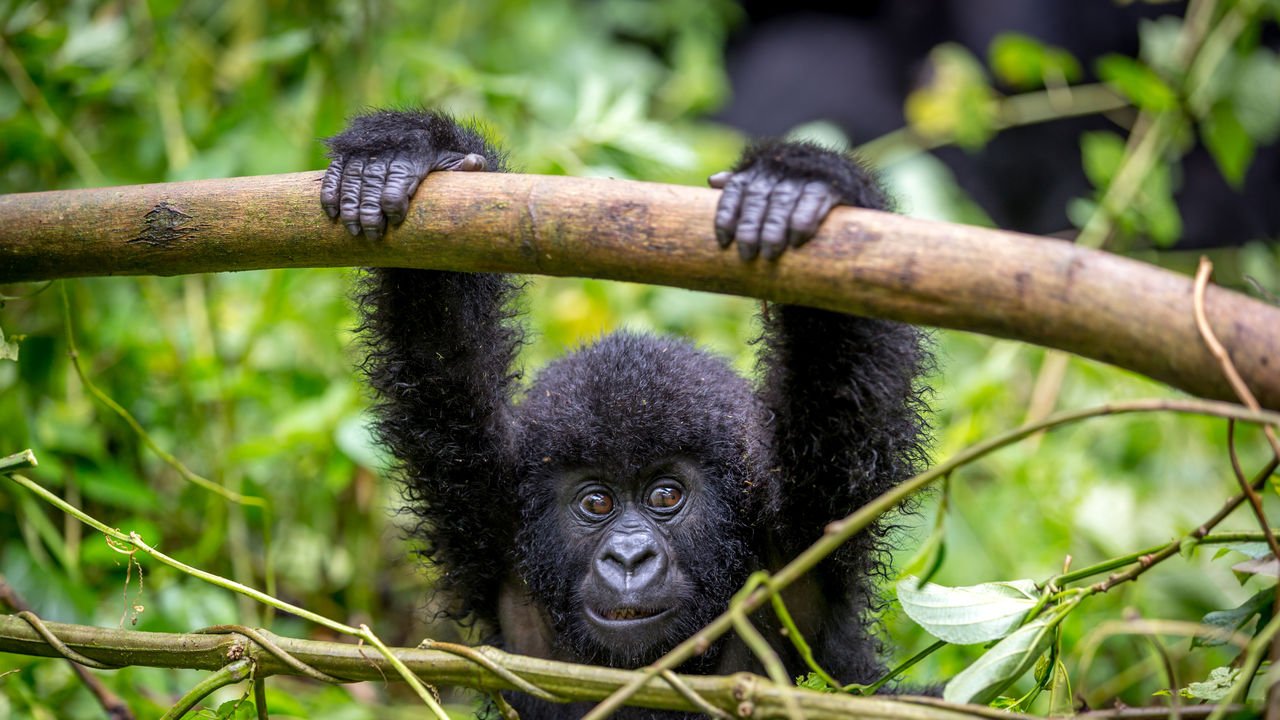
Both offer safe and well-organized trekking experiences. And both promise unforgettable moments in the wild. Yet Rwanda and Uganda are very different. They differ in cost, landscape, trekking difficulty, travel style, and overall experience. Choosing the right country depends on your budget, fitness level, time, and travel goals. This guide compares Rwanda and Uganda in detail. By the end, you will know exactly which destination suits you best.
Where You Can See Gorillas in Rwanda and Uganda
Mountain gorillas are extremely rare. They live only in a small region of Central and East Africa. Fewer than 1,100 remain in the wild today. About half of all mountain gorillas live in the Virunga Mountains. This volcanic mountain range stretches across Uganda, Rwanda, and the Democratic Republic of Congo.
For travelers, Uganda and Rwanda are the safest and most reliable places to see them.
In Rwanda, gorilla trekking happens only in Volcanoes National Park. This park lies in the northwest of the country. It is famous for misty volcanoes, bamboo forests, and conservation history. Dian Fossey worked here for many years, dedicating her life to protecting gorillas. Volcanoes National Park has around ten habituated gorilla families that visitors can trek. The park is compact, well managed, and easy to navigate.
Uganda offers two gorilla trekking parks. The most famous is Bwindi Impenetrable National Park. This ancient rainforest is home to about 500 mountain gorillas. That is nearly half of the world’s population. Bwindi has over 25 habituated gorilla families available for trekking. This gives Uganda more permit availability and flexibility.
Uganda’s second gorilla park is Mgahinga Gorilla National Park. It is smaller and quieter. It lies in the Virunga Mountains near the borders with Rwanda and Congo. It offers a beautiful and less crowded trekking experience.
Gorilla Trekking Costs: Rwanda vs Uganda
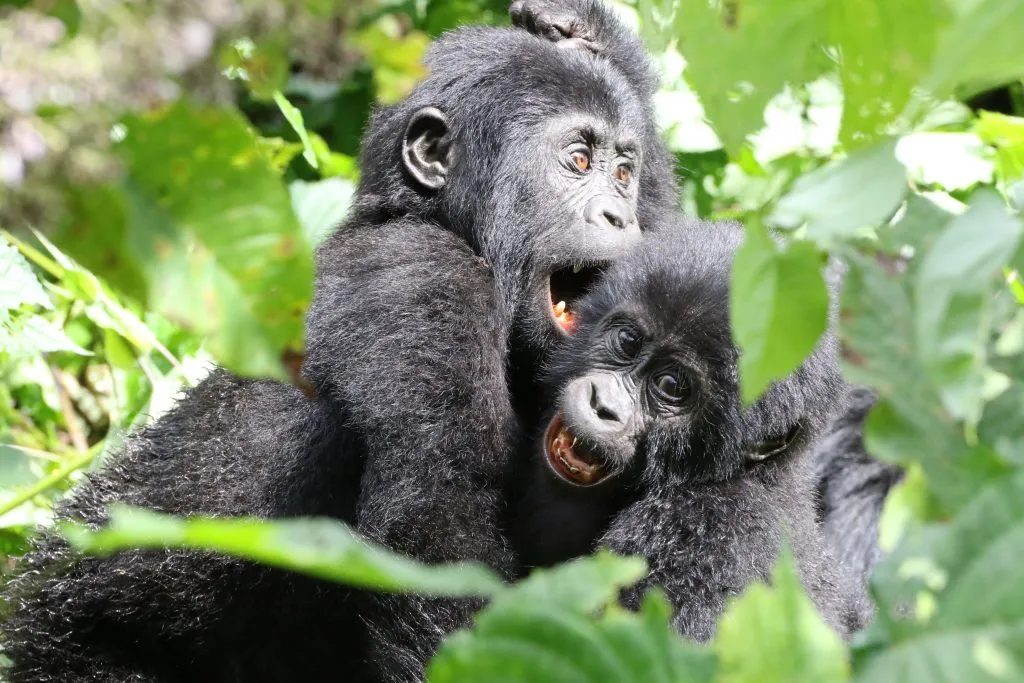
Cost is often the deciding factor when choosing between Rwanda and Uganda. To go gorilla trekking, you must buy a gorilla permit. This permit allows you to visit one gorilla family for one hour. The permit fee supports conservation, park protection, and local communities.
In Uganda, a gorilla trekking permit costs 800 US dollars per person. This makes Uganda one of the most affordable places in the world for gorilla trekking.
In Rwanda, a gorilla trekking permit costs 1,500 US dollars per person. This is almost double the price of Uganda. Rwanda positions itself as a high-end destination. Permit fees are higher to limit visitor numbers and support luxury tourism.
Accommodation costs also differ. Rwanda has many luxury lodges with high nightly rates. Although Uganda also has luxurious lodges and camps, it offers more mid-range and budget-friendly options. Transport costs are lower in Rwanda because the gorilla park is close to the capital. In Uganda, gorilla parks are far from the international airport, which increases travel time and cost. Overall, Uganda offers better value for money. Rwanda offers comfort, convenience, and luxury at a higher price.
What to Expect on a Gorilla Trek?
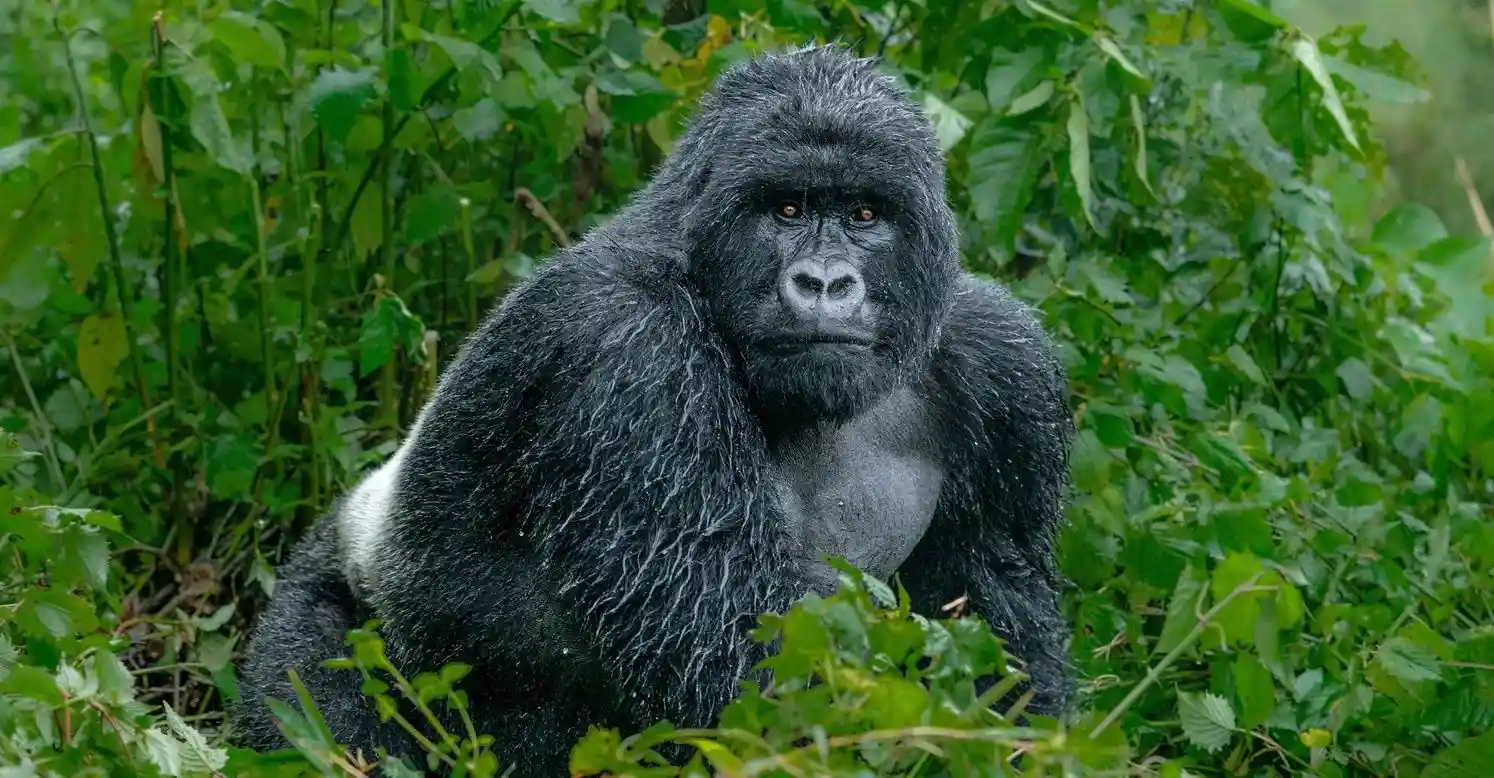
The gorilla trekking process is similar in both countries. Your day starts early. You wake up before sunrise and head to the park headquarters. Here, your permit is checked and your group is assigned. Each trekking group has a maximum of eight visitors. You are placed with people of similar fitness levels. Before the trek begins, guides give a detailed briefing. They explain safety rules and how to behave near gorillas. You receive a walking stick for support.
You can hire a porter to carry your backpack and help on steep trails. Hiring a porter also supports local communities. An armed ranger always accompanies the group. This is for protection and safety. The trek itself can last anywhere from one hour to six hours.
The time depends on where the gorillas are located that day. Gorillas move freely, so their location changes daily. When you finally find the gorillas, you wear a face mask. You must stay quiet and calm. You keep a safe distance. Then you spend one magical hour with them. That hour feels very short. But the memory lasts forever.
Is the Gorilla Trek Easier in Rwanda or Uganda?
Many travelers ask which country offers easier gorilla trekking. In general, Rwanda is considered easier. Uganda offers more variety.
In Rwanda’s Volcanoes National Park, trails are well maintained. The park is smaller, so trekking distances are often shorter. However, the altitude is high. The park lies between 2,400 and 4,500 meters above sea level. This can make breathing harder for some visitors.
In Uganda’s Bwindi Impenetrable Forest, trekking difficulty depends on the sector. Some areas have gentler slopes and clearer trails. Others are steep, muddy, and physically demanding. Bwindi is a true rainforest. Rain can fall at any time of year. Trails can be slippery even during the dry season.
Uganda is ideal if you want options. You can choose an easier sector or challenge yourself with a tougher trek. Rwanda is better if you want a more predictable experience.
Scenery: Volcanoes vs Bwindi
Both destinations are incredibly beautiful. But they feel very different.
Volcanoes National Park in Rwanda is open and dramatic. The landscape features rolling hills, bamboo forests, and towering volcanoes. You often start your trek near farmland and villages. As you climb higher, the views open up. You can see wide valleys and green slopes. The forest feels lighter and less dense.
Bwindi Impenetrable Forest in Uganda feels ancient and mysterious. The forest is thick with tall trees, vines, moss, and ferns. Sunlight barely reaches the ground. The atmosphere is cool and quiet. You feel completely surrounded by nature. It feels like stepping into a prehistoric jungle. If you love mountain views and open landscapes, Rwanda is ideal. If you love deep rainforest and wild scenery, Uganda is unmatched.

Uganda’s Unique Gorilla Habituation Trek
Uganda offers something no other country does. The gorilla habituation experience allows visitors to spend up to four hours with gorillas. Only four people are allowed per day. This experience takes place in Bwindi Impenetrable Forest. You join researchers and trackers who are working with a wild gorilla family. These gorillas are not yet fully used to humans. You observe them as they learn to accept human presence. The experience is longer, deeper, and more educational. You learn about gorilla behavior, communication, and conservation. It is more physically demanding than regular trekking. But it is incredibly rewarding. The permit cost is 1,500 US dollars. This is the same price as Rwanda’s standard one-hour trek.
Is Gorilla Trekking Safe in Rwanda and Uganda?
Gorilla trekking is very safe in both countries. Mountain gorillas used for trekking are calm and used to people. They are closely monitored by trained professionals. You are always accompanied by experienced guides, trackers, and armed rangers. Before the trek, you receive clear safety instructions. As long as you follow the rules, there is very little risk. Serious incidents are extremely rare. Both Rwanda and Uganda are safe destinations for tourists. Their national parks are well protected and well managed.

Best Lodges in Rwanda vs Uganda
Accommodation plays a big role in your experience.
Rwanda is known for luxury lodges. Many are beautifully designed and offer excellent service. They often have stunning views of volcanoes or lakes. Most lodges are located a short drive from Volcanoes National Park. Prices are high, but comfort is exceptional.
Uganda offers more variety. You can find budget lodges, mid-range options, and luxury forest lodges. In Bwindi, many lodges are located inside or right next to the forest. You may hear birds, monkeys, and insects at night. Sometimes gorillas even pass near the lodge. Uganda offers a more immersive jungle experience. And it is often more affordable.
Which Park Is Easier to Reach for Gorilla Trekking?
Rwanda is the easiest country for quick gorilla trekking trips. Volcanoes National Park is only two and a half to three hours from Kigali. Roads are smooth and well maintained. You can arrive in Kigali and trek the next day. Uganda requires more travel time.
From Entebbe International Airport, the drive to Bwindi takes 8 to 11 hours. However, there are alternatives. You can take domestic flights to airstrips near Bwindi or Mgahinga. You can also enter Uganda via Kigali on a 4-to-5-hour drive. Many travelers fly into Kigali and drive to southern Bwindi. This saves time and allows access to cheaper permits.
Other Activities in Rwanda and Uganda
Gorilla trekking is often just one part of a longer trip.
Uganda offers more safari variety. You can visit savannah parks with classic African wildlife. Murchison Falls National Park offers game drives and boat safaris.
Queen Elizabeth National Park is famous for tree-climbing lions. Kibale Forest is the best place in Africa for chimpanzee trekking. Uganda also offers beautiful lakes and cultural experiences. Lake Mutanda is a perfect place to relax after trekking.
Rwanda has fewer safari parks but still offers quality experiences. Akagera National Park is home to the Big Five. Nyungwe Forest offers chimpanzee trekking and a canopy walk. Rwanda trips are shorter and more polished. Uganda trips are longer and more adventurous.
Best Time to Go Gorilla Trekking
The best time to go gorilla trekking is during the dry seasons. These run from June to September and from December to February.
During these months, trails are less muddy. Weather conditions are more comfortable. Uganda can be visited year-round. But Bwindi is always wet due to its rainforest climate. Good hiking shoes and rain gear are essential at any time.
Can Families and Kids Join Gorilla Treks?
The minimum age for gorilla trekking is fifteen years. Rwanda enforces this rule strictly. No exceptions are allowed. Uganda is slightly more flexible. In some cases, children aged 13 or 14 may be allowed. Special permission is required and not guaranteed. Parents should plan carefully when traveling with teenagers.
Which Country is Right for You?
Rwanda and Uganda both offer unforgettable gorilla trekking experiences. Choose Rwanda if you want a short trip, easy access, luxury lodges, and smooth logistics. Choose Uganda if you want lower costs, more gorillas, more safari options, and deeper adventure. No matter which country you choose, seeing mountain gorillas in the wild will stay with you forever.
Gorilla Trekking Tours
Greenway nature tours
We are a fully licensed tour company accredited by the Uganda Tourism Board. We design and operate safaris in Uganda and East Africa. Our operations are based in Kampala, Uganda, the heart of our safari planning and coordination. Though our company was officially established in 2025, our team brings deep, hands-on knowledge of East Africa.
Destinations
Favourite Tours
Help & Info
- About us
- Travel Blog
- Travel FAQS
- Gorilla Permits Bookings
- Contact Us
- Pay Online