Key Facts About Mountain Gorilla Trekking
Trekking to see mountain gorillas takes you deep into lush mountainous rainforest, often involving hours of hiking along steep, narrow trails and through dense jungle, guided by local experts who clear the path with machetes. This extraordinary wildlife experience not only brings you face-to-face with one of the world’s most iconic primates but also supports vital conservation efforts. Thanks to these initiatives, the mountain gorilla population has grown from just 254 in the 1980s to over 1,000 today. Here are some essential facts you should know before embarking on a gorilla trekking adventure.
Where To see Gorillas in Africa?
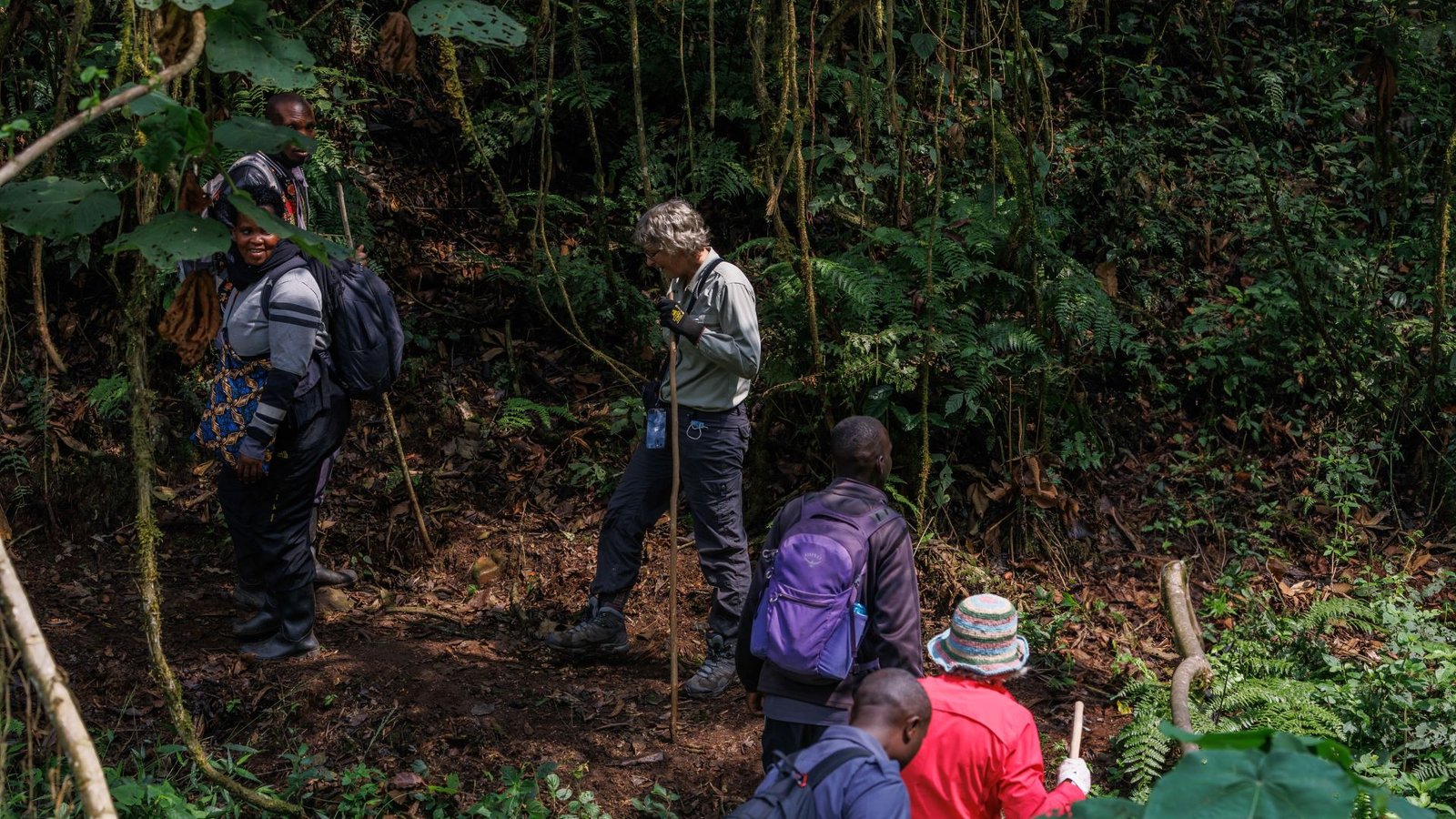
Africa’s mountain gorillas live only in the wild. You cannot see them in any zoo. This makes trekking to their natural habitat a rare and unforgettable experience. The best places to see these majestic animals are the dense, mountainous forests of Rwanda and Uganda.
Rwanda’s Volcanoes National Park offers the most accessible trekking, with easy trekking trails and luxury lodges, perfect for travelers short on time.
Uganda’s Bwindi Impenetrable National Park, home to half of the world’s mountain gorillas, offers a more immersive and adventurous experience, while Mgahinga Gorilla National Park provides a quieter alternative with stunning scenery and fewer visitors. For the adventurous, Virunga National Park in the Democratic Republic of Congo offers a rugged, off-the-beaten-path trek when open, though it is important to check with a safari expert before planning a visit.
Each gorilla trekking destination has its own appeal: Rwanda combines comfort and convenience, Uganda delivers a deep rainforest adventure at a reasonable cost, and the Democratic Republic of Congo offers a thrilling, remote wilderness experience.
Gorilla Trekking Duration
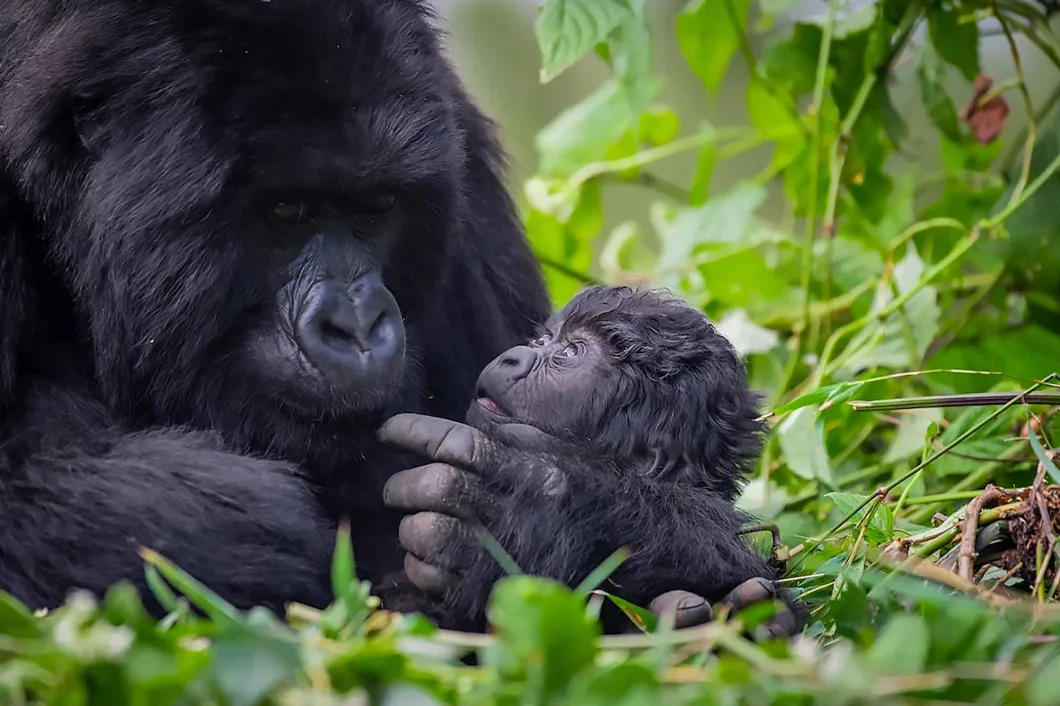
Gorilla trekking time varies, but you should expect to hike for 2–6 hours through the rainforest before finding the gorillas. Once you reach them, you spend a magical one hour with the family. Most treks begin with a morning briefing around 8 AM and finish by midday or early afternoon. The length of your hike depends on where the gorillas moved overnight, the terrain, and your level of physical fitness. Some treks are short and gentle, while others can be tough and last most of the day.
Weather
Mountain gorilla trekking takes place at high altitudes in rainforest zones that receive heavy rainfall each year, often more than 1,500–2,000 mm. The weather changes very fast. It can be warm and clear one moment, then turn cold with sudden, strong rain the next. Because many trekking areas lie between 2,200 and 3,000 meters above sea level, temperatures can drop quickly, especially during rain, early mornings and evenings. Always be ready for rapid weather shifts.

Physical Fitness for Gorilla Trekking
Good fitness makes gorilla trekking easier, but you do not need extreme strength or training to enjoy the experience. Trekkers are placed into groups based on age and general fitness. The least fit visitors are usually given the gorilla family closest to the starting point.
Fitter or younger trekkers may be assigned to gorilla families that are farther away. Guides are very experienced and watch how everyone is coping.
They stop often so you can rest, drink water, enjoy the view, or eat a snack. Packed lunches often include water, nuts, fruit, chocolate, sandwiches, muffins, or local treats like a cold “rolex” omelette wrap. Wear strong hiking shoes and carry a walking stick, which is offered before the trek.
If you worry about your fitness, it helps to understand how the system works. In Uganda’s Bwindi Impenetrable National Park, permits are linked to one of four trekking sectors.
Buhoma and Ruhija usually offer easier walks than Rushaga and Nkuringo, although this can change. Each gorilla family has its own territory, and some are easier to reach. Your guide can speak with park rangers on the day to try to assign you a more accessible group when possible.
Trekking in Rwanda’s Volcanoes National Park and Uganda’s Mgahinga Gorilla National Park is often a bit easier than in Bwindi, though this is not guaranteed. Higher altitudes can still make the hike challenging, especially for visitors coming from sea level.
Volcanoes National Park has one trekking center, and groups are assigned on the day. Mgahinga has only one gorilla family, so all trekkers visit the same group.
Dry season offers the easiest trekking conditions. In the wet season, mud makes the trails slippery and the hike more demanding.
Chances of seeing gorillas
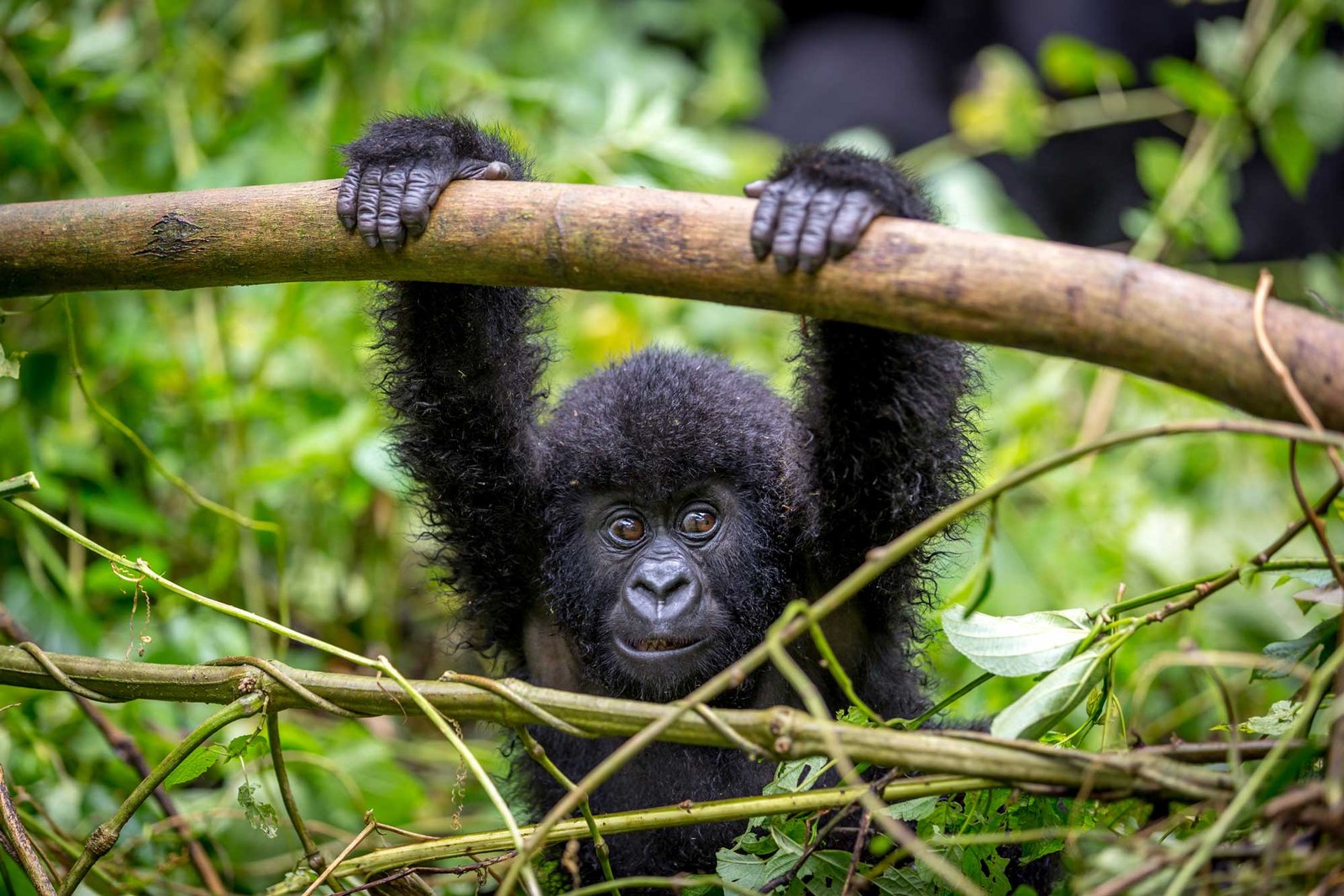
Your chances of seeing mountain gorillas are extremely high. Because researchers and trackers monitor the gorilla families every day, guides usually know where each group last moved. This gives visitors about a 99% chance of finding them. Of course, there are no guarantees with wild animals and an overnight thunderstorm or an unexpected encounter with a predator may cause a troop to move unexpectedly in a completely different direction, but it’s likely that scouts will pick up their trail again soon. It is very seldom that travellers don’t find the apes during a gorilla trekking tour.
Local Porters
Using a local porter during your gorilla trek is strongly encouraged, even if you feel fit enough to handle the hike on your own. For about USD 20, you support families in nearby villages and help create real jobs in conservation. Many porters were once poachers, and without steady work they may return to hunting or capturing gorillas for the illegal wildlife trade.
Poaching can be tempting for people with few ways to earn an income, so choosing to hire a porter helps protect the gorillas. The small fee for you is a meaningful salary for them. One job in Africa often supports seven to nine people, so your choice has a wide impact. Successful conservation depends on involving local communities, and hiring porters is one of the best ways to help.
Gorilla Trekking for Disabled People
Disabled travellers can also enjoy gorilla trekking in Uganda and Rwanda. Special sedan chairs, sometimes called African helicopter chairs, and stretchers carried by trained porters make it possible to reach the gorillas even on steep or uneven terrain. These services must be booked early through a specialist tour operator so that the right team and equipment can be arranged. The cost is usually between USD 300 and 500 for the chair and porters. Bwindi Impenetrable National Park is often preferred because it offers good support and accessible trekking options.
You may also like; can people with disabilities go gorilla trekking?
Safety On a Gorilla Trek
Mountain gorillas are large and powerful, but they are gentle, intelligent, and social animals. They live in close-knit family groups and follow calm routines. Encounters with gorillas are generally safe, and serious incidents are extremely rare. However, it is essential to listen carefully to the safety briefing before your trek. Always follow your guide’s instructions, especially if a gorilla comes near. The main risk during trekking is slipping or twisting an ankle on wet, uneven trails. Wearing sturdy, well-broken-in hiking boots is crucial for your safety and comfort throughout the hike.
Gorilla Trekking Rules

Group Size
Gorilla trekking groups are limited to a maximum of eight visitors per habituated gorilla family each day. This rule is vital for conserving these endangered animals. Smaller groups reduce the risk of disease transmission, as gorillas share about 98% of their DNA with humans and are vulnerable to colds and flu. They also minimize stress and disruption, allowing gorillas to maintain natural behaviors like feeding, grooming, and playing. For visitors, smaller groups create a more intimate experience with better photo opportunities and closer guidance. Additionally, having fewer people protects the fragile forest environment and makes it easier to move safely through dense vegetation.
Feeling sick?
As gorillas share about 98% of their DNA with humans, they highly vulnerable to illnesses like the flu or common cold. If you feel unwell on the day of your trek, inform your guide or park staff immediately. They may ask you to skip the trek to protect the gorillas, as exposure to disease could be catastrophic for the population. While near gorillas, always cover your mouth and nose with a cloth if you need to cough or sneeze, and wear a face mask as required to keep both you and the gorillas safe.
Distance Rule
Visitors must keep a minimum distance of 7 meters (23 feet) from the gorillas. This protects both the gorillas from human diseases and your own safety. Before the trek, you will receive a full briefing on how to behave around the gorillas. Your guide will show you where to stand during the sighting. Gorillas may not always follow the rules and can approach closer than expected. If this happens, your guide will usually ask you to step back. In dense vegetation where stepping back is not possible, you will be instructed to crouch down and avert your gaze until the gorilla moves away.
Photography
Flash photography is strictly prohibited when photographing gorillas. Sudden bright light can startle and stress them, disrupt their natural behavior, and even provoke aggressive reactions, putting both gorillas and visitors at risk. To capture great photos safely, use fast lenses, high ISO settings, and rely on natural light. Large lenses are often impractical in the dense forest, so it’s best to carry a general-purpose lens. Keep a dry cloth handy to wipe your lens of dew or rain, and always respect the gorillas while taking pictures.
Age Limit for Gorilla Trekking
The minimum age for gorilla trekking in Rwanda, Uganda, and Congo is 15 years.
This rule is in place for several reasons. Children may struggle to stay calm if a gorilla mock charges. While such charges are rare, a 200-kilogram silverback may react if it feels threatened, and children could panic, scream, or run—actions that can provoke the gorilla to give chase.
Young trekkers also face health risks, as their developing immune systems are more vulnerable to contagious diseases like the flu, which can be fatal to gorillas. Limited stamina may also make it difficult for children to complete steep, challenging treks, such as those in Rwanda’s Volcanoes National Park or Uganda’s Bwindi Impenetrable Forest.
Adults are generally better prepared to handle muddy trails, insects, thick forests, and steep slopes. Families traveling with younger children should consider lodges with childminding services, kids’ programs, or safe, child-friendly forest walks to ensure a secure and enjoyable experience.
Toilet In Gorilla Parks
It is important to use the bathroom before starting your gorilla trek. If you need to go during the hike, you must dig a deep hole to bury waste and refill it afterward. Your guide can provide a machete for this purpose, but you should bring your own toilet paper. Following this practice helps keep the forest clean and protects the fragile environment where gorillas live.
Planning Your gorilla Trip
Gorilla Trekking Permit Costs
Gorilla trekking is a premium wildlife experience, and permits reflect its value.
For foreign nonresidents, permits currently cost USD 800 in Uganda and USD 1,500 in Rwanda, while local citizens and residents pay lower rates.
These fees cover only the trekking permit and not other safari expenses.
Each visit allows up to one hour with a gorilla troop, and group sizes are limited to eight people for safety and conservation. In Bwindi, there is an additional “gorilla habituation” experience, where visitors track a semi-habituated troop in smaller groups of four. This special trek allows up to four hours with the gorillas, who are not fully accustomed to human presence and tend to keep their distance. The cost for this extended experience is USD 1,500.
Best Time to Go
Uganda and Rwanda share a similar climate, and gorilla trekking is possible year-round. However, the best time to visit is during the two dry seasons: mid-December to the end of February, and early June to late September. Trekking during these periods is more comfortable, with less rain and slightly firmer trails, though the forests remain humid and muddy. Be sure to bring gaiters and suitable waterproof gear to navigate the wet conditions safely.
What to Pack for Gorilla Trekking?
For a comfortable gorilla trek, pack water, snacks, and lunch—many lodges can provide these. Bring several layers of clothing, including a warm top, long-sleeved shirt, and long pants. A wide-brimmed hat, sturdy hiking shoes or boots, and a towel are essential.
Don’t forget insect repellent and equipment like binoculars, cameras, and lenses. Use a daypack to carry your items and include a few waterproof bags to protect gear from rain and humidity. A surgical mask is required when you are near the gorillas to protect them from human illnesses.
Booking
Gorilla permits are limited and in high demand, particularly during peak seasons. To secure your spot, it is essential to book several months in advance through official wildlife authorities or a trusted tour operator. Early booking ensures availability and a smoother planning experience for your trek.
You may also like; how to combine gorilla trekking with a Tanzania safari?
Suggested Itineraries
Greenway nature tours
We are a fully licensed tour company accredited by the Uganda Tourism Board. We design and operate safaris in Uganda and East Africa. Our operations are based in Kampala, Uganda, the heart of our safari planning and coordination. Though our company was officially established in 2025, our team brings deep, hands-on knowledge of East Africa.
Destinations
Favourite Tours
Help & Info
- About us
- Travel Blog
- Travel FAQS
- Gorilla Permits Bookings
- Contact Us
- Pay Online