
Get help during gorilla trekking – make use of porters
We often get asked: do I really need a porter during gorilla trekking? Many travelers visiting gorillas in Uganda and Rwanda prefer to do everything themselves. They carry their own bags. They hesitate to accept help. It may be a Western mindset, but here in Africa, things work differently. During gorilla trekking and similar activities, hiring a porter is highly recommended. A porter walks beside you. They carry your bag. They help you through mud, steep slopes, and slippery trails.
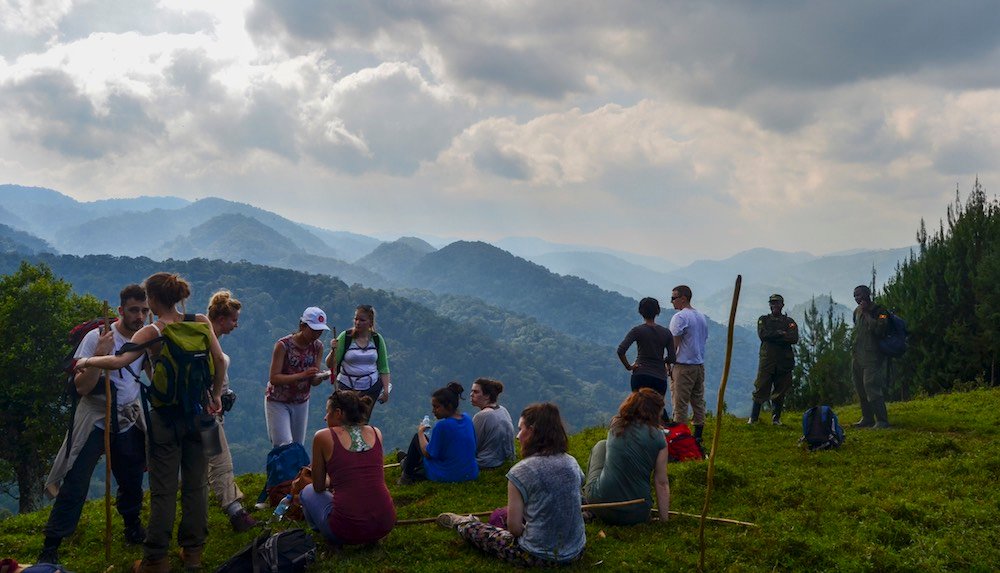
Sometimes, their support is exactly what you need. And there is more to it. By hiring a porter, you support the local community in a direct way. It creates jobs. It provides income. It makes a real difference in people’s lives. So, while a porter helps you, you are also helping others. How exactly does it work? We explain it below.
Don't feel bad, always hire a porter
As we mentioned: a porter is a porter. Someone who helps you during your activity.
Before you begin your gorilla trekking adventure, the ranger will ask if you would like to hire one (it usually costs USD $20). Many visitors think they don’t need a porter. But a few kilometers into the hike, that often changes. Carrying your gear through steep, muddy and slippery terrain can sometimes make the trek much more challenging than expected.
Many tourists think they don’t need a porter. Until they are a few kilometers into their hike.
Besides the fact that you simply need a porter, there are many other good reasons to hire a porter. We have listed four reasons for you:
1. You create jobs
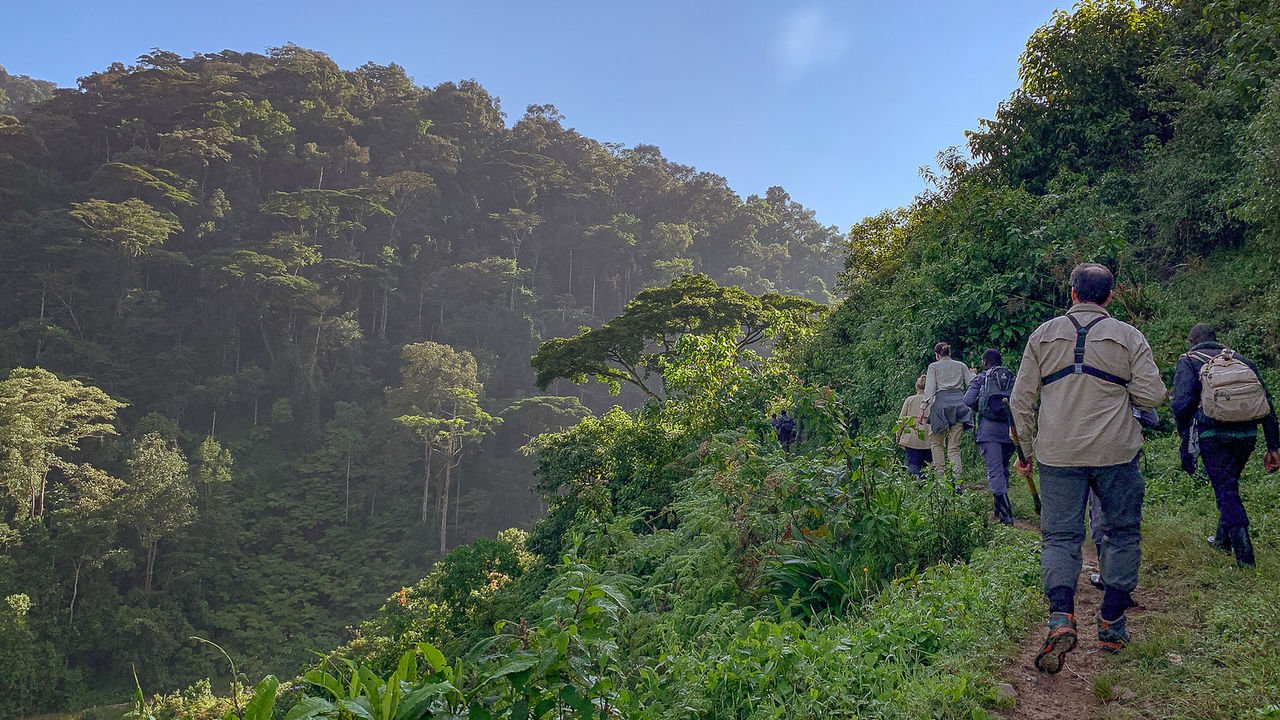
People live in the places where you conduct your mountain gorilla trekking adventures. Because these are protected nature reserves, local communities have limited access to the land and its resources. The Wildlife Authorities gives people from these communities a chance to benefit from tourism by allowing them to work as porters.
These porters arrive at the starting point of the trek early in the morning, hoping that someone like you will hire them. If no one does, they simply walk back to the village without earning anything that day. By hiring a porter, you are directly helping to create jobs.
There are so many people near the gorilla parks of Uganda and Rwanda, so many hands that can and want to help—it is good to make use of that.
2. You protect nature
You come to Uganda or Rwanda to see nature and wildlife. But for this beauty to be protected long-term, local communities must also benefit from it. Conservation only works when people see real value in preserving what surrounds them.
Think about it. Tourists travel to your country to see wild animals. Meanwhile, your crops are being eaten by elephants. How much can you still accept that nature must be protected in that situation? There is always a limit to what you can accept.
You can view porters as ambassadors. The Wildlife Authorities in Uganda and Rwanda takes porters along and shows them why nature and wildlife are so special, and why people travel to their countries for them. They show what it can yield for the country if it is well protected. Without this understanding, without the involvement of local people, it becomes really very hard to protect these natural areas.
3. You help people build a career
Some of the people who work today as rangers once started as porters.
A love for nature often begins with simple exposure at a young age. Working as a porter can be the first step toward new opportunities. If you show effort and stand out, rangers may recommend you when applying for a role with the Wildlife Authority.
Porters also have the chance to build strong networks. Some think ahead: if they become skilled bird guides and connect with the right people, a tour operator may one day hire them as professional guides. These small steps can lead to real careers over time.
In short, working as a porter opens doors. It connects people from the local community to opportunities they might never have had otherwise.
4. You come into contact with locals
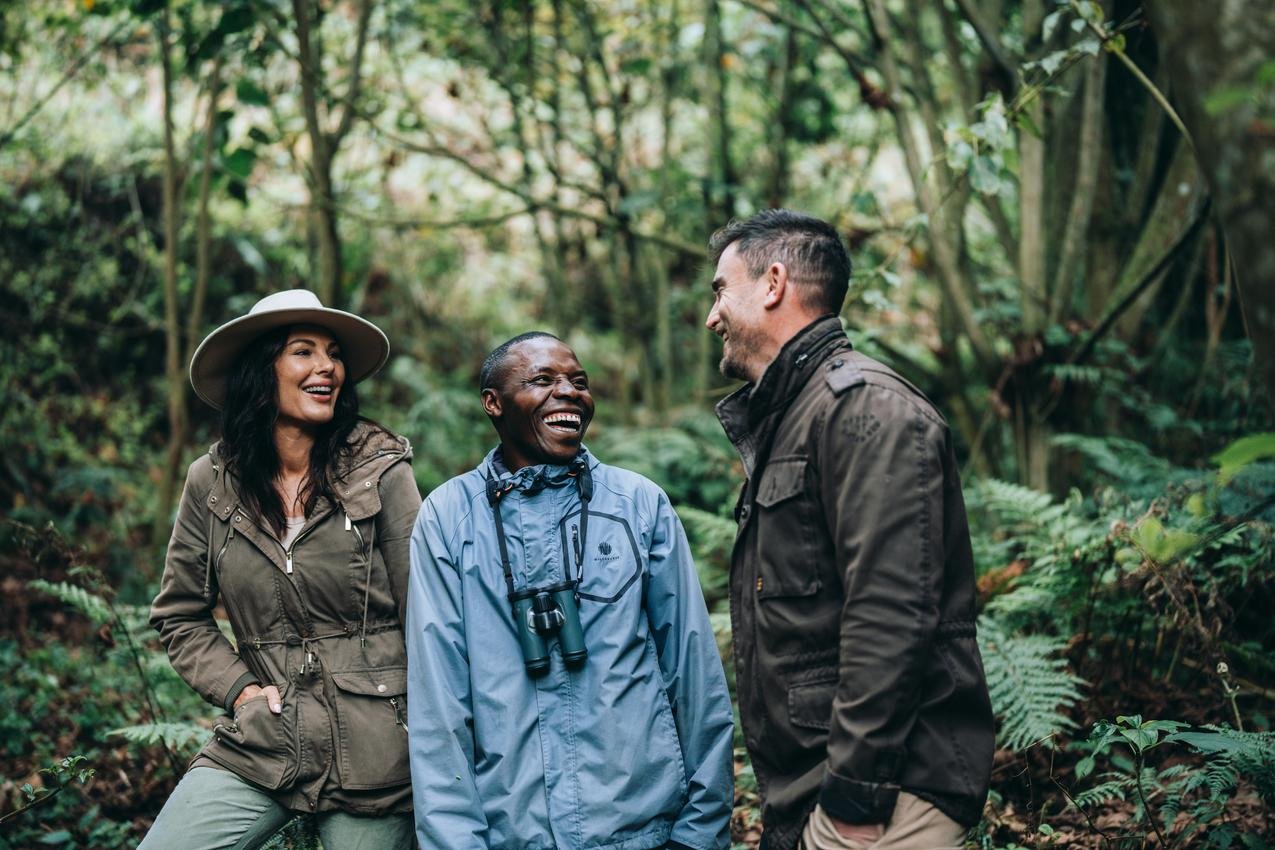
Not every porter speaks English very well, but that doesn’t matter. It still becomes a fun and natural way to connect. You communicate with simple words, smiles, and even gestures when needed. Along the way, you learn more about daily life in the community. You share laughs. You enjoy the moment together.
Your porter helps you through mud, gives you a push on steep paths, and supports you when it gets tough. These small moments create real connection. They turn your trek into something more personal, warm, and unforgettable.
You learn more about the lives of people in the area. You laugh together. You have fun.
Want to read more in preparation for your trip to East Africa? We write a blog a few times a week so you know what to expect.
Safaris In East Africa
Africa Safaris
Safaris By Type
Top Safari Parks
Help & Info
- About us
- Travel Blog
- Travel FAQS
- Gorilla Permits Bookings
- Contact Us
- Pay Online