
Uganda Safari FAQs: Your Insider Travel Guide Beyond the Gorillas
Uganda is famous for its great gorilla trekking, but if that is all you do in Uganda, you will miss one of Africa’s most varied and beautiful places.
This small East African country fits many amazing experiences within its borders, from wide savannahs with tree-climbing lions, the powerful source of the world’s longest river, the world’s second largest freshwater lake, calm crater lakes, snow-capped mountains, and strong cultural traditions.
In this guide, we answer all your questions about enjoying Uganda safari beyond the forests – from planning your travel and choosing places to explore in Uganda, to learning about local culture and travelling in a respectful way.
Whether you want a romantic holiday, a family safari, or an action-packed adventure, a Uganda safari gives you unforgettable moments that go far beyond its famous primate encounters.
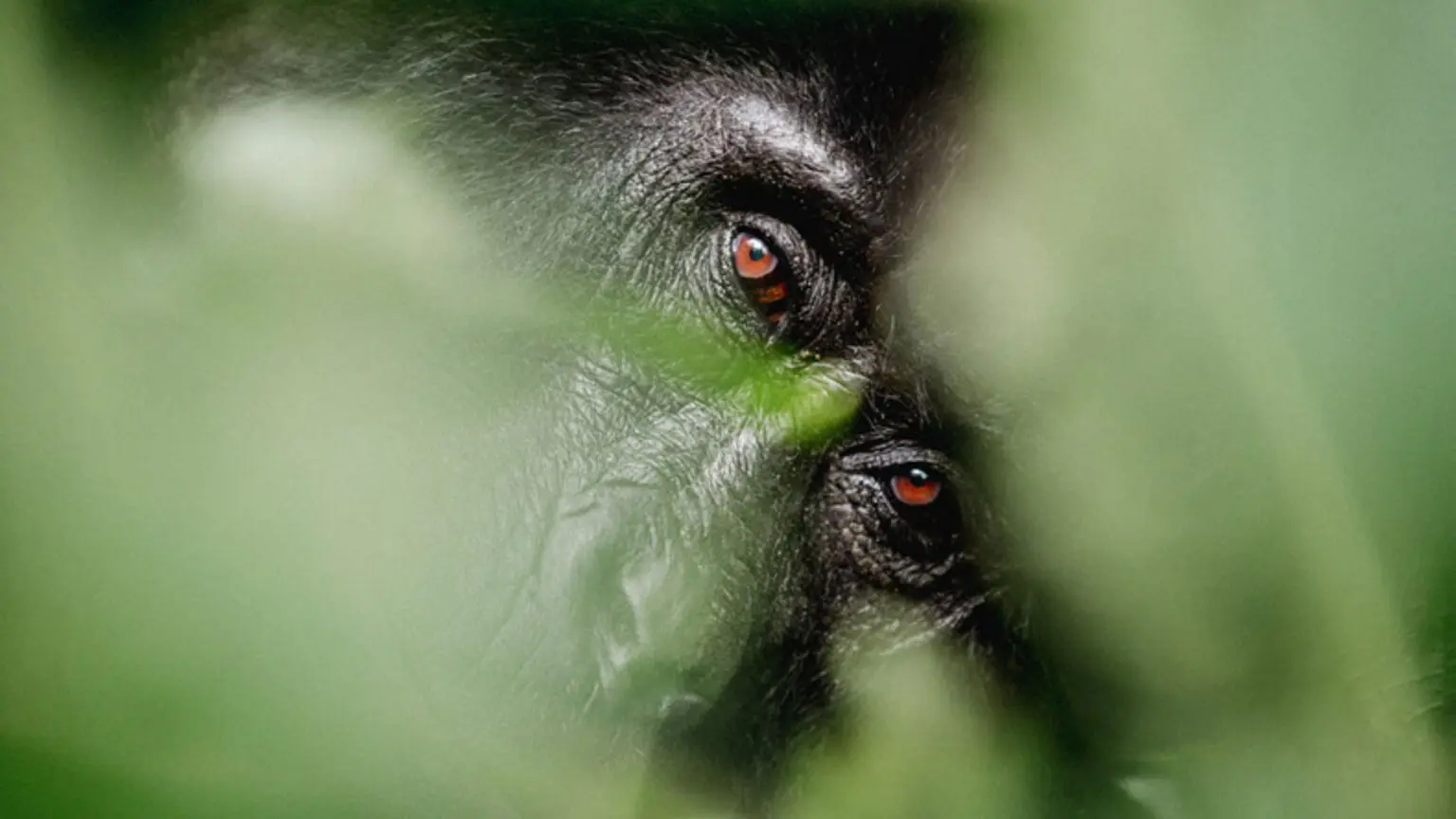
Who is A Uganda Safari Perfect For?
Couples & Honeymooners
Uganda gives couples wild places mixed with adventure and closeness. Private gorilla and chimpanzee trekking adventures, sunset boat cruises on the Nile and Lake Victoria, and eco-lodges on crater lakes shores or forest borders offer views and quiet spaces. The mix of exciting wildlife moments and gentle comfort, without big crowds, makes memories couples never forget.
Families And Multi-Generational Travellers
Queen Elizabeth and Murchison Falls National Parks offer friendly safaris with wildlife viewing experiences and easy boat trips along the Kazinga Channel and the Nile River that children enjoy. Conservation visits and cultural stops give many learning chances, while activities suit all ages and energy levels – from bird watching and calm walks to craft sessions with local makers.
Adventure Seekers
Uganda rewards active visitors with white water rafting on the Nile, bungee jumping into the Nile, multi-day treks to the snowcapped peaks of Rwenzori Mountains through wild areas, and tough gorilla tracking tour in thick misty rainforest jungles. This is not slow wildlife watching – it is riding rapids, biking crater lake hills, and moving through muddy paths while searching for primates.
Wildlife Enthusiasts & Photographers
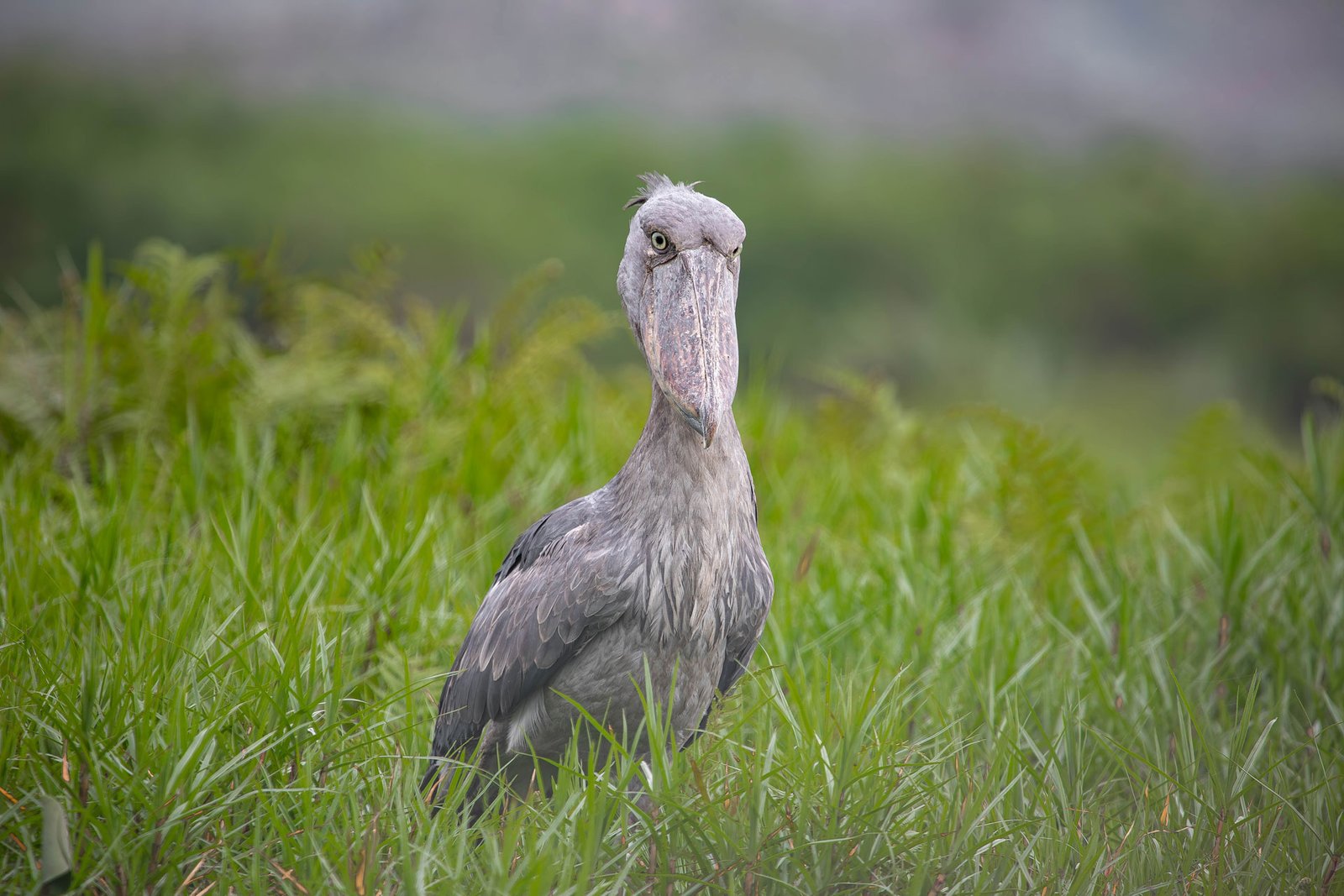
Beyond primates, Uganda has variety from the pre-historic looking shoebill birds to tree-climbing lions, plus excellent birding. Landscapes change from open savannah to mountains and loud waterfalls – giving many photo chances.
Conservation-Minded Travellers
Every guest with Greenway Nature Tours Africa can know that their trip helps support nature care and community projects. All the lodges with partner with focus on ongoing change and work in a fair and lasting way with local communities.
General Travel & Logistics
Entry Requirements & Visa Options
International travellers can get a Uganda e-Visa online before they arrive. A single-entry tourist visa is usually valid for 90 days and cost USD50. The online application is simple and should be done at least three days before you leave, although applying about two weeks early is the safest option.
If you plan to visit more than one East African country, the East Africa Tourist Visa which cost USD 100 is great value. This one visa lets you enter Uganda, Kenya, and Rwanda for 90 days and move freely between the three countries.
Standard passport rules apply: your passport must be valid for six months beyond your travel dates and have at least two blank pages. A yellow fever vaccination is required for entry, and officials often ask to see the certificate, so keep it easily accessible.
Best Time to Visit & Climate Overview
Uganda sits on the equator, so temperatures stay comfortable throughout the year. The country has two dry seasons and two wet seasons, each bringing different benefits.
The dry seasons (December–February and June–September) offer steady weather that is excellent for wildlife viewing and mountain trekking. Roads are usually in better shape, trails are less muddy, and animals gather around water sources, making them easier to find. These months are the peak travel period, especially July and August.
The wet seasons (March–May and October–November) still have plenty to offer. While rain is expected, it brings bright green landscapes, fantastic birdwatching with migratory species, and fewer tourists. However, some areas may be harder to reach because road conditions can worsen.
For more detailed month-by-month advice and activity planning, see our full guide on the best time to visit Uganda.
Flights, Transfers & Getting There
Entebbe International Airport is Uganda’s main entry point. It sits about 40 km from Kampala on the shores of Lake Victoria. Most visitors arrive through major connecting cities like Nairobi, Addis Ababa, or Kigali, all of which offer several daily flights.
Inside Uganda, travel options depend on where you are going and how you prefer to move around. Light aircraft flights connect Entebbe with airstrips near popular national parks, cutting long drives down to scenic flights of about 90 minutes.
Road transfers offer a different kind of reward. Driving lets you experience Uganda more closely: terraced hills, lively villages, colourful roadside markets, and ever-changing landscapes.
For travellers wanting maximum freedom and a seamless experience across multiple East African destinations, our 21 Day East Africa Safari offers smooth logistics, expert guidance, and carefully connected routes.
Typical Travel Times & Route Highlights
Understanding drive times helps you plan realistic routes. From Entebbe, you can expect roughly:
- Kampala: 45 minutes to 1.5 hours, depending on traffic
- Lake Mburo National Park: About 4 hours through pretty farmland
- Queen Elizabeth National Park: Around 7 hours with wide rural scenery
- Murchison Falls National Park: 6 to 7 hours
- Kibale National Park: 5 to 6 hours
- Bwindi Impenetrable Forest: 8 to 9 hours, usually broken with a night at Lake Mburo
- Murchison Falls National Park: 5 to 6 hours northwest
- Jinja (source of the Nile): Around 2 hours east on good tarmac roads
The journey to Bwindi shows Uganda’s full range of landscapes. Leaving Entebbe’s lakeshore, you move into open savannah near Lake Mburo—perfect for a short game drive—then climb through terraced hills where farmers work steep slopes. Finally, you drop into cool, misty mountains covered in ancient rainforest. Each hour of the drive brings a completely different view.
Destinations & Activities Beyond Primate Tourism
Queen Elizabeth & Murchison Falls Parks
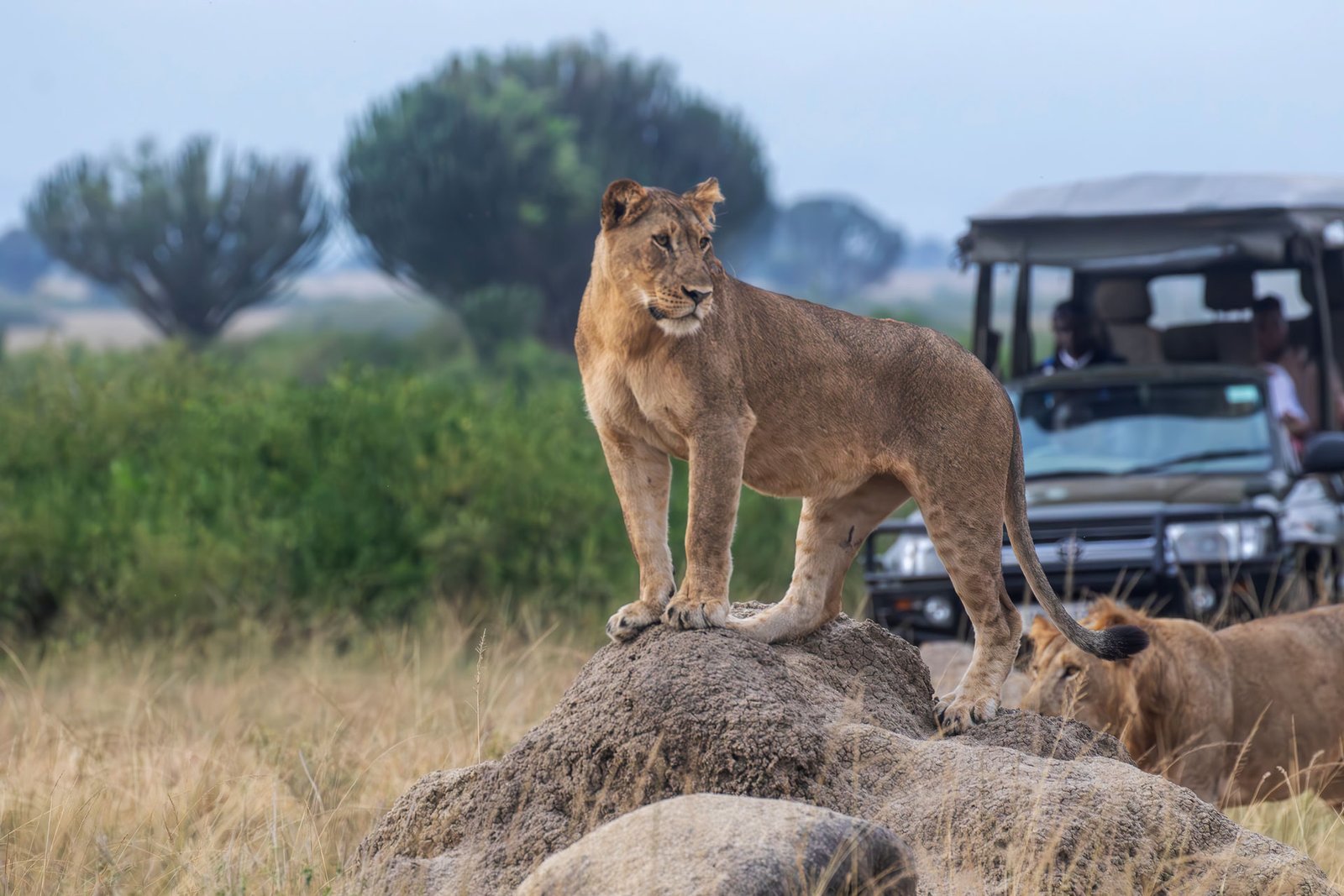
Queen Elizabeth National Park offers classic African safari moments with a clear Ugandan feel. Its most famous animals are the tree-climbing lions — a rare behaviour seen in only a few places on Earth.
You’ll also find elephants, buffalo, hippos, and many antelope species. The 32-kilometre Kazinga Channel, which links Lake Edward and Lake George, holds one of Africa’s largest hippo populations. Boat trips along the channel reveal elephants drinking at the shoreline, crocodiles warming themselves on muddy banks, and colourful, abundant birdlife.
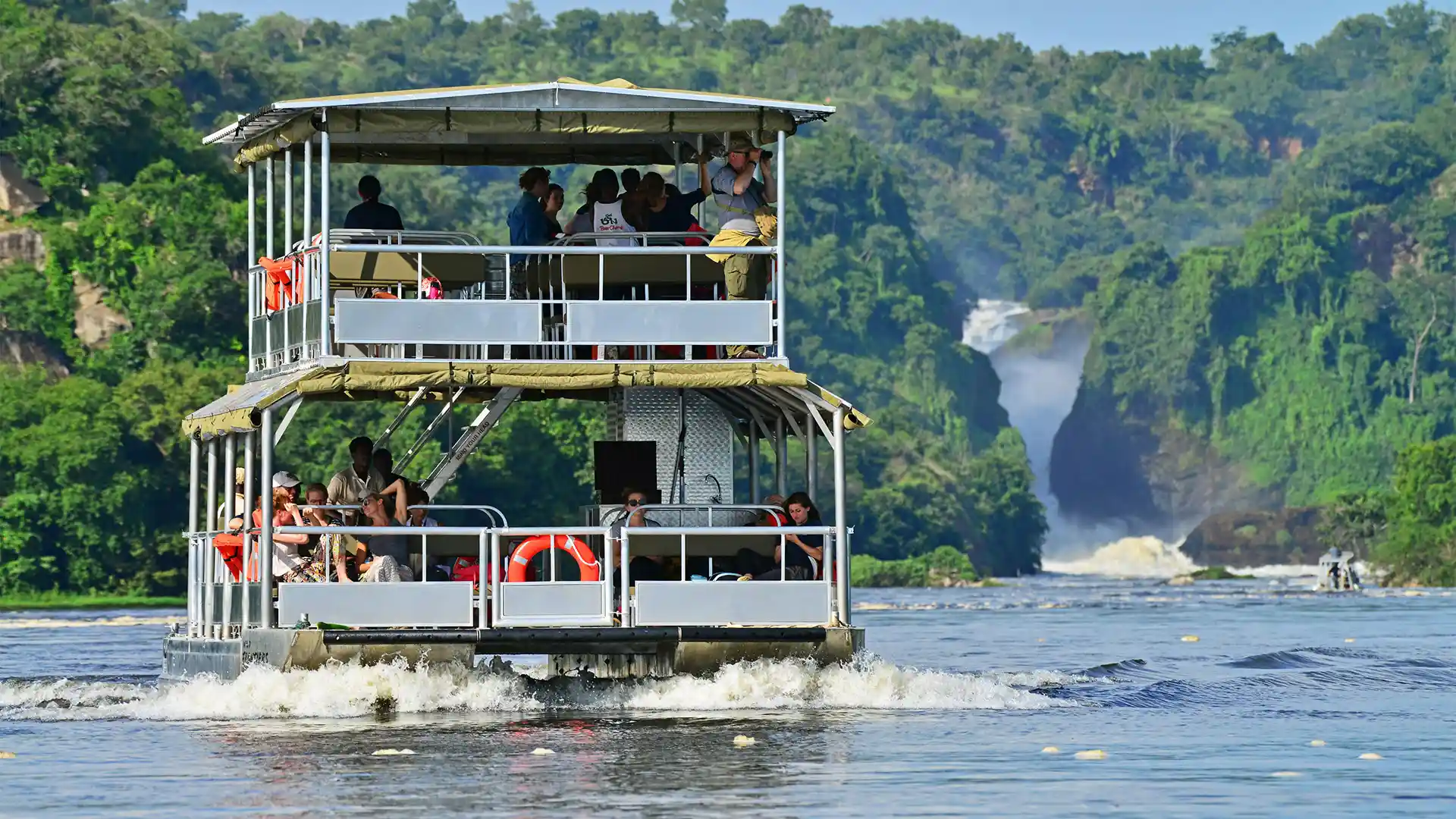
Murchison Falls National Park, Uganda’s biggest protected area, is centred around the Nile squeezing through a seven-metre gap in the rocks before dropping 43 metres in a powerful waterfall. Boat rides and game drives here offer chances to see giraffes, lions, and large elephant groups.
Birding Hotspots & Rare Species
Uganda is one of the world’s top birding destinations, with over 1,080 recorded species — more than half of Africa’s total — packed into a country the size of Oregon. Wetlands lined with papyrus, mountain forests, and open savannahs create incredible habitat diversity.
The shoebill stork is one of the most treasured species. These striking, solitary birds live in the swamps of Mabamba Wetland near Entebbe and in the delta at Murchison Falls.
Other highlights include the rare green-breasted pitta in Kibale Forest and many beautiful kingfisher species along rivers and lakes all over Uganda. Even visitors who are not birders often become fascinated by the sheer variety. Dedicated birders planning their Uganda birding safaris are very well rewarded.
Entebbe & Kampala Highlights
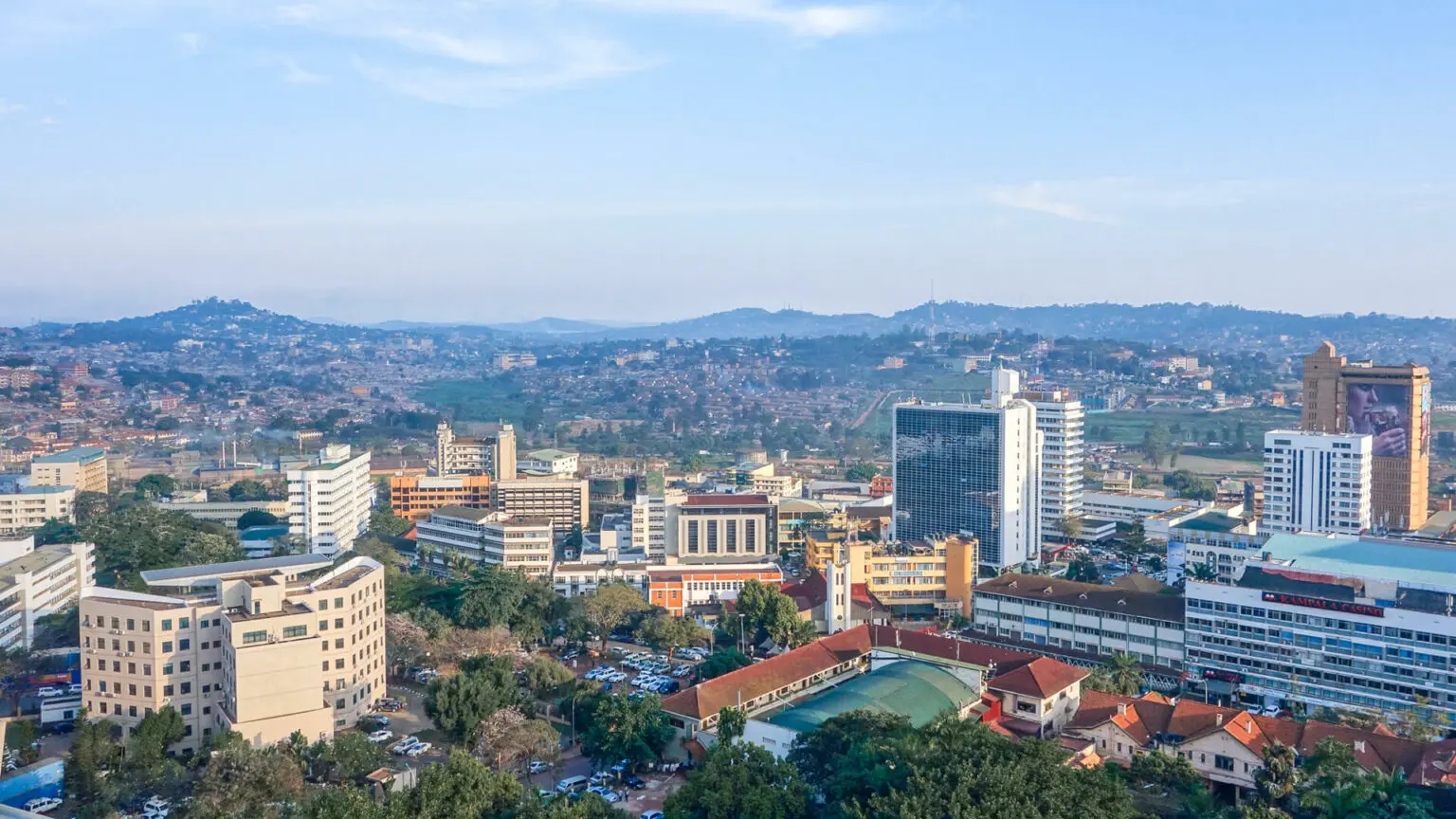
Although many travellers pass quickly through Uganda’s cities, both Kampala and Entebbe offer rich cultural and historical experiences.
Entebbe, sitting on Lake Victoria’s edge, has a peaceful, garden-like feel. The Uganda Wildlife Education Centre provides valuable conservation education, while the botanical gardens offer quiet lakeside walks among tropical plants. Keep an eye out for monkeys in the trees and monitor lizards basking on the paths.
Kampala, the lively capital, spreads across its famous seven hills. The Kasubi Tombs — a UNESCO World Heritage Site — hold the burial grounds of Buganda kings and explain important spiritual traditions. Markets like Owino and Nakasero are full of crafts, textiles, and fresh produce. The National Museum shares insights into Uganda’s archaeology, traditional culture, and natural history.
A sunset cruise on Lake Victoria from either city is a relaxing way to see local fishing life, waterfront views, and beautiful golden colours over Africa’s largest lake.
Mountain & Wilderness Escapes
The Rwenzori Mountains — the legendary “Mountains of the Moon” — rise along the western border, with their highest peaks covered in equatorial glaciers. Multi-day treks through this UNESCO World Heritage Site take you through magical landscapes: mossy forests, bamboo zones, heather-covered hillsides, and alpine meadows filled with giant lobelias. Skilled hikers can attempt Margherita Peak (5,109 metres), while lower routes offer breathtaking scenery without technical climbing.
Jinja marks the start of the Nile’s long journey to the Mediterranean. This riverside town is now East Africa’s adventure hub, famous for top-level white-water rafting, kayaking, stand-up paddleboarding, bungee jumping, and boat trips.
In the western region, the Great Rift Valley has carved dramatic shapes into the land. Near Fort Portal, crater lakes fill deep basins between steep, green crater walls. These clear, mineral-rich lakes are perfect for swimming, kayaking, and relaxing in one of Uganda’s most beautiful natural settings.
Culture, Food, & Language
Hospitality and Local Etiquette
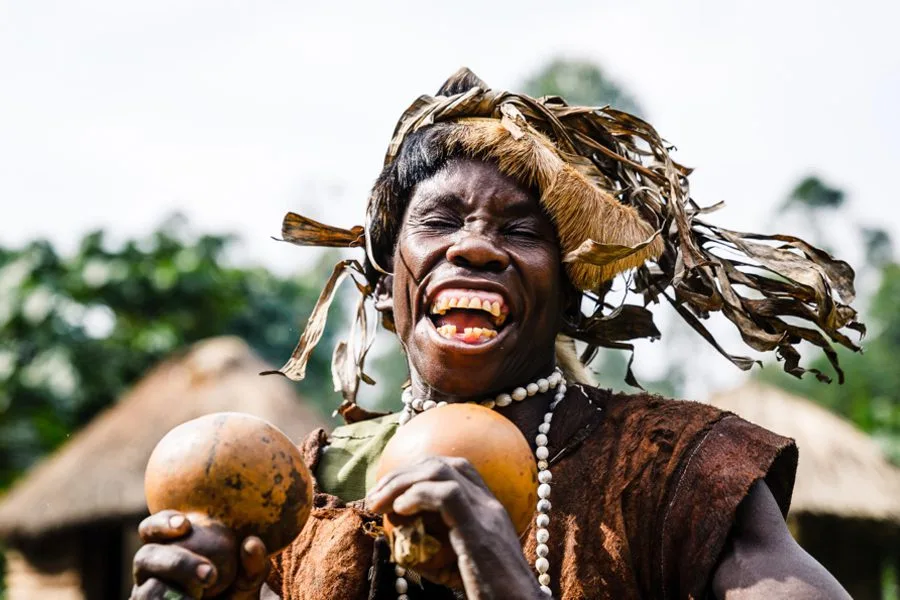
Ugandans are often described as some of Africa’s friendliest and most welcoming people. Hospitality is not just a tourism phrase here — it reflects true cultural values, and you will feel it everywhere, from small villages to busy cities.
Knowing a bit of local etiquette helps you connect more deeply. It is normal to greet people, even during quick interactions, with a warm “Hello, how are you?” When greeting elders or meeting people in rural areas, a small bow or curtsy is a polite sign of respect.
Photography requires care. Always ask before taking someone’s photo, especially in rural communities. Avoid photographing military sites, government buildings, and airports.
Tipping is not required, but it is appreciated when you receive good service.
Culinary Highlights
Ugandan food is hearty, comforting, and closely tied to the country’s farming traditions. Matoke (steamed green bananas) is the national staple — similar to a soft potato and served with sauces and stews.
Groundnut (peanut) sauce appears in many meals, covering vegetables, meat, or fish in a creamy, slightly sweet flavour. Luwombo, a classic Buganda dish, is made by steaming chicken, beef, or fish with vegetables inside banana leaves, giving the food gentle herbal notes.
Uganda’s street food offers fun and tasty experiences. The famous rolex — a chapati rolled around eggs and vegetables — is quick and filling. Muchomo (grilled meat on skewers) cooks over open fires, while vendors sell fresh fruits like pineapple, mango, passion fruit, and jackfruit.
Language Tips & Useful Phrases
English and Swahili are Uganda’s official languages, so communication is usually easy for English speakers. Still, learning a few Luganda phrases shows respect and often delights locals:
• Hello: Nkulamisuzza (formal) / Ki kati (casual)
• How are you: Oli otya?
• I’m fine: Nddi bulungi
• Thank you: Weebale
• Yes: Ye
• No: Nedda
• Goodbye: Weraba
In rural areas, Swahili also works well:
• Hello: Jambo
• Thank you: Asante
• No problem: Hakuna matata
Perfect pronunciation is not important — the effort alone is warmly appreciated. People often respond with big smiles, help you learn more words, and enjoy the fun of trying languages together.
Adventure Activities in Uganda
White Water Rafting & Nile Rapids
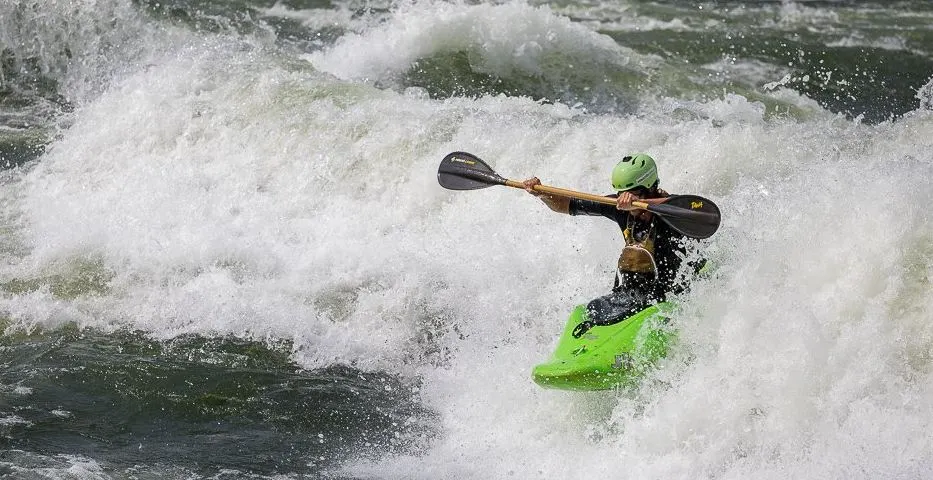
The upper Nile near Jinja delivers some of the world’s most exciting white-water rafting. Several companies run half-day and full-day trips through Grade III to V rapids with dramatic names like “The Bad Place,” “Vengeance,” and “Overtime.” These are powerful waters — expect churning rapids, strong waves, and the real possibility of falling out of your raft. The adrenaline rush is unforgettable.
Safety standards are high, with skilled guides, quality equipment, and detailed safety briefings. Both beginners and experienced rafters can find options that suit them.
Gentler adventures — such as kayaking and stand-up paddleboarding — take place on calmer parts of the river.
Boating Safaris
Boat-based wildlife viewing offers a peaceful way to see animals from a different angle. These safaris mix relaxation with excellent sightings.
In Queen Elizabeth National Park, the Kazinga Channel cruise is one of Uganda’s top wildlife activities. Two- to three-hour trips pass huge pods of hippos, elephants drinking along the shore, buffalo grazing by the water, and crocodiles resting in the shallows. Birdlife is colourful and constant, with kingfishers, herons, eagles, storks, and many more species.
At Murchison Falls, boat trips approach the mighty waterfall from below, giving a dramatic view of the Nile forcing its way through the narrow gap. In quieter river sections, you may see hippos yawning widely, crocodiles sunning on rocks, and elephants venturing into the water.
Lake Mburo National Park offers smaller, more personal boat outings, known for great birdwatching and relaxed hippo viewing.
Hiking in the Highlands & Mountains
Beyond the famous Rwenzori climbs, Uganda has many incredible hiking areas. The Virunga Volcanoes on the Rwanda border offer demanding full-day climbs with beautiful crater views. Mount Muhavura (4,127 metres) and Mount Gahinga pass through forests, bamboo, and volcanic slopes.
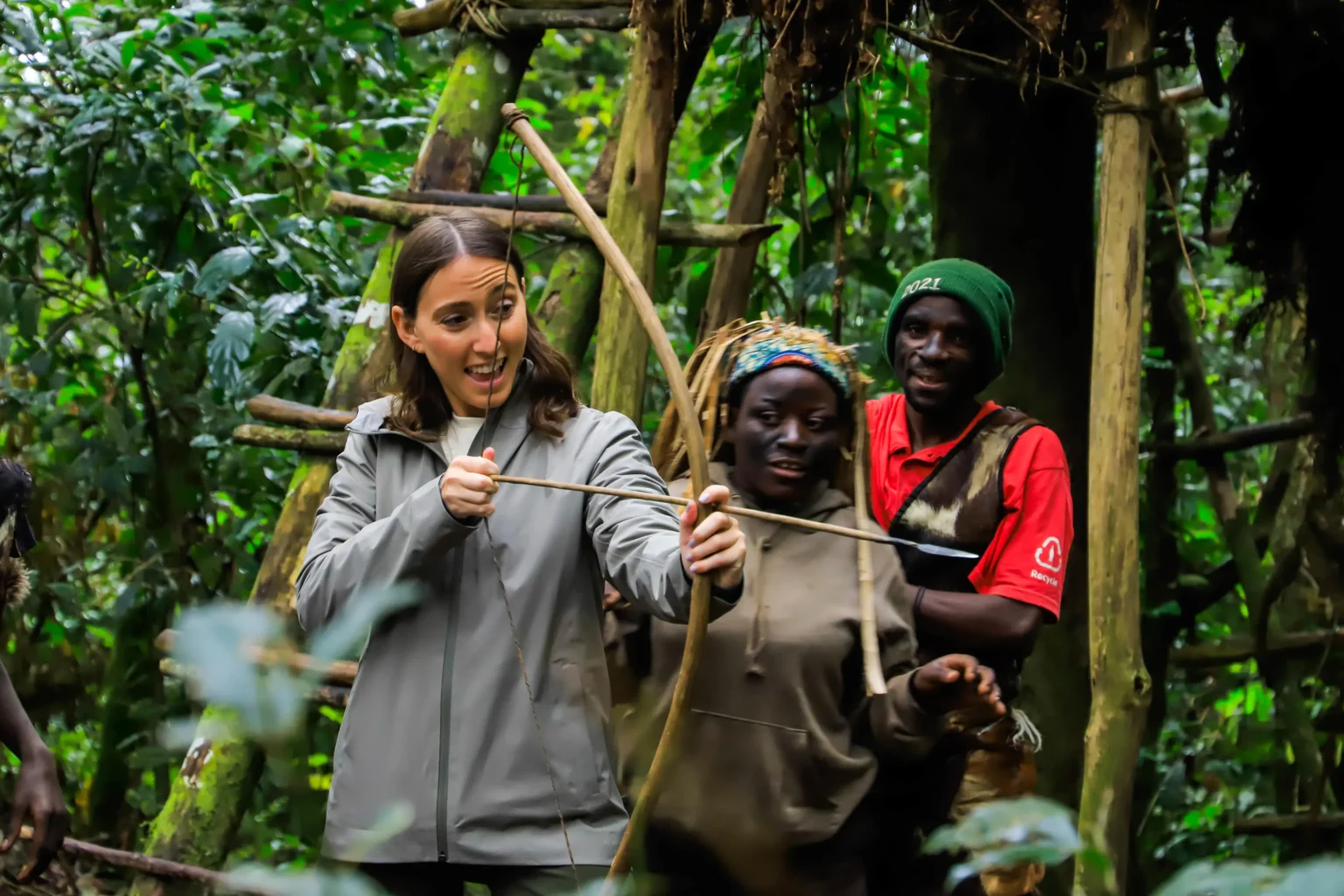
In Mgahinga Gorilla National Park, hiking routes pass through bamboo forests, volcanic craters, and historic caves once used by the Batwa people. These walks combine exercise with cultural and nature learning.
The Crater Lakes region near Fort Portal has gentler trails through rolling scenery dotted with deep blue lakes. Paths link several craters, climbing to viewpoints and descending to quiet waterside spots.
Even within national parks, guided nature walks reveal hidden details you miss from a vehicle — animal tracks, plant uses, insects, sounds, and slower, quieter wildlife moments.
Birdwatching & Nature Walks
Birdwatching in Uganda is excellent year-round, though different seasons bring different species. Guided bird walks with expert guides greatly increase sightings because they can identify calls and lead you to the right habitats.
Nature walks also go far beyond birds. Guides explain medicinal plants, point out insects, help you read animal tracks, and share ecological stories that help you understand how everything fits together. Walks range from easy strolls to long, adventurous routes.

Wildlife Cruises & Tracking Beyond Gorillas
Uganda’s wildlife is rich and varied far beyond gorillas and chimpanzees. Game drives in Queen Elizabeth, Murchison Falls, Lake Mburo, and Kidepo Valley reveal lions, elephants, buffalo, antelope species, warthogs, and sometimes leopards.
Chimpanzee tracking in Kibale Forest or Kyambura Gorge offers lively primate encounters. Chimps are energetic and noisy, swinging through trees and interacting with each other. Tracking them means walking through beautiful forest while guides use calls and signs to find habituated groups.
Night game drives add a different kind of excitement, revealing nocturnal animals like bush babies, hyenas, and sometimes hunting leopards.
Uganda Tours

Safaris By Type
Top Safari Parks
Help & Info
- About us
- Travel Blog
- Travel FAQS
- Gorilla Permits Bookings
- Contact Us
- Pay Online