
How Many Days You Need for An African Safari?
Planning a safari to Africa and wondering how long it should be? The ideal safari length depends on your interests, travel style, and budget—but for a truly rewarding experience, 5–7 days is the minimum recommended. This timeframe allows you to explore multiple parks, enjoy diverse wildlife encounters, and avoid feeling rushed. From our experience, the length of your safari has a direct impact on both wildlife sightings and overall satisfaction. This is especially true for travelers coming from far away, such as the USA, Europe, Asia, or Australia.

Longer stays increase your chances of witnessing rare species, dramatic predator interactions, and seasonal wildlife movements—moments that define a once-in-a-lifetime safari.
After years of designing and leading exceptional safari tours across Africa, we’ve analyzed what truly makes a wildlife adventure unforgettable. Factors like park selection, travel time between reserves, game-drive frequency, and time spent in each ecosystem all play a crucial role.
In this guide, we break down the ideal safari duration—from short introductory trips to immersive multi-week journeys—to help you maximize value, comfort, and wildlife viewing success.
Our recommendation
Drawing on our extensive safari expertise across Africa, we find that 7–10 days is the optimal safari length for most travellers. This timeframe strikes the perfect balance between depth, comfort, and wildlife immersion, allowing you to experience Africa at its natural pace.
A 7–10-day safari provides:
- Ample time to explore diverse ecosystems, from open savannahs to riverine forests
- A high likelihood of extraordinary wildlife encounters, including predators and rare species
- Flexibility for weather and wildlife movements, ensuring no day feels “missed”
- A relaxed, unhurried rhythm that reflects the true spirit of Africa
- Outstanding value for your investment, with richer experiences rather than rushed itineraries
Shorter safaris often leave guests dreaming of a return visit (not necessarily a bad thing!), while longer stays frequently deliver truly transformative moments—the kind that deepen your connection to nature and turn travellers into lifelong wildlife advocates.
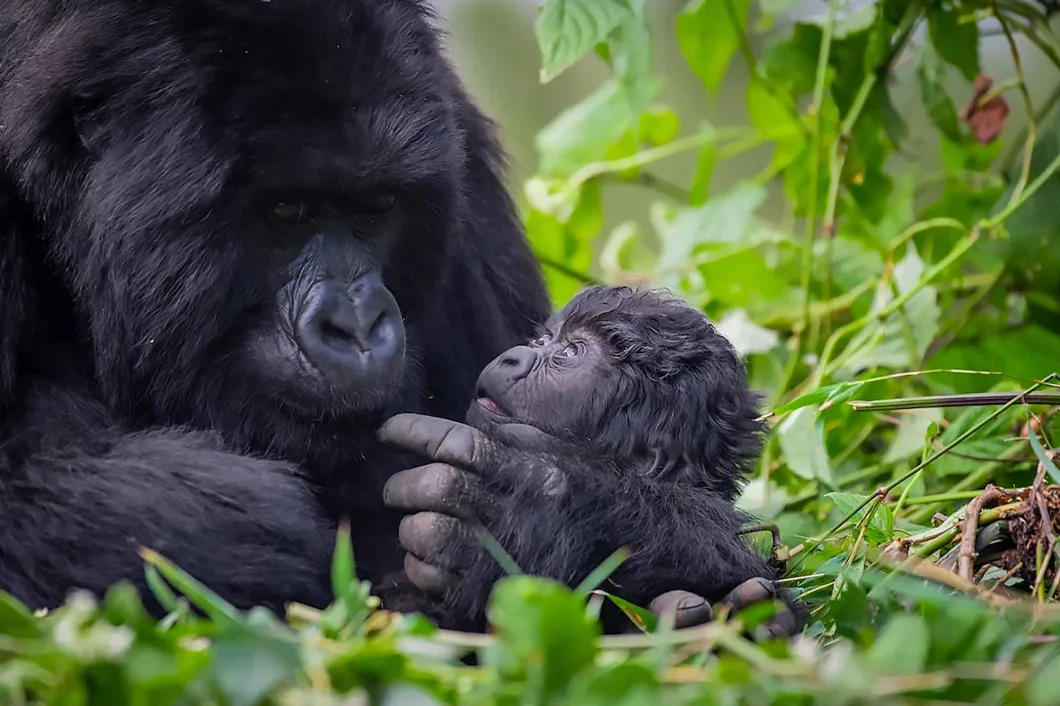
The science of safari length
After years of working with thousands of safari guests, we’ve learned that trip duration plays a crucial role in both the diversity of species encountered and the quality of wildlife experiences.
The longer you stay, the greater your chances of witnessing rare and unforgettable behaviours—such as predator hunts, dramatic mating displays, or iconic migration events. Many of these moments require hours of patience, and they simply can’t be rushed.
Adding a few extra days also unlocks more than just wildlife. It allows you to explore multiple destinations, adapt to changing conditions, and enjoy well-earned downtime between game drives. After all, what is a safari without a leisurely afternoon and an epic sundowner as the African sky turns gold? Here’s how safari length typically translates into experience:
- 3–4 days: A short introduction to safari life—ideal as an add-on to a longer trip for business, family visits, or other travel in Africa.
- 5–7 days: Significantly improves your chances of seeing the Big Five, along with a wide variety of plains game and birdlife.
- 7–10 days: The sweet spot—consistently delivers rich, well-rounded wildlife encounters across multiple ecosystems.
- 10+ days: Perfect for true wildlife enthusiasts seeking deep immersion, slower travel, and the most rewarding, transformative safari experiences.
In safari travel, time is your greatest ally. The more of it you have, the more Africa reveals.
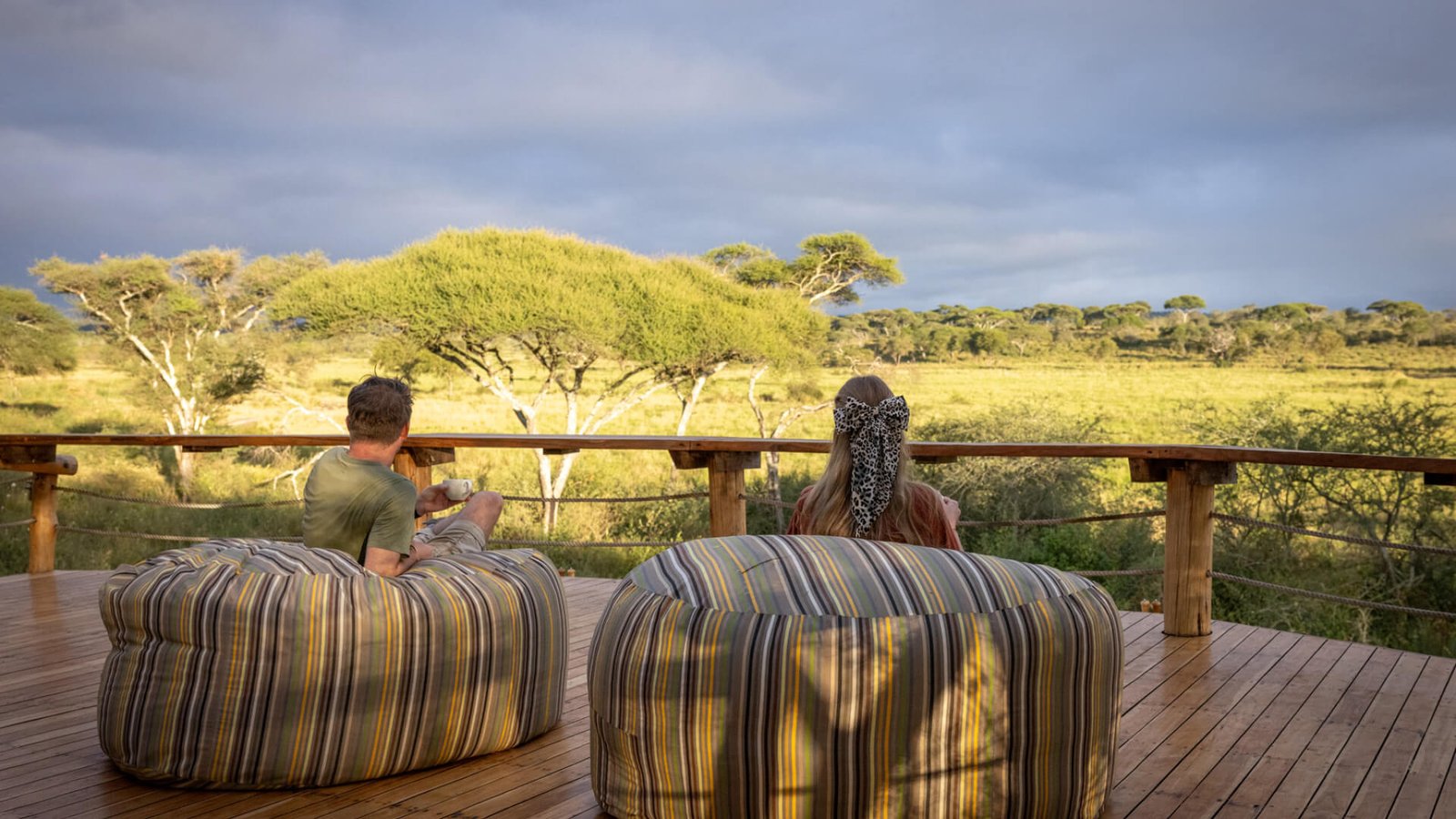
Short safaris (3–5 days)
Limitations: Rushed game drives, limited ecosystem exposure, and high dependence on weather and wildlife movements.
Value consideration: Higher per-day costs with a reduced probability of varied wildlife encounters. Best focused on a single park or reserve. Ideal for seeing the Big Five, tracking Mountain Gorillas or Chimpanzees, and enjoying a few quality game drives.
Popular destinations: Bwindi Impenetrable National Park (Uganda), Kibale National Park (Uganda), Maasai Mara (Kenya), Volcanoes National Park (Rwanda).
While short safaris provide a tantalising taste of Africa’s wilderness, they often leave guests wishing they had stayed longer. The pressure to fit everything into a limited timeframe can detract from the calm, contemplative pace that makes a safari truly transformative.
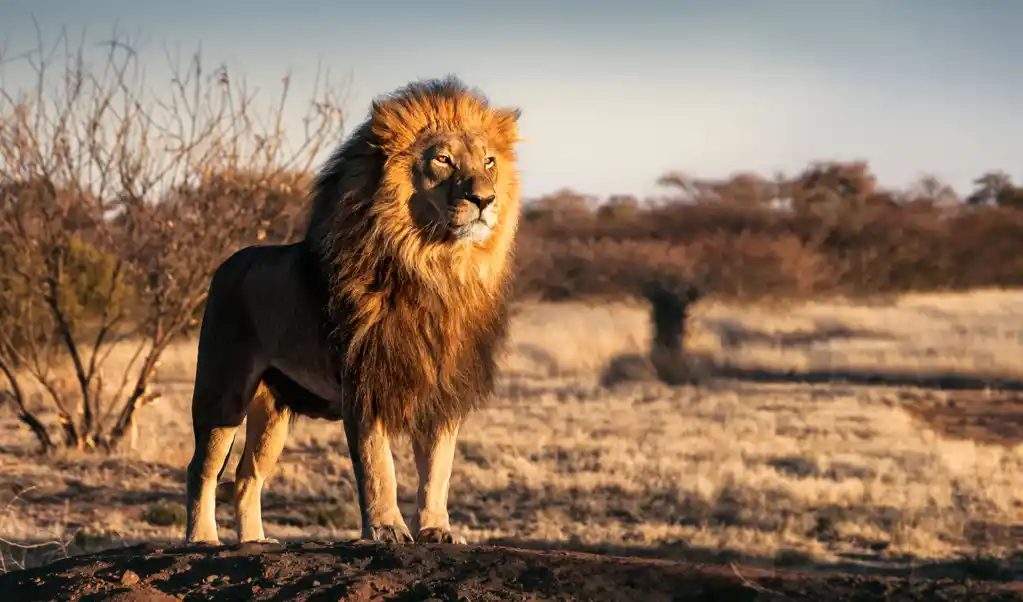
Medium-Length Safaris (5–7 Days)
Advantages: Exposure to multiple ecosystems, a buffer for weather and wildlife movement, and a more relaxed pace.
Value consideration: Offers an optimal cost-per-experience ratio.
Popular destinations: Combine Serengeti National Park with Ngorongoro Crater in Tanzania, or pair Queen Elizabeth National Park with Bwindi Impenetrable National Park in Uganda.
This duration allows for meaningful wildlife encounters across varied landscapes and habitats. You’ll have time to settle into the natural rhythm of the African wilderness—something that’s difficult to achieve when constantly moving.
Extended Safaris (7–10 Days)
A comprehensive experience
Advantages: Exploration of multiple regions, flexibility around seasonal conditions, and increased opportunities for rare sightings. Enjoy a wider range of activities such as guided walks, night drives, and cultural visits.
Value consideration: In our experience, this delivers the highest wildlife-viewing success combined with premium experience quality.
Popular circuits: Follow the Great Migration in Tanzania and Kenya, or explore Uganda’s Bwindi Impenetrable National Park, Kibale Forest, and Queen Elizabeth National Park, with an extension into Rwanda.
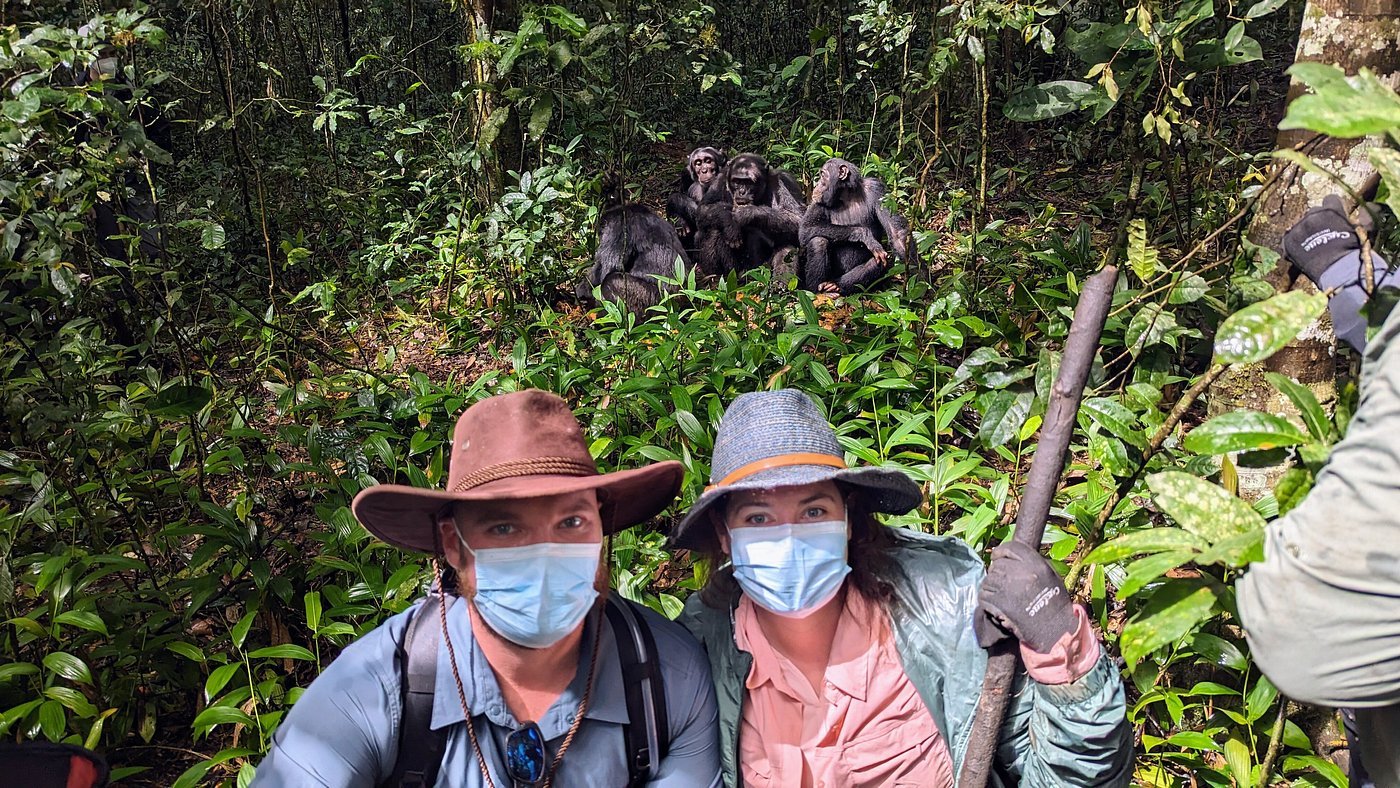
Expedition Safaris (10–14+ Days)
The ultimate immersion
Best for: Wildlife photographers, researchers, and travellers seeking deeply immersive, life-changing experiences.
Value consideration: Unmatched access to remote areas and rare wildlife behaviours.
This is where the magic truly happens. While many guests choose 7–10 day safaris, longer journeys allow Africa’s natural rhythms to unfold fully, creating extraordinary encounters that shorter trips simply cannot offer.
Premier extended safari options:
- Great Migration circuit: Kenya–Tanzania border following migration routes
- Uganda Wildlife & Primate Adventures: Murchison Falls + Kibale Forest + Queen Elizabeth National Park + Bwindi Impenetrable National Park
These extended journeys foster deep connections with individual ecosystems and provide access to remote locations beyond the reach of shorter safaris. If you have the time, this is where safari dreams become reality.
The Economics of Safari Length: Value Versus Cost
Here’s an important insight from our experience: longer safaris often deliver significantly better overall value. While it may seem counterintuitive, spreading costs over more days typically enhances both the experience and the return on your investment:
- Reduced per-day travel costs: Transfers, flights, and logistics are spread across more days
- Improved wildlife encounter opportunities: More time increases the likelihood of memorable sightings
- Accommodation value: multi-night stays often come with added inclusions and better value
- Stronger guide relationships: Extended time allows guides to personalise experiences around your interests
Questions to Guide Your Choice
We understand that choosing the right safari length can feel overwhelming. These questions can help clarify what’s right for you:
1. Is this your first or a return safari experience?
First-time travellers may benefit from extra time to fully absorb the sights, sounds, and scale of Africa.
2. What’s your primary goal—wildlife photography, relaxation, adventure, or education?
Your goal will influence how much time you need to track species, rest between activities, explore multiple regions, or engage with local cultures.
3. How important is seeing specific animals or behaviours?
If general wildlife viewing is enough, a shorter safari may work. For deeper observation of particular species or behaviours, a longer stay is ideal.
4. Do you prefer structured schedules or flexible exploration?
Shorter safaris follow tighter itineraries, while longer safaris allow greater freedom and spontaneity.
5. What’s your tolerance for travel time versus wildlife-viewing time?
Covering wider areas offers more diversity but requires travel. Shorter safaris focused on one region maximise time in the field.
Factors to Consider
- Travel time: Africa’s vast distances mean journeys to and between parks can be significant.
- Seasonality: Wildlife viewing varies throughout the year—plan around the best seasons for your destination.
- Budget: Longer safaris involve higher total costs, but often provide better value per day.
- Interests: Align your safari length with your passions, whether photography, birding, or pure relaxation.
The Perfect Safari Length
The ideal safari balances your available time, wildlife goals, and desired depth of experience. While 3–4 day safaris offer a brief introduction to Africa’s wilderness, our most satisfied guests consistently choose 7–10 day journeys, where the continent’s natural rhythms unfold and its true magic is revealed.
Our Best Africa Safaris

Safaris By Type
Top Safari Parks
Help & Info
- About us
- Travel Blog
- Travel FAQS
- Gorilla Permits Bookings
- Contact Us
- Pay Online