
Kidepo Valley National Park
Kidepo National Park – a beautiful combination of Nature and culture
Kidepo National Park is located in a remote northeastern corner of Uganda. It is a park with a breathtaking scenery, a deep valley surrounded by a mountain range. There is wildlife, but spotting animals in Kidepo Valley is a bit trickier than in other Uganda safari parks. Around the national park, there are unique cultural activities: you can visit a nomadic Karamojong and Ik People. And the best part? It’s not crowded. You will have Kidepo National Park all to yourself. Plenty of reason to visit.
5 facts about Kidepo National Park
There are a few things you should know about Kidepo y National Park:
- Kidepo National Park is the most remote park in Uganda. It is situated in the north eastern region, on the border with South Sudan. If you have 18 days, Kidepo is easy to fit in. If you are traveling to Uganda for two weeks, it becomes more difficult to include Kidepo.
- The climate in Kidepo area is different from the rest of Uganda: there is one rainy season (April to August) and one dry season (September to March).
- They are very difficult to spot, but cheetahs live in Kidepo National Park.
- Around the national park you can have authentic cultural experiences.
- Kidepo is known for its large herds of buffaloes and elephant.
The scenery is one of the main reasons to visit Kidepo National Park
Kidepo National Park begins with the unique road leading to it. You drive on unpaved roads, through quite rural villages. Kidepo is best defined as a large valley.
It is a flat landscape, encircled by a beautiful mountain range. It is impressive, beautiful to drive through. And the beauty of Kidepo National Park: you will barely find another tourist. You can drive around for hours without seeing any other tourist. It feels like it’s truly yours.
Unlike the rest of Uganda, the northern region of the country has only one dry and one rainy season. The national park is very green during the rainy season. In our opinion, it is at its most beautiful then. But for better wildlife viewing, the dry season is perfect. Additionally, the scenery is still gorgeous even when it is dry: the green slowly changes to golden yellow. You can see far, over the grasslands.
There are Big herds of wildlife In Kidepo, but they are a bit more difficult to spot
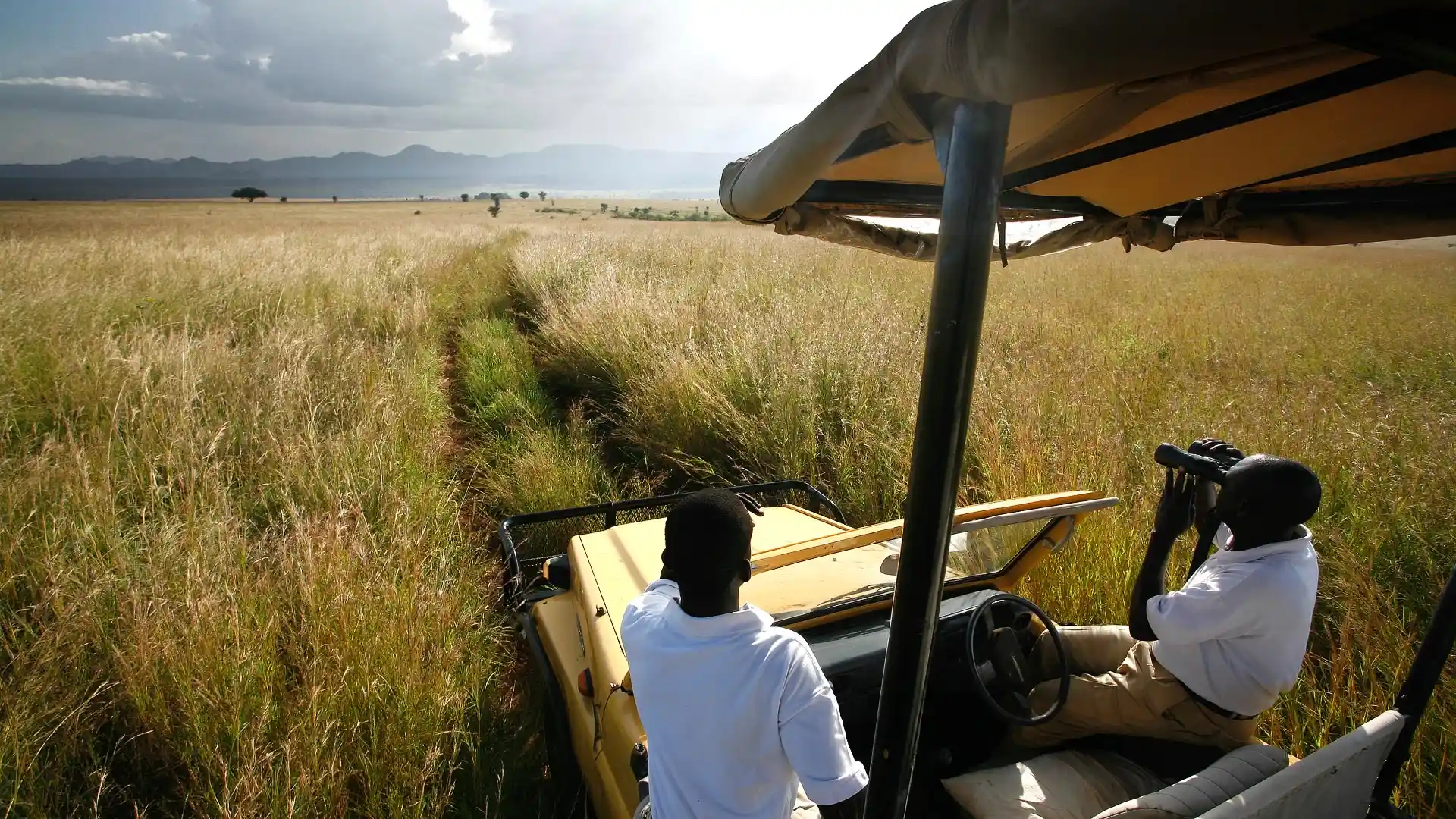
When it comes to wildlife spotting, Kidepo Valley National Park is hit-or-miss. Because the national park is huge, it is quite possible you will see little wildlife. But with a bit of luck, you will have a truly special nature, adventure, and wildlife experience.
For example, there are massive herds of elephants. They are a little harder to spot during the rainy months. In the dry season, they often stay in the valley, where water lasts the longest.
Besides elephants, there are enormous herds of African buffalo. So huge that you may wonder: is this the big migration?
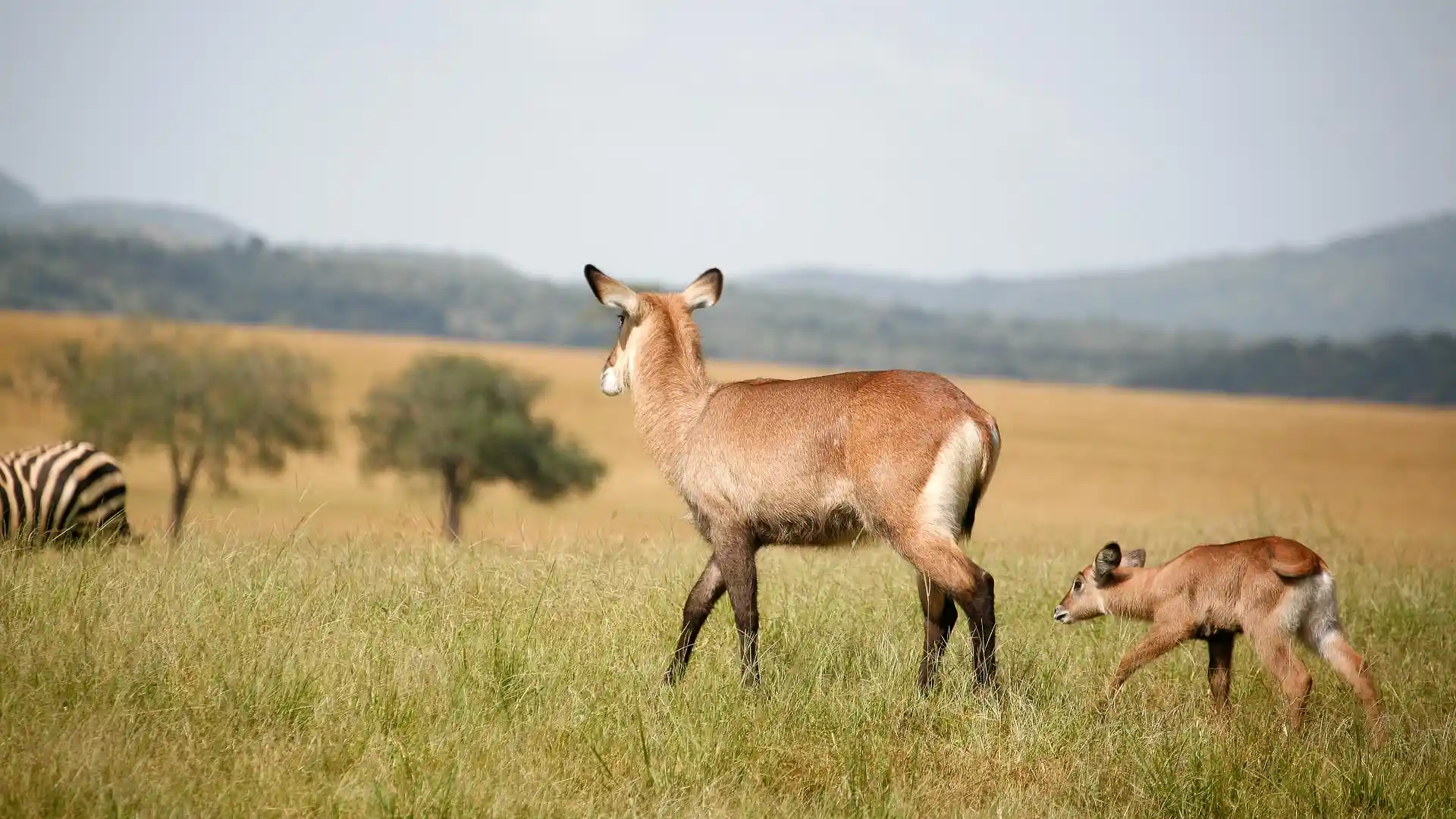
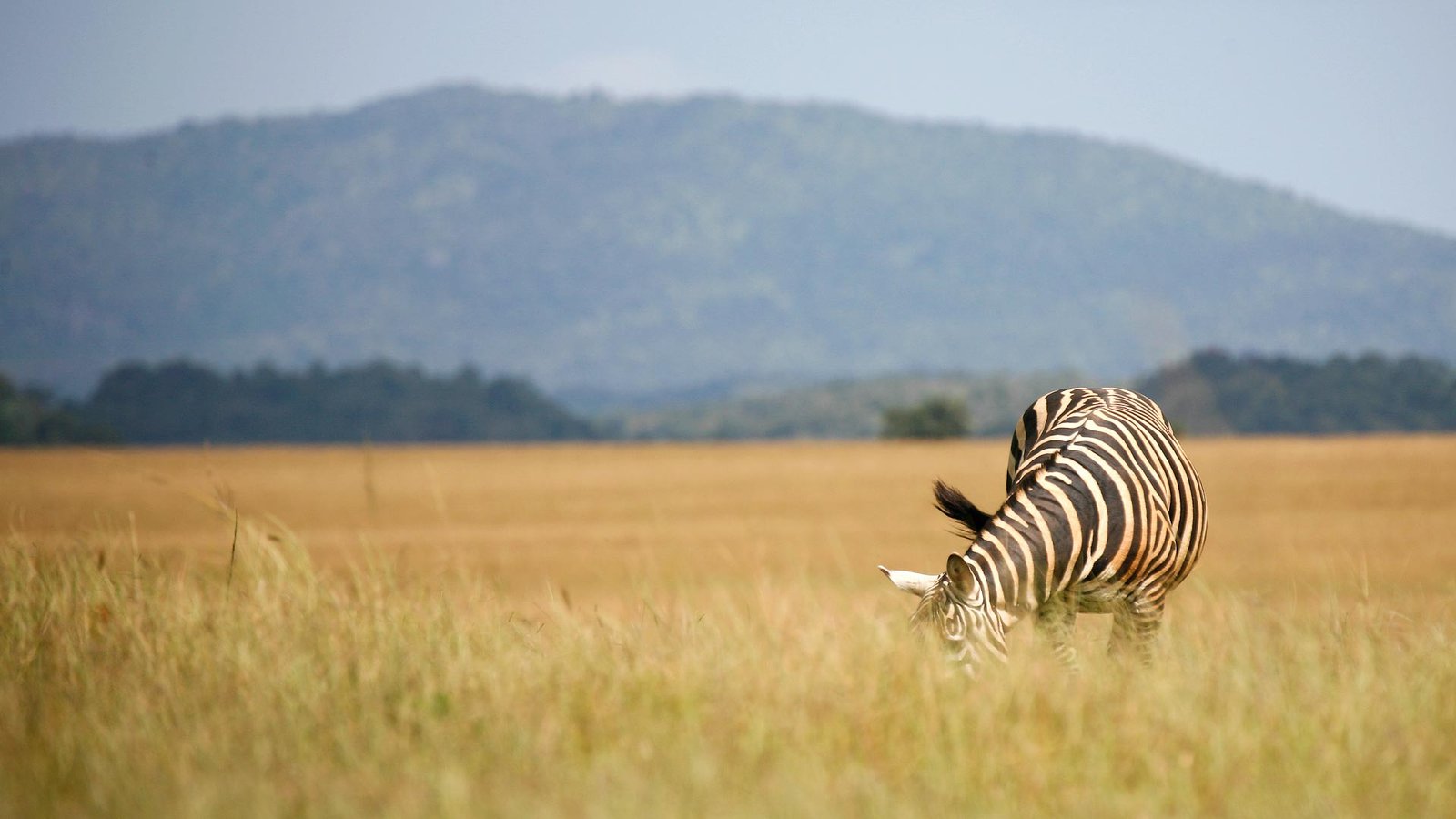
Kidepo National Park also hosts ostriches, zebras, Kudus, Jackals, hyenas, and Rothschild’s giraffes. There used to be a healthy lion population, but it has declined somewhat. There are also leopards. And unique to Kidepo National Park are the cheetahs. Spotting cheetahs requires you to be extremely lucky – Kidepo is very big, and there are relatively few trails you can drive on.
In short: The vast, fantastic landscape, the beautiful routes – you will definitely get that in Kidepo National Park. Spotting wildlife is a bit trickier. So, consider wildlife a bonus.
Safari and cultural excursions Around Kidepo Valley National Park
In Kidepo National Park, you can, of course, enjoy the traditional classic game drive. But you can also enjoy nature walks, just like in Lake Mburo National Park.
In Lake Mburo National Park, you are guaranteed to be surrounded by zebras and giraffes. In Kidepo National Park, it is more about finding tracks, plants, and insects. The focus is more on the landscape, less on wildlife. During your walking safari, you will learn all about park and its surroundings.
If you are staying in Kidepo Valley National Park for a while, you can also take cultural excursions. For example, from Kidepo, you can hike Mount Morungole. There, you will visit the “Ik” – a tribe that lives high up on Mount Morungule. They are one of the most marginalized communities on Earth. They have their own language and customs. If culture is high on your list, this is one of the most authentic experiences you can have in Uganda.
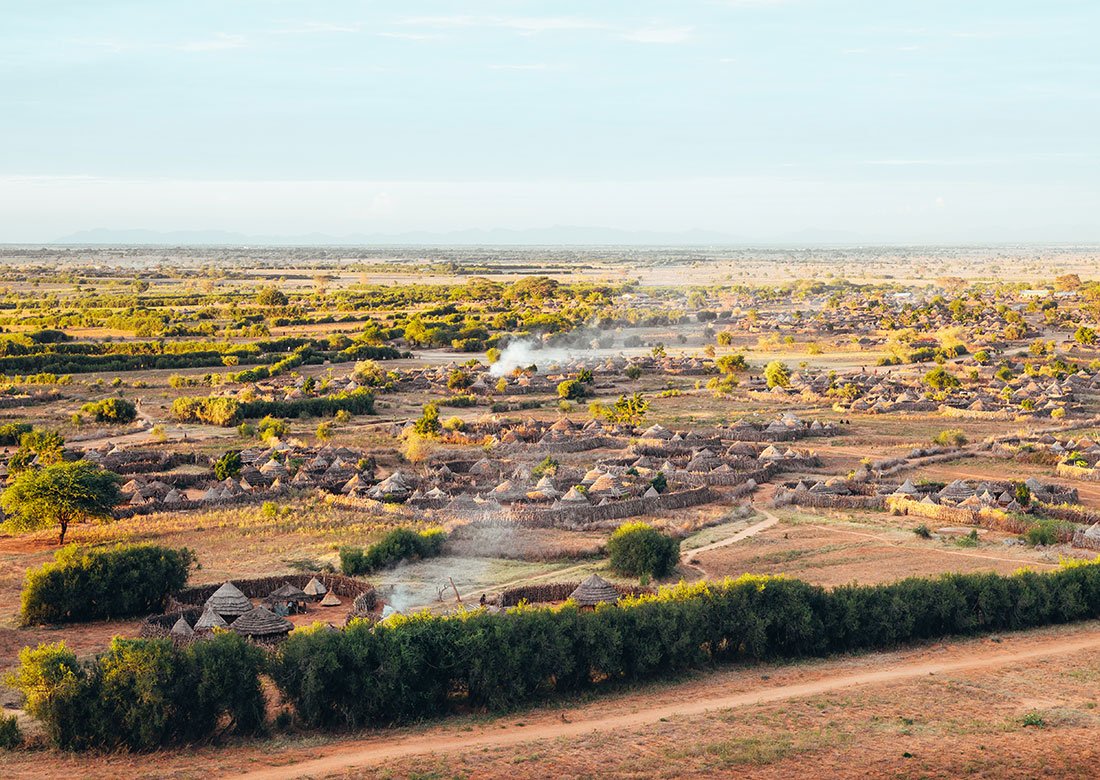
Besides visiting the “Ik” tribe, you can also visit a local Karamojong people. They are closely related to the Maasai of Kenya and Tanzania. Their way of life has changed very little over time. When you visit their villages, called manyattas, daily life unfolds around you. Women milk cows. Men build huts. Local beer is brewed. Songs and dances rise with the dust. Nothing is staged. Nothing is performed for show. Everything is real. Visitors are welcome to observe, join in, and learn.
So, besides the beautiful scenery and the chance for unique wildlife encounters, Kidepo National Park is the perfect opportunity to add more culture to your trip.
FAQs About Kidepo National Park
1. How many days are recommended for a Kidepo trip?
Although some operators offer 3-day Kidepo Valley National Park safaris, Greenway Nature Tours recommend at least 4 days for a drive-in trip that visits only the park, and 5 or more days for an itinerary that combines it with other destinations.
The reason for this is that Kidepo National Park lies more than 550km/340mi northeast of the capital Kampala (or nearby Entebbe Airport) by road, and the drive takes more than 10 hours in either direction. In other words, a 3-day trip to Kidepo will involve 2 full days of driving, leaving only 1 day to explore the park. In our opinion, if your time is that limited, you’d be better to book a safari somewhere closer to Kampala or Entebbe, such as Murchison Falls or Queen Elizabeth National Park.
2. What Other Parks Can You Visit with Kidepo Valley?
The easiest park to combine with Kidepo Valley is Ziwa Rhino and Wildlife Ranch. This small private reserve lies along the main road from Kampala. It is the only place in Uganda where you can track rhinos on foot. The experience is exciting and very special.
With at least five days, you can also add Murchison Falls National Park. This is the largest national park in Uganda. A boat trip on the Nile River is a highlight. You can see hippos, crocodiles, and many waterbirds. Chimp trekking in Budongo Forest is another great activity.
Longer safaris may include the Karamoja region, Sipi Falls, or rafting near Jinja on Lake Victoria
3. What is the best time of the year for a Kidepo National Park safari?
Because it lies in a semi-arid region, Kidepo National Park receives low rainfall even in the Wet season and can be visited at any time of year.
The most productive time for seeing wild animals is usually the Dry season (September to March), when large animals tend to gather around the remaining permanent water sources.
Climatically, there is a lot to be said for visiting Kidepo National Park during the Wet season (April to August), when daytime temperatures are more comfortable and the countryside is attractively green.
If you plan on gorilla trekking or chimpanzee trekking during your Uganda safari holiday, it is probably best to focus on seasonal factors that affect these activities, rather than Kidepo National Park, when deciding on the timing of your visit.

Safaris By Type
Top Safari Parks
Help & Info
- About us
- Travel Blog
- Travel FAQS
- Gorilla Permits Bookings
- Contact Us
- Pay Online