A Guide to Planning Your First Safari to Tanzania
If you are reading this, you are probably feeling excited. You may also feel unsure. That mix of emotions is normal. Planning your first African safari is thrilling. It is also full of questions. What will it really be like? Will I see enough wildlife? Is Tanzania the right destination for me? How do I choose where to go? Take a deep breath. You are in the right place.
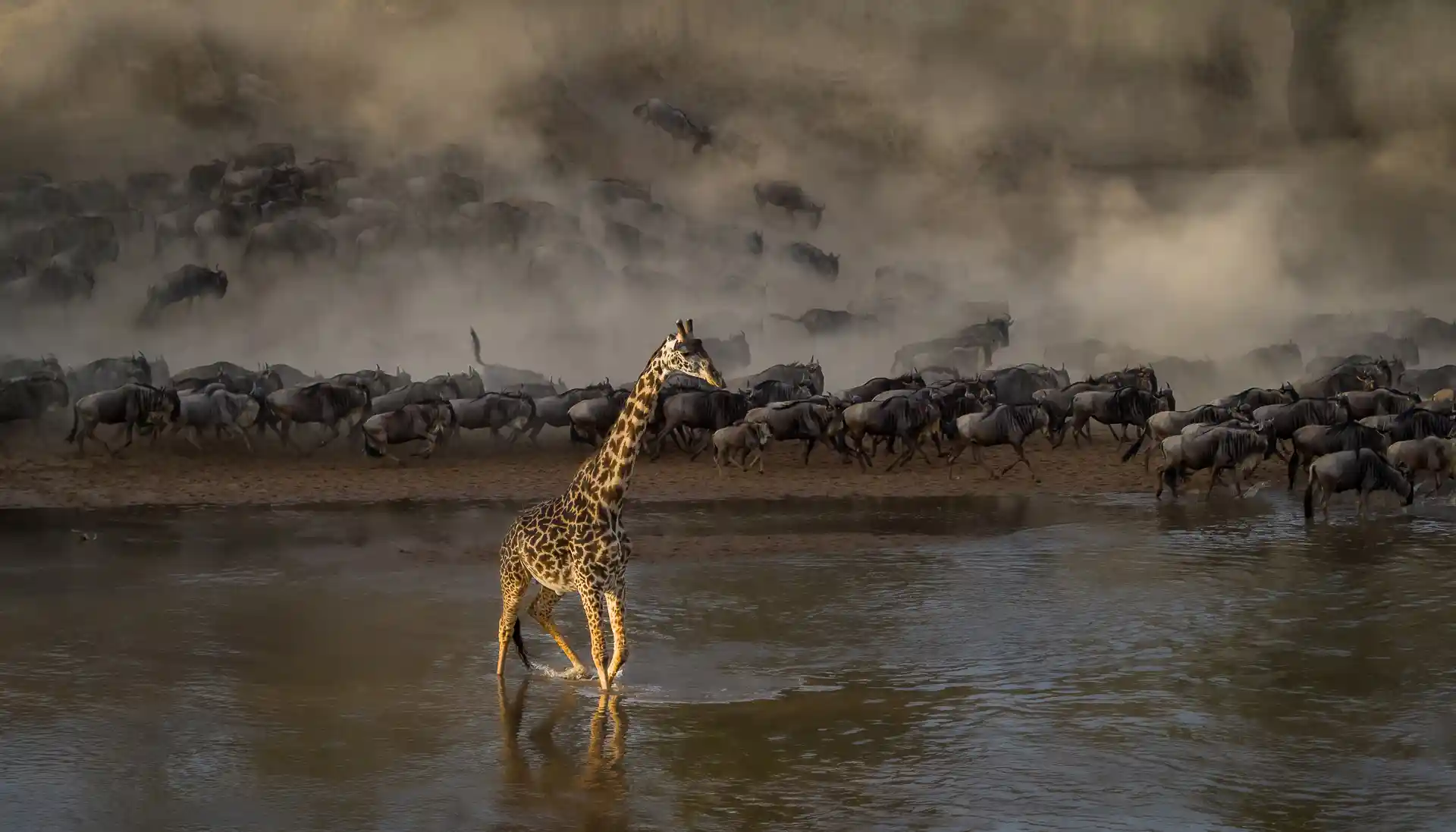
Tanzania is one of the best countries in Africa for a first safari. It offers iconic landscapes, abundant wildlife, and excellent safari infrastructure. It is safe, welcoming, and well organised. From wide open savannahs to lush forests and clear lakes, Tanzania has it all.
You can stay in elegant lodges or classic tented camps. You can enjoy comfort while still feeling close to nature. Most importantly, Tanzania delivers. The wildlife viewing is consistently outstanding. The experiences feel authentic, not staged.
Whether you dream of the Great Migration, big cats, or peaceful moments watching elephants, Tanzania makes those dreams real.
Why Tanzania Is Perfect for First-Time Safari Travellers
Tanzania stands out for several reasons.
First, the wildlife density is incredible. Animals are not hidden away. They are everywhere.
Second, the country has a long safari history. Guides are highly trained. Roads, airstrips, and lodges are well developed.
Third, Tanzania is stable and peaceful. You can relax and enjoy your journey without worry.
Finally, Tanzania offers variety. You can see classic savannah wildlife. You can track chimpanzees. You can hike Africa’s tallest mountain, You can end your trip on a tropical beach. For a first safari, this balance is ideal.
Where to Go: Understanding Tanzania’s Safari Regions
Tanzania is a large country. At first, the choices may feel overwhelming. Instead of stress, think of it as freedom. Each safari region has its own personality. Each offers something special. Below are the best places to visit for first-time safari travellers.
The Serengeti: The Stage for Nature’s Greatest Show
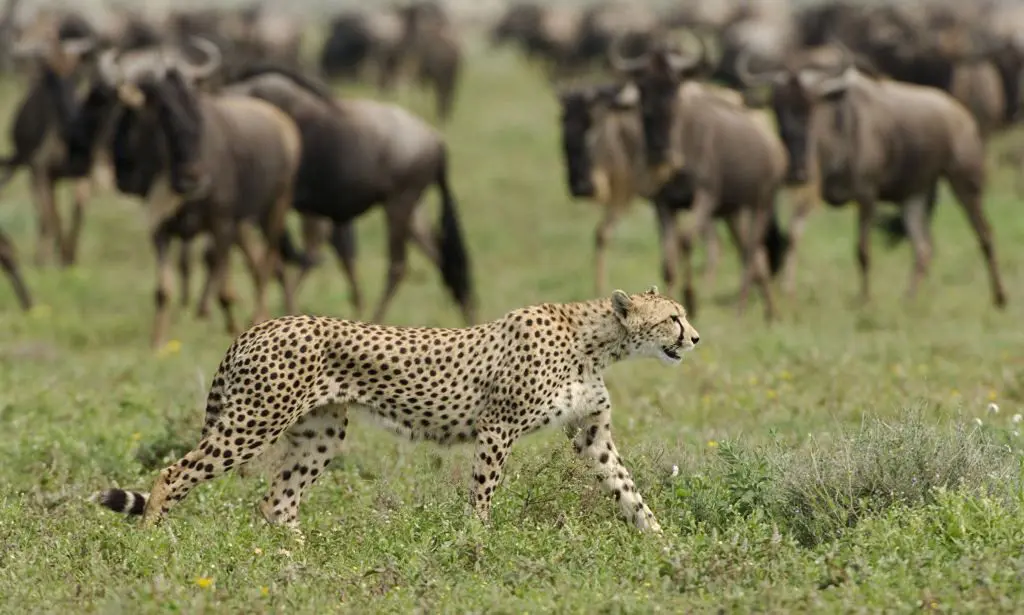
The Serengeti is Tanzania’s most famous park. It is also one of the most famous wildlife areas on Earth. The name means “endless plains,” and it fits perfectly. Golden grasslands stretch to the horizon. Acacia trees dot the landscape. Rocky kopjes rise from the plains.
This is where the Great Migration takes place. Nearly two million wildebeest, zebra, and gazelle move in a giant circle each year. They follow the rains in search of fresh grass. Watching the migration is unforgettable. Dust rises. Hooves thunder. Predators wait patiently.
But the Serengeti is not only about the migration. It is exceptional all year round. Lions are everywhere. Leopards rest in trees. Cheetahs sprint across open plains. Birdlife is rich and colourful. The sense of space is powerful.
Many first-time visitors say it feels like stepping into a wildlife documentary.
The Serengeti is perfect if you want:
- Classic safari scenery
- Big cats
- Vast open landscapes
- Iconic African experiences
The Crater Highlands: Into Another World
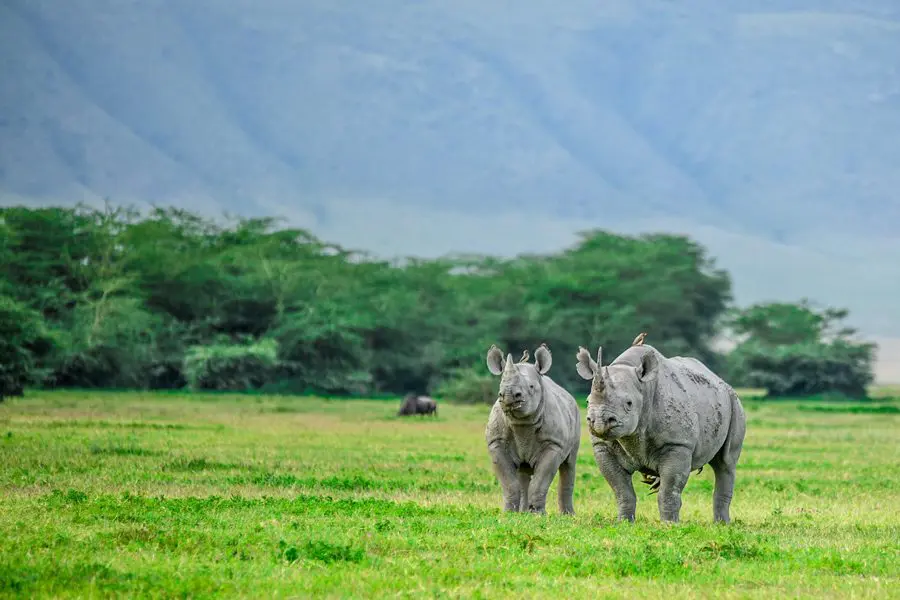
Near the Serengeti lies the Ngorongoro Conservation Area. This region feels completely different. Its main highlight is the Ngorongoro Crater. This is the world’s largest intact volcanic caldera. The crater is about 600 metres deep. It covers 260 square kilometres.
Inside, it holds one of the highest concentrations of wildlife in Africa. Descending into the crater feels magical. It is like entering a hidden world.
The crater floor is home to around 25,000 large animals. You can see lions, elephants, buffalo, and hippos in one drive. The endangered black rhino is also found here.
The steep crater walls surround you on all sides. They create a natural amphitheatre. The scenery is dramatic and unforgettable.
The Crater Highlands suit travellers who:
- Want maximum wildlife in a short time
- Love dramatic landscapes
- Do not mind sharing sightings with others
Tarangire: The Land of Giants
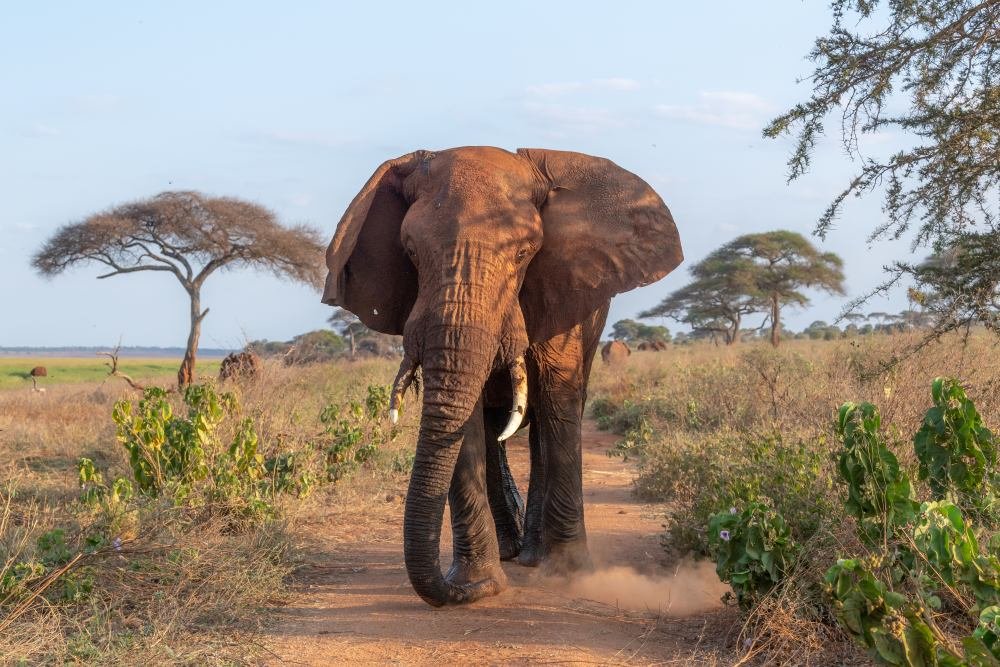
Tarangire National Park is often overlooked. That is a mistake. This park is famous for elephants. Some of the largest herds in East Africa live here.
During the dry season, elephants gather along the Tarangire River. You may see hundreds at once. The landscape is unique. Massive baobab trees dominate the scenery. Termite mounds rise like sculptures from the earth.
Birdlife is excellent. Over 500 species have been recorded. Lions relax in the shade. Leopards move through riverine forests. Tarangire is quieter than the Serengeti. It feels more intimate.
This park is ideal for travellers who:
- Love elephants
- Prefer fewer crowds
- Enjoy photography
- Appreciate unique scenery
Ruaha: Wild and Untouched
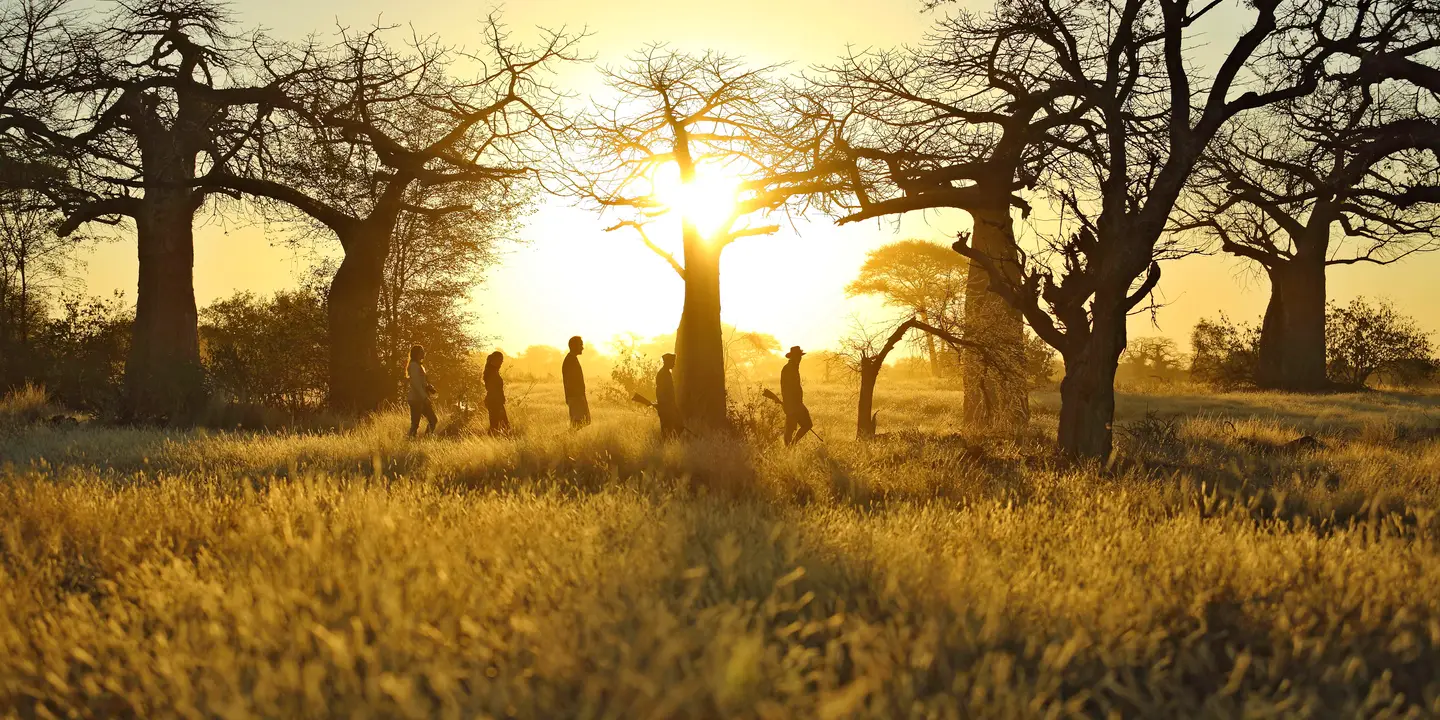
Ruaha National Park is Tanzania’s best-kept secret.
It is the largest national park in the country. It is also one of the wildest. Here, you may drive for hours without seeing another vehicle. There are no crowds. There is no noise.
The landscape is rugged and dramatic. Rocky hills rise above dry riverbeds. Giant baobabs dominate the skyline. The Great Ruaha River attracts wildlife year-round.
Elephants and buffalo gather in large numbers. Predators are abundant. Lions are often seen in large prides. Leopards and cheetahs thrive here. Wild dogs are present too.
Ruaha is for travellers who:
- Value true wilderness
- Enjoy exclusivity
- Appreciate expert guiding
- Are patient and curious
When to Go To Tanzania?
Knowing Tanzania’s seasons helps you plan a better safari. Still, there is one important thing to remember. There is no single perfect time to visit. Each season has its own beauty.
Each one offers different wildlife moments. It all depends on what you want to see and feel. Some travellers love dry, sunny days. Others enjoy green landscapes and fewer people. Tanzania welcomes visitors all year round. Let’s explore each season in detail.
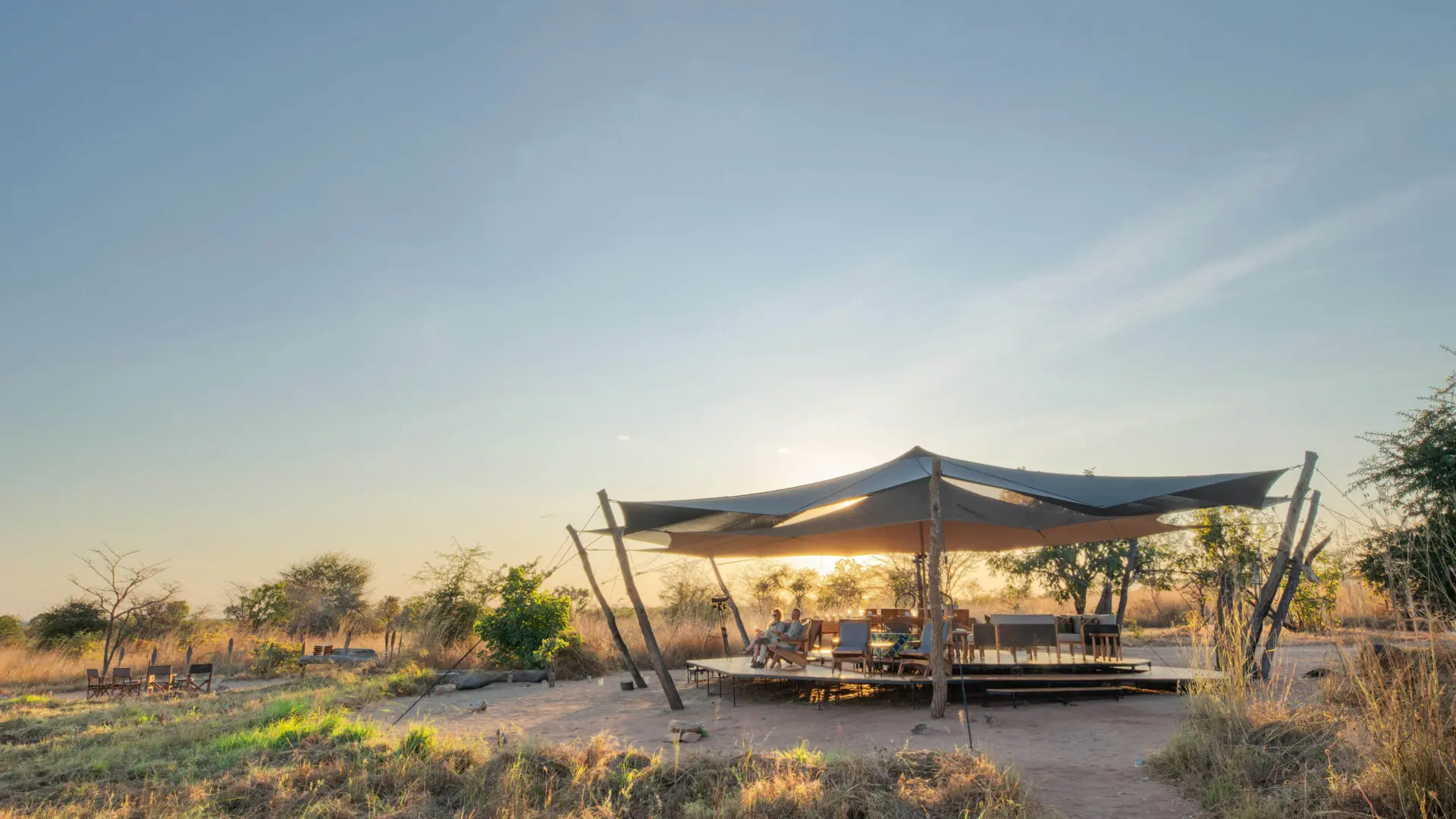
Dry Season (June to October)
The dry season is known as peak safari time. And for good reason. Rainfall is very low during these months. Rivers and waterholes slowly dry up.
Animals must gather where water remains. This makes wildlife viewing easier. Game drives become more predictable. You spend less time searching and more time watching.
The grass becomes shorter. Bushes thin out. Visibility improves greatly. The weather is pleasant and stable. Days are sunny and warm. Humidity is low.
Early mornings can feel cold. Especially in open safari vehicles. A warm jacket is useful. This season is famous for the Great Migration River crossings.
From July to September, wildebeest reach the northern Serengeti. They attempt to cross the Mara River. These crossings are dramatic. Thousands of animals gather at the banks. They hesitate. They panic. Then suddenly, they charge. Crocodiles wait in the water. Dust fills the air. It is raw nature at its most powerful. Predator sightings are also excellent. Lions hunt more actively. Leopards rest in open trees. Cheetahs take advantage of clear terrain.
Because conditions are ideal, many travellers visit during this time. Popular areas become busy. The Serengeti and Ngorongoro Crater see more vehicles.
Prices are also higher. Lodges fill up quickly. Flights book out early. Still, the experience remains outstanding. With well-located camps and expert guides, quiet moments are still possible. Early starts and smart planning make a big difference.
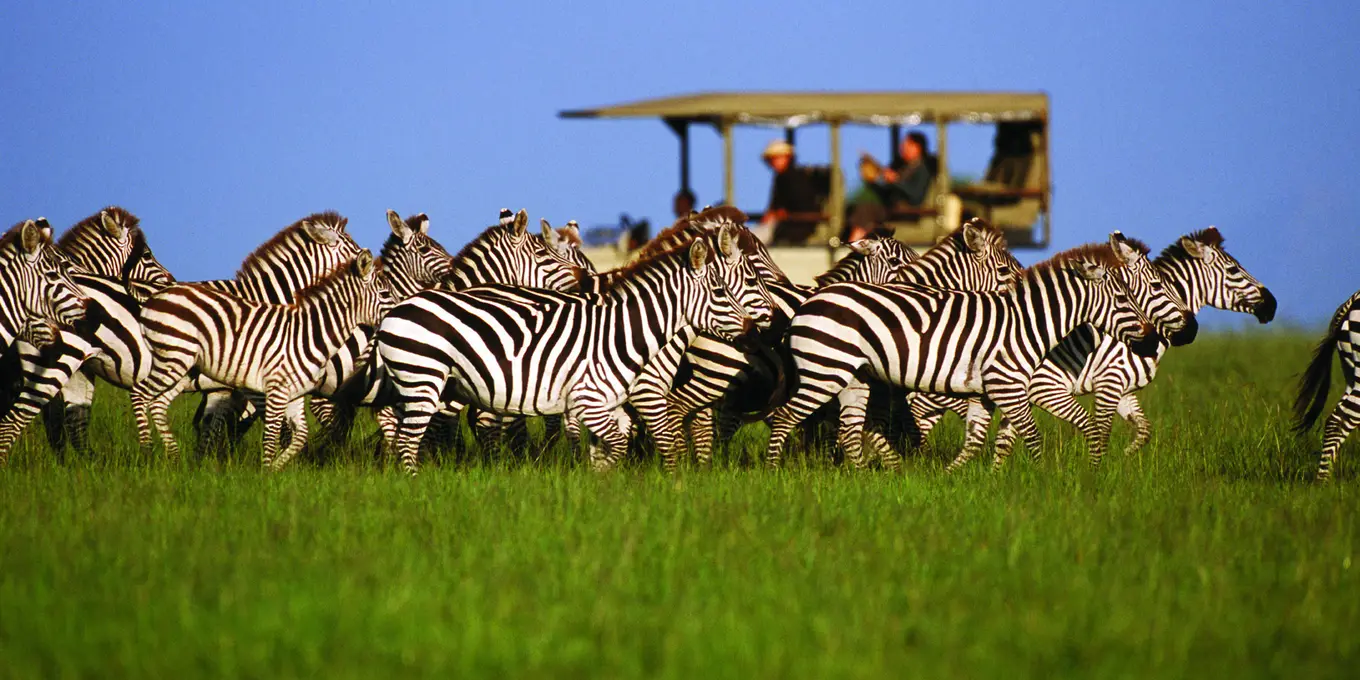
Green Season (November to May)
The green season is often misunderstood. Many people call it the “rainy season.”
That name scares some travellers away. In reality, this season is beautiful. Rain transforms the land. The plains turn bright green. Trees and plants burst into life.
Wildflowers bloom across the savannah. The air feels fresh and clean. The light is perfect for photography. The rains usually fall in short bursts. Most showers come in the afternoon. Mornings and evenings remain clear. This season brings new life.
From January to March, calving takes place in the southern Serengeti. Hundreds of thousands of wildebeest give birth. Tiny calves wobble on their feet. They learn to run within minutes. Predators take notice. Lions, cheetahs, and hyenas follow the herds closely. Hunting action increases. The drama is intense and emotional.
Bird lovers will be delighted. Migratory birds arrive from Europe and Asia.
The parks feel quieter. There are fewer vehicles at sightings. You enjoy a stronger sense of wilderness. Another advantage is cost.
Many lodges offer lower rates. Discounts can reach 20 to 40 percent. This makes luxury safaris more accessible. You enjoy the same service. But at better value. For travellers who enjoy nature, photography, and space, the green season is a wonderful choice.
Shoulder Seasons (March, June, and November)
Shoulder seasons sit between peak and low seasons. They offer balance. Wildlife viewing is still good. Crowds are smaller. Prices are more flexible. March can bring heavier rains. Especially toward the end of the month. Road conditions may vary.
June and November are excellent transition months. The landscape remains green. Animals are active. These months show Tanzania’s dramatic side. Storm clouds gather over the plains. Sunlight breaks through dark skies.
Photographers love this contrast. Colors appear deeper. Scenes feel powerful. If you want fewer people and good value, shoulder seasons are worth considering.
What a Day on a Tanzania Safari Really Feels Like
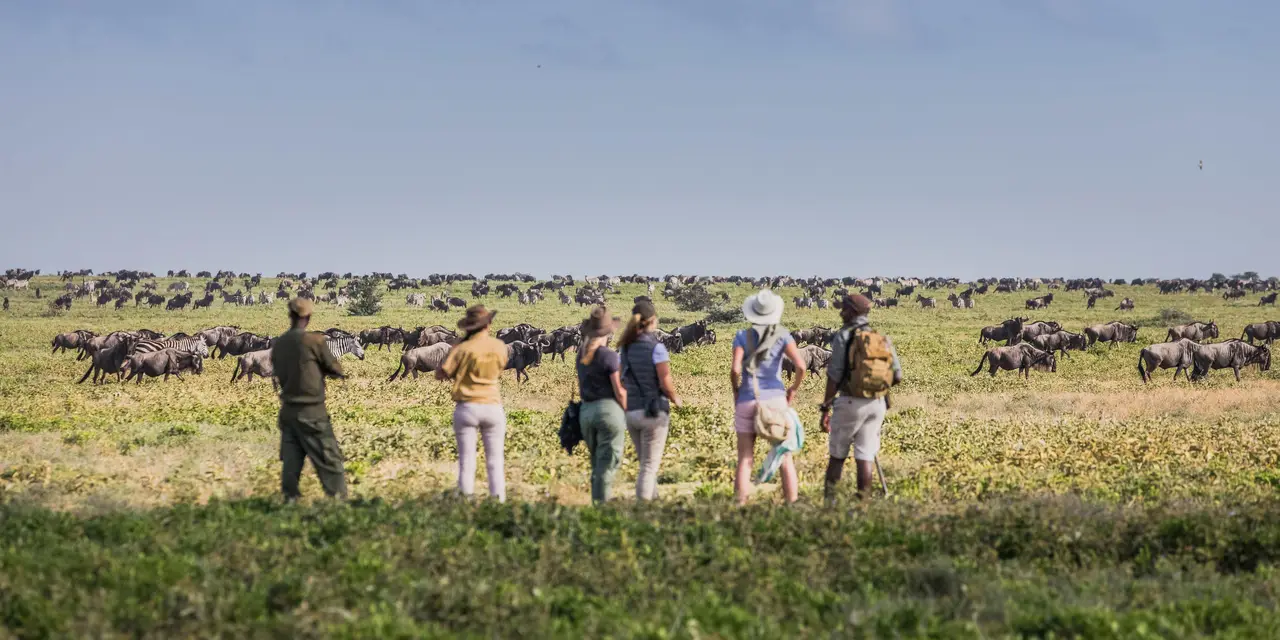
Safari days begin early. Very early. Around 5:30 AM, a gentle wake-up call arrives. The sky is still dark. The bush is quiet. You sip coffee or tea. Birds begin to call. The air feels cool and fresh. By 6:00 AM, you meet your guide. Vehicles roll out slowly. The day begins.
Your Greenway Nature Tours guide reads the land expertly. Tracks tell stories. Sounds reveal hidden movement. This is not just sightseeing.
It is learning. It is discovery. Breakfast often happens outdoors. Maybe beside a river. Maybe under an acacia tree. Fresh fruit. Warm bread. Hot drinks.
Late morning brings rising heat. You return to camp. Animals rest. So do you. The midday hours are yours. Swim in the pool. Read a book. Enjoy a massage. Take a nap. Lunch is light and refreshing. Afternoon tea follows around 3:30 PM.
By 4:00 PM, you head out again. The heat fades. Wildlife wakes up. Afternoon light is golden. Perfect for photos. Perfect for quiet moments. Sundowners are a highlight. Drinks in hand. Sun dipping low. Africa glowing.
After dark, you return to camp. Night sounds fill the air. Crickets. Distant lions. Dinner is relaxed and social. Stars shine brightly above. Because camps are unfenced, staff escort you to your tent. Safety is taken seriously. Comfort is never compromised. Every day feels different. Every moment feels real.
Choose Your Safari Style
One of Tanzania’s greatest strengths is variety. No two safaris need to be the same. You can shape the experience to suit you.
Classic Game Drives
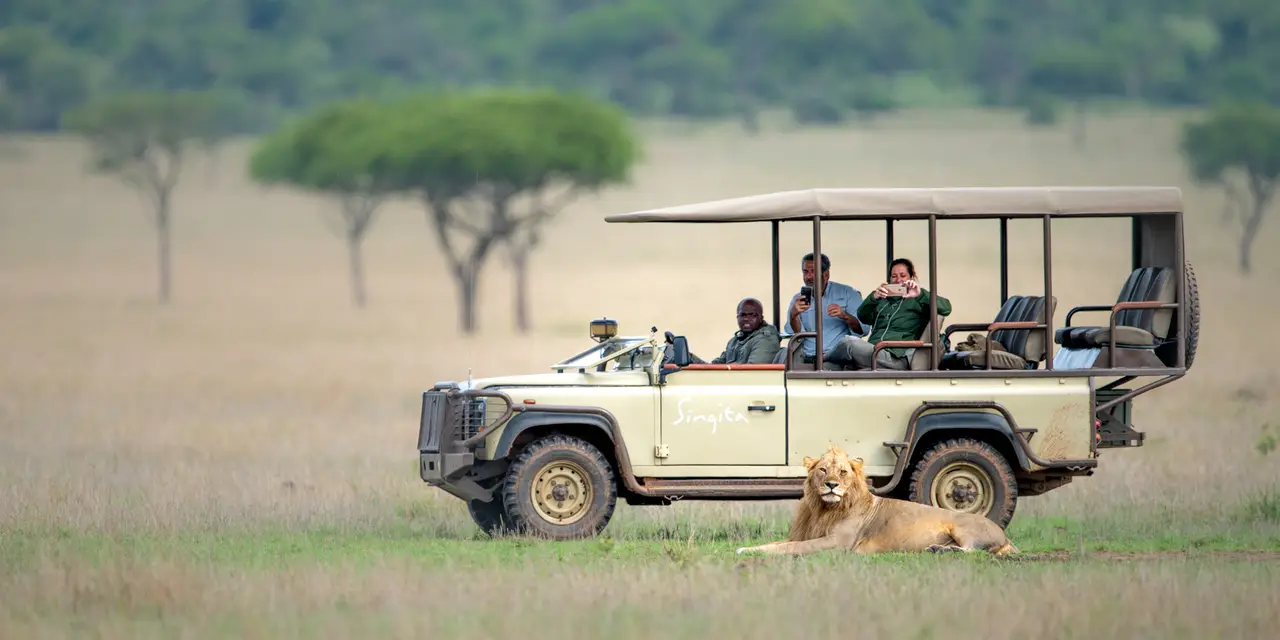
Game drives are the foundation of most safaris. They are ideal for first-time travellers. Vehicles are comfortable. Distances are covered easily. Wildlife is found efficiently. Game drives allow flexibility. You can follow animals. You can stay longer at sightings. They are reliable and rewarding.
Walking Safaris
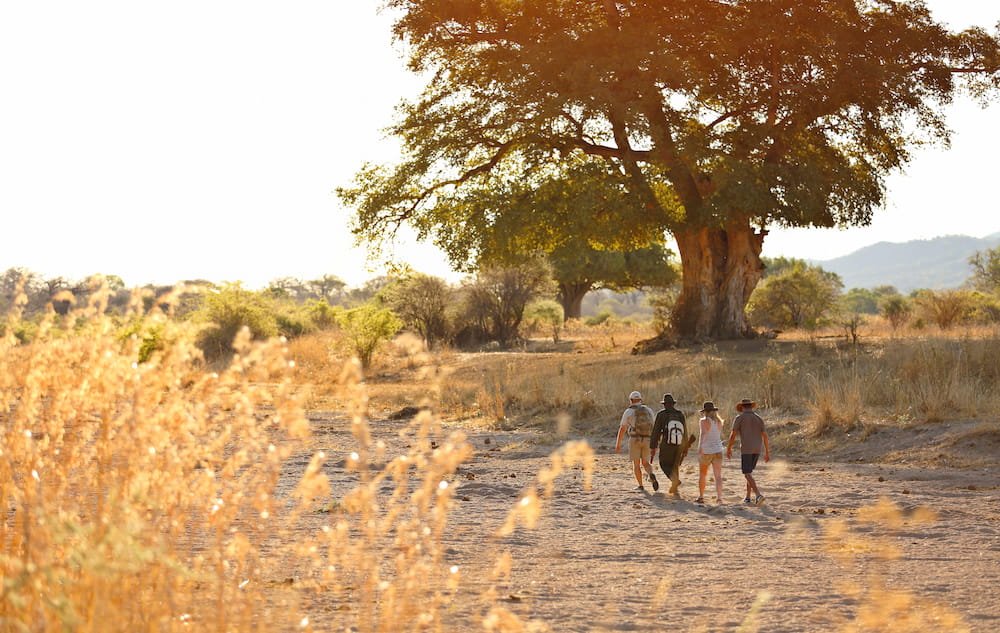
Walking safaris offer a deeper connection. You step out of the vehicle. You slow down. Guides explain tracks and plants. You notice insects and birds. You feel part of the land. Walks usually last two to three hours. They take place in cool hours. This experience sharpens your senses. It feels intimate and grounding.
Cultural Encounters
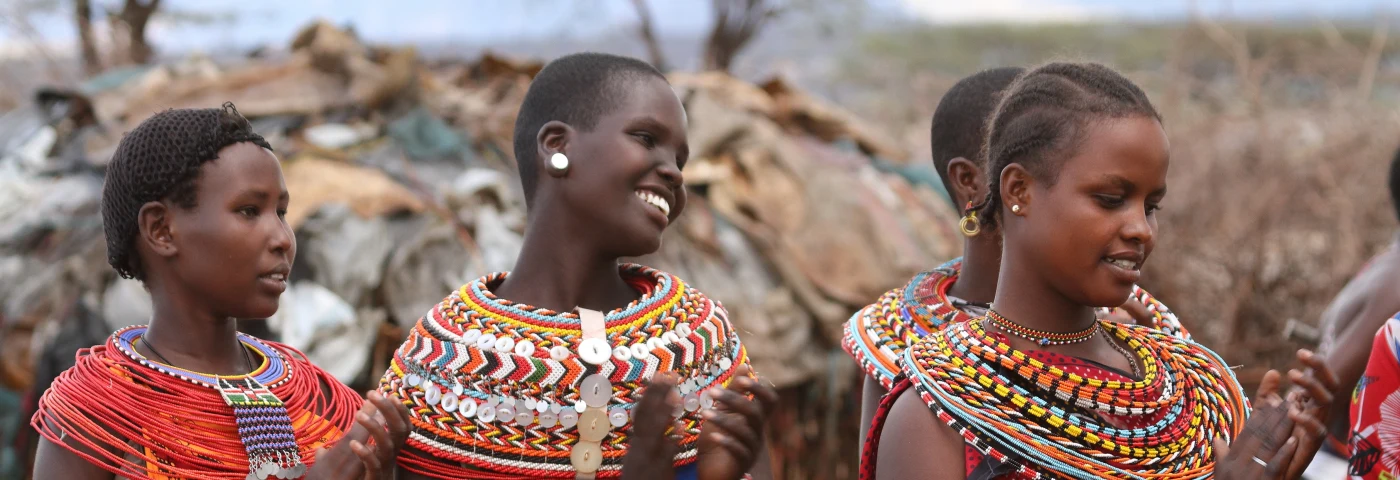
Wildlife is only part of Africa’s story. People matter too. Cultural visits introduce you to local life. You meet communities. You learn traditions. These experiences are respectful and meaningful. They support local livelihoods. They add emotional depth.
Balloon Safaris
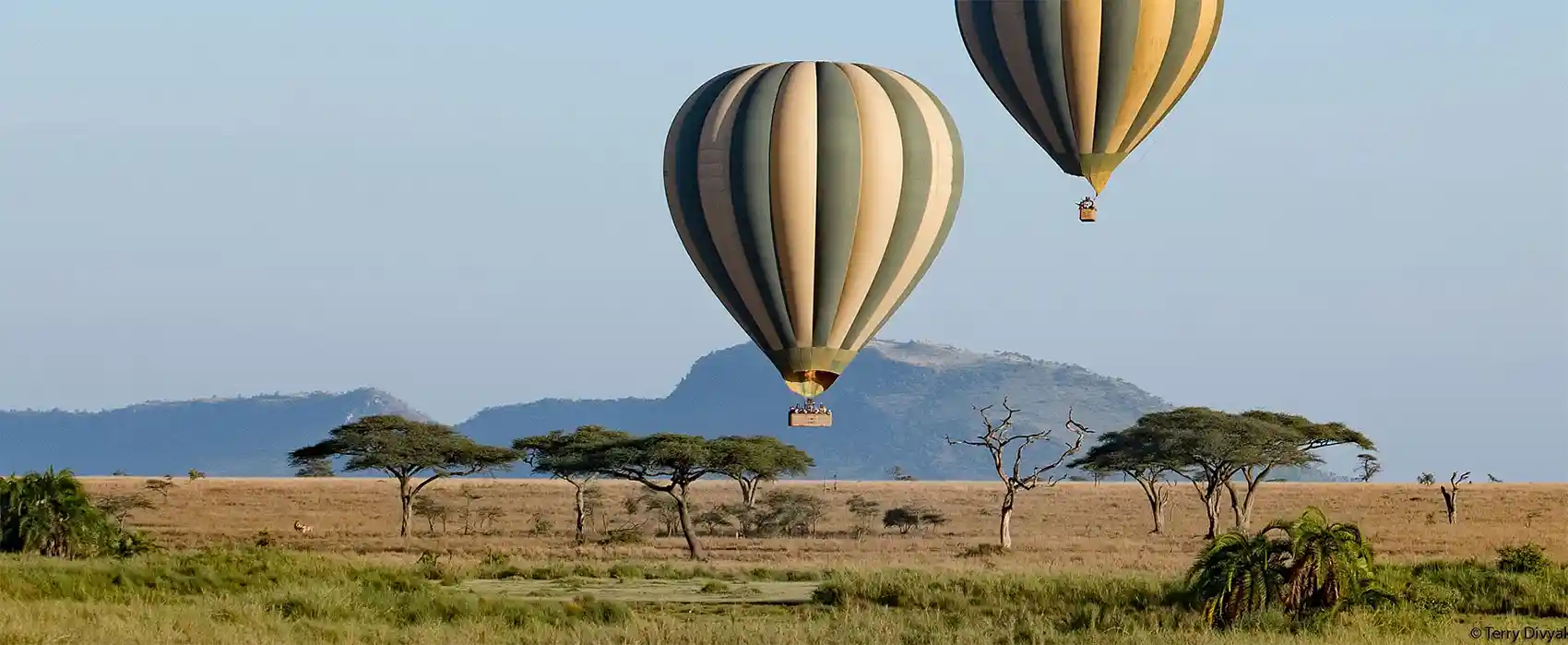
Balloon safaris are unforgettable. They start before dawn. You rise silently into the sky. The plains stretch below. Animals move quietly beneath you. The flight lasts about an hour. A champagne breakfast follows. It is peaceful. It is romantic. It is truly special.
What Does A Tanzania Safari Cost?
A Tanzania safari is an investment. Understanding costs helps you plan wisely. Prices depend on several factors.
Time of year plays a big role. Peak season costs more. Green season offers savings.
Regions matter too. Remote areas cost more to operate. Exclusive locations bring higher value.
Luxury level varies by lodge. Some offer pools and spas. Others focus on simplicity and location.
Most safari prices include accommodation, all meals, drinks, game drives, and park fees. Group tours can reduce costs. They are ideal for solo travellers.
Combines Best With: Add a Beach or Gorilla Adventure
A Tanzania safari pairs beautifully with other experiences.
Zanzibar – Beach Break
Zanzibar is the perfect ending. White sand. Warm ocean. Relax after safari days. Explore Stone Town. Swim or dive. Flights from the Serengeti are short. Three to five nights is ideal.

Uganda – Gorilla Trekking
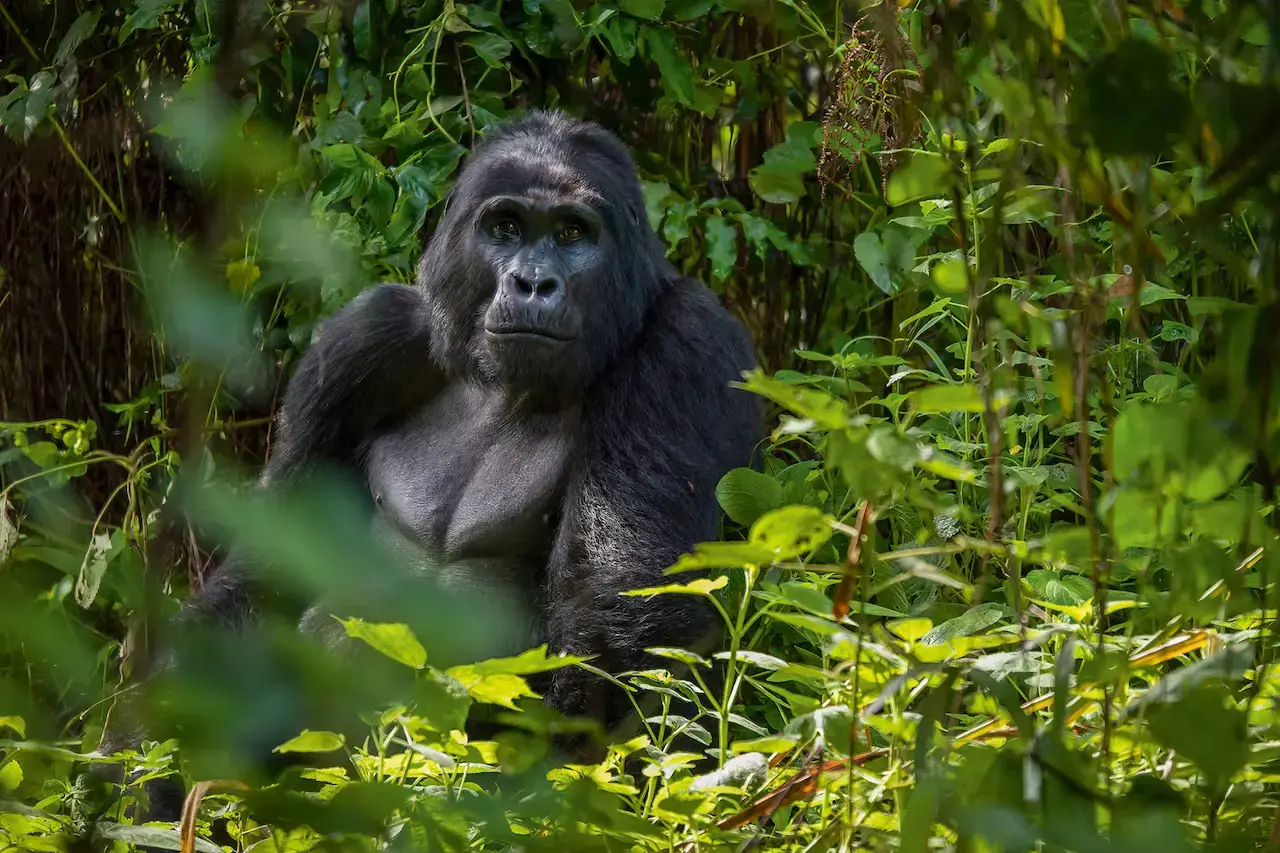
For something extraordinary, add gorillas in Uganda. Gorilla trekking through misty forests is emotional. Sitting near mountain gorillas is life-changing. It completes an East African journey.
Tips for Planning Your First Tanzania Safari
- Book early for peak months. Places fill fast.
- Pack light and smart. Soft bags work best.
- Wear neutral colors. Avoid black and blue.
- Choose camps/lodge that match your goals. Tell your planner what matters to you.
- Work with experienced safari specialists. They understand logistics. They protect your investment.
- Ask questions. Every question is welcome.
Ready to Plan Your First Tanzania Safari?
Your adventure is waiting. Let Greenway Nature Tours design a journey made just for you. From the first idea to the final sunset. Africa is calling.
Our Best Tanzania Safaris
Greenway nature tours
We are a fully licensed tour company accredited by the Uganda Tourism Board. We design and operate safaris in Uganda and East Africa. Our operations are based in Kampala, Uganda, the heart of our safari planning and coordination. Though our company was officially established in 2025, our team brings deep, hands-on knowledge of East Africa.
Destinations
Favourite Tours
Help & Info
- About us
- Travel Blog
- Travel FAQS
- Gorilla Permits Bookings
- Contact Us
- Pay Online