Cost of Gorilla Permits in Rwanda 2026
Mountain gorillas are one of the main reasons travelers come to Rwanda. These gentle giants are rare, fascinating, and found nowhere else in the world outside Uganda, Rwanda, and Congo. Seeing them in the wild is a dream for many.
Before you can step into their forest home, a gorilla permit is required. This permit is more than just a ticket. It controls access to the gorillas, protecting them from disturbance and ensuring their forest remains safe. The fees from each permit support conservation programs, fund anti-poaching efforts, and help the local communities living around the park.
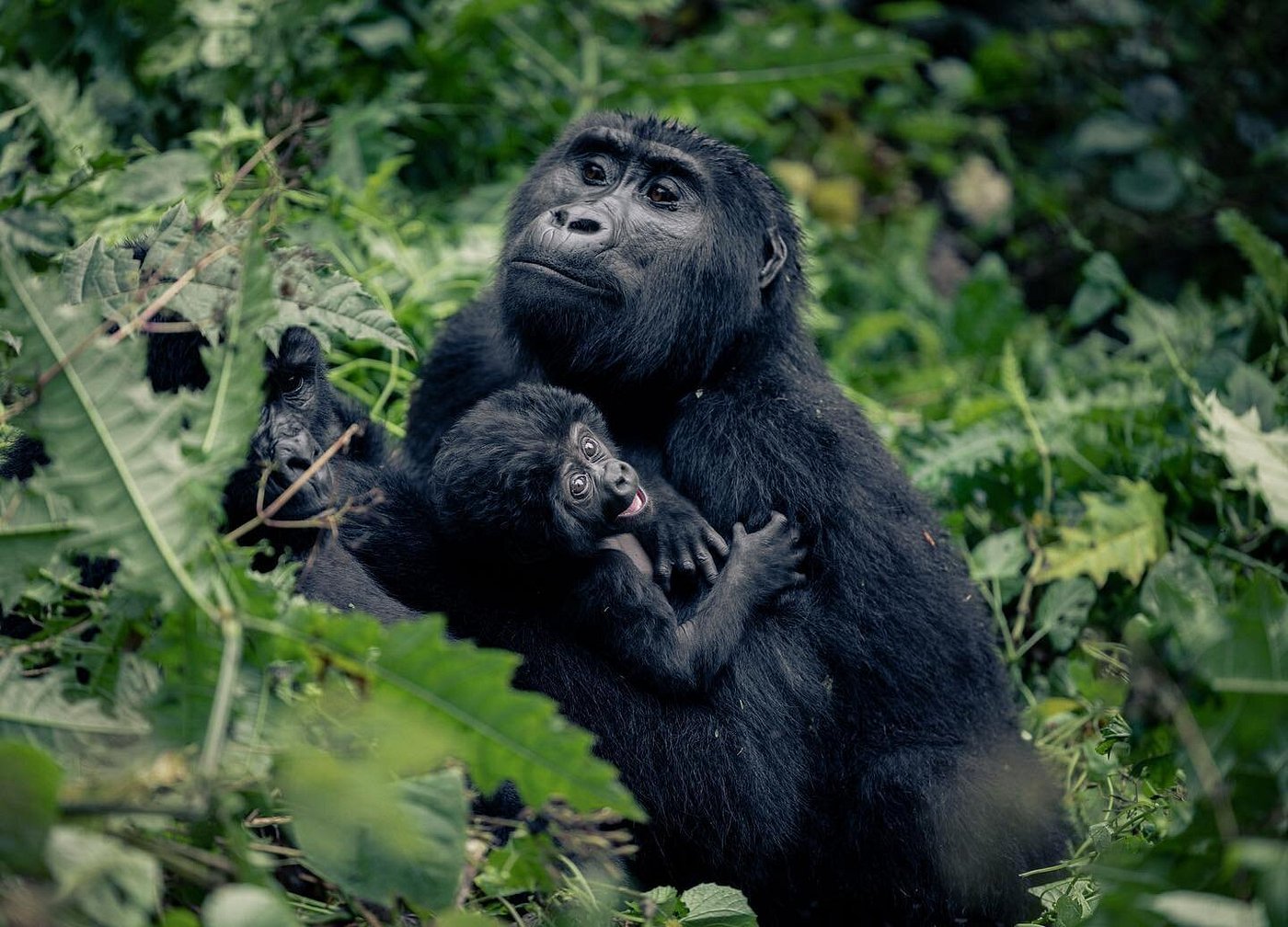
With a permit, you are not only gaining a chance to witness these incredible animals up close—you are directly helping to preserve them. Each permit guarantees that only a limited number of visitors enter the forest daily. This keeps the gorillas calm, the forest peaceful, and the experience special for everyone. In short, the gorilla permit is the key to one of the most unforgettable wildlife experiences on Earth. It is essential, it protects the gorillas, and it ensures that your visit contributes positively to conservation and local communities. Without a permit, there is no trek. With it, you step into a rare and magical world.
How Much Does a Gorilla Permit Cost in Rwanda?
As of 2026, the cost of a gorilla permit in Rwanda varies depending on where you are from. International visitors pay $1,500. Foreign residents of Rwanda or other African countries pay $500. Citizens of Rwanda or East African countries pay $200. This pricing reflects Rwanda’s approach to conservation. By charging a premium for international visitors, the park limits the number of trekkers each day. The forest stays peaceful, and the gorillas remain safe. It also ensures that tourism benefits local communities and supports ongoing conservation efforts.
What Does the Rwanda Gorilla Permit Cost Include?
Your permit covers several important things. It gives you entry to Volcanoes National Park. It includes a guided trek through the forest to a designated gorilla family. Most importantly, it allows up to one hour with the gorillas.
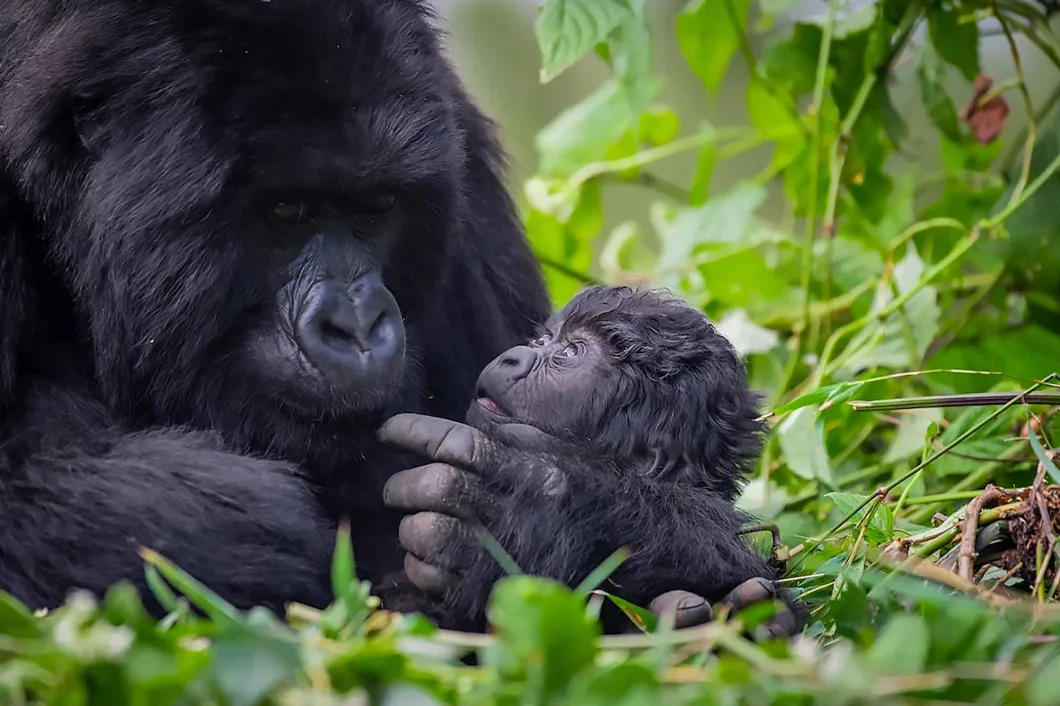
During that hour, you watch them move, eat, and interact naturally. You see their gentle behavior, their playful moments, and the care they show for their young. This experience is unique. It cannot be replicated anywhere else in the world.
However, the permit does not cover everything. Porter services, tips, meals, and transportation are additional. Porters can help carry your gear and make the hike easier. Tips for your guide or tracker are appreciated but not required. Accommodation and travel to and from the park should also be planned separately.
Seasonal Discounts on Rwanda Gorilla Permits
Rwanda offers a discount on gorilla permits during the low season, from November to May. International visitors can pay $1,050 instead of $1,500. To qualify, travelers must stay at least two nights in Akagera National Park or Nyungwe National Park.
The low season has fewer tourists, so the forest feels quiet and untouched. Trails may be muddy, and it can rain, but the forest is green and alive. Wildlife is active, and gorilla trekking is just as rewarding. The discounted permit makes this once-in-a-lifetime adventure more accessible to travelers on a budget.
Comparing Gorilla Permit Prices: Rwanda vs Uganda
Rwanda is not the only country where you can trek gorillas. Uganda also offers gorilla permits. The price for a gorilla permit in Uganda is $800 for international visitors, $700 for foreign residents, and lower for East African citizens.
Why Is a Gorilla Permit Essential?
A gorilla permit is required for all visitors. The money raised is used for important purposes. It protects the gorillas and their forest habitat. It funds conservation programs that prevent poaching and habitat destruction. The fees also help local communities. They support schools, healthcare, and employment. Tourism provides income for families living near the park. Only a limited number of permits are available each day. This ensures the gorillas are not disturbed. It keeps the forest calm and allows these rare animals to live naturally.
How to Book Your Gorilla Permit in Rwanda
You can book a permit directly through the Rwanda Development Board website. Many travelers prefer to go through a tour operator. Operators can organize transport, accommodation, and guided treks. Permits are in high demand, especially during the peak months of June to September and December to February. Booking early guarantees your spot and makes planning your trip much easier.
Is There an Age Limit for Gorilla Trekking Permits?
You must be at least 15 years old to trek gorillas. There is no upper age limit, but the hike can be physically demanding. Trails are often steep, muddy, and slippery. Treks can last several hours. Older travelers or those with limited mobility should discuss the trek with a guide. Choosing a gorilla family that matches your fitness level ensures a safe and enjoyable experience.
What Happens If You Need to Cancel Your Gorilla Permit?
Gorilla permits in Rwanda are generally non-refundable. Canceling usually means losing the full cost. There are exceptions. If a gorilla family moves unexpectedly, you may reschedule or get a full refund. If you trek all day and do not see gorillas, Rwanda offers a 75 percent refund. It is wise to get travel insurance. This protects you against unforeseen events and gives peace of mind.
Budgeting for Your Gorilla Trek in Rwanda
The permit is only one part of the total cost. Accommodation near Volcanoes National Park ranges from $200 to $400 per night for mid-range lodges. Private vehicles cost between $50 and $100 per day. Porters are optional and cost $10 to $15. Tips for your guide and tracker are appreciated but not required. Planning for these costs ensures your trek is comfortable and smooth. You can focus on the gorillas, not logistics, and enjoy every moment of this once-in-a-lifetime adventure.
Gorilla Trekking: Why It’s Worth the Cost
The cost may seem high, but the experience is priceless. Spending an hour with gorillas is unforgettable. You watch them play, eat, and interact in their forest home. You feel their strength and calm presence. Your fee does more than provide an adventure. It supports conservation efforts and helps local communities. You contribute to the survival of an endangered species. You leave a positive impact on families near the park.
Best Time to Visit Rwanda for Gorilla Trekking
The best time to trek is during the dry season, from June to September and December to February. Trails are firm and easier to navigate. The forest is clear, making it easier to find gorillas. The low season, November to May, is quieter and less expensive. It may be wetter, but the forest is lush, and fewer tourists make for a more private experience. The discounted permits make this season appealing to many travelers.
Final Thoughts: Is a Gorilla Permit in Rwanda Worth It?
Absolutely. A gorilla permit is an investment in an unforgettable experience. It ensures a safe, high-quality, and meaningful trek. It helps protect gorillas, preserve their forest, and support local communities. Meeting mountain gorillas in the wild is more than a safari. It is a journey you will remember forever. The experience is magical, humbling, and deeply rewarding. For those who love wildlife, nature, and adventure, a gorilla trek in Rwanda is truly life-changing.
Our Best Rwanda Safaris
Greenway nature tours
We are a fully licensed tour company accredited by the Uganda Tourism Board. We design and operate safaris in Uganda and East Africa. Our operations are based in Kampala, Uganda, the heart of our safari planning and coordination. Though our company was officially established in 2025, our team brings deep, hands-on knowledge of East Africa.
Destinations
Favourite Tours
Help & Info
- About us
- Travel Blog
- Travel FAQS
- Gorilla Permits Bookings
- Contact Us
- Pay Online