Where to Go on Safari in January
January is one of the most exciting and beautiful months to go on safari in Africa.
While the Northern Hemisphere faces cold winter days, Africa enjoys warm sunshine, clear skies, and incredible wildlife activity. Many travellers overlook January because they focus on the famous migration months of July to September. But January is a true hidden gem. It offers rich wildlife moments, fewer crowds, and some of the most dramatic animal events of the entire year.
Whether you are planning your first trip, looking for a romantic honeymoon, or hoping to capture stunning photographs, January offers something special.
From the huge wildebeest calving season in Tanzania to gorilla trekking and chimpanzee tracking in Uganda’s lush rainforests jungles, this month delivers unforgettable experiences.
Is January a Good Time to Visit Africa?
Yes. January is one of the best and most rewarding times to visit Africa.
While many travellers choose peak migration months, January has its own magic. The weather is mostly dry in East Africa, making game drives comfortable and predictable.
In some regions, light rains create green landscapes that photographers love. Because January is not considered peak safari season, visitor numbers remain lower.
This means more personal wildlife encounters and more availability at top safari camps. Many locations also offer shoulder-season rates, making luxury safaris more affordable.
Most importantly, January is the month of one of Africa’s biggest wildlife events: the wildebeest calving season. Around 800,000 baby wildebeest are born in the Southern Serengeti—creating a dramatic scene full of new life and intense predator activity.
Uganda in January – A Perfect Month for Gorilla Trekking
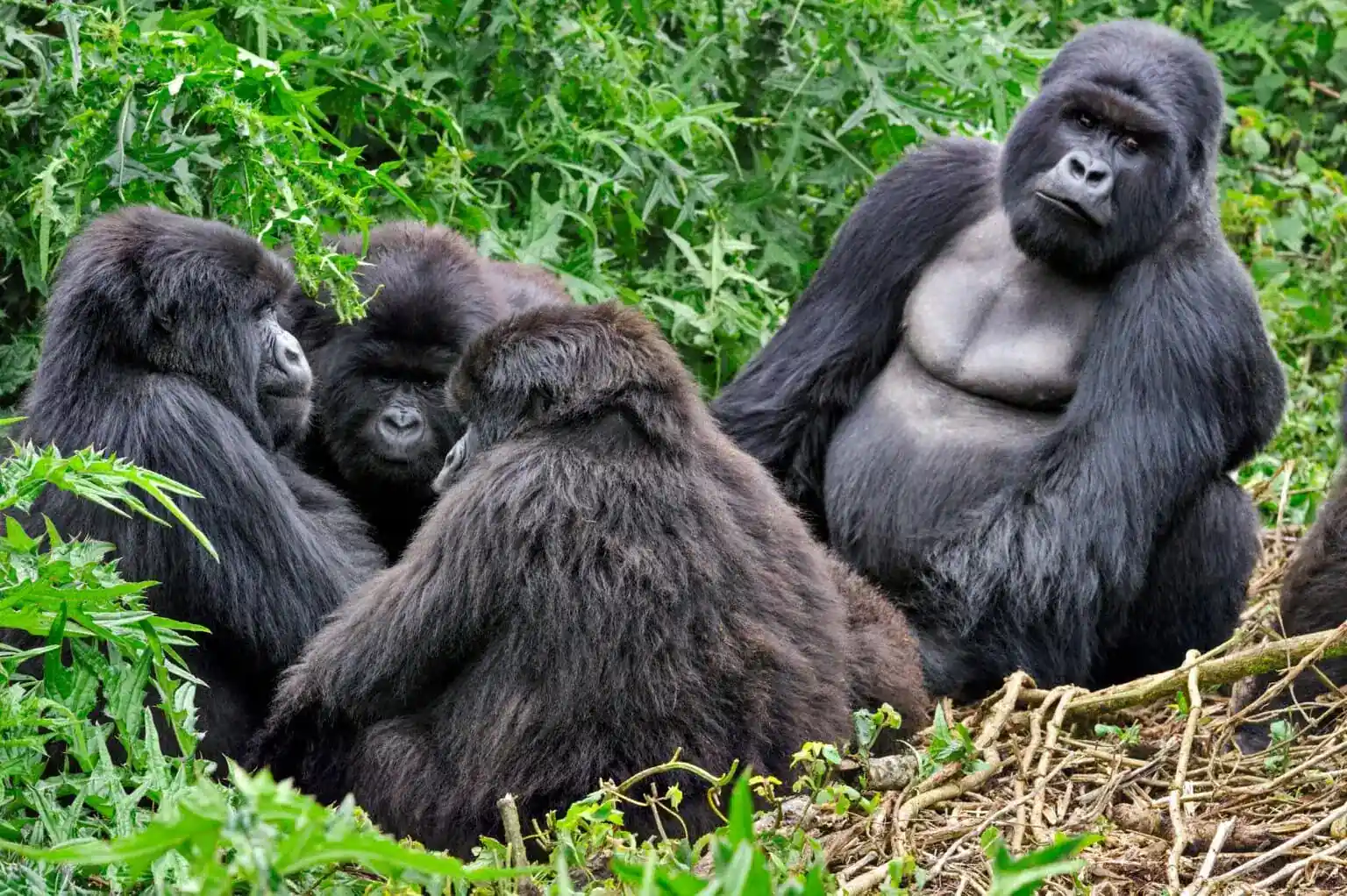
January is one of the very best months for gorilla trekking in Uganda. It falls in the dry season, which makes the trekking paths easier to walk and the forest less slippery. Visibility improves, and you have clear conditions for photography. Trekking in Bwindi Impenetrable Forestor Mgahinga Gorilla National Park becomes more enjoyable due to the stable weather and firm ground.
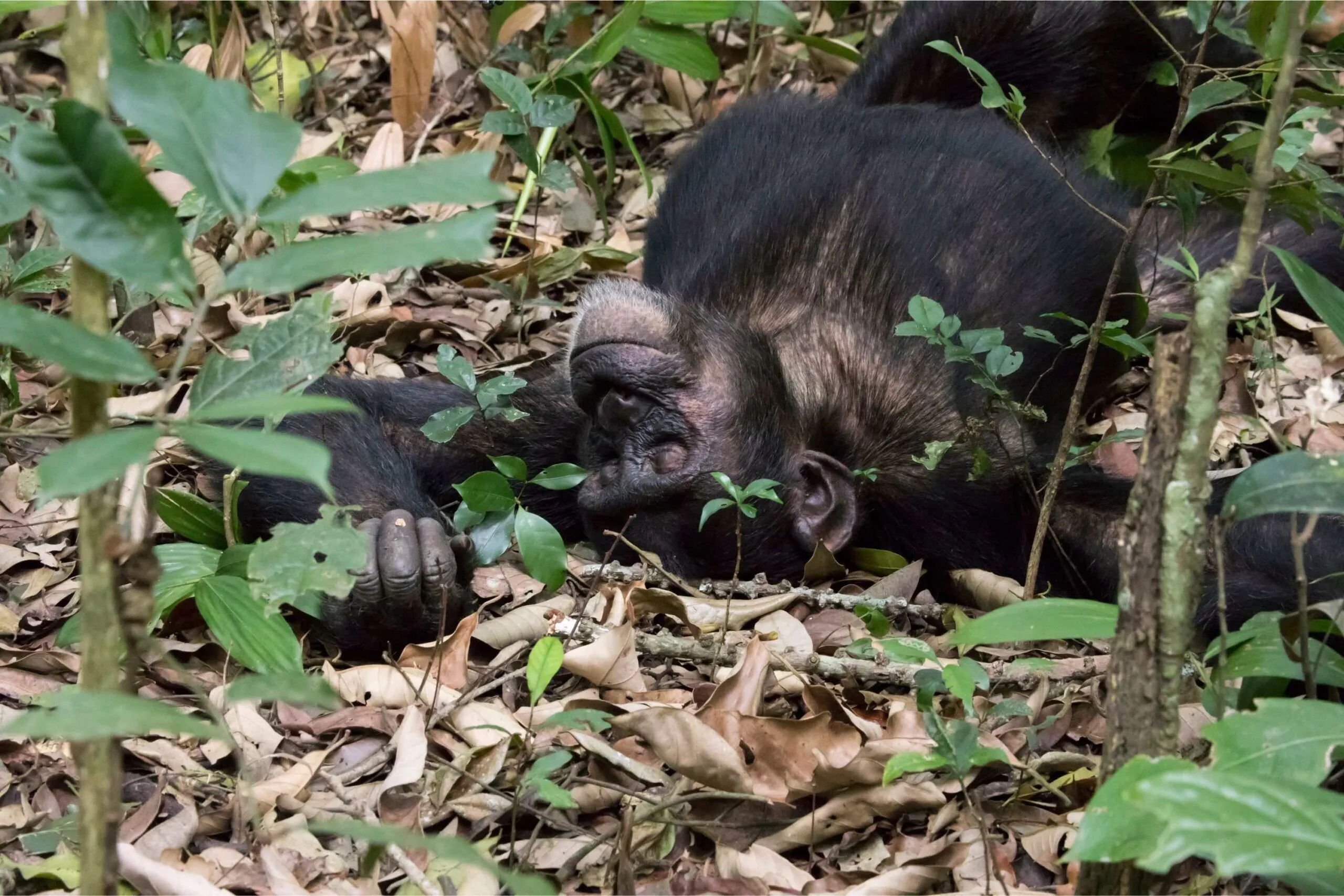
January is also excellent for other wildlife experiences in Uganda. Chimpanzee trekking in Kibale Forest is more comfortable with drier trails and cool mornings, when chimps are most active.
Queen Elizabeth National Park and Murchison Falls National Park offer strong game viewing because animals gather around reliable water sources.
Birdwatching peaks during this month thanks to clear skies and lively bird behaviour. January is a great time to combine gorilla trekking with classic savannah safaris. Many travellers link Uganda with Kenya or Tanzania to enjoy both mountain jungles and open plains on the same trip.
Tanzania in January
Is January a good time to visit Tanzania? Absolutely. January is one of the most exciting wildlife months in the entire country.
The southern Serengeti hosts the wildebeest calving season, while other regions remain lush and full of life. The green season brings short rains that create bright, beautiful landscapes. The grasslands are rich and vibrant, giving photographers colourful backdrops.
Because fresh grazing is widely available, herbivores gather in predictable areas. Lions, cheetahs, and leopards follow these herds closely, creating amazing predator sightings.
Weather conditions in January are pleasant, especially during early morning and late afternoon game drives. Tourist numbers stay lower than in peak migration months, which means quieter sightings and more open space.
If you want a true East African safari without the crowds, January in Tanzania is ideal. You get exceptional wildlife moments and a more relaxed experience.
Southern Serengeti – The Heart of Calving Season
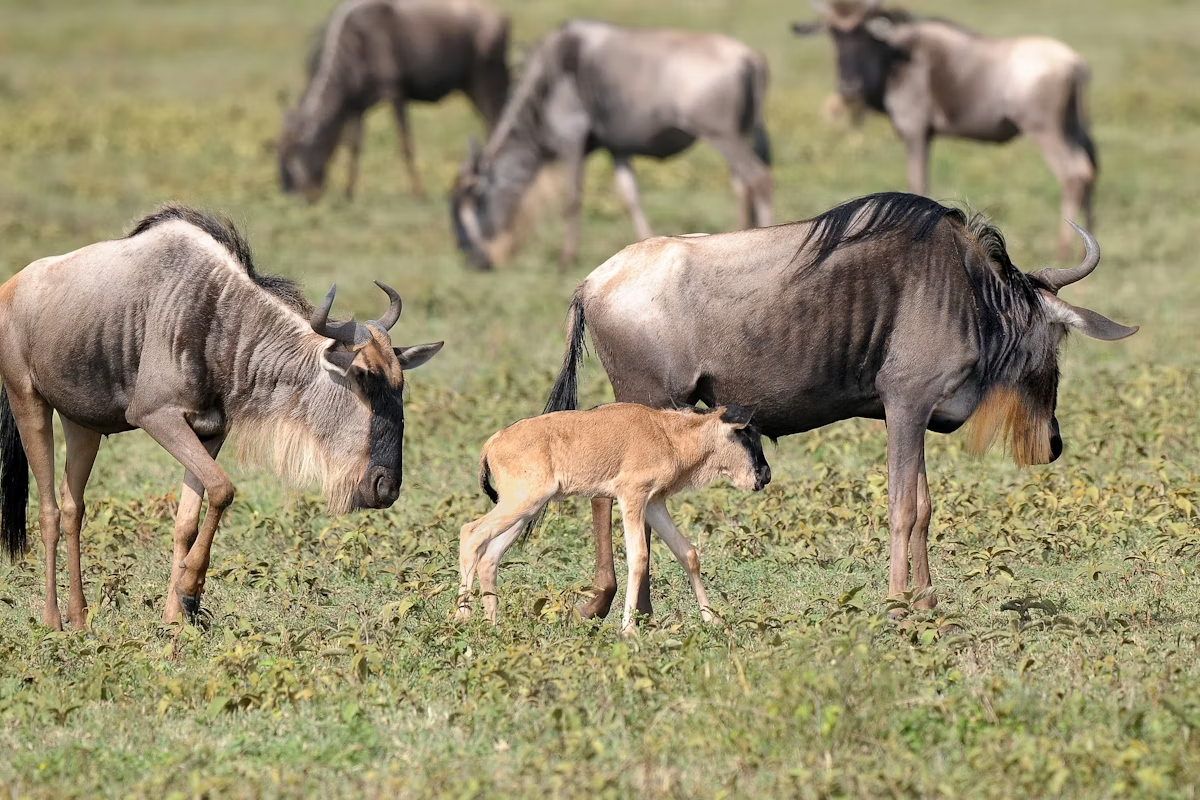
In January, the Southern Serengeti becomes the centre of one of nature’s greatest events: the wildebeest calving season. Here, hundreds of thousands of wildebeest gather to give birth on the open plains. Around 500,000 calves are born within a few short weeks.
This burst of new life attracts predators from all directions. Lions, cheetahs, leopards, and hyenas take advantage of the vulnerable young. This creates dramatic sightings and unforgettable photography moments. Although predators take some calves, the sheer number of births ensures that most survive.
Ruaha National Park – A Hidden Gem in January
Ruaha National Park offers a very different January safari experience.
The green season turns Ruaha into a lush, quiet, and private wilderness. Few travellers visit during this time, making it perfect for those who want an off-the-beaten-path adventure.
Ruaha’s landscapes—rocky hills, wide plains, and dramatic escarpments—become extra beautiful in January. Seasonal waterholes fill, drawing wildlife into new and interesting areas.
The fresh vegetation supports incredible birdlife. With over 570 species, Ruaha becomes a paradise for bird lovers during this month. Elephants roam in large herds, and lions remain active. Leopards and other predators use the dense vegetation for cover while hunting.
Zanzibar in January
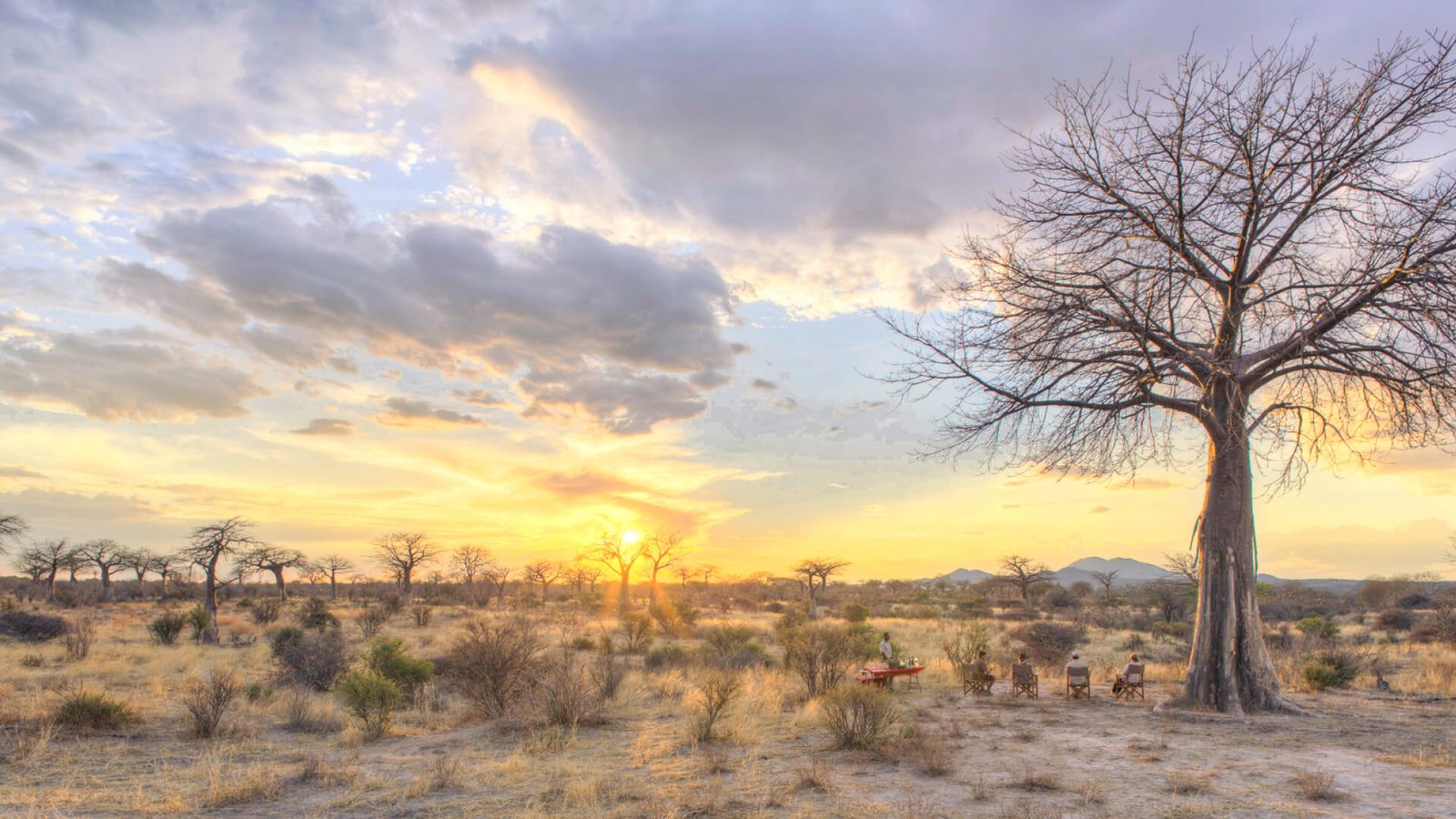
January is one of the best and sunniest months to visit Zanzibar. It falls in the dry season, with almost no rain and calm, warm seas. This is peak travel time, but the weather is outstanding and worth it. Days are hot and perfect for swimming, relaxing on the beach, or exploring the island.
Water visibility is excellent for snorkeling and diving. Gentle breezes make sailing and dhow trips relaxing and enjoyable. Zanzibar is the perfect ending to a Tanzania safari. After days of wildlife and adventure, the island offers peaceful beaches, turquoise waters, and laid-back island luxury.

Kenya in January
January in Kenya falls firmly within the dry season. This creates some of the best wildlife viewing conditions of the year.
Clear skies and low vegetation improve visibility, making it easier to spot big cats like leopards and cheetahs. Wildlife gathers around permanent water sources, creating predictable and rewarding sightings. Temperatures remain comfortable, making long game drives pleasant.
Kenya’s private conservancies are especially impressive in January. They offer space, exclusivity, and fewer vehicles at sightings. Walking safaris are wonderful this month because trails are clear and animal behaviour is easy to track.
Birdwatching is also excellent. Both resident and migratory birds are highly active in the dry season. From sweeping savannahs to acacia woodlands, Kenya showcases its diverse terrains beautifully in January.
Mara Naboisho Conservancy
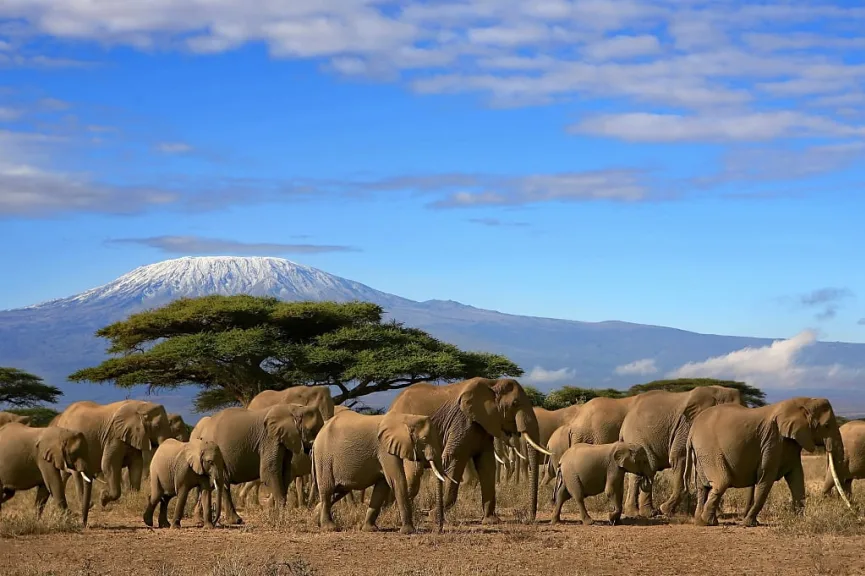
The Mara Naboisho Conservancy is one of Kenya’s great conservation success stories. It borders the Masai Mara and offers outstanding wildlife viewing with fewer crowds.
January’s dry weather makes wildlife easy to find, especially big cats. Lions, leopards, and cheetahs spend more time near permanent water sources. With shorter grass, visibility is excellent for tracking and photography.
Elephants move in predictable patterns, giving travellers wonderful opportunities for close encounters.
Walking safaris are magical in January. Clear weather allows you to explore deeper into the conservancy, learning about plants, animal tracks, and the smaller details of the ecosystem.
Naboisho Camp offers intimate luxury with only nine tents. Encounter Mara provides spacious accommodations and excellent wildlife viewing right from camp. Both camps support community partnerships and conservation, meaning every stay helps protect this landscape.
Ol Pejeta Conservancy
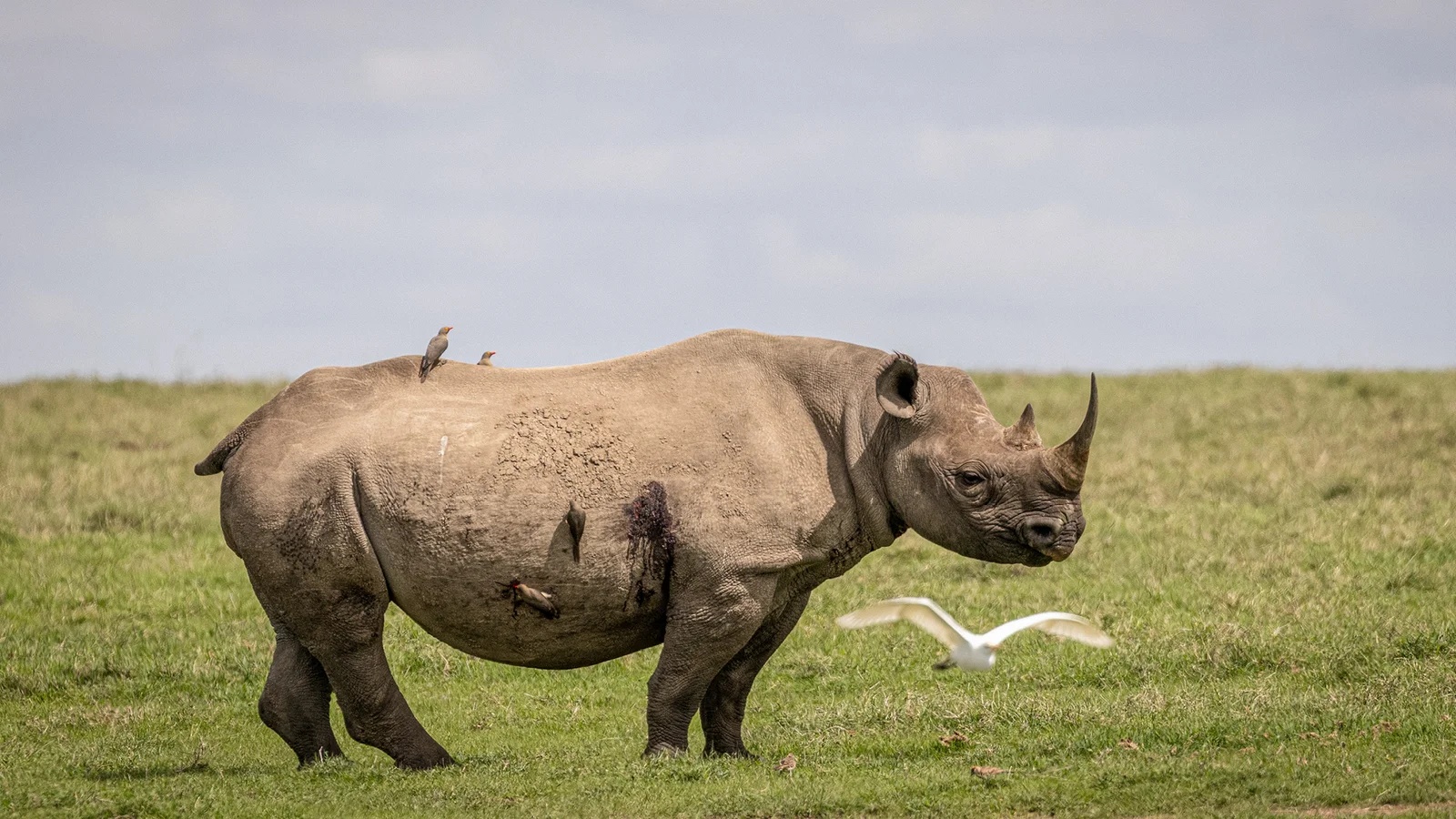
Ol Pejeta is one of Kenya’s most important conservation areas. It is home to the world’s last two northern white rhinos and Kenya’s largest black rhino population. January’s dry weather creates perfect conditions for game drives and conservation-focused activities.
With clear visibility and comfortable temperatures, you can enjoy excellent sightings of lions, elephants, leopards, and rhinos. Ol Pejeta is also known for its educational experiences, giving travellers a deeper understanding of wildlife protection and human-wildlife coexistence.
Ol Pejeta Bush Camp offers an authentic safari experience and directly supports conservation work, including anti-poaching efforts and community projects.
Rwanda in January

January is an excellent month to visit Rwanda. It falls in the dry season, which brings clear skies, stable weather, and great trekking conditions. This makes January one of the best times of the year for both gorilla trekking and golden monkey trekking in Volcanoes National Park.
Dry trails make hikes easier and safer, especially on steep mountain slopes. Visibility is also better in January, giving you bright, clean light for photography and clearer forest views.
Rwanda is known for its safety, cleanliness, and well-organised tourism system. Travel between destinations is smooth, and Volcanoes National Park can be reached from Kigali in just a few hours. This makes Rwanda perfect for short trips or for combining with Tanzania or Kenya.
January is also ideal for exploring Rwanda’s other parks. Akagera National Park offers warm weather and excellent game viewing around lakes and open plains. You can spot lions, rhinos, elephants, buffalo, and plenty of plains game. Nyungwe Forest becomes a paradise for chimpanzee trekking and birdwatching, with many species active during the cooler mornings.
Rwanda’s landscapes are at their most beautiful this month. The rolling hills, misty mountains, and green valleys create a peaceful, dreamlike atmosphere that adds magic to every safari moment. Whether you come for gorillas, chimps, big game, or simply Rwanda’s warm hospitality, January is a wonderful time to explore this unique and welcoming country.
Suggested Itineraries
Greenway nature tours
We are a fully licensed tour company accredited by the Uganda Tourism Board. We design and operate safaris in Uganda and East Africa. Our operations are based in Kampala, Uganda, the heart of our safari planning and coordination. Though our company was officially established in 2025, our team brings deep, hands-on knowledge of East Africa.
Destinations
Favourite Tours
Help & Info
- About us
- Travel Blog
- Travel FAQS
- Gorilla Permits Bookings
- Contact Us
- Pay Online